
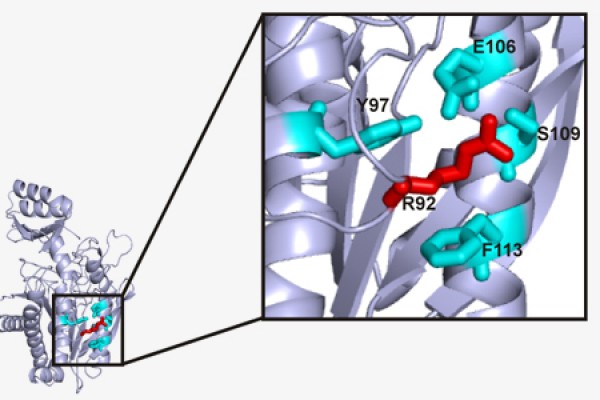
If you prick us, we will bleed. The vast majority of us will then stop bleeding, thanks to a blood clot formed by an intricately balanced system of proteins, cells of the blood vessel wall, and cell fragments called platelets.
Research
If you’re a faculty member from around campus doing research or scholarly work related to the environment and looking for a unique opportunity to work for a short term at the Great Lakes Institute for Environmental Research, the deadline to apply is quickly approaching.

Julie Macfarlane has a simple message for all of those who believe that Islam’s proponents are trying to take control of western civilization by following their own set of laws that disregard current governing legislation.

May 7th, 2012
Lake Erie may be experiencing some of the worst levels of pollution it has seen since the 1960s, but a regional director of the International Joint Commission is confident that science will be able to turn that trend around by recommending action needed to restore it to a healthier state.
May 7th, 2012
Maher El-Masri, associate professor and research leadership chair in the Faculty of Nursing, has won recognition from the provincial association of the profession.
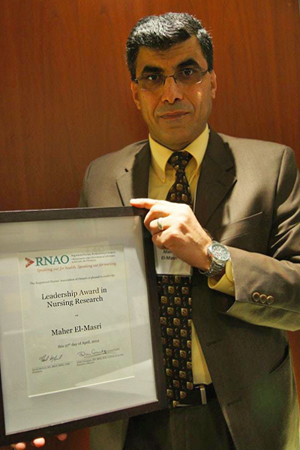 Maher El-Masri. |
May 3rd, 2012
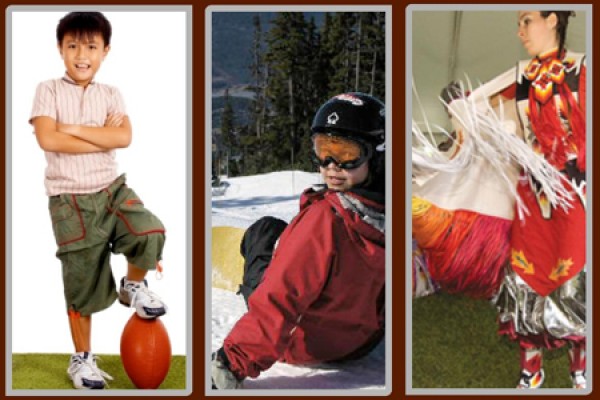
Most research discussing ways to improve physical fitness in targeted groups starts from what might be termed a “deficit” perspective: studying the problems and challenges faced by the group, and looking at how to target and ameliorate these deficits.
A “strengths” approach starts instead from the assumption that all groups and individuals have certain strengths, and looks at ways individuals assisting the group can work with them to further develop those strengths.
University of Windsor researchers will present some of their work to the public during the third annual “Research Showcase and Outreach to Community” event, Saturday, May 5, from 10 a.m. to 5 p.m. in the Devonshire Mall.
It promises to be informative and inspiring, says Sharon Hayes-Racicot of the Office of Research Services, who calls it a great opportunity to “highlight the excellent research that is taking place at our University.”
The display will be set up outside the mall entrance to the Bay store. Devonshire Mall is located at 3100 Howard Avenue.
Dramatic increases to the government imposed fuel economy standards for cars and light trucks in the U.S. may decrease the auto industry’s carbon foot print but pose some serious challenges for vehicle and component part manufacturers and the engineers who support them, according to Peter Frise.
“Fuel economy is going to have to improve 40 per cent from 2010 levels by 2016,” said Dr. Frise, the scientific director of the AUTO21 Network of Centres of Excellence. “This is creating profound challenges for the industry.”
Apr 26th, 2012
Putting down on paper a vivid description of what might happen if terrorists ever launched an attack on the Windsor-Detroit border is akin to thinking the unthinkable, but totally necessary in order to convince people of the necessity of taking a more holistic approach to counter-terrorism, according to Richard Chasdi.

Determining both the causes and the effects of climate change can be tricky business for a scientist, but there’s little doubt in the mind of Arctic researcher Aaron Fisk about whether it’s happening. Climate change is dramatic, 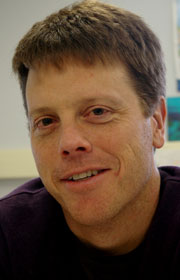 it’s real and at this point it may be irreversible, he believes.