




By Sara Elliott
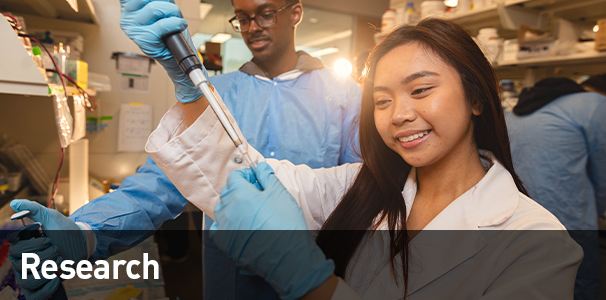
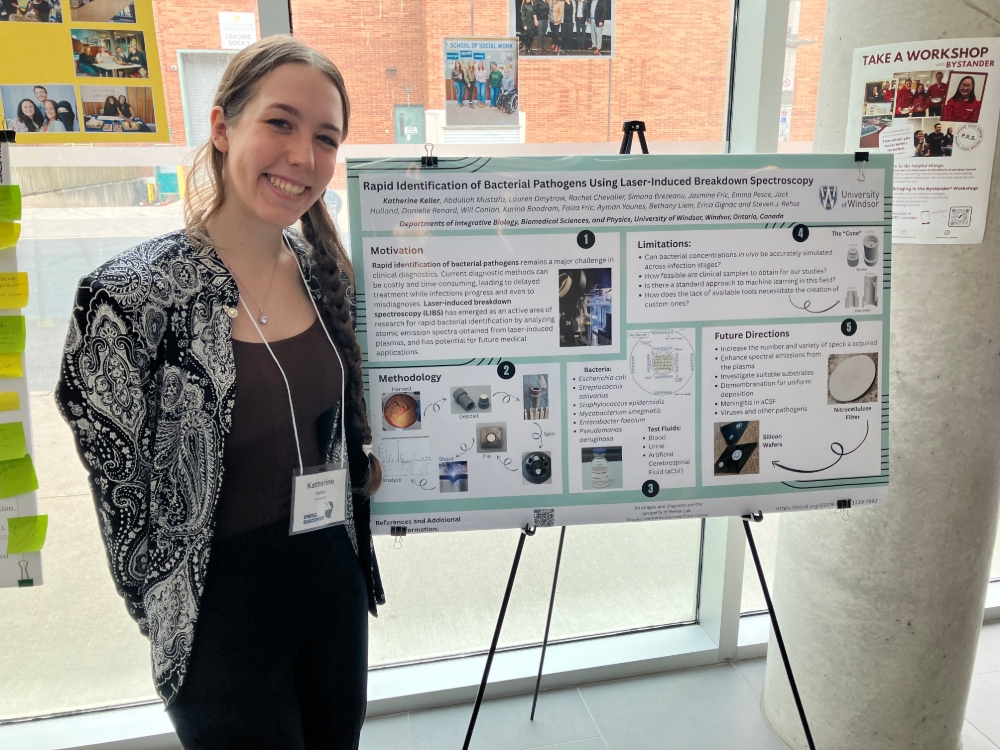
This summer, science student Kitti Keller learned a lesson on how melding biology and physics could one day help identify bacterial pathogens that threaten human health.
“We're hoping to develop a technology so one day you can go to the clinic, give a tiny blood or urine sample and get immediate results showing what's making you sick,” says the third-year biology student.
By Sara Elliott
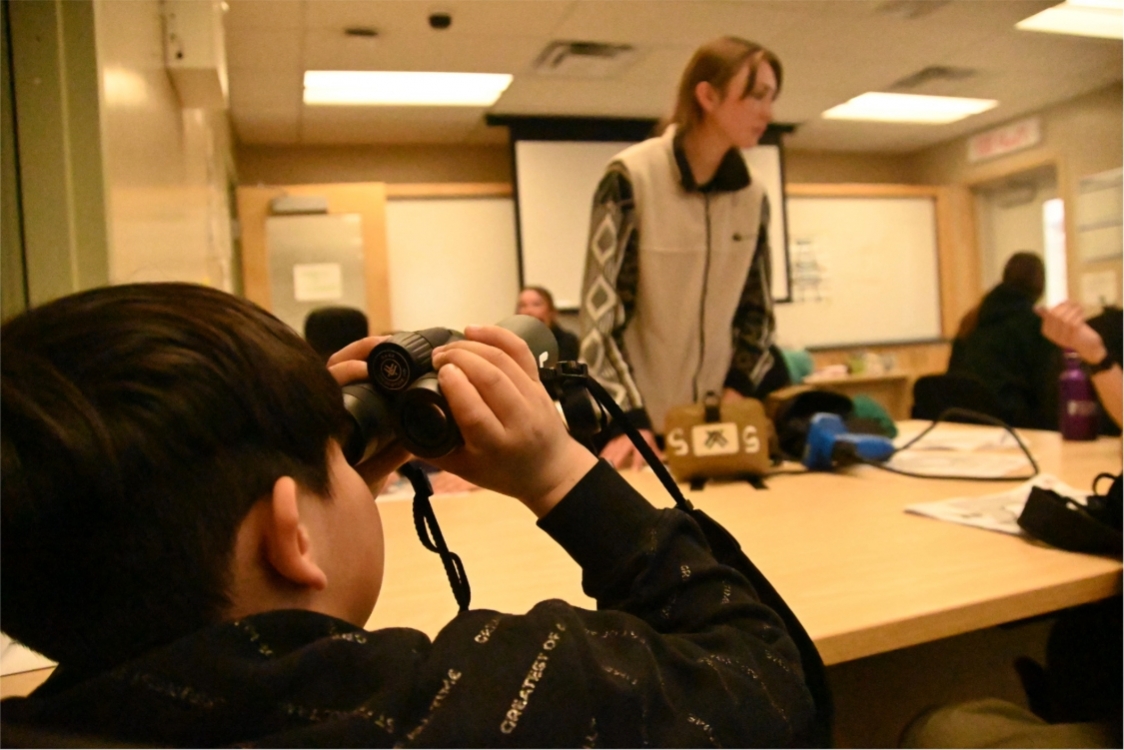
In Iqaluit, Nunavut, University of Windsor researchers are helping young people turn the birds around their homes into a gateway to Arctic science, conservation training and community-based wildlife monitoring.
The team received a $172,200 three-year grant for the project through the Natural Sciences and Engineering Research Council of Canada’s (NSERC) PromoScience program.
By Sara Elliott
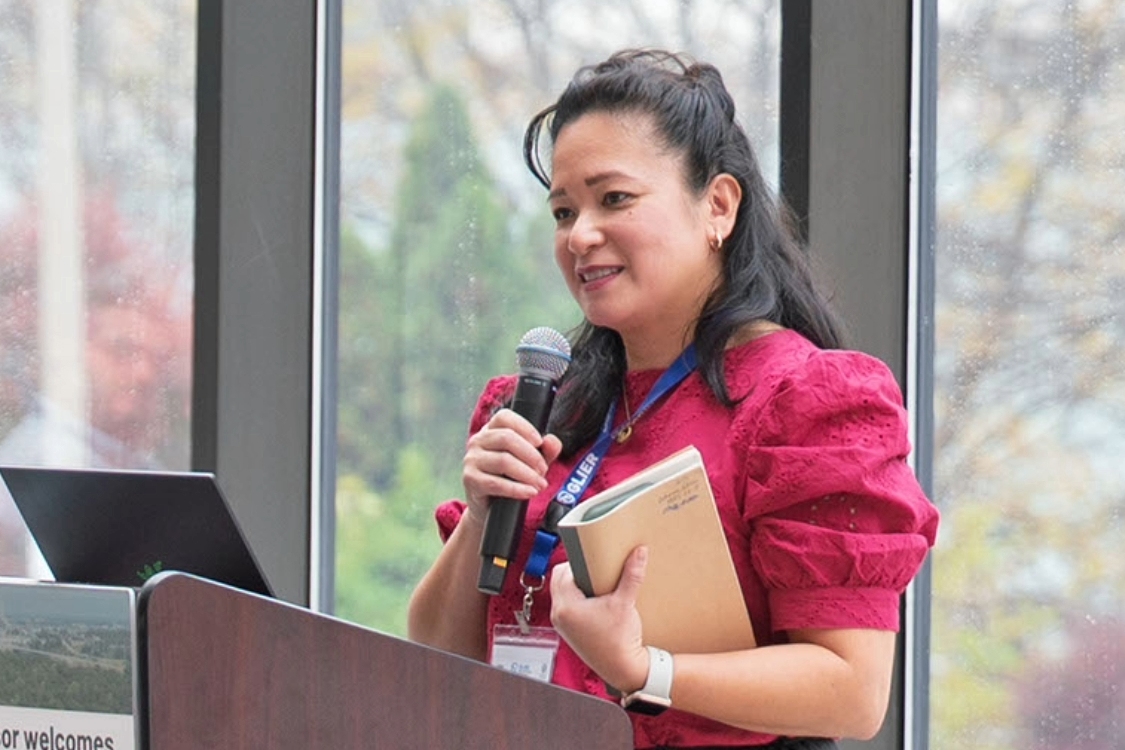
Catherine Febria’s research begins in the smallest streams, where land, water and people meet. Its impact is now being recognized nationally.
From microbes and mushrooms to watersheds across the Great Lakes Basin, the University of Windsor ecologist uses science to understand and restore freshwater ecosystems while building relationships with the communities that depend on them.
By Sara Elliott
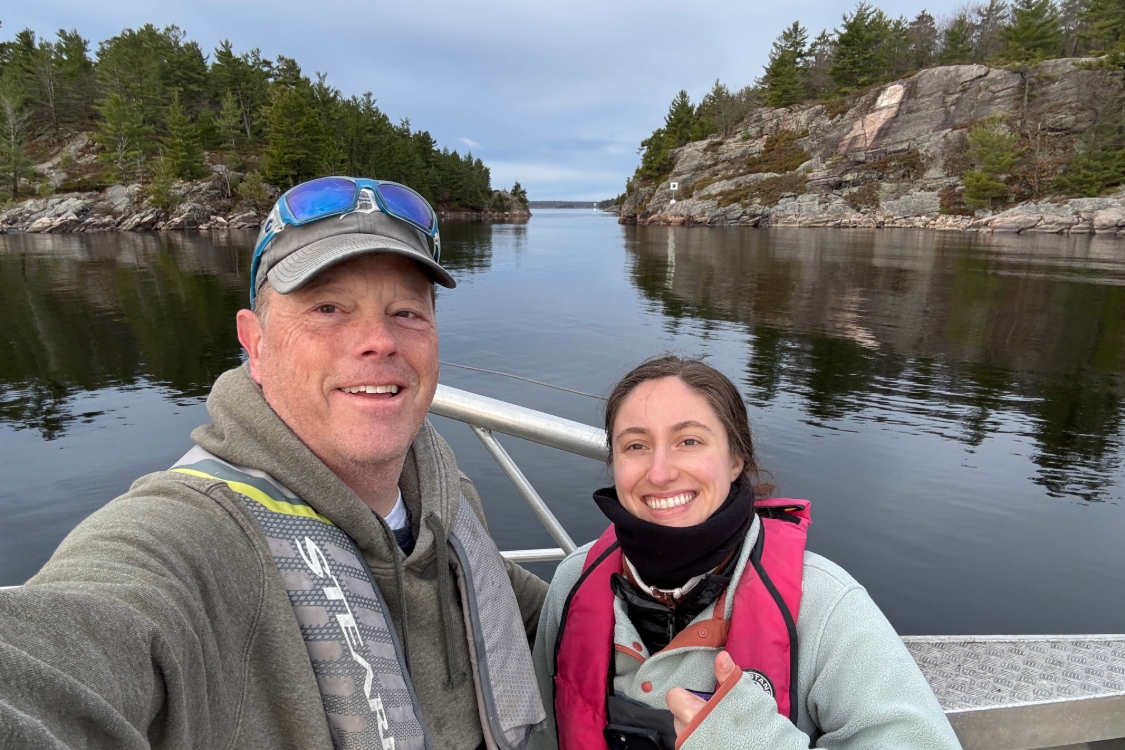
For more than two decades, University of Windsor researcher Dr. Aaron T. Fisk has helped change how scientists understand freshwater ecosystems – from how contaminants move through aquatic food webs to where fish travel, feed and spawn across the Great Lakes and the Arctic.
That body of work has now earned Fisk one of Canada’s highest academic honours.