News and Events

 
Oct 15th, 2021

A team from the Faculty of Engineering has partnered with Habitat for Humanity Windsor-Essex to build Canada’s first 3D-printed homes for residential use.

“Habitat for Humanity believes everyone has the right to a safe, decent, affordable place to live,” says Fiona Coughlin, executive director and CEO of Habitat for Humanity Windsor-Essex. “As this cutting-edge technology is evolving, we are excited to partner with the University of Windsor to find ways to provide housing solutions in our community.”

Coughlin notes that current building codes in Canada are not written with these novel 3D-printing technologies in mind. One of the goals of the project is to design a 3D-printed home that meets residential building code requirements and produce landmark precedents for future practices in cost-effective and environmentally sustainable home construction across the country.

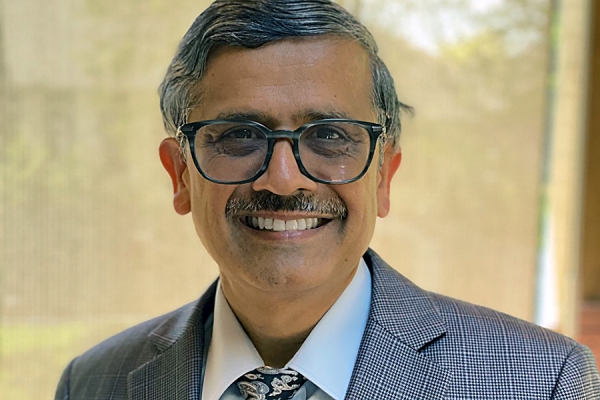
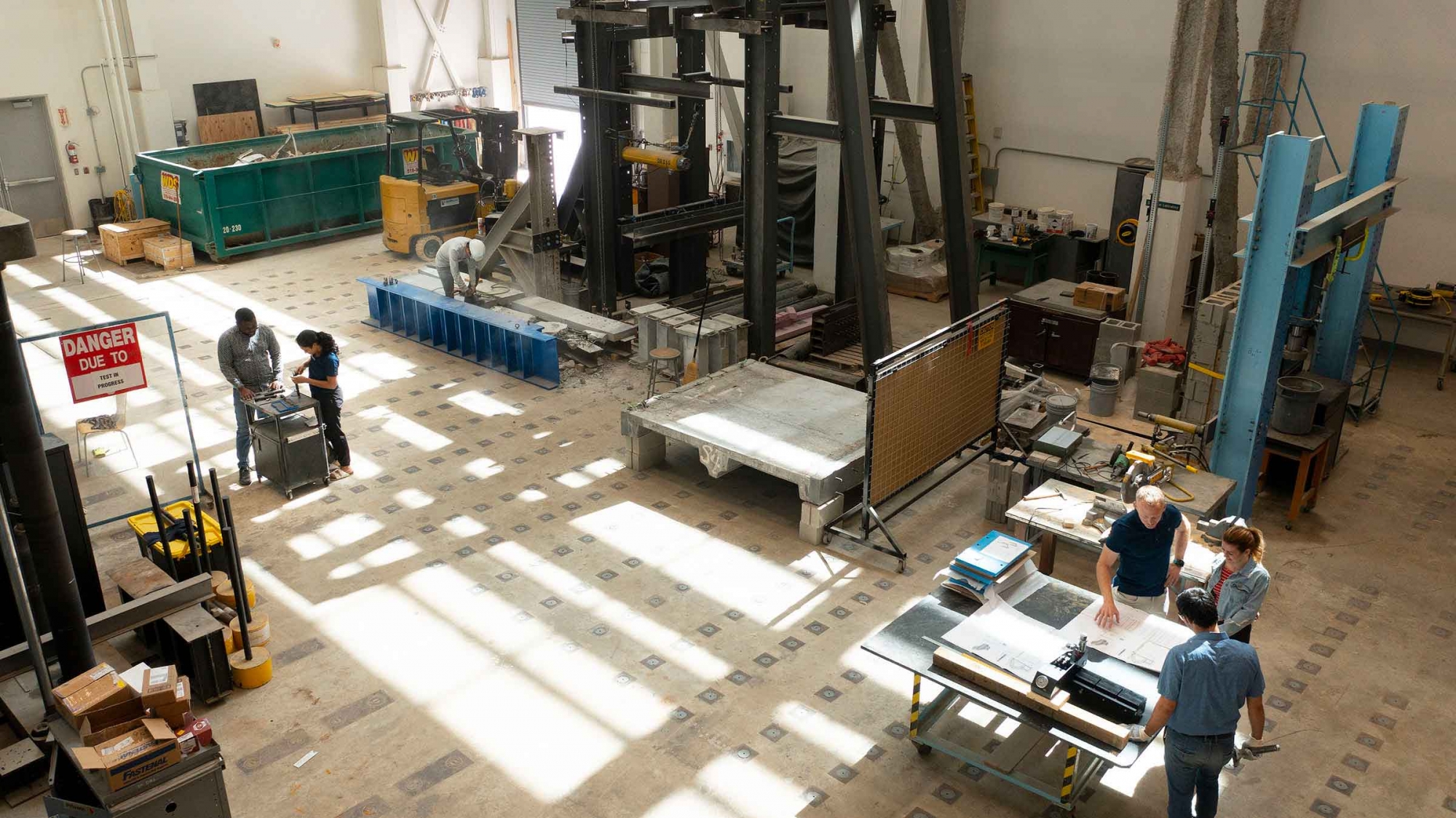
Civil engineering professor and University of Windsor project lead, Dr. Sreekanta Das, says the project will help address a vital need for a more affordable and environmentally sustainable housing market. He, alongside a team of engineering graduate students and laboratory technicians, will 3D print concrete segments on a large-scale, industrial printer in the university’s Structural Engineering Testing Lab — one of the largest and tallest in Canada — and test them exhaustively for strength, sustainability and durability to ensure they’re safe for residential use.
Sep 24th, 2021

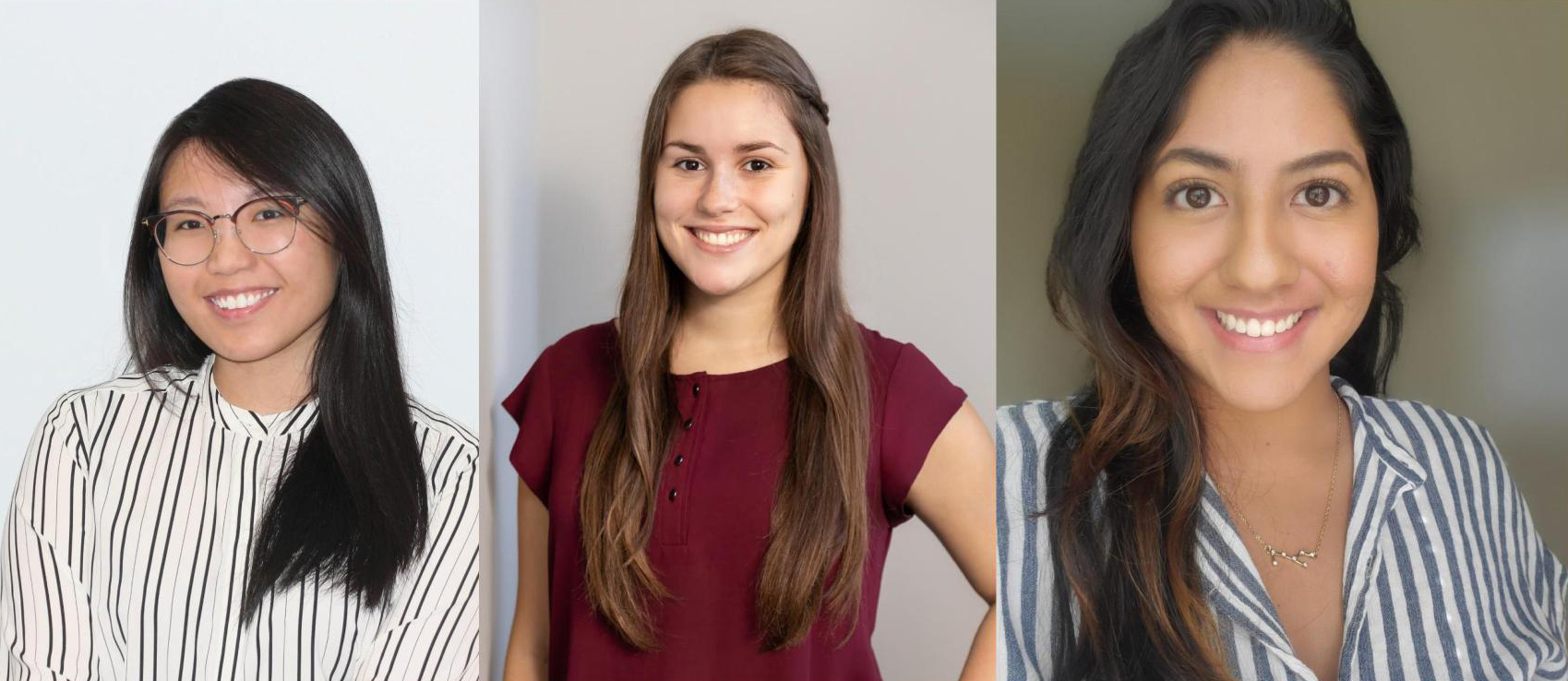
Cay-Yen Ang, Jordan Goddard and Fabianna Palacios (L-R) will face 23 schools from the United States, Mexico and Costa Rica in the Water Environment Federation's Student Design Competition on Oct. 17, 2021 in Chicago.

A trio of environmental engineering students will represent the University of Windsor as the sole Canadian team in an international wastewater treatment competition.

Cay-Yen Ang, Jordan Goddard and Fabianna Palacios qualified to compete at the Water Environment Federation's Annual Technical Exhibition and Conference (WEFTEC) after taking top honours against schools from across Ontario in a design competition held by the Water Environment Association of Ontario on March 27.

The Windsor team’s winning design eliminated overflow of wastewater from the treatment and collection system in Port Dalhousie with minimal cost, taking into consideration the effects of climate change. The submission recommended adding chemicals to improve the settling of solids during storm events, implementing fine bubble diffusers to increase the capacity of biological treatment and the use of tanks existing on the site to disinfect water with chlorine.

The team is tackling the same challenge at the 2021 WEFTEC Student Design Competition, held in Chicago on Oct. 17, however, this time, with an enhanced design.

Sep 23rd, 2021

Nickolas Eaves has been invited to share his expertise on synthetic fuels on one of Canada’s most listened to daily news podcasts.
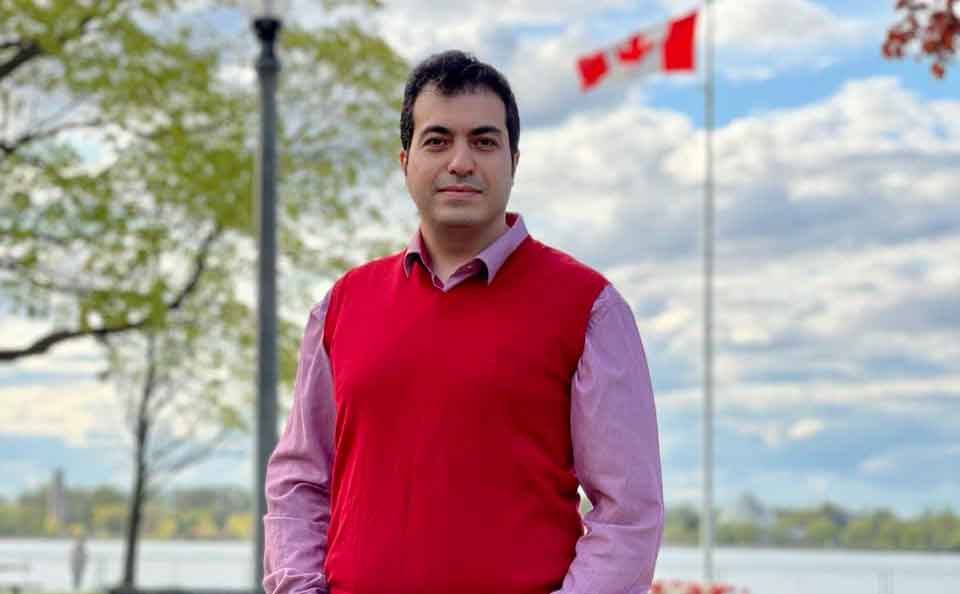

Dr. Eaves, an assistant professor of mechanical engineering, will join Real Talk at 11 a.m. ET on Sept. 23 to discuss the emergence of synthetic fuels, how they work and their effect on vehicle function and performance.

The show’s recent guests include Prime Minister Justin Trudeau  and Federal NDP leader Jagmeet Singh.

Eaves will be joined by panelists Andrew Bell, director of the Electric Vehicle Association of Alberta, and Paul Horrell, a columnist for Top Gear Magazine's Future Proof.

The interview conducted by show host, Ryan Jespersen, will be streamed live, on camera and is available on YouTube and Apple Podcasts.

You can also follow or take part in the on-going audience conversation with the hashtag #RealTalkRJ on Twitter and the host’s accounts @RealTalkRJ and @ryanjespersen.

Sep 22nd, 2021

A UWindsor engineering postdoctoral fellow has won an international innovation competition for his design of a diagnosis tool for gas turbine engines.

Farshid Bazmi landed a gold medal in the first International Competition for Inventors and Innovators held virtually by the International Federation of Inventors’ Associations, July 18 to 20.

Dr. Bazmi claimed top honours in the aviation field for his research on fault diagnosis for turboshaft engine systems conducted under the leadership of mechanical engineering professor Afshin Rahimi.

His Mitacs Accelerate supported research aims to develop reliable, fast, and low-maintenance engine health monitoring systems.

“The ability to find fault in gas turbine systems and proactively monitor its progression to remedy the root cause before it fails is of paramount importance in today’s industry,” Bazmi says.

Sep 15th, 2021

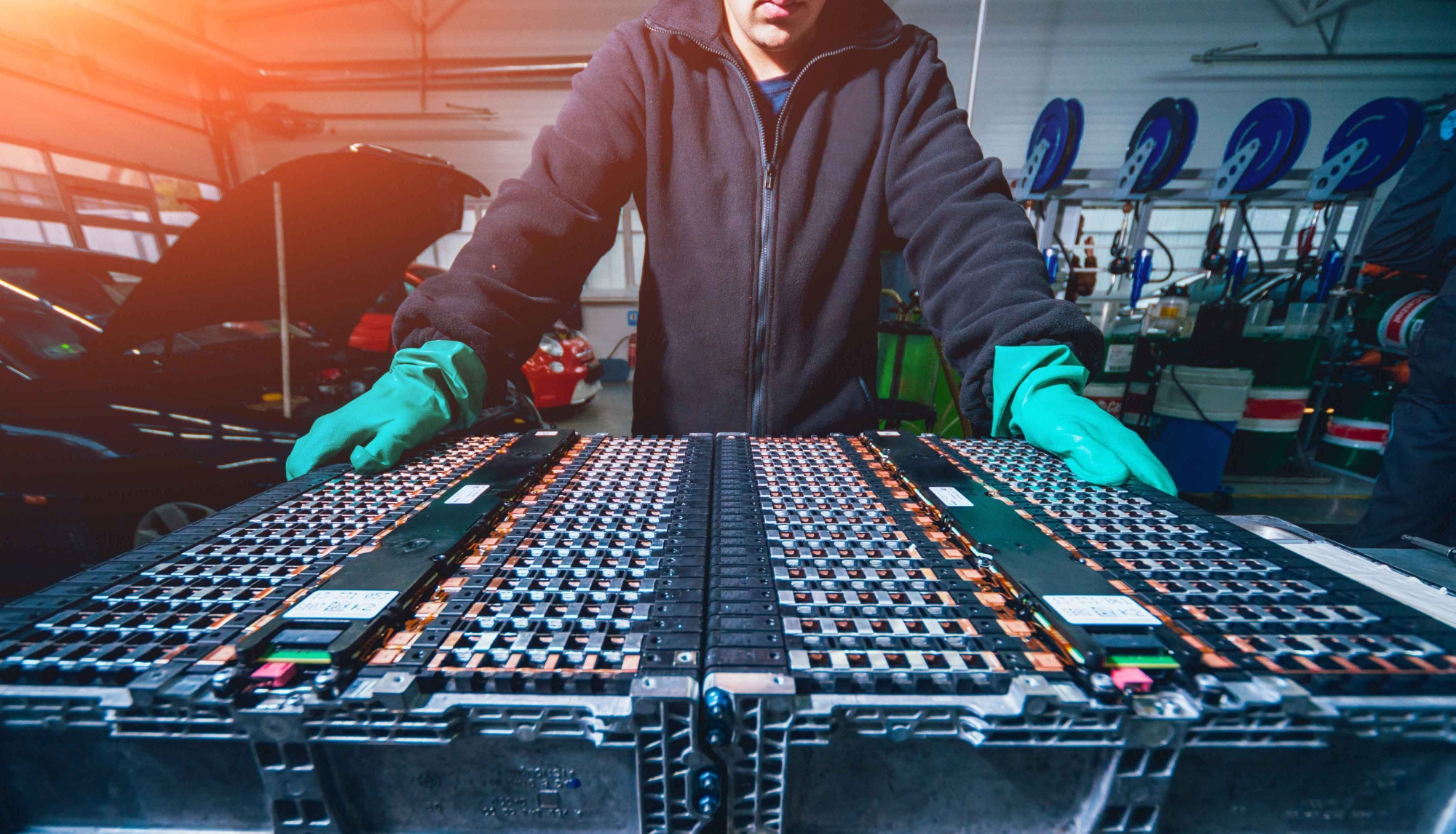
While electric vehicles produce zero emissions, their batteries composed of raw materials are difficult and costly to recycle.

Transportation electrification is steadily increasing across the globe and expected to add 200 million electric vehicles (EV) to the roads over the next decade.

“Batteries are becoming an important commodity in the Canadian economy; however, we still lack technical leadership on the safety, efficiency and reliability aspects of battery applications and reuse,” says Balakumar Balasingam, an assistant professor of electrical engineering at the University of Windsor.

With an expected spike of used EV batteries at recycling facilities on the horizon, Dr. Balasingam is leading a team that aims to offer another route to their disposal.

“Even though considered irrelevant in electric vehicles, these batteries have value in other applications, such as home electrification, short-range transportation and microgrids.”

Many “end-of-life” EV batteries still have up to 70 per cent of their capacity left, he notes. One potential pathway for used EV batteries is to repurpose them in e-bikes. Nikola Robotics Lab, one of many partners on the project, will work with the team on the design of this cost-effective solution while Bike Windsor-Essex will advocate for their adaptation

Sep 15th, 2021

An increase in natural disasters and pandemics has prompted an engineering researcher to create a solution that enables the resilient construction of multi-unit, residential buildings.

Apartments are gaining popularity in Canada, says Rajeev Ruparathna, a civil engineering professor at the University of Windsor.

“Considering the increase in frequency and magnitude of natural disasters and the recent tragic condo collapse in Miami that killed nearly 100 people, we see an urgent call for more resilient Multi-Unit Residential Buildings (MURBs),” he says.

But Dr. Ruparathna says there is a lack of resources to support this, especially during design and construction. His latest project addresses this gap by developing resources to ensure the resiliency of MURBs through a Building Information Modeling (BIM)-based rule set that allows engineers and architects to check a building design for resiliency principles.

The BIM rule set will be based on guidelines in the National Building Code, Canadian Electric Code, National Fire Code, Canada Standard Association (CSA) standards, and BOMA Canada Resilience Brief.

Aug 27th, 2021

The editor of a new journal hopes it will highlight the contributions of University of Windsor researchers while engaging industry partners.

Ram Balachandar will be the specialty chief editor of Fluid Mechanics, operating under the umbrella of Frontiers in Mechanical Engineering.

“Most of the journals in this field are extremely academic or industry-focused,” he says. “I saw a need for an applications-related journal.”

He has pulled together a team of associate editors that draws on colleagues from the University of Windsor — including Vesselina Roussinova of mechanical engineering and math professor emeritus Ronald Barron — while reflecting a broad international scope.

“I didn’t envision the amount of work involved,” Dr. Balachandar admits. The publication launched last week.

Aug 25th, 2021

An alumnus of the University of Windsor has been named an Officer of the Professional Engineers Ontario (PEO) Order of Honour.

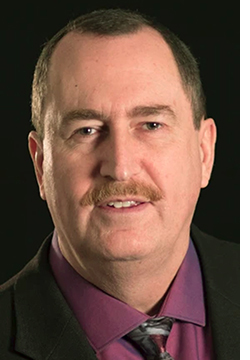
Sean McCannDedicating over two decades to the advancement and promotion of engineering, Sean P. McCann (BASc 1989, MASc 1993) has been recognized for his voluntary contributions to the community and engineering profession. He was inducted into the Order at a virtual gala on June 19, 2021.

McCann was inducted as a Member of the Order of Honour in 2006 and serves as a PEO Windsor-Essex Chapter executive. He has also taken positions on PEO’s Continuing Professional Development, Competency and Quality Assurance Task Force, and Advisory Committee on Volunteers.

Aug 12th, 2021

Researchers at the University of Windsor are upgrading a network of cameras and sensors on the Canadian side of the Ambassador Bridge in a project that aims to better predict border traffic and improve safety.

Engineering professor Hanna Maoh (pictured at left) and lead researchers at UWindsor’s Cross-Border Institute hope to begin installing the equipment along Huron Church Road this fall. They’ve received $150,000 through the Canadian Foundation for Innovation and the Ontario Research Fund toward the $206,000 project.

“We’re trying to understand how traffic moves through this major node,” said Dr. Maoh. “Collecting data in real time is critical for any meaningful analysis.”

The Cross-Border Institute, founded by political science professor Bill Anderson in 2008, researches ways to better move people, goods, and services across borders. This latest project will use machine learning and artificial intelligence to measure and predict traffic patterns, improving the efficiency of border crossings. Data from cameras and sensors near the bridge will be transferred wirelessly in real time to servers at the institute for analysis by a team of researchers from a variety of disciplines.

Traffic sensors in place right now measure the number and size of vehicles. This project will collect additional data on factors such as lane changes, vehicle speed, and the interaction of large trucks and smaller passenger vehicles.

The information collected will not only assist truckers and local traffic, but could also improve air quality for local residents, improve the supply chain operation between Canada and the United States, and increase the competitiveness of manufacturers and the transportation industry.

Jul 26th, 2021

Tirupati Bolisetti at the Credit River bridge in Mississauga

Besides providing drinking water for more than 30 million people in North America, the Great Lakes play a vital role in the economy’s transportation, power and agriculture sectors.

Plastic pollution in these water bodies has been widely acknowledged for a great deal of time, says Tirupati Bolisetti, an environmental engineering professor at UWindsor. 

However, microplastics — particles that are 5 mm or smaller in size — hidden in the water are posing a much bigger problem for aquatic and human life.

“These ubiquitous microplastics are finding their way into the natural waters due to improper disposal of plastics, which degrade into small pieces,” Dr. Bolisetti says. “They come from plastic packaging, cosmetics, textiles, automotive components and plastic litter thrown on the beaches, to name a few.”

Some of these microplastics in the form of synthetic microfibers are also released from our wastewater systems, he adds.

A team of interdisciplinary researchers from the University of Windsor, including Bolisetti and Dr. Ram Balachandar, are collaborating with Dr. Shooka Karimpour and other researchers from York University to understand how microplastics originate and get transported to the western basin of Lake Ontario, called the Niagara basin.