

Experiential Learning (EL) is “the process whereby knowledge is created through transformation of experience” (Kolb, 1984, p.41). Engagement in and reflection on purposeful EL opportunities within the classroom, the community, or workplace, can advance the learning outcomes of an academic program while fostering a positive student experience and career development.
Co-operative Education & Workplace Partnerships provides students with a well-rounded education that is founded both in academic theory and real world application.
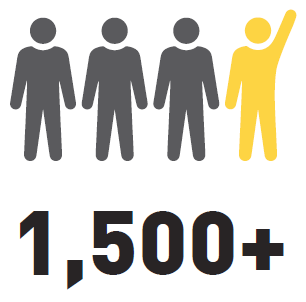
undergraduate and graduate co-op students enrolled

co-op employment rate

increase in co-op enrolment the
last 5 years

employers posted opportunities, including 120+
new employers

in students earnings with average co-op
earnings of $11,152 per work term

jobs posted

job applications

interviews conducted

students participating in job
readiness programming
By combining semesters of study with semesters of full-time, paid employment in career-related positions, students are able to: apply classroom theory, gain hands-on experience, network with employers and professionals in their field, explore different career options, learn how to compete confidently in the job market, and earn a salary to help offset the cost of their education.

students participating in work terms (Jan.-Dec. 2017)

first work terms

international work terms in 5 countries

employment rate for students enrolled in co-op, 6
months after graduation (Ontario Universities
Graduate Survey, 2012)
Students who graduated from co-op
have an average salary higher than

non-co-op students (Ontario Universities
Graduate Survey, 2012)
