
News & Announcements
Latest News
By Kate Hargreaves
What does it mean to make “good trouble” in education?
By Sara Elliott
Dr. Evra Trought-Pitters sees a future where Indigenous Knowledges are meaningfully included in Ontario elementary and secondary mathematics education.
The Toronto District School Board educator recently defended her University of Windsor doctoral dissertation in education, examining how educational leaders can help teachers incorporate Indigenous Knowledges and perspectives into mathematics instruction respectfully.
By Kate Hargreaves
Before the age of 15, 45 per cent of Canadian teens will experience dating violence.
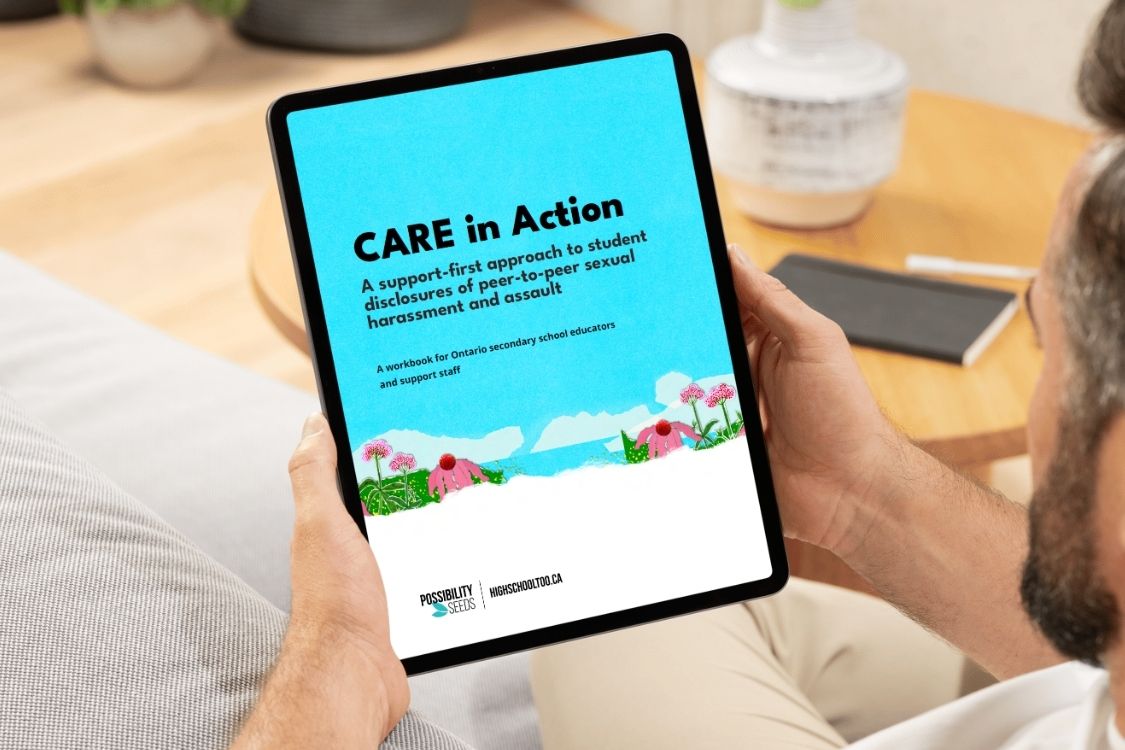
For educators who find themselves on the receiving end of disclosures, knowing how to respond can be daunting.
That’s what motivated a new guide to help teachers respond to sexual violence disclosures in trauma-informed ways.
By Kate Hargreaves
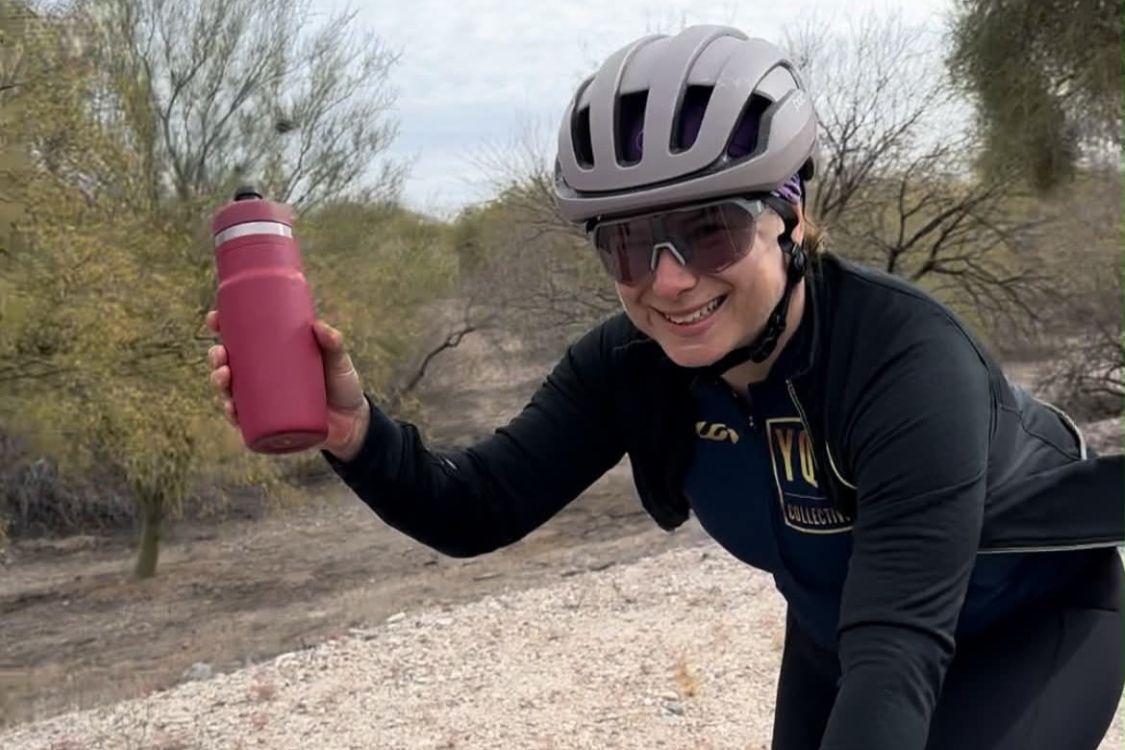
When Kim Rocheleau (BHK ’95, BEd ’06) finishes her workday as a high school principal with the Greater Essex County District School Board, she often hits the road — or the trail — on two wheels rather than four.
When she’s not supporting students and staff at Vincent Massey Secondary School, she shares the joy of cycling with women across Essex County.
Earlier this month, she organized the 13th annual — and final — local Women’s 100, marking more than a decade of leading the inclusive cycling event.

By Kate Hargreaves
Being a teacher is about more than getting kids up to speed on their reading, writing and math.
Teachers also support students as they solve problems, build relationships, set goals and manage emotions.
These skills are part of social-emotional learning (SEL), which takes place every day in elementary and secondary schools. But PhD researcher Elizabeth Szymanski (BA, ECE, BEd, MEd) says that teacher candidates don’t necessarily feel prepared to take it on.