

Dr. Ashley Glassburn
Associate Professor of Women's and Gender Studies
Ashley Glassburn is an interdisciplinary scholar with a PhD in Women’s and Gender Studies who uses feminist analysis of power and knowledge production to understand the role of historical narrative in shaping Indigenous subjectivity, political rights, and belonging. Glassburn is a member of the Miami Nation of Indians of Indiana with whom she serves as a research consultant and Myaamia language educator.
Her book manuscript (in-process) “Settling the Past: Epistemic Violence and the Making of Indigenous Subjectivities” draws on Miami historical narratives and contemporary political projects to explore the dynamics of race, land, and historical evidence in constituting contemporary Indigenous identity. Glassburn approaches the archives through a Miami feminist standpoint, which critically interrogates the relationship of power and knowledge through a distinctively-Miami informed perspective.
As an adult Glassburn became involved in the efforts to recover and revitalize the Miami language in the early 00s. Glassburn was one of several Miami who founded the saakaciweeyankwi summer immersion camp for Miami youth in 2007. Since then she has developed a model for teaching Myaamia grammar, which she is developing into a workbook for Myaamia learners to study remotely. She is also working on a set of essays that bring feminist analysis of gender, power, and knowledge to current trends in the industry of Indigenous language revitalization.
Glassburn serves on the nomination committee of the Native American and Indigenous Studies Association and was a co-founder of the National Women’s Studies Association Indigenous Peoples Caucus. Glassburn works with a consortium of Women’s and Gender Studies scholars to collect data on how the rise of PhDs in the field is changing the field. Her work within this consortium focuses on how interdisciplinary feminist methods and feminist theory pedagogy continue to shape the field.
Glassburn, like many other members of the Miami Nation are assigned BIA payroll numbers and were named in the 2009 Cobell settlement as “Adult American Indians” even though the Miami Nation of Indiana lost their status as a federally recognized tribal in the 1934 Indian Reorganization Act. If you are interested to learn more about the membership status of Dr. Ashley Glassburn or her genealogy, feel free contact the Miami Nation of Indiana or read about the history of the Bondy line in Stewart Rafert’s The Miami Indians of Indiana: a persistent peoples 1654-1994.
Dr. Glassburn teaches upper level courses on Indigenous Feminisms, Feminist Theory, and Women and Protest, as well as the very popular first year course Gal Pals: women and friendship. She regularly has openings for Teaching Assistants and Research Assistants. She is looking for a post-doc or advanced graduate student with training in Algonquian linguistics to assist with her language recovery curriculum. Contact her directly if you would like to learn more about working with her on one of these projects.
Contact Ashley Glassburn
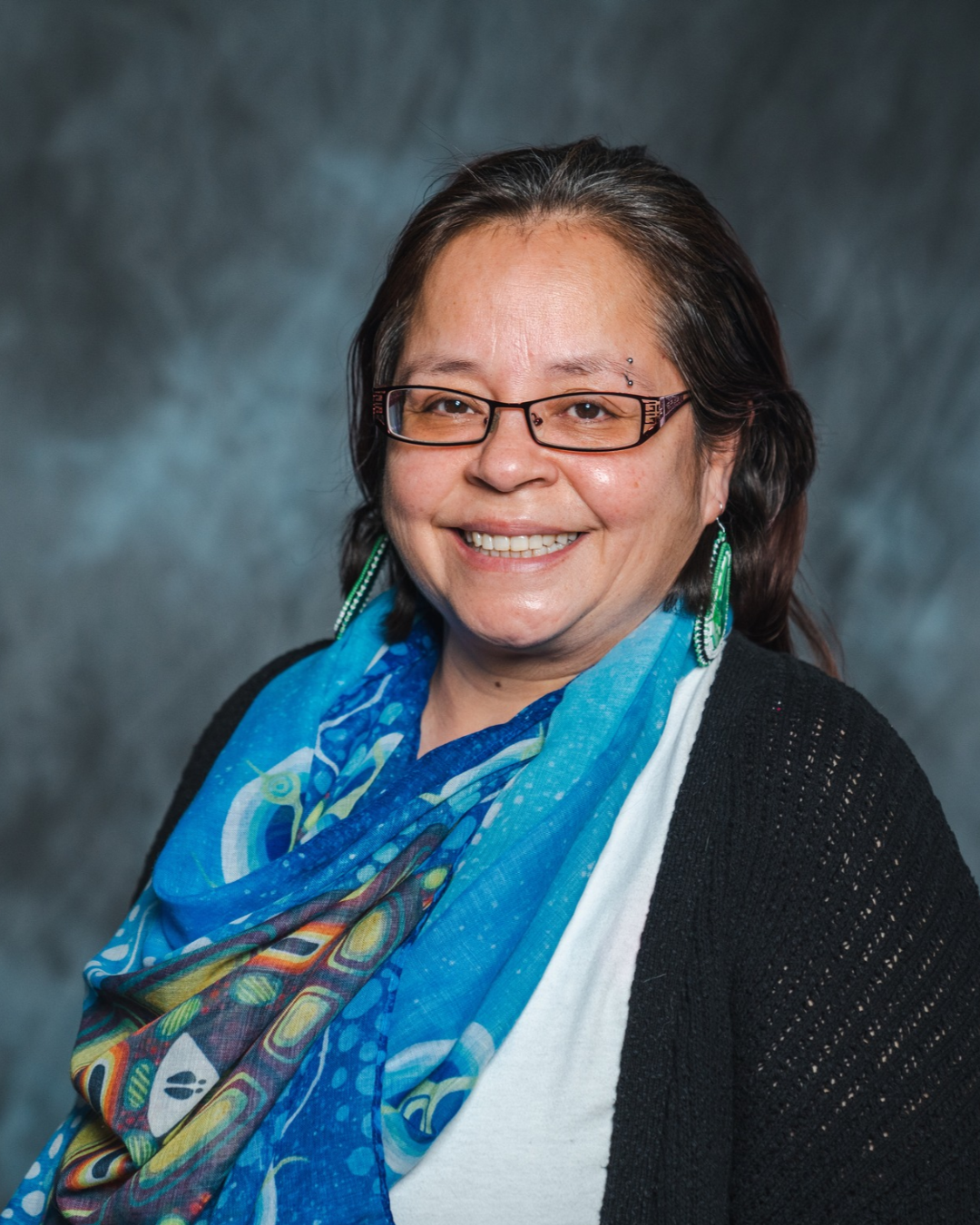
Jaimie Kechego
Learning Specialist, Indigenization
Jaimie is Anishnaabwekwe from Deshkaan Ziibing (the Chippewa of the Thames First Nation reserve) located near London, Ontario. Jaimie’s academic experience began at the University of Windsor as she pursued her Bachelor of Arts degree. Her professional experience with the University of Windsor began at Turtle Island as the Student Representative for the Aboriginal Education Committee. After graduating from the University of Windsor, she secured a position with the Greater Essex County District School Board as the First Nation, Metis and Inuit secondary school counsellor for eight years. Jaimie went back to the University of Windsor to pursue her Bachelor of Education in 2014 and graduated in 2015. Recently, Jaimie completed her requirements for a Master’s degree in the Field of Educational Leadership focused in Aboriginal Education at Western University.
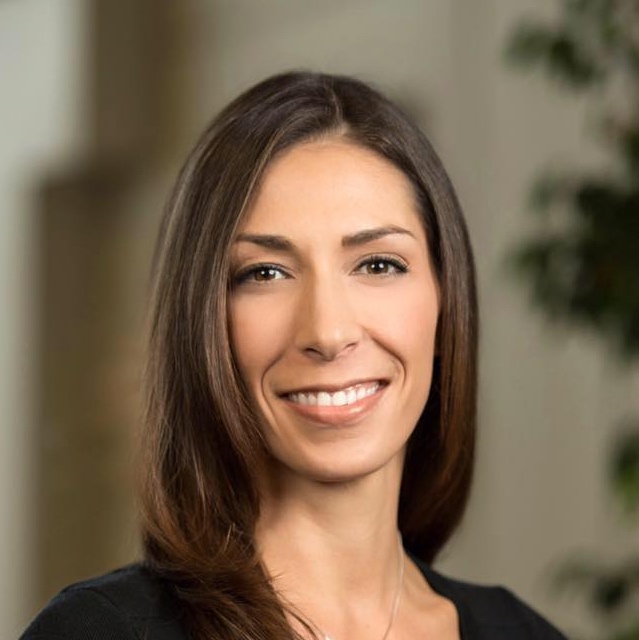
Dr. Onawa LaBelle
Associate Professor of Psychology
Dr. Onawa LaBelle is an Associate Professor of Psychology at the University of Windsor. She holds a PhD and MA in Psychology from the University of Michigan and a BA in Psychology from Smith College.
Dr. LaBelle’s research draws on positive psychology and recovery science to examine how social relationships, belonging, and supportive environments shape recovery from alcohol and substance use disorders. Her work focuses on social connection and well-being, pathways to sustained recovery, and the development of recovery-supportive systems in higher education.
In 2020, Dr. LaBelle founded Lancers Recover, one of Canada’s earliest collegiate recovery programs. Her work in collegiate recovery bridges research, practice, and institutional change, with a broader focus on improving how universities support students affected by substance use and addiction. Mentorship is also central to her work, and she works closely with students at multiple stages of training through research, experiential learning, and recovery-focused leadership opportunities.
Outside of work, she is most likely outdoors with her husband and children, tending to monarch butterflies, kayaking, or taking on yet another gardening project. Most recently, she has planted a small backyard orchard.
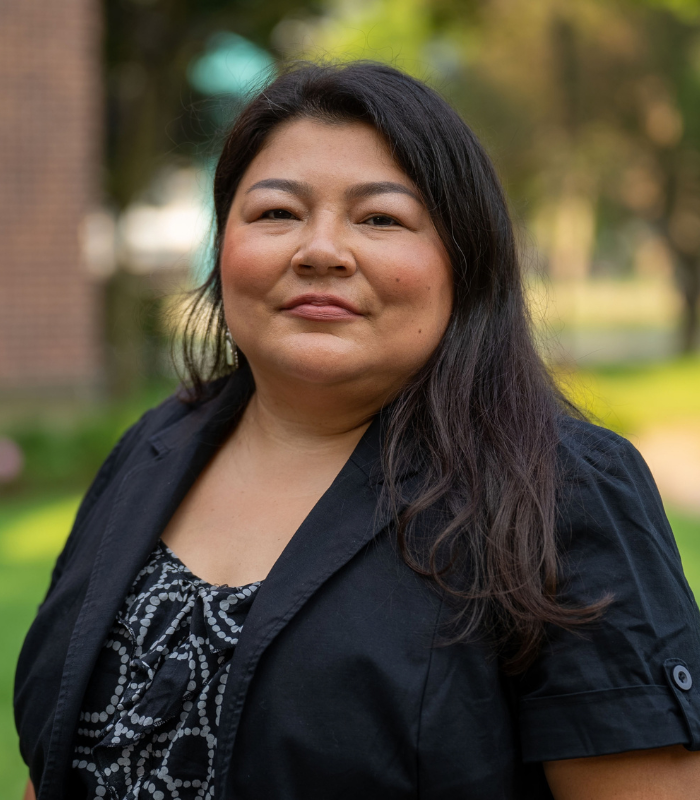
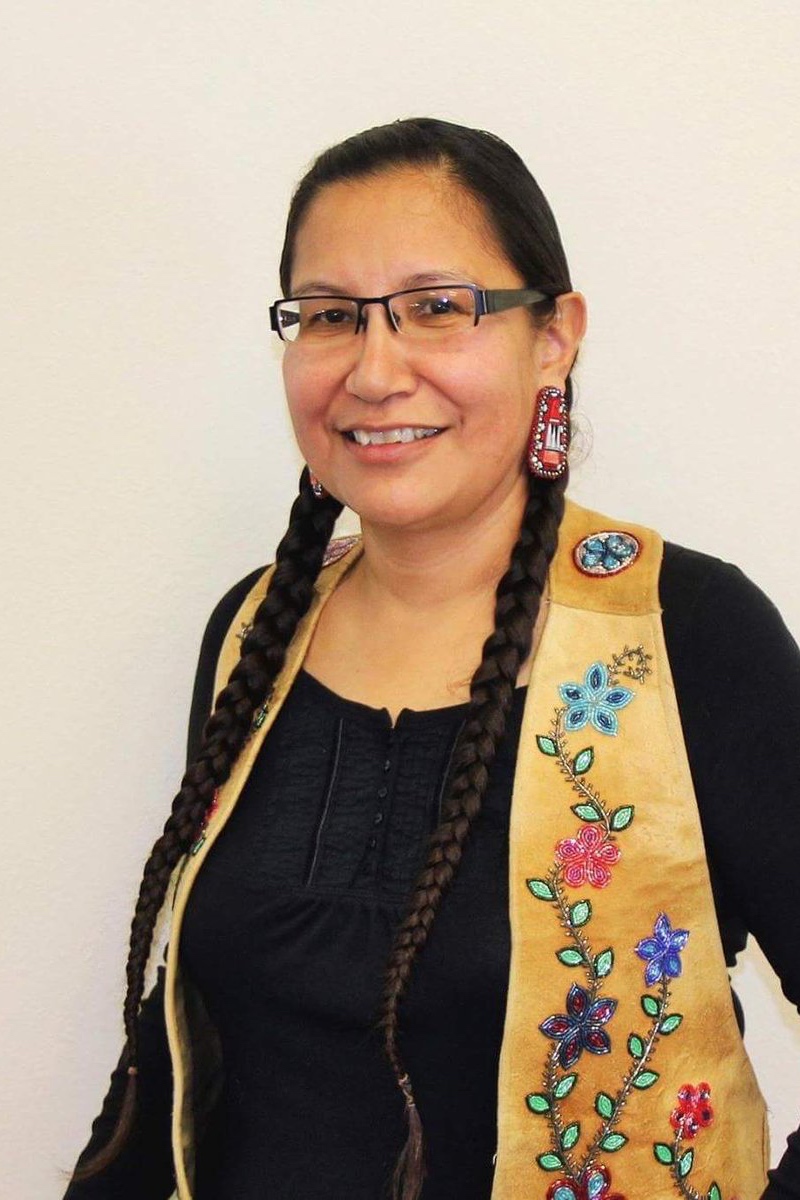
Sylvia McAdam
Assistant Professor, Windsor Law
Sylvia McAdam (Saysewahum) is from the Treaty 6 lands in what is now called “Canada.” She is a direct descendant of Treaty peoples and Original peoples of these lands. Sylvia is from the nēhīyaw Nation. She has her Juris Doctorate from the University of Saskatchewan and a Bachelor’s degree in Human Justice from the University of Regina. Sylvia is co-founder of a global grassroots Indigenous-led movement called “Idle No More.” Idle No More has changed the political and social landscape of Canada as well as reached the global community to defend and protect all lands, waters, and animals.
Sylvia is also co-founder of the “One House Many Nations” Campaign, which designs off-the-grid sustainable tiny-homes to address and raise awareness about the epidemic unacceptable proportions of homelessness in such a wealthy state as “Canada” especially amongst Indigenous/Original peoples.
Through the work of protecting land and water, Idle No More has been selected for several awards, namely: the Carole Gellar Human Rights Award, Foreign Policy Top 100 Global Thinkers 2013, Social Justice Award, and 2014 Global Citizen Award. Most recently, it was awarded the Margolese National Design for Living Prize.
Contact Sylvia McAdam

Dr. Sandra Muse Isaacs
Associate Professor of English & Creative Writing
Professor of Indigenous Literature Sandra Muse Isaacs is of Eastern Cherokee (Ani-tsisqua, Bird Clan) and Gaelic heritage (Clan MacRae).
An alumnus of the University of Windsor (BA, English; MA, English and Creative Writing), Dr. Muse Isaacs grew up on the west side of Detroit with 12 siblings. She remains deeply connected to the region and is honoured to live and work in the traditional territories of the Anishinaabe Peoples of the Three Fires Confederacy.
Dr. Muse Isaacs holds a PhD in English and Cultural Studies from McMaster University, where she was the first recipient and a four-time awardee of the Harvey Longboat Graduate Scholarship for First Nations, Inuit, and Métis students.
Muse Isaacs’ first book, Eastern Cherokee Stories: A Living Oral Tradition and Its Cultural Continuance was released in 2019 and won the 2020 Thomas Wolfe Memorial Literary Award from the Western North Carolina Historical Association, out of a field of 40+ books. Published through the University of Oklahoma Press in their “Cherokee Studies” line, the work documents and examines Eastern Cherokee Oral Tradition as both an ancient and contemporary literary form with emphasis on cultural survivance, nationhood, Indigenous resistance, and tribal sovereignty, along with its modern usage in land reclamation, cultural regeneration, and language revitalization amongst a highly literate and technical Native American tribe in the southern Appalachian Mountains.
Dr. Muse Isaacs’s research encompasses Indigenous Literature and critical theory, Indigenous oral storytelling, Orality theory, Oral Histories, Creative Writing, and Postcolonialism. She notes that most modern Indigenous literature is based on ancient oral stories foundational to more than 500 nations/tribes throughout Turtle Island (North America). Her most recent research examines the parallels between Indigenous oral traditions and their Earth-connected teachings. She is now working with Australian colleagues and Indigenous writers/storytellers through University of Melbourne’s Literary Education Lab in a wide-reaching project called Climate Literacies: transdisciplinary approaches to literature for justice-oriented futures. The three-year project will examine how literature, and in particular works by women and Indigenous writers/storytellers of Australia and Turtle Island may facilitate high school students’ understanding of climate change - an issue of major concern to young people globally.
Her courses, under the FAHSS Minor in Indigenous Studies, focus on Indigenous women writers, Earth Connections, Indigenous Film & Literature, Humor as Healing, an Intro to Indigenous Literature, Stories of the Anishnaabe, and others.
She previously taught Indigenous Literature at Saint Mary’s University in Mi’kmaq’i (homelands of the Mi’kmaq people), McMaster, and Laurier-Brant (both Haudenosaunee territory). She has also taught Native journalism courses at Western University (Anishinaabe, Leni-Lunaape, and Haudenosaunee lands).
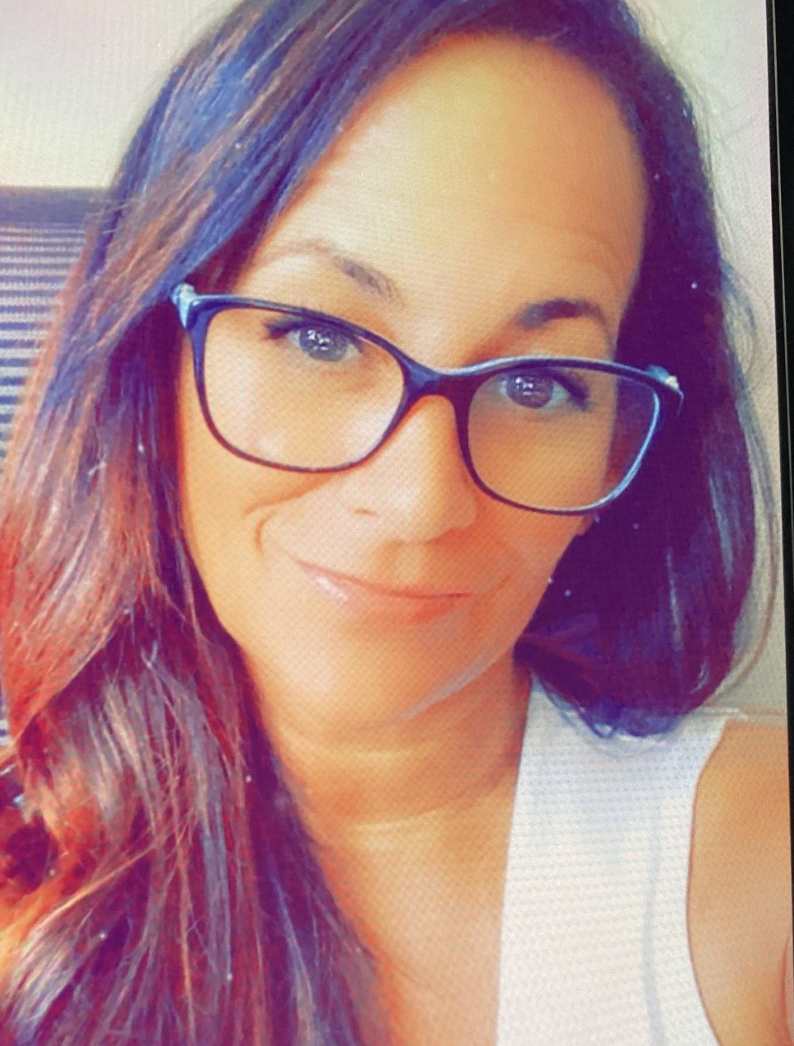
Nicole Scott
Field Learning Specialist
Nicole Scott, BSW, MSW, RSW has been appointed to the Field Learning Specialist in the School of Social Work, University of Windsor. Nicole’s responsibilities include negotiation of field placements, referral of undergraduate and graduate students to field sites, confirmation of placements, site visits and monitoring of students’ performance in the field.
Nicole Scott has over ten years of clinical social work experience working in a hospital setting. She has held multiple roles within a clinical setting, discharge planning, bariatric/medical weight clinic, mental health, geriatric mental health and addictions. Nicole has had a hand in program development and program evaluation and was part of the Ontario Bariatric Network mental health task force.
Nicole Scott has been employed by the University of Windsor School of Social Work since 2014, as a sessional instructor she has taught several undergraduate courses. Nicole has held the role of the offsite field education instructor for both the undergraduate and graduate level programs for the past three consecutive years. Nicole, provided weekly supervision, monitor students’ performance, support, and advise. Nicole assisted students to develop individual learning strategies through the development of their learning agreements and encourage self-reflection, positive self-care and completing their midterm and final evaluations.
Nicole Scott has been appointment as a member of the following committees:
The University of Windsor's Anti-Black Racism Task Force
The Working Group: Black Scholars Hiring Initiative at UWindsor
The Employee Mental Health Strategy Working Group at UWindsor
The Employee Mental Health Leadership Development Workshop Facilitation
The University of Windsor Black Alumni Planning Committee
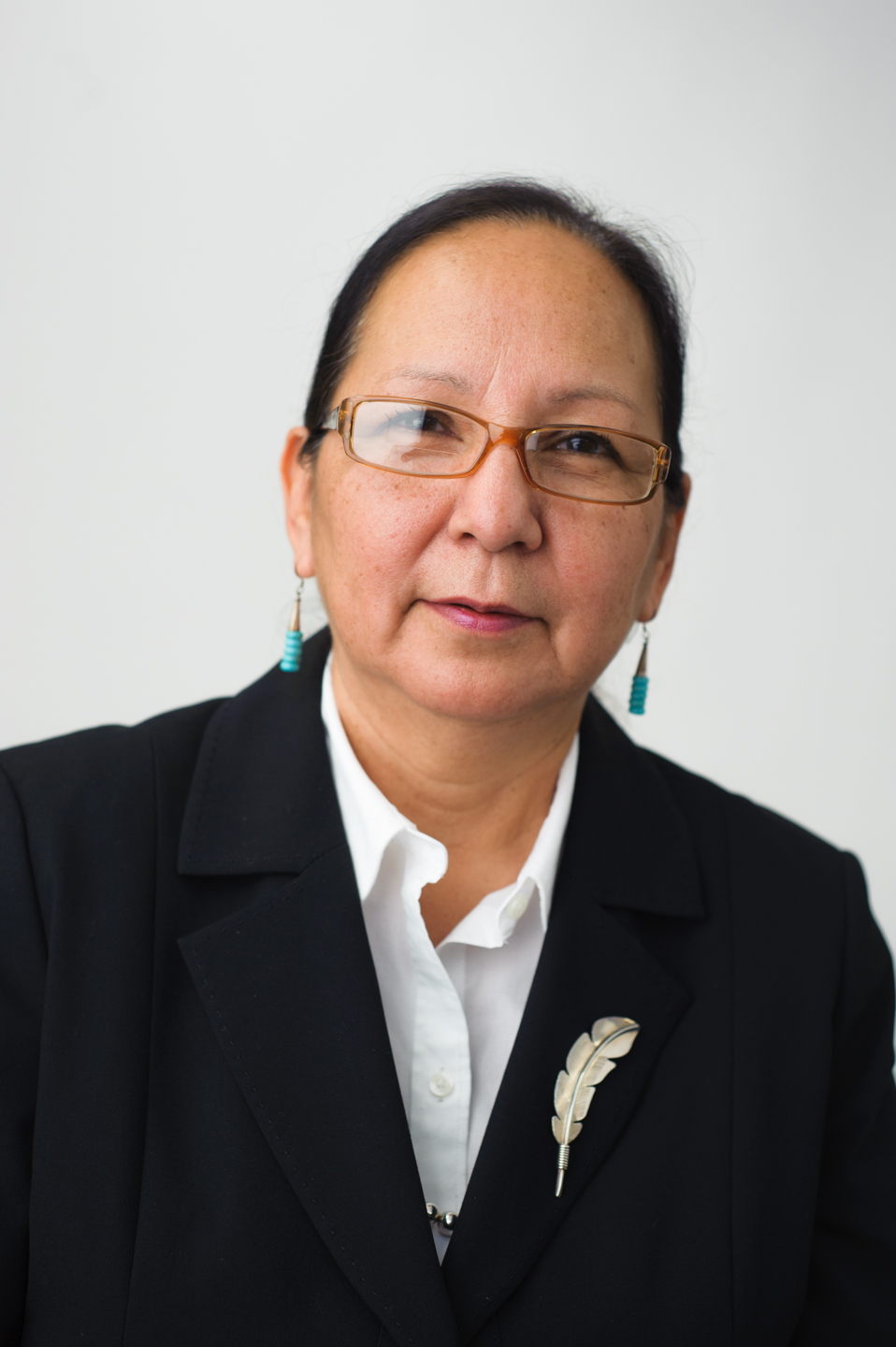
Dr. Valarie Waboose (LLB, LLM, PhD)
Associate Professor, Windsor Law
Director of the Indigenous Legal Orders Institute, Windsor Law
Valarie Waboose is an Associate Professor at Windsor Law. Her areas of specialization include Indigenous legal traditions, the legacy of residential schools, and the ways in which First Nations within Canada reconcile with their past.
Dr. Waboose is a member of the Three Fires Midewiwin Society and is interested in conducting research and expanding knowledge in the areas of Anishinabe Indigenous knowledge and Indigenous research methodologies. Her Indigenous knowledge is interwoven with the pedagogical methodologies she utilizes within the classroom setting. As an Anishinabe Kwe, she believes in sharing her knowledge with non-Indigenous students so that they can better serve their clients when they enter the legal profession. Her research interests also include the uncovering of the mass graves and unmarked burials of Indigenous children found at Residential Schools across Canada.
Dr. Waboose graduated from Windsor Law in 1993 and was called to the Ontario Bar in 1995. She completed an LLM in Alternative Dispute Resolution at Osgoode Hall Law School in 1999.
From 1996 to 2002, Dr. Waboose worked as In-House Legal Counsel to the Walpole Island First Nation (Bkejwanong Territory). In 2002, she moved to Cambridge, Massachusetts to attend the Program on Negotiation. Upon returning home, she established a consultation business specializing in policy development, strategic planning, program planning and evaluation, pre-employment training, and life skills coaching.
In 2016, Dr. Waboose completed a PhD in Indigenous Studies at Trent University. She joined Windsor Law in July of that year. Dr. Waboose is delighted to be working at the law school from which she graduated and hopes to see many Indigenous students pass through the doors of Windsor Law while she is here.
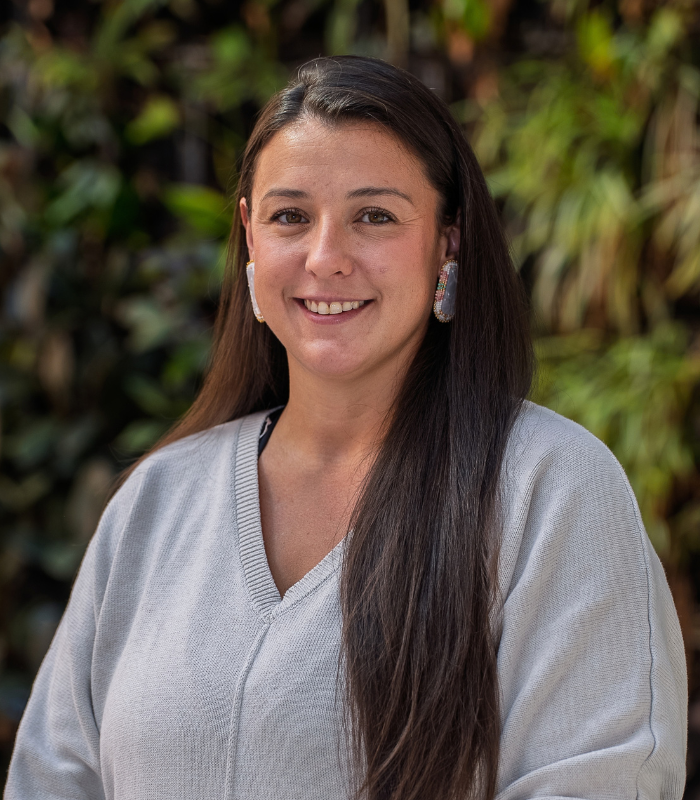
Sara Williams (RN, MN, PhD)
Ancillary Academic Staff - Indigenization Learning Specialist
Sara Williams is an Anishinaabe Kwe from the Aamjiwnaang First Nation. She currently serves as a sessional instructor at the University of Windsor and holds the position of Indigenous Curriculum and Pedagogy Advisor for the Faculty of Nursing. A proud double alumna of the University of Windsor, she has recently embarked on her PhD journey. With over a decade of experience in Indigenous Health, Sara's recent projects have focused on significant initiatives, such as adapting the Kairos Blanket Exercise to emphasize health care, establishing the first off-reserve COVID vaccination clinic that received Federal recognition, and developing an exclusive Indigenous Health course for the Faculty of Nursing, which she currently teaches.