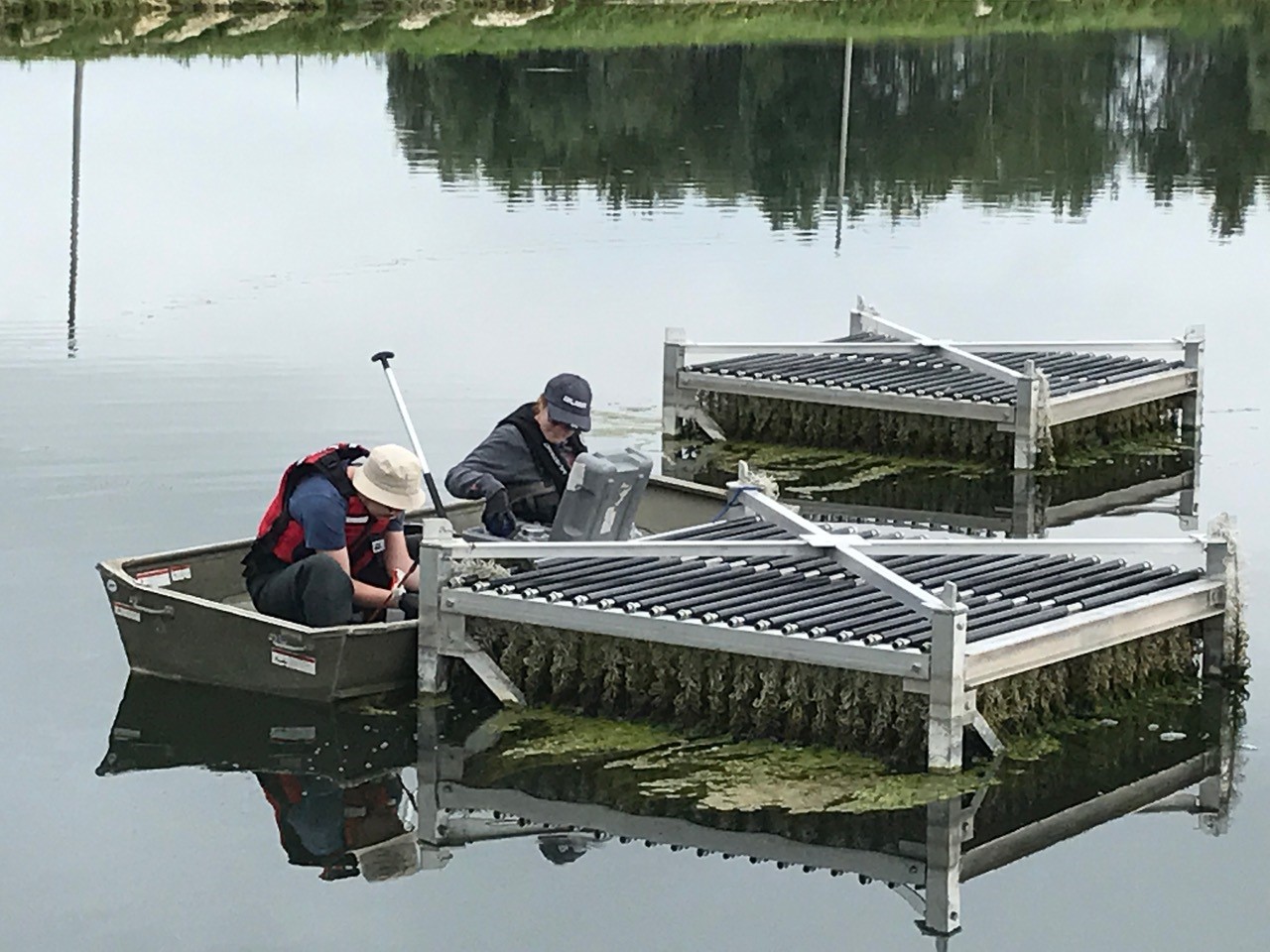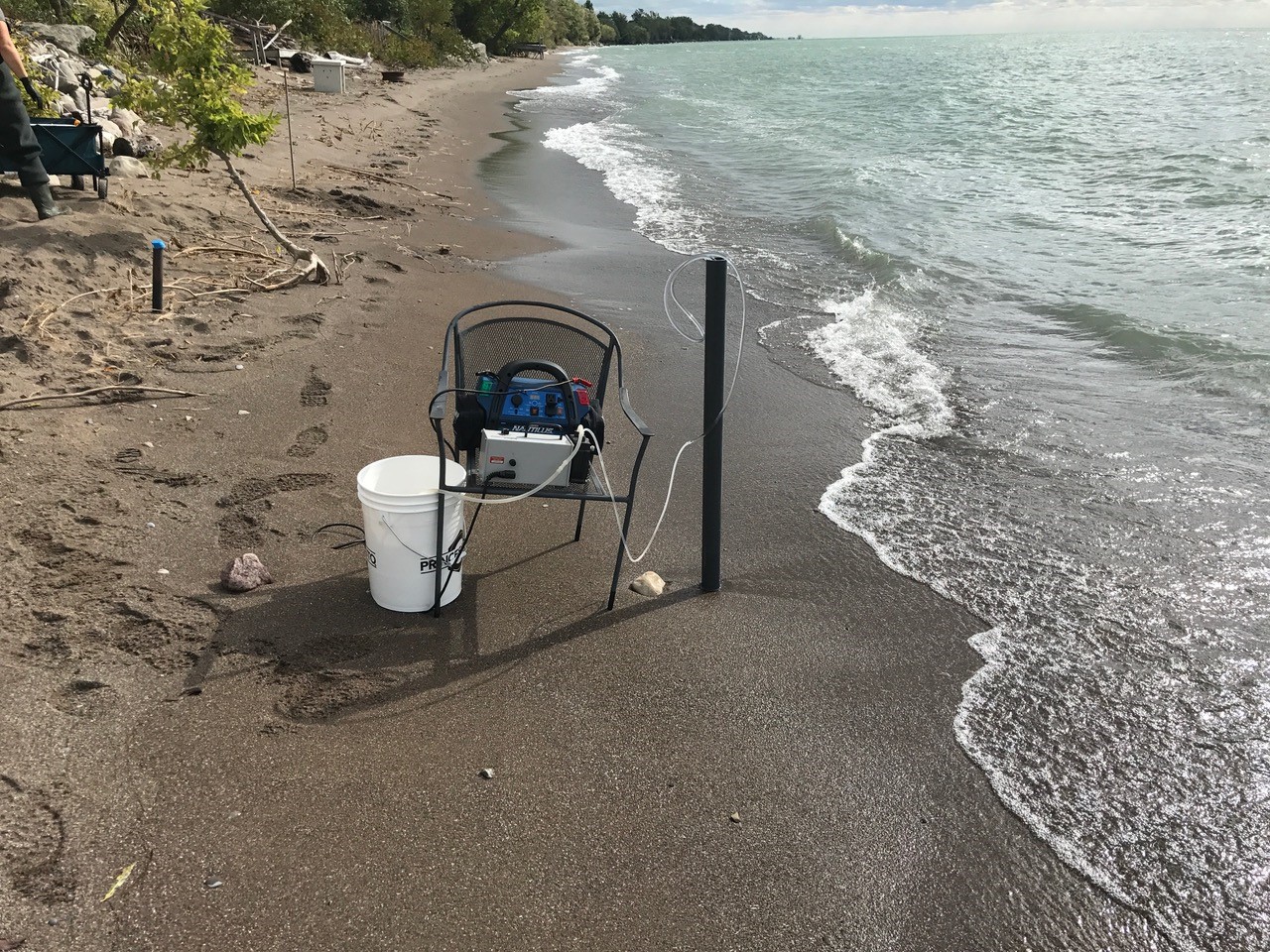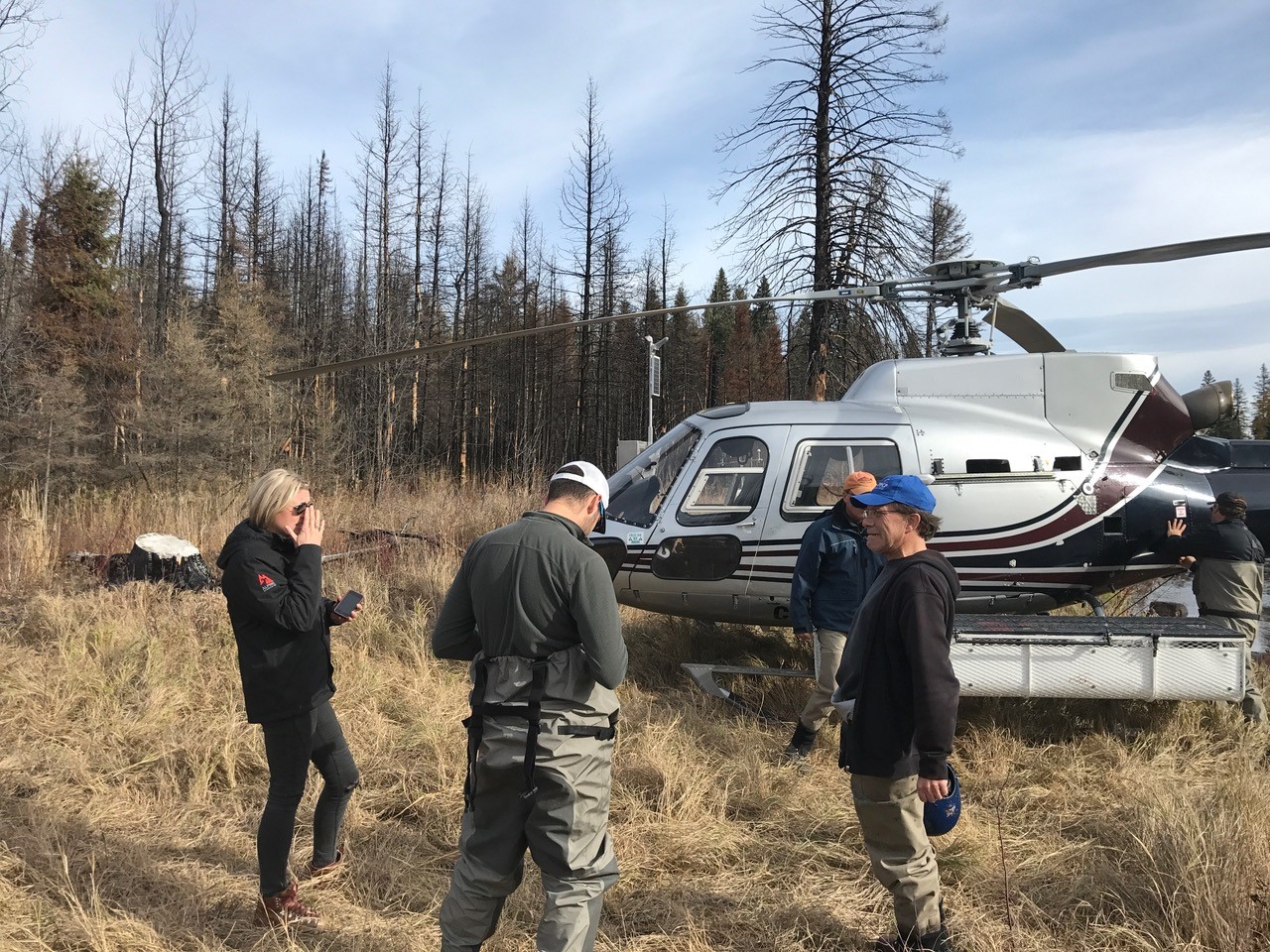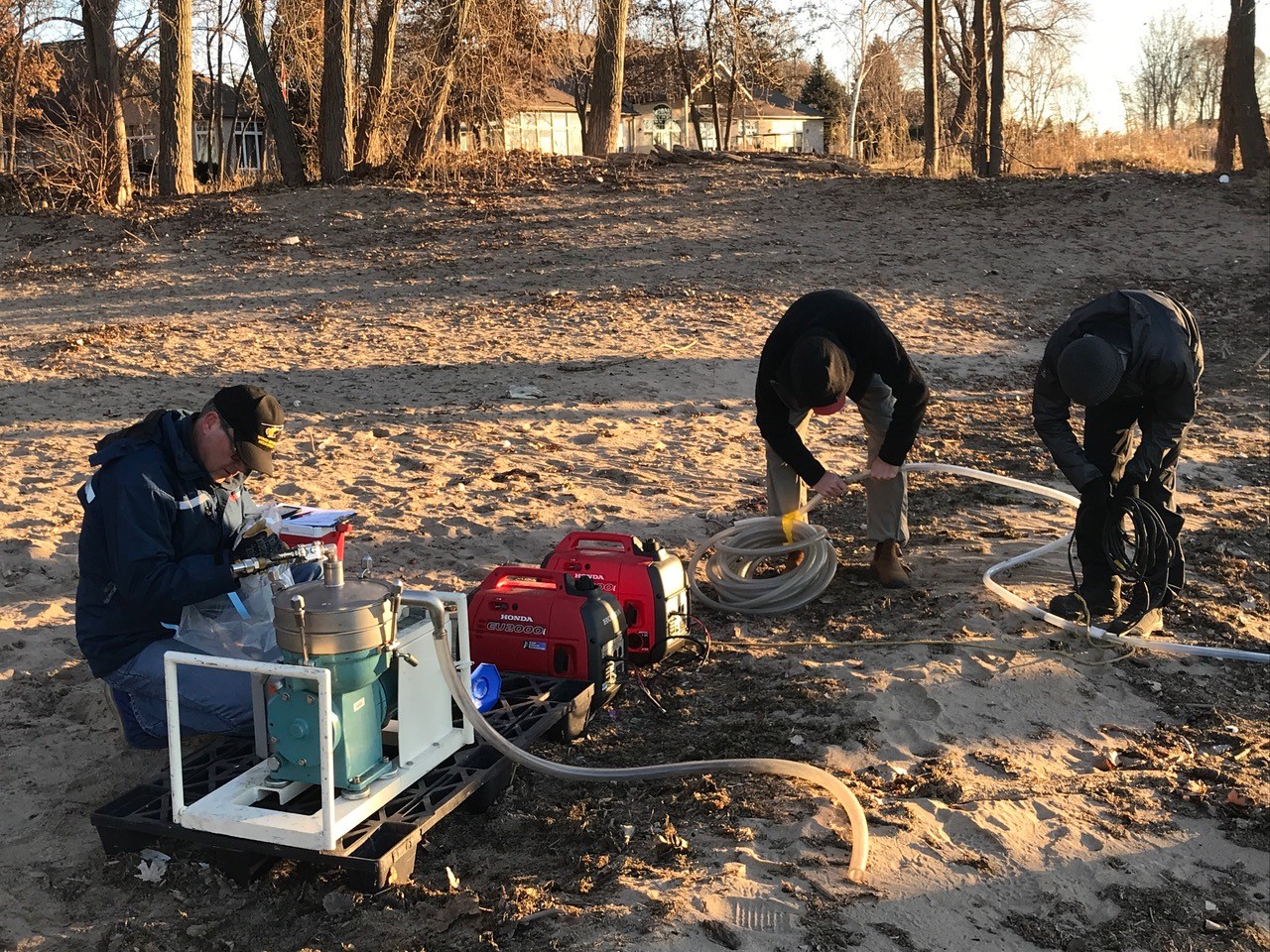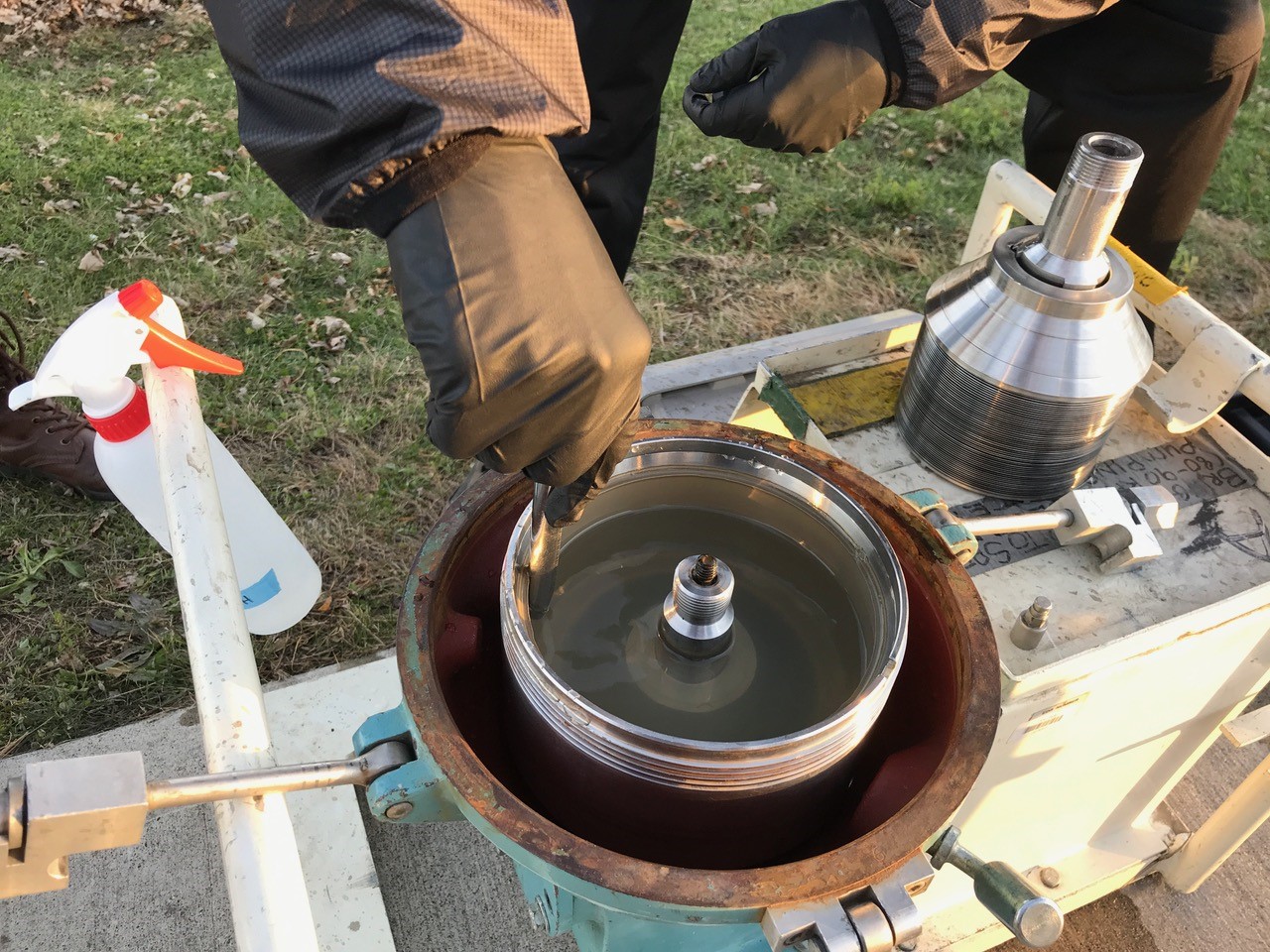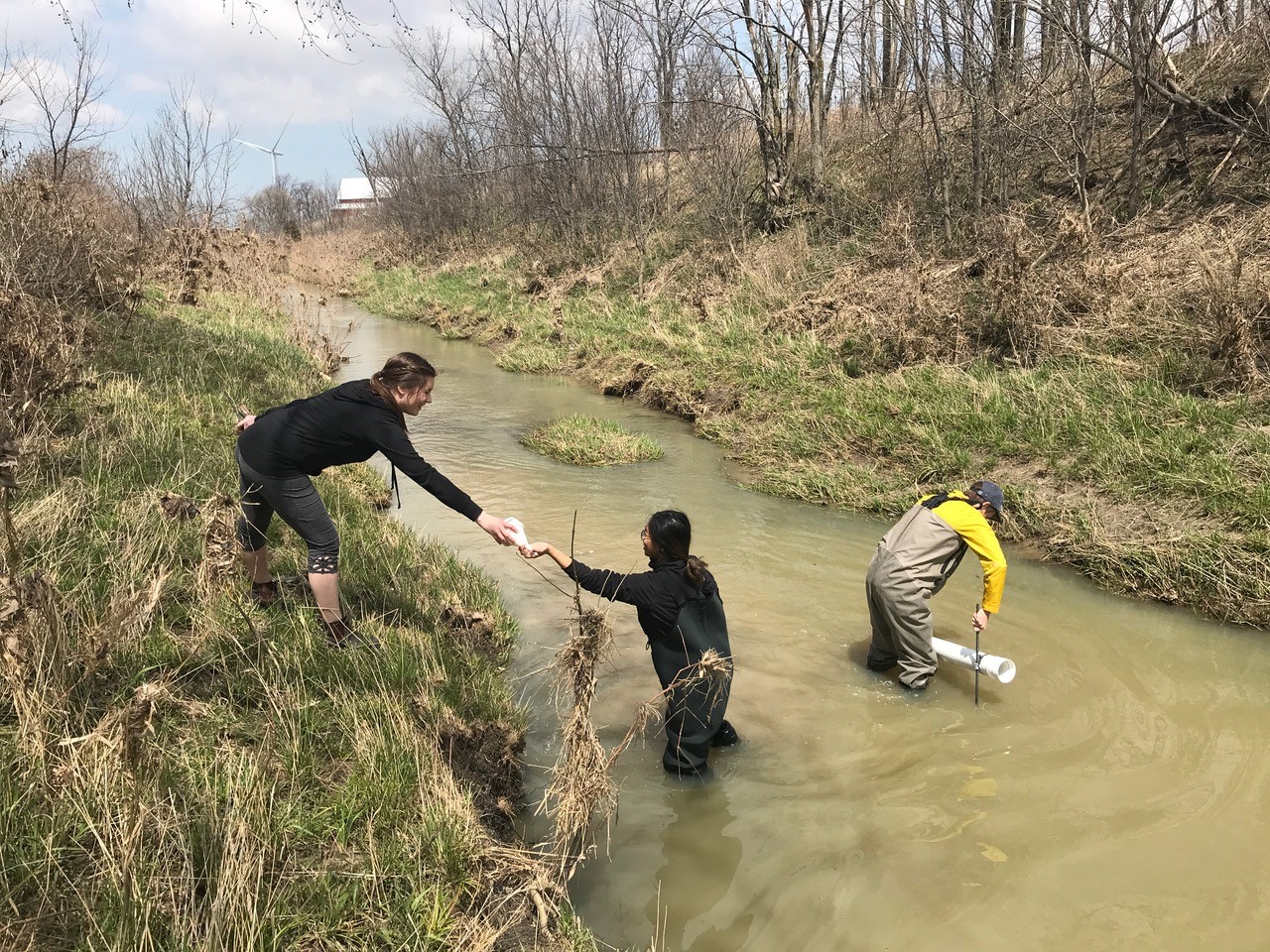
Dr. Christopher Weisener and his team are working to address concerns regarding water and sediment quality:
Emphasis is often placed on monitoring nutrient and pathogen sources and concentrations in water. However, the risks associated with nutrients and perhaps pathogen mobilization from long-term sequestration in sediment reservoirs are not well understood in lakes, wetlands, and engineered systems (e.g. retention ponds, sewage lagoons, constructed wetlands, drainage ditches). These sediment-nutrient-pathogen-contaminant dynamics can significantly impact internal nutrient and pathogen loading in shallow eutrophic systems and can cause delayed recovery after external loads have been abated. Nutrient cycling for example in sediment compartments is driven largely by microbial processes, either directly by conversion of bound-nutrients to more bioavailable forms or indirectly by regulating the physical/chemical conditions that control nutrient speciation and solubility. Classic approaches to measuring nutrient flux from sediments often overlook the dynamic and complex set of microbial pathways involved in regulating sediment nutrient retention capacity. Our group is actively engaged in research that improves our understanding of causal biochemical contributions to improving our understanding of sediment and water quality baselines and improvements.
In these cases, biogeochemical sediment compartments will determine the direction and onset of specific metabolic pathways as defined by their favorable thermodynamic outcome, an issue for most bioremediators (i.e. microorganisms) for the establishment and improvement of healthy wetlands. Also, the degree of chemical alteration (toxicity or degradation products) can be directly linked to the proportion of their biological activity, this is especially interesting when we consider emerging contaminant issues. Such information provides new insights for evaluating the health/potential risk of sediment-nutrient-chemical release leading to internal loads, which are current major concerns for Lake Erie watershed and an anticipated major stress vector in other Canadian and global watersheds related to climate change.