
 Kevin Shea's remarkable career saw his hands on the vinyl of hit records to the silver of the Stanley Cup. (SUBMITTED BY KEVIN SHEA/University of Windsor)
By John-Paul Bonadonna
Kevin Shea (BA ’77) arrived at the University of Windsor’s communication studies program without a defined destination in mind.
What he carried instead was a deep curiosity about music, radio and storytelling, along with an instinct to follow opportunity wherever it appeared.
Over the decades that followed, his education and personal drive carried him from UWindsor classrooms to some of Canada’s most influential radio stations, record labels and cultural institutions, placing him at the heart of transformative periods across broadcasting, music and sport.
“I certainly couldn’t have imagined my career turning out the way it did,” Shea said.
“It’s the embodiment of a little boy’s dream, but none of it was ever part of some master plan. All of these different parts just sort of led to each other.”
As a high school student in Windsor, Shea excelled academically but felt uncertain about his long-term direction. After skipping a grade, post-secondary plans needed to be sorted a year early, and traditional professional paths didn’t resonate.
A turning point came when Shea was encouraged by educators and mentors, including CKWW’s Cam Gardiner, to consider how his love of music, writing and sports might converge.
“Why don’t you marry all of your interests?” he recalls being asked. “You like hockey. You like writing. You like radio. Why not consider communications?”
At the University of Windsor, Shea found a program that combined theoretical grounding with hands-on exposure to broadcasting. Courses introduced him to radio and television production, media writing and the regulatory frameworks governing the Canadian sector.
“The communication studies department was outstanding,” he said.
“I learned about the business side of things — the CRTC, public policy and how the industry actually works.”
Even areas he did not pursue directly, such as television production, contributed to his adaptability later in his career.
“You don’t always realize it at the time,” he said, “but that knowledge stays with you.”
Shea’s university years were also defined by an unusually early immersion into professional broadcasting.
“All throughout university, I was basically working full-time hours at CKWW,” he said.
“I was in the music library, the production department, operating talk shows — everything.”
After graduating, Shea discovered that experience alone did not guarantee immediate opportunity. With no full-time opening available in Windsor, he began sending résumés across Ontario.
His first full-time break came in North Bay, where he accepted a position that demanded rapid adaptation in a smaller market with limited resources.
“It was so different,” Shea said.
“You learned very quickly how to do everything yourself. That place taught me resilience.”
From North Bay, Shea’s career progressed steadily, eventually bringing him back to Windsor and into one of Canadian radio’s most storied institutions: CKLW.
Known as The Big 8 (AM 800), the station dominated the Detroit market with its powerful signal and Top 40 rock format.
“My dream was always to work at CKLW,” he said.
“Just being in that building, being part of that atmosphere — it was huge.”
Shea worked in production and supported major on-air talent, including Dick Purtan and Tom Ryan, during a peak era for the station. The pace was relentless, and the learning constant.
“You weren’t just sitting around waiting for a song to end,” he said.
“You were taping calls, editing by splicing tape. It was intense, but it was wonderful.”
That momentum carried Shea to Montreal, where he joined CKGM, a major-market Top 40 station with national and international influence. There, he served as production manager and music director, while also returning to the microphone as an on-air personality.
“Being in a bigger market was exactly as you’d imagine,” Shea said.
“Big ratings, big energy and big responsibility.”
The station became a gateway to the wider music industry, putting Shea in direct contact with artists whose work defined the era. Those encounters included artists such as Hall & Oates, Foreigner and George Harrison.
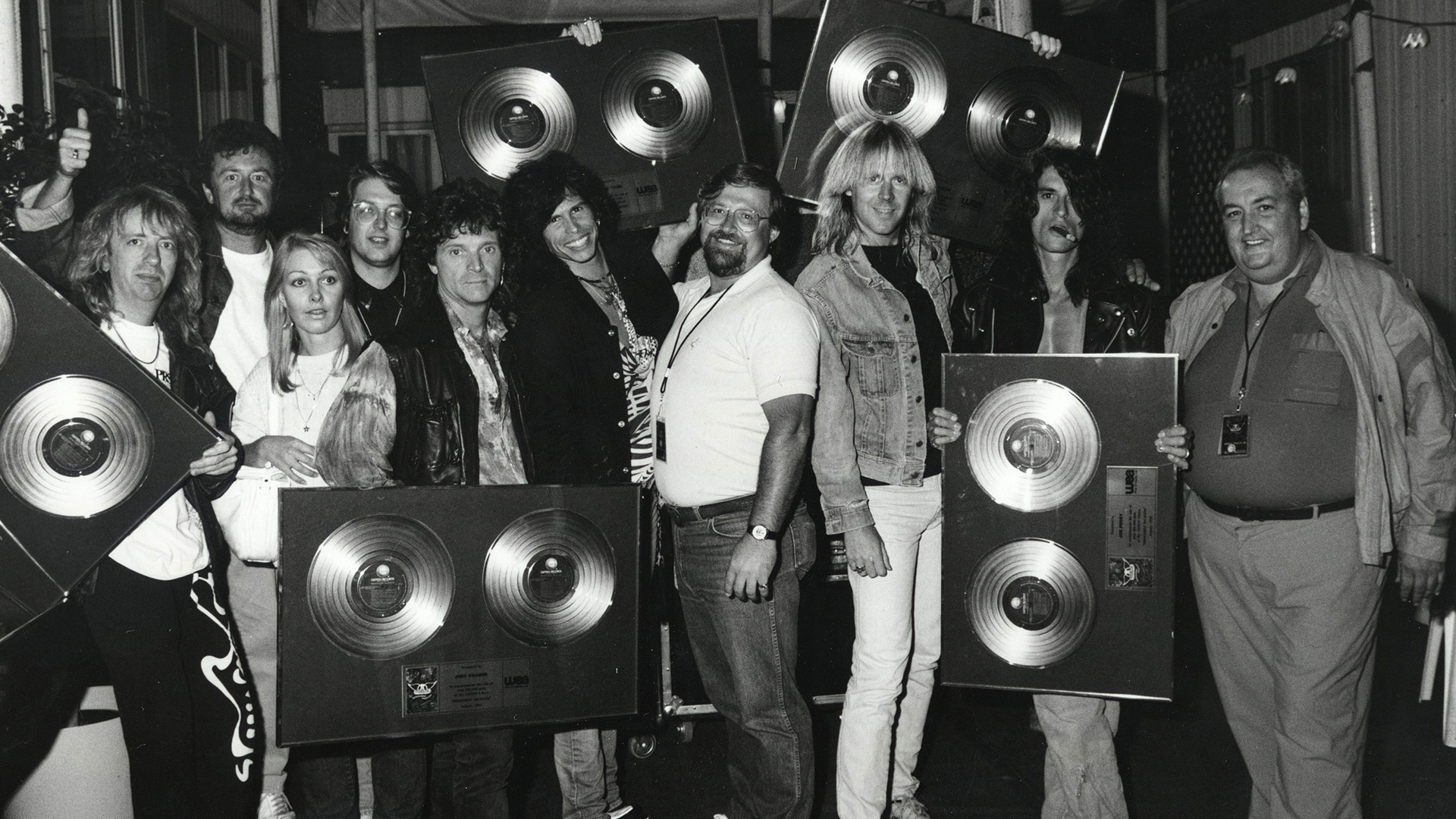
“You realize very quickly that they’re just people,” he said. “But there’s still an aura. It’s definitely a thrill to have your heroes walk through the door and shake your hand.”
That proximity to artists informed the next major shift in Shea’s career — moving from radio into the recording industry.
Recruited by RCA Records, he became Ontario promotions representative, transitioning from selecting music for airplay to advocating for artists and their releases.
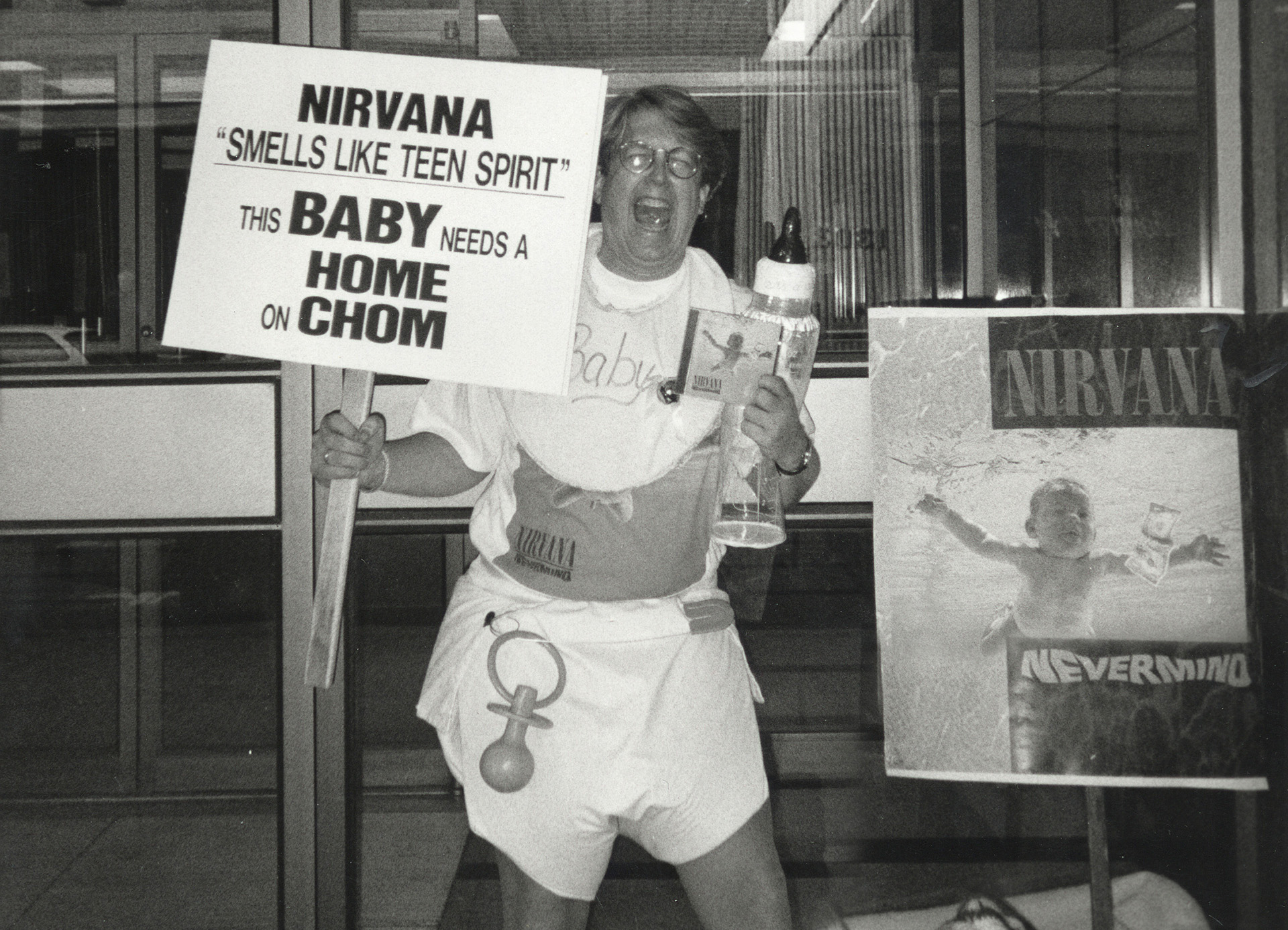
In the role, Shea worked closely with both emerging and established talent, witnessing careers unfold in real time.
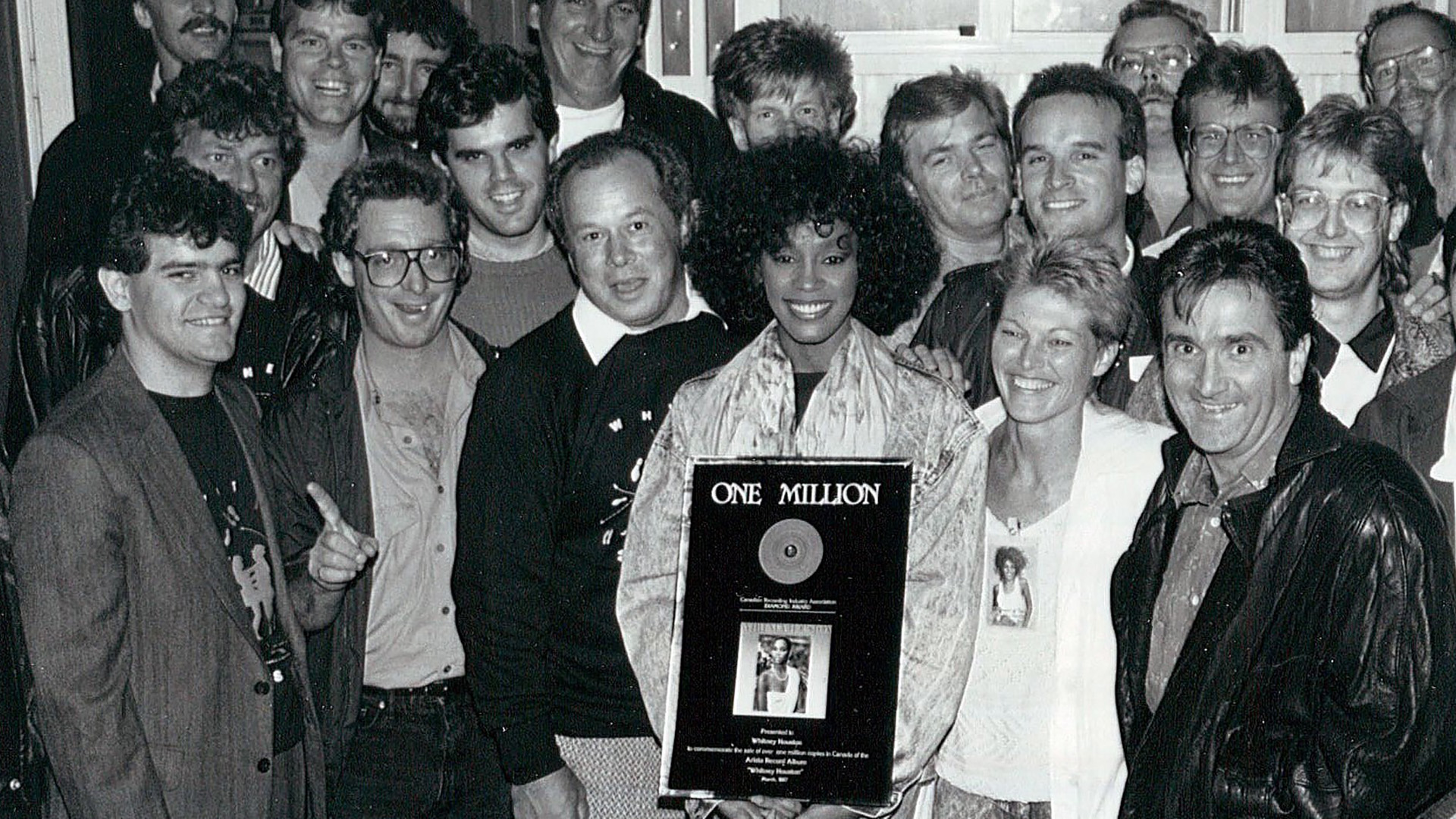
“I watched Whitney Houston go from this shy teenage girl with incredible talent to the superstar she became,” he said.
“Seeing that stardom emerge — that’s the magic of the industry.”
After years at the centre of Canadian broadcasting and the music industry, Shea embarked on a new and deeply meaningful chapter of his career — one that shifted his focus from airwaves and artists to advocacy, storytelling and impact.
He joined the Princess Margaret Cancer Foundation, one of Canada’s leading cancer research and treatment fundraising organizations, bringing with him decades of experience in communications, promotions and relationship-building. The transition marked a departure from entertainment-driven work, but not from purpose.
“It was still about connecting people to a story,” Shea said. “But now the story really mattered.”
At Princess Margaret, Shea helped shape fundraising and awareness initiatives, translating complex medical research into messages that resonated with the public and donors alike.
His background in media proved invaluable. Years spent understanding audiences, crafting narratives and building trust allowed him to approach health-care fundraising with sensitivity and clarity.
“You learn very quickly that authenticity is everything,” he said.
“People don’t respond to hype — they respond to honesty.”
The work also brought perspective.
Immersed in an environment driven by research, care and resilience, Shea found his understanding of impact reshaped.
“You’re surrounded by people doing extraordinary work every day,” he said.
“It changes how you measure success.”
That focus on meaningful storytelling continued with Shea’s later role at the Hockey Hall of Fame, where his professional and personal passions converged.
A lifelong hockey enthusiast — and the author of 22 books — Shea joined an institution dedicated not only to preserving the sport’s history, but to celebrating its cultural significance.

“Hockey is more than a sport in this country,” he said.
“It’s identity, memory and community.”
His ability to translate history into engaging narratives helped bridge generations of fans, from lifelong followers to newcomers discovering the game’s past for the first time.
For Shea, both roles represented a natural evolution and reinforced lessons first learned at the University of Windsor: the power of communication, the responsibility that comes with it and the importance of using those skills where they can make a difference.
“Windsor taught me how to think and how to adapt,” Shea said.
“Those skills followed me everywhere — even into places I never imagined I’d work.
For current students and alumni, Shea’s journey offers a clear message: careers are rarely predictable, but a strong foundation makes all the difference.
“The University of Windsor put me on my path,” he said.
“It gave me the tools, the confidence and the flexibility to say yes when opportunities came along.”
And for Kevin Shea, it all traces back to Windsor — where curiosity met opportunity and a future first began to take shape.