
 Dr. Aaron Fisk deploys a buoy. (KATELYNN JOHNSON/University of Windsor)
By Sara Elliott
Scientific data lies at the heart of understanding Great Lakes water quality.
Accessing that data — collected from regular monitoring of freshwater resources — is essential for protecting environmental and public health.
On Feb. 12, experts will visit the University of Windsor to help ensure that water monitoring information is not lost in translation.
The Great Lakes Institute for Environmental Research (GLIER) is hosting a free public talk titled Demystifying the Data: Diving into Great Lakes Water Quality Platforms.
The event is open to anyone interested in learning how innovative, community-driven solutions are making Great Lakes data more open and accessible to the public, while also discovering new ways to get involved.
Speakers from Canadian community science organizations such as DataStream, Water Rangers and the Great Lakes Observing System (GLOS) will spend the evening shedding light on how open-access community science platforms are transforming science and public engagement across the Great Lakes.
The evening offers a unique opportunity to hear directly from practitioners who are shaping how water quality data is collected, managed and shared. Students will also have the opportunity to understand what environmental science careers look like beyond the classroom through conversations with national leaders.
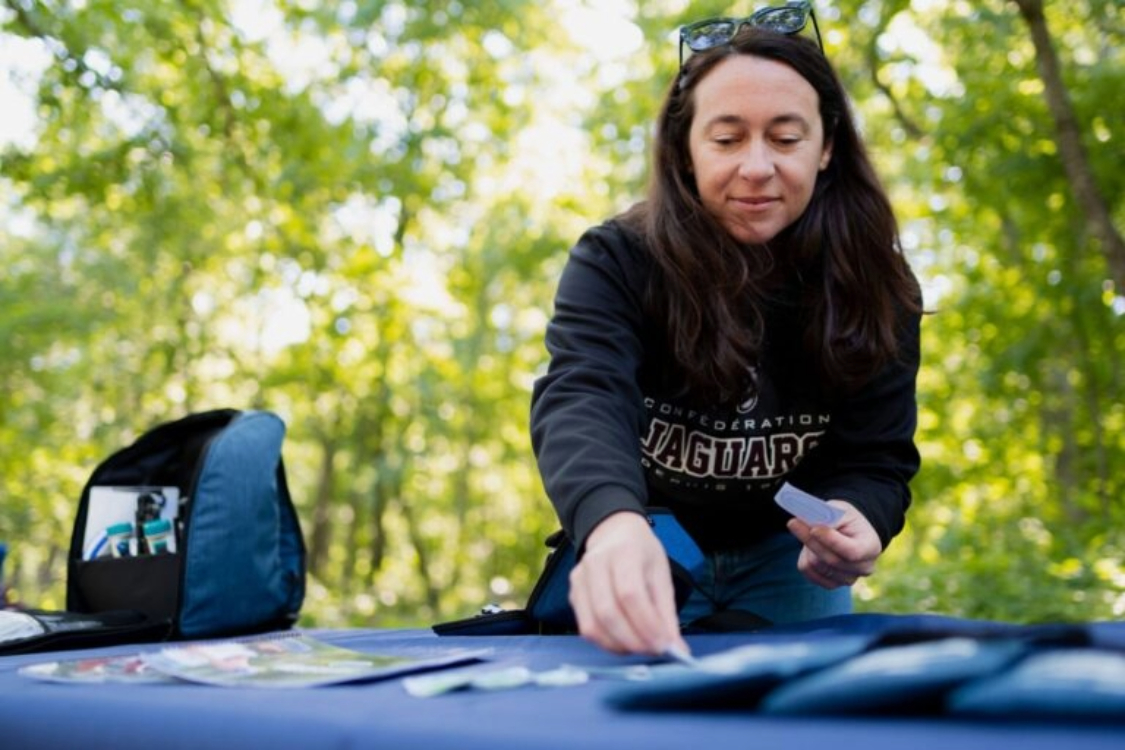
Speaker Gabrielle Parent-Doliner from Water Rangers won Water Steward of the Year in 2025. (Photo courtesy of Water Canada Awards - watersummit.ca/ University of Windsor)
The four speakers include:
- Meghan McLeod, DataStream – an overview of DataStream, an open-access platform for sharing water quality data.
- Gabrielle Parent-Doliner and Kiersten Garside, Water Rangers – a look at how Lake Erie Rangers’ community-based water monitoring data is collected, validated, and used to inform action and decision-making.
- Dr. Aaron Fisk, professor and Tier 1 Canada Research Chair, vice-chair of the board of directors, GLOS – an introduction to GLOS’ user-friendly Seagull platform, a powerful and accessible gateway to real-time data, connecting users to live data streams, including from the Real-Time Aquatic Ecosystem Observation Network (RAEON)’s offshore buoy network.
The event takes place Thursday, Feb. 12 from 6 until 8 p.m. at GLIER, 2990 Riverside Dr. W. The talks are supported by the Canada Water Agency’s Great Lakes Freshwater Ecosystem Initiative. Register on Eventbrite.