
 School of Social Work Director Dr. Wayne Ambrose-Miller at the University of Windsor's downtown campus in Windsor, Ont. on Tuesday, Nov. 26, 2024. (MICHAEL WILKINS/ University of Windsor)
By Lindsay Charlton
From hospitals and schools to community agencies and government, social workers help people navigate some of life's most difficult challenges.
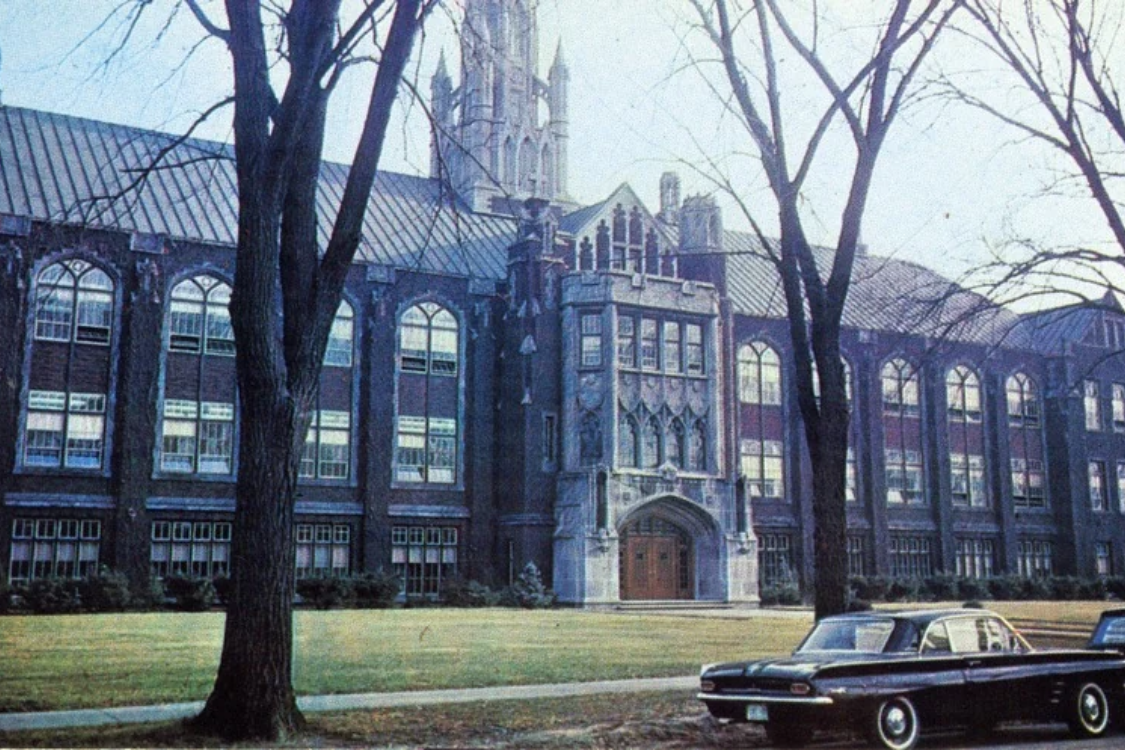
For 60 years, the University of Windsor has prepared graduates to take on those roles, helping shape the profession and strengthen communities.
The University of Windsor's School of Social Work is marking the milestone by reflecting on six decades of preparing professionals to support individuals and communities through direct practice, advocacy and research.
“It’s pretty amazing that we’re this far,” says Dr. Wayne Ambrose-Miller, director of the School of Social Work.
“I think we’re a school that has a bigger footprint than we give ourselves credit for. We’ve done amazing things since the inception of the BSW program 60 years ago.”
A study identifying a growing need for professional social workers helped lay the groundwork for the program's establishment.
In response, Canada's first undergraduate social work program was established at the University of Windsor under the leadership of Father Norbert Ruth, then Dean of Arts and Sciences.
The first classes began in September 1966.
In 1967, the original program was replaced by a four-year honours degree.
Over the following decades, the department evolved into a school, expanding its offerings to include combined degrees in social work and women's and gender studies or disability studies, as well as master's and doctoral programs.
Ambrose-Miller joined the school approximately 12 years ago as an instructor in the Master of Social Work for Working Professionals program. He later served as field coordinator and professor before becoming director in 2024.
The school has maintained its core programs over the past decade while placing increasing emphasis on social justice, equity and inclusion, Ambrose-Miller says. It has also expanded its reach through online learning opportunities such as the MSW for Working Professionals.
“We have a very research-focused faculty,” Ambrose-Miller says.
“There’s also been more focus recently in terms of looking at issues of anti-Black racism, anti-Muslim racism, looking at Indigenous ways of knowing and we're hoping this year is the year we have an Indigenous scholar.”
He also highlights the school's emphasis on building relationships across the Windsor-Essex community.
“A lot of our researchers do some very interesting work with community partners, and we’d like to grow our partnerships with those folks,” Ambrose-Miller says. “They not only help us with our research, but they also support our students in field placements.”
Each year, up to 400 students in the school's bachelor's and master's programs gain practical experience through field placements with community organizations.
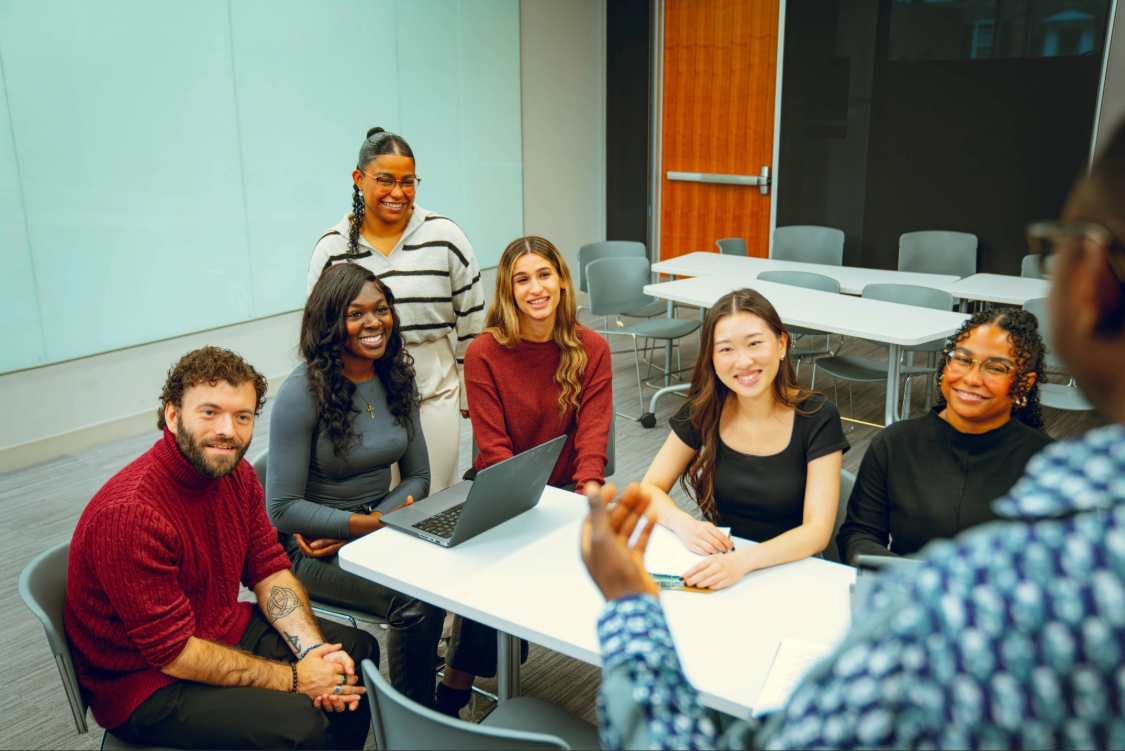
“It’s a practical degree — while you’re certainly learning from academics about theory, we also encourage students to expand their ways of knowing and doing things — basically from day one, you're learning what it means to be a social worker,” he says.
Before entering academia, Ambrose-Miller spent decades working in social work, primarily in health care. He says the profession has expanded considerably, with social workers now contributing in an increasingly diverse range of settings.
“In the past we could probably count on two hands how many kinds of places social workers would work in. But right now, it’s blown up in terms of community agencies, employee assistance programs (EAP), psychotherapy,” he says.
“We’re in more places than people give us credit for. Social workers are doing a huge amount of that as well as working in policy, government, education, hospitals and correctional facilities — you name it, there’s probably a social worker there.”
With social workers contributing across an expanding range of sectors, Ambrose-Miller sees continued opportunities for graduates to make a difference.
“I’ve worked many jobs over my years, and not because I had to, but because there were so many opportunities,” he says.
“If you’re interested in helping people, seeing how social issues impact marginalized populations and impact the people around you, this is a fantastic practical program to come into. It can open incredible doors.”