
What makes a lake turn toxic? UWindsor is part of a global team trying to find out
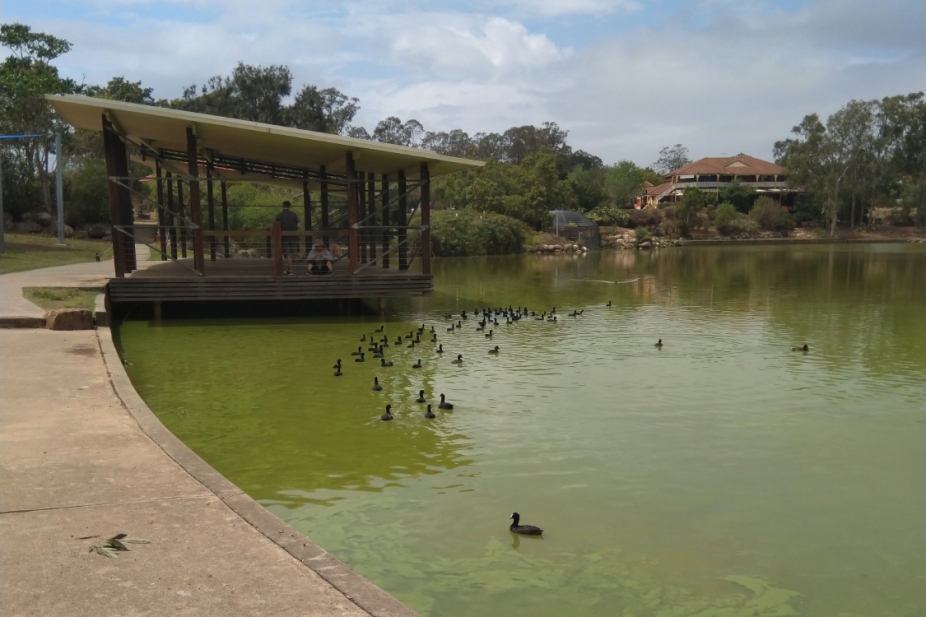 University of Windsor researchers have partnered with global experts to write a five-year action plan aimed at understanding the risk of highly toxic blue-green algae blooms. (Photo: David Hamilton, Griffith University/University of Windsor)
By Sara Elliott
University of Windsor researchers have partnered with global experts to write a five-year action plan aimed at understanding the risk of highly toxic blue-green algae blooms.
The five-year research plan outlines priorities to address the threats these blooms pose to freshwater resources worldwide, including the Great Lakes.