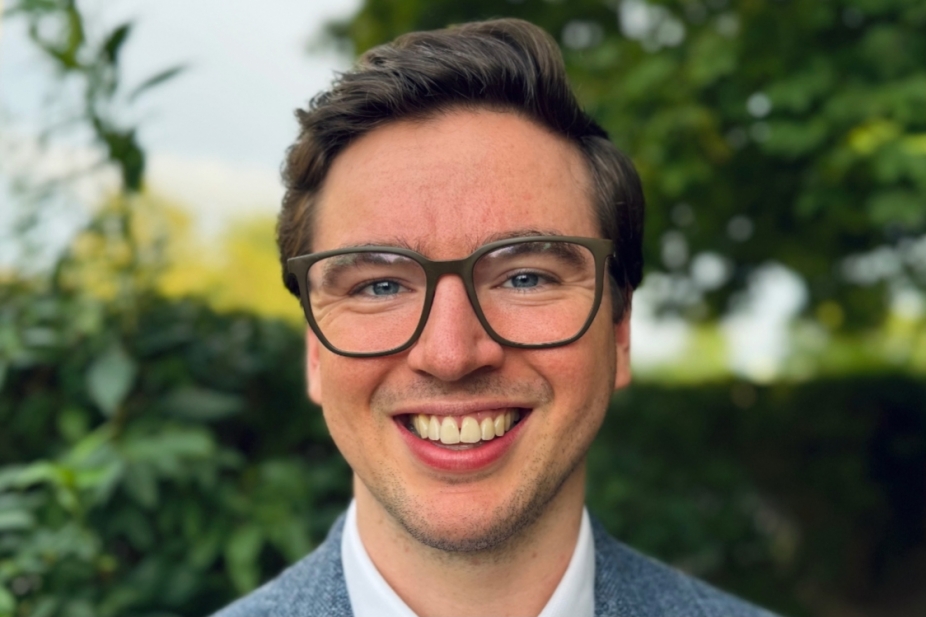
 Dr. Joseph Zurakowski earned a Governor General's Gold Medal, which he will receive at the University of Windsor's Fall 2026 Convocation.
By Sara Elliott
At the heart of University of Windsor alumnus Joseph Zurakowski's (PhD ’25) passion for chemistry is the thrill of creating something new — and the possibility that his discoveries could help other scientists advance their research.
“I love making molecules, it’s so much fun,” Zurakowski says.
— Published on Oct 14th, 2026
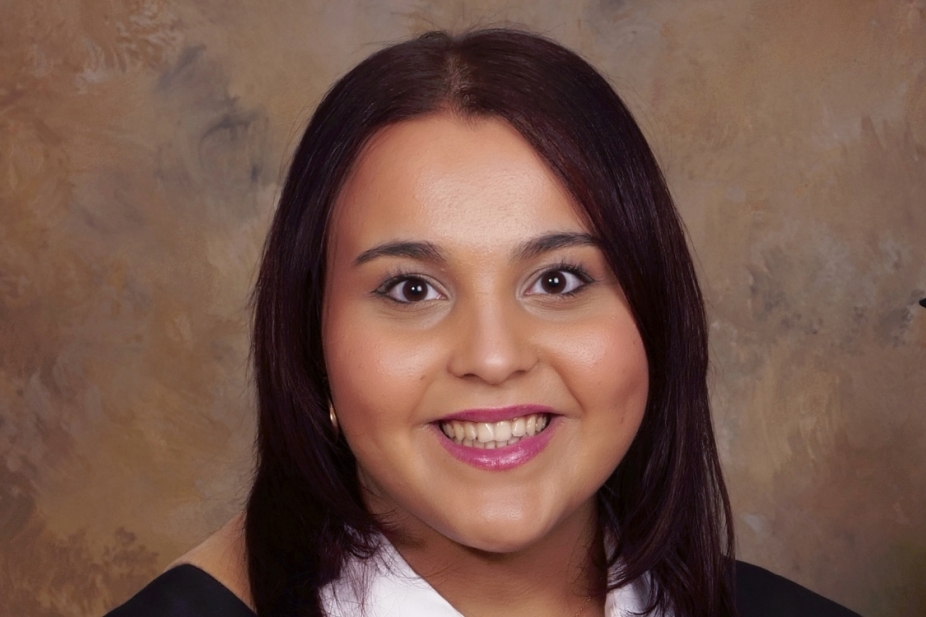 Computer science graduate Parmida Khashayar. (Photo courtesy of Parmida Khashayar/University of Windsor)
By Sara Elliott
For many people with polyendocrine metabolic ovarian syndrome (PMOS), receiving a diagnosis is only the beginning.
Managing the condition can involve navigating symptoms, treatment options and changing health information with few clear tools to guide day-to-day decisions.
— Published on Sep 29th, 2026
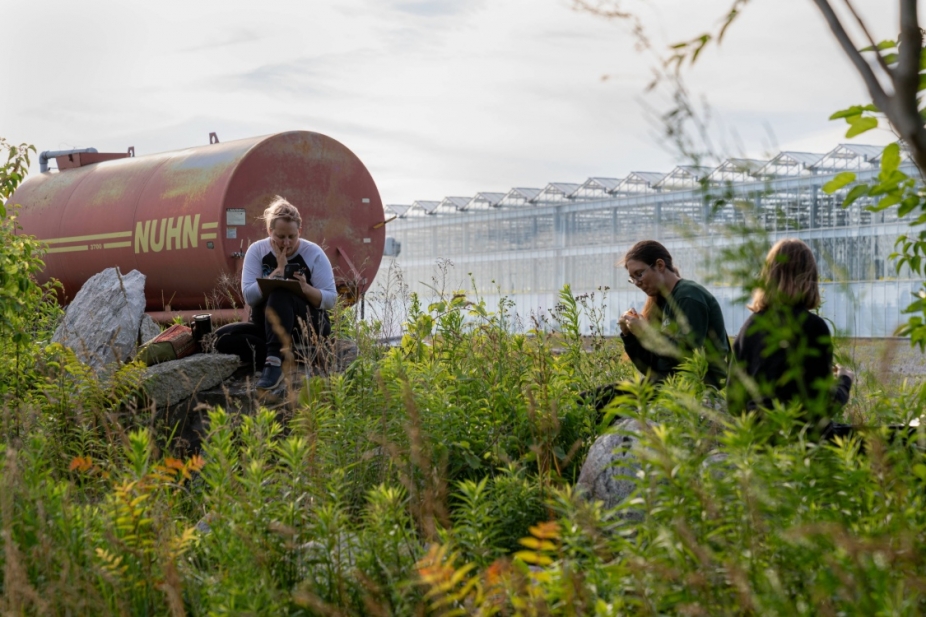 Participants in a 2024 Creative Ecologies SMArt Masterclass sketch outside a Leamington-area greenhouse. (Cri Kosti/University of Windsor)
By Sara Elliott
Science students are learning to create original works of art to explain scientific research.
In a new University of Windsor research-creation project, undergraduate students will explore how sculpting, painting and drawing can be used to convey research.
— Published on Sep 23rd, 2026
 Patricia Rokitnicki holding three snow bunting chicks after banding them. (Rachel Dow/University of Windsor)
By Sara Elliott
Every Saturday in Iqaluit, Patricia Rokitnicki spends her morning with community members searching the city for snow bunting nests.
That's not a distraction from her PhD research — it is her PhD research.
— Published on Sep 23rd, 2026
 A new partnership with ACSOM non-profit medical school in Dominica has created a new pathway for UWindsor students pursuing careers in medicine (PROVIDED BY ACSOM/University of Windsor)
University of Windsor students across undergraduate programs will have a new accelerated route to medical school beginning in fall 2026 through a partnership with the American Canadian School of Medicine (ACSOM).
The pathway will allow qualified students to move into medical education after as little as two years at UWindsor and ultimately earn both a UWindsor undergraduate degree and an ACSOM medical degree in as little as six years.
— Published on Sep 23rd, 2026
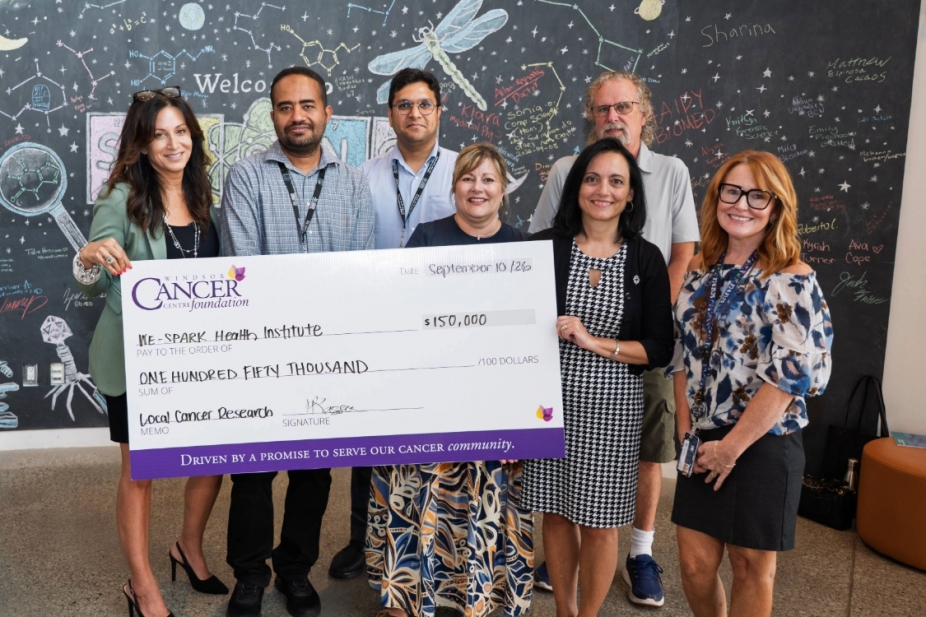 WE-SPARK Health Institute received $150,000 to help advance research focused on cancer prevention, cancer risk, survivorship and youth engagement in cancer care. Pictured from left to right: Houida Kassem, Dr. Ayman Sayyed, Dr. Vikas Garg, Dr. Kathy Pfaff, Dr. Dora Cavallo-Medved, Dr. Lisa Porter and Dr. John Hudson. (PETER MARVAL/University of Windsor)
By Sara Elliott
Five WE-SPARK Health Institute members are receiving funding from the Windsor Cancer Centre Foundation to advance research focused on cancer prevention, cancer risk, survivorship and youth engagement in cancer care.
The investment, provided through the Dr. Hakam Abu-Zahra Research Fund, is part of a $150,000 commitment to support locally led projects selected through WE-SPARK Health Institute's 2026 Igniting Discovery Grants competition.
— Published on Sep 18th, 2026
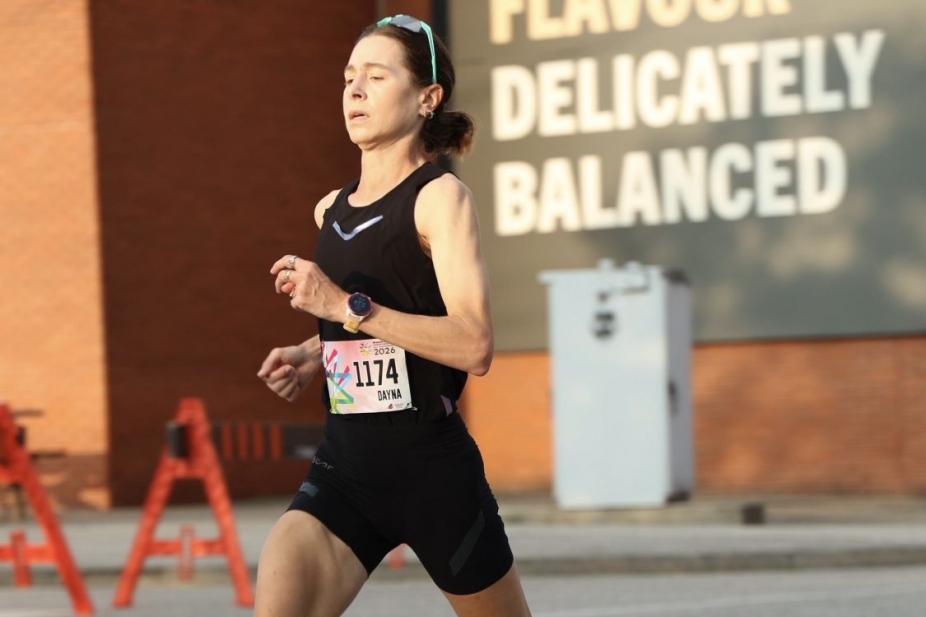 Dayna Pidhoresky was the women's winner at the Sept. 13 Windsor Waterfront Half-Marathon (PROVIDED BY D. PIDHORESKY/University of Windsor)
By Kate Hargreaves
On a muggy September morning, Dayna Pidhoresky (BSc ’09, BA ’10) lined up with more than 1,500 runners on Windsor’s Riverside Drive, awaiting the start of the second annual Windsor Waterfront Half-Marathon.
Just over 71 minutes later, she broke the tape at the finish line, at the same time taking down a personal best (PB) that had stood for 15 years.
“It did feel very humid warming up, and we were unsure if a PB would be possible on a day like that,” Pidhoresky recalls.
— Published on Oct 15th, 2026
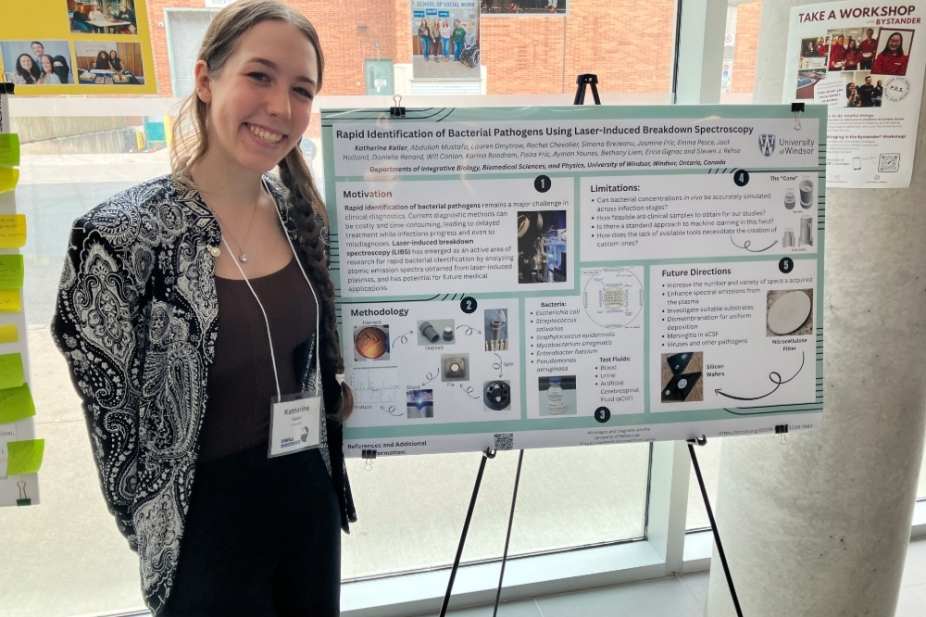 Kitti Keller's research earned her an Undergraduate Student Research Award (USRA) from the Natural Sciences and Engineering Research Council of Canada. (Courtesy of Kitti Keller/University of Windsor)
By Sara Elliott
This summer, science student Kitti Keller learned a lesson on how melding biology and physics could one day help identify bacterial pathogens that threaten human health.
“We're hoping to develop a technology so one day you can go to the clinic, give a tiny blood or urine sample and get immediate results showing what's making you sick,” says the third-year biology student.
— Published on Sep 15th, 2026
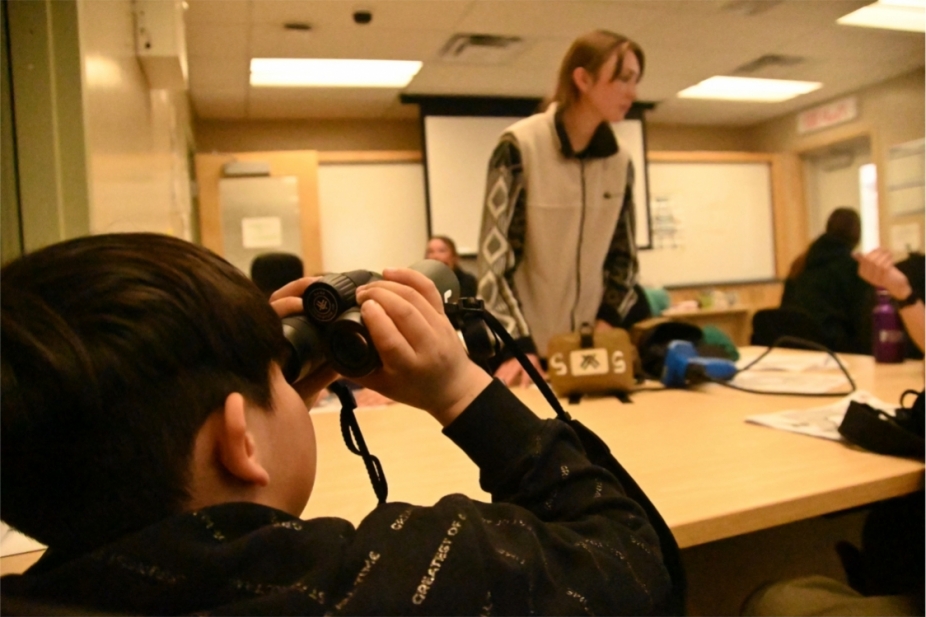 Graduate student Angelina Kemp delivering place-based environmental science materials to Iqaluimmiut youth. (Courtesy of Patricia Rokitnicki/University of Windsor)
By Sara Elliott
In Iqaluit, Nunavut, University of Windsor researchers are helping young people turn the birds around their homes into a gateway to Arctic science, conservation training and community-based wildlife monitoring.
The team received a $172,200 three-year grant for the project through the Natural Sciences and Engineering Research Council of Canada’s (NSERC) PromoScience program.
— Published on Sep 14th, 2026
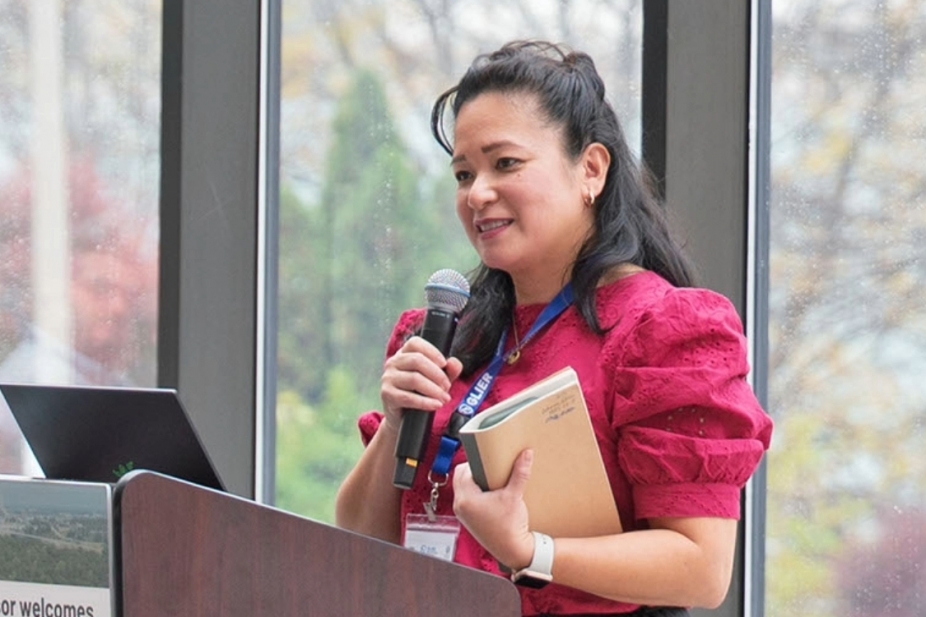 Febria has been elected to the Royal Society of Canada’s College of New Scholars, Artists and Scientists. (PETER MARVAL/University of Windsor)
By Sara Elliott
Catherine Febria’s research begins in the smallest streams, where land, water and people meet. Its impact is now being recognized nationally.
From microbes and mushrooms to watersheds across the Great Lakes Basin, the University of Windsor ecologist uses science to understand and restore freshwater ecosystems while building relationships with the communities that depend on them.
— Published on Sep 10th, 2026

 Dr. Joseph Zurakowski earned a Governor General's Gold Medal, which he will receive at the University of Windsor's Fall 2026 Convocation.


