
 Professor Catherine Heard plays a stop-motion animation created by one of her students during the final critique of her VSAR-1060 class. (VICTOR ROMAO/University of Windsor)
By Victor Romao
Colourful shapes bounced, collided and slipped across the screen as abstract forms moved in tight rhythms, set to beeps, boops and bursts of heavy metal drumming.
The screening marked the final project for students enrolled in VSAR-1060 Introduction to Elements of Art and Principles of Design.
The short films — each between 60 and 90 seconds — featured abstract, non-narrative animations made with paper, found objects and digital sound.
The visuals echoed traditions of experimental animation, where geometric forms move in deliberate dialogue with sound, emphasizing rhythm and design over conventional storytelling.
School of Creative Arts (SoCA) professor Catherine Heard said the assignment was designed to introduce students to time-based media while reinforcing core design principles such as colour theory, rhythm and movement.
“Working with simple, accessible tools allows students to focus on intentionality,” said Heard.
“They’re thinking about how sound, colour and motion interact rather than trying to tell a linear story.”
The project was inspired by early experimental animators, including Scottish-Canadian filmmaker Norman McLaren, whose abstract works emphasized synchronization between image and sound.
Students created their animations using smartphone cameras, basic materials and an inexpensive stop-motion app.
The semester culminated with a screening that doubled as a peer critique.
Instead of presenting their own work, students introduced their classmates’ films, describing what they felt was most successful in each piece.
The class then held an Academy Awards-style vote, handing out categories such as best application of colour theory, most original concept and best sound editing.
Student Joie Huang won both the People’s Choice award and Best Sound Editing.
Huang said choosing the music before starting the animation shaped the entire creative process.
“I could visualize frames and motion just by listening to the song,” said Huang. “It made it easier to start and kept everything moving together.”
For others, adapting to new tools proved challenging but rewarding.
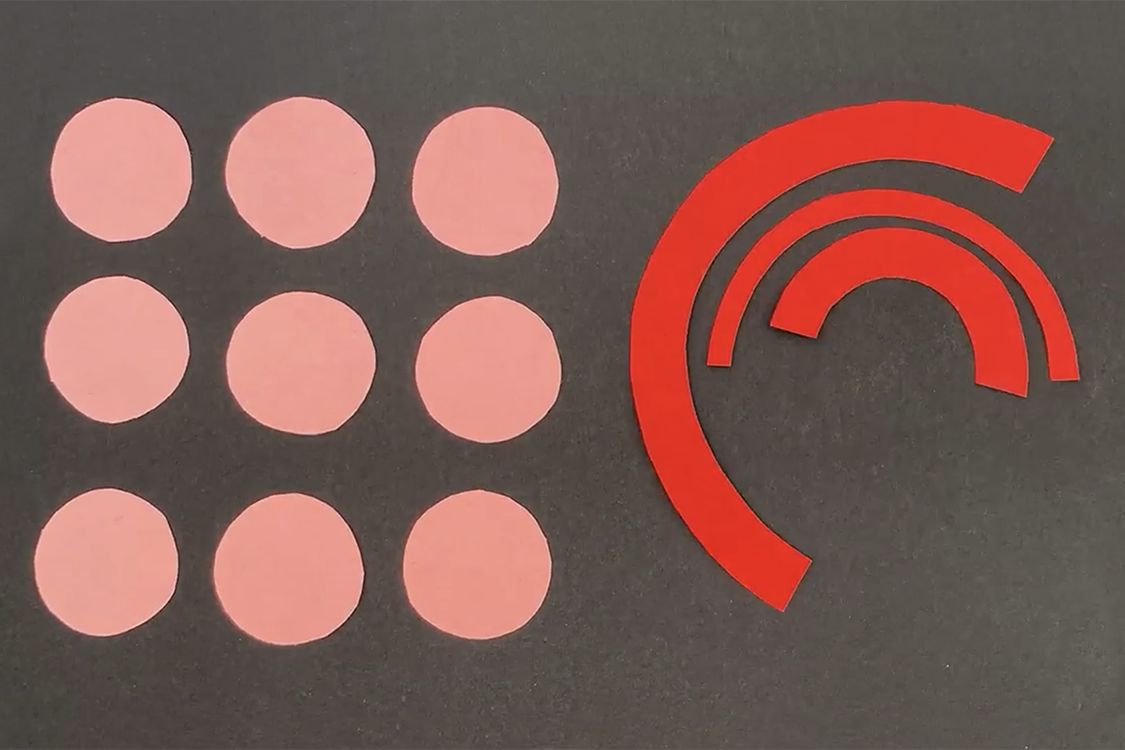
Gwendolen Tousignant said using found objects instead of paper became a defining choice in her film.
“I like collecting objects, and this project gave me a reason to incorporate them,” she said.
A still from Gwendolen Tousignant’s stop-motion animation, which incorporated found objects as part of the VSAR1060 final project. (GWENDOLEN TOUSIGNANT/University of Windsor)
Patrick Weatherspoon described the assignment as both technical and freeing.
“Learning the app and lighting setups was a challenge but seeing how creatively everyone approached the same prompt was inspiring,” he said.
As the final frames played, the emphasis shifted toward reflection and shared learning, with students watching their work alongside classmates and considering how far they had come.
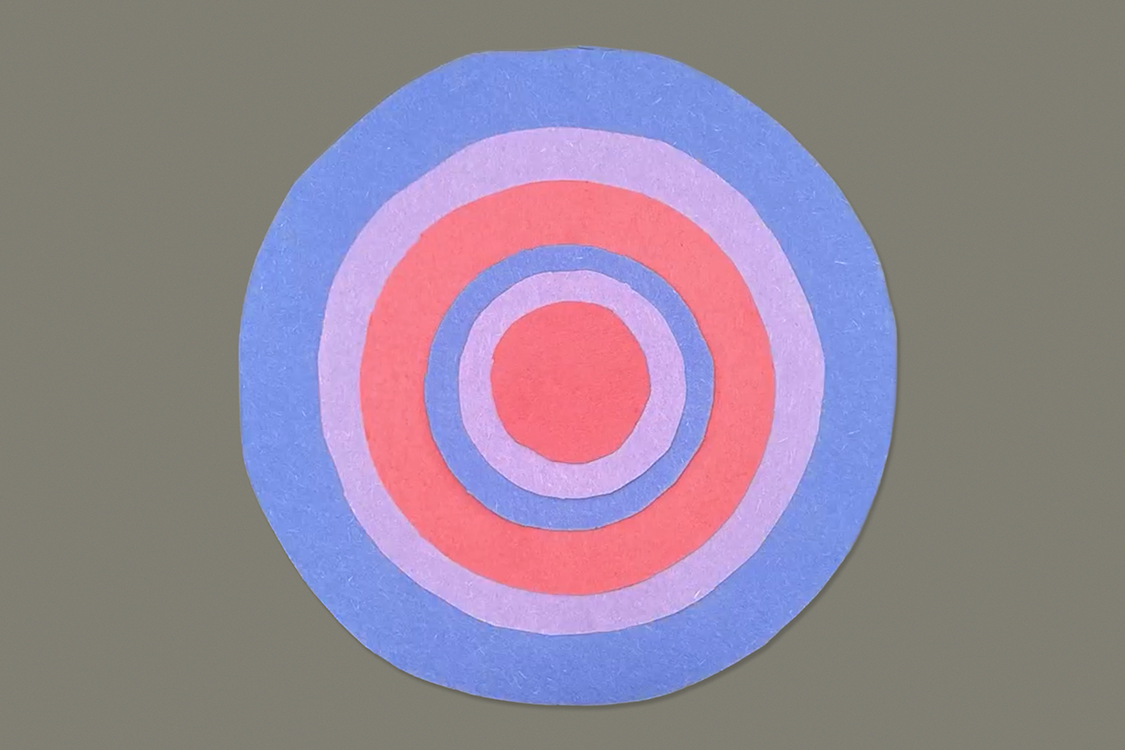
Teagan Farraway receives the award for most original concept for a stop-motion animation created for the VSAR1060 class. (TEAGAN FARRAWAY/University of Windsor)
First-year student Layan Aboush said the stop-motion assignment felt intimidating at first, but became an opportunity to bring together lessons from across the semester.
“Once you really dial into the process, you realize it’s an opportunity to showcase both your artistic ability and your creative process,” said Aboush.
“Seeing everyone’s animations also showed how differently people approached the assignment.”
The screening closed the course not with competition, but with a shared sense of discovery — a reminder that timing, experimentation and decision-making mattered as much in the creative process as in the finished work.