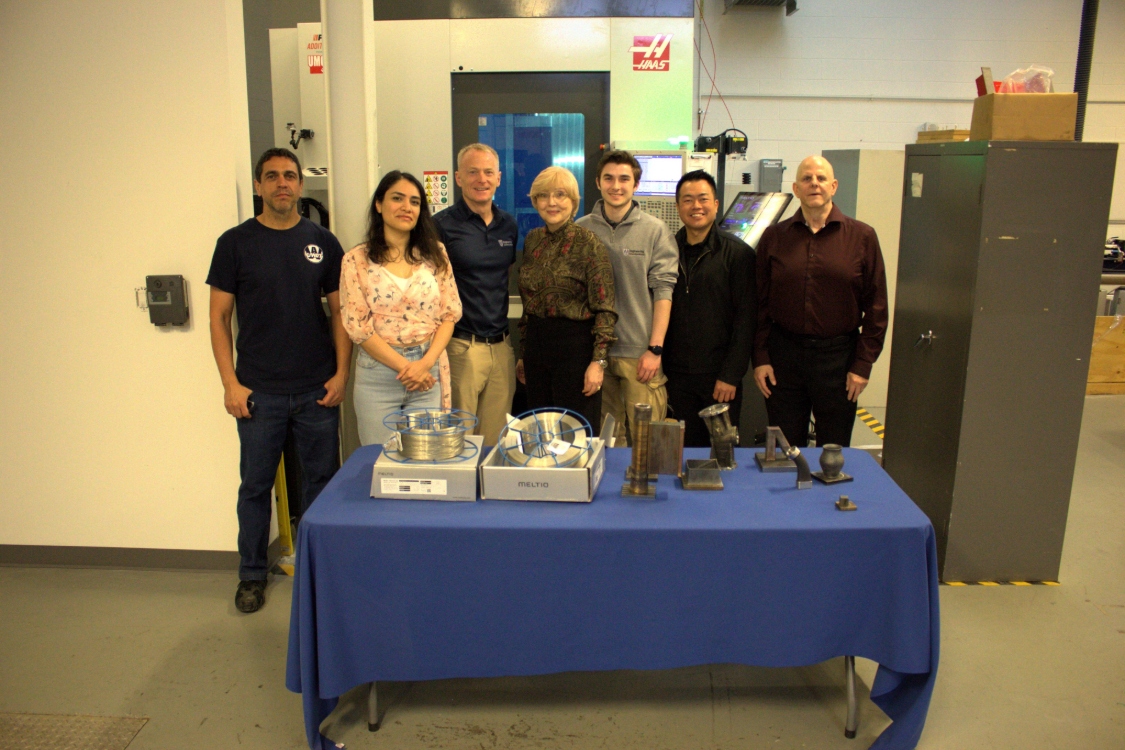
Additive Manufacturing Introductory Course (AM360°) is a collaboration between the University of Windsor’s Faculty of Engineering and CAMufacturing Solutions Inc. aimed at introducing learners to the principles and applications behind 3D printing technologies. (PHOTOS: JOHN-PAUL BONADONNA/University of Windsor)
By Lindsay Charlton
As additive manufacturing becomes more common across industries ranging from healthcare to automotive, a new course is helping professionals better understand the rapidly evolving technology.
Dr. Jill Urbanic developed the Additive Manufacturing Introductory Course (AM360°) through a collaboration between the University of Windsor’s Faculty of Engineering and CAMufacturing Solutions Inc. to introduce learners to the principles and applications behind 3D printing technologies. Urbanic is a professor in UWindsor's Department of Mechanical, Automotive, and Materials Engineering.
“My biggest learning outcome with this training is for learners to be able to ask the right questions and understand the answers,” she said.
The course is designed for beginners and covers the principles, processes and materials used in additive manufacturing, with applications across aerospace, healthcare and automotive industries.
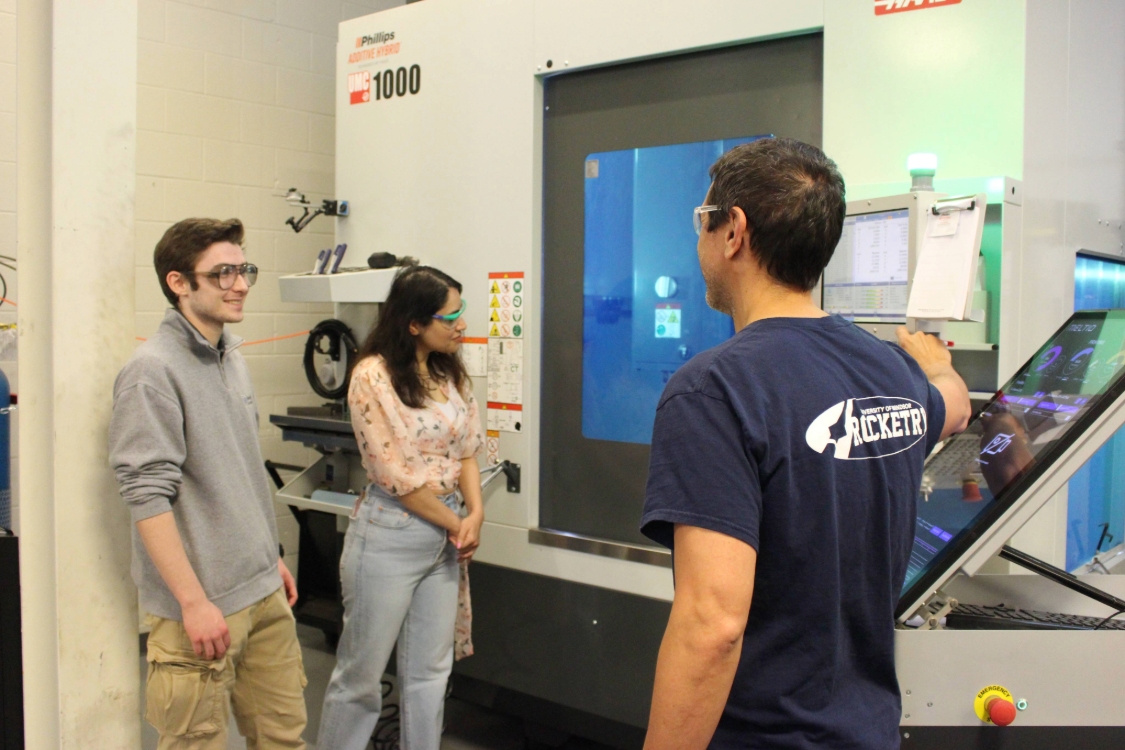
“Every process has its own advantages and limitations,” Urbanic said. “The goal is to understand what can and can’t be done. That’s the whole idea behind the 360 overview. We’ve done a tremendous amount of testing and learning here at the University, and we’re trying to share that knowledge with others.”
The course is open to a range of professionals, including designers, technicians and managers, and is particularly relevant to those in engineering disciplines such as mechanical, aerospace, defence, biomedical/healthcare and civil/structural, where additive manufacturing is increasingly used.
“It introduces all seven families in the additive manufacturing realm,” explained Duncan Lam, general manager at CAMufacturing. “Most people understand 3D printing as plastic printing, but it’s actually much more than that.
“Each process has its own advantages and limitations, and each is suited to different applications and industries. The goal is to help learners understand which technologies are best suited for specific manufacturing needs, whether in a company setting or for their own processes.”
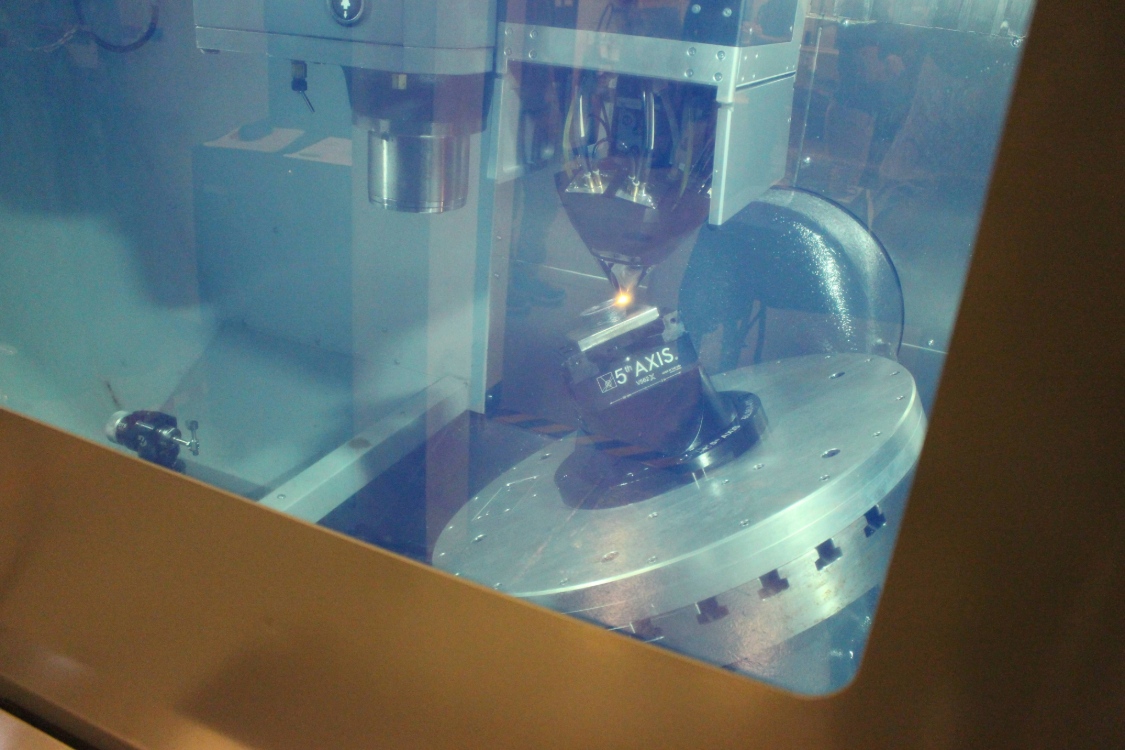
Offered online and on demand, AM360° is designed so learners can complete it at their own pace and on their own schedule.
The course builds on the Faculty of Engineering’s teaching and research strengths in advanced manufacturing, supported by in-house 3D printing and additive manufacturing capabilities.
Dr. Bill Van Heyst, dean of engineering, sees significant growth ahead for the field.
“Where I see advanced manufacturing going, it’s almost like the replicator on Star Trek,” he said.
“You program what you need, and it produces what you need. From an inventory perspective, you don’t need large physical stockpiles anymore. Instead, you need the design file and the material to produce the part — it’s essentially a ‘machine shop in a box.’”
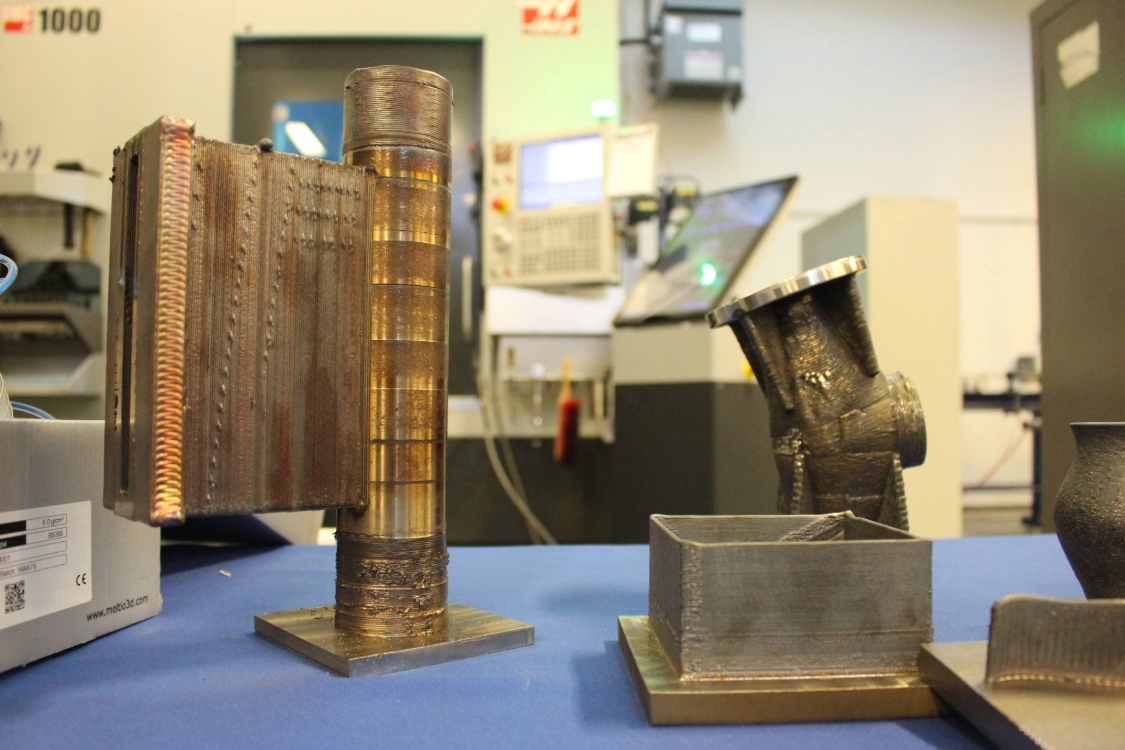
Urbanic sees the course as an important professional development tool, especially as demand grows for upskilling in advanced manufacturing fields.
“We are continually engaging with industry needs and research to ensure the course reflects current practice,” she said. “The goal is to provide a strong foundation that learners can build on as the field evolves.”
Participants will receive a certificate upon completing the Additive Manufacturing Introductory Course (AM360°). Available through the Ontario Society of Professional Engineers (OSPE) website, the course also qualifies for 11 hours of continuing professional development (CPD) credits.