
 George Zhou travelled to Nagoya University in Japan (photo courtesy of George Zhou)
By Kate Hargreaves
When George Zhou visited a high school in Japan as part of a six-week trip to Nagoya University, he was struck by the collaborative approach of the teachers.
“When the school principal led me to a large open room, I was astonished by what I saw,” said Dr. Zhou.
Rather than sitting and working independently, Zhou saw teachers sharing resources and moving around the room to talk to their colleagues.
“The principal told me that teachers have their own subject rooms, but they like to come to this room for class preparation for the convenience of collaboration,” Zhou explained.
A professor in UWindsor’s Faculty of Education, Zhou immediately saw connections between this way of working together and his field of STEM pedagogy.
“This type of collaborative environment is natural for STEM education because it talks about the integration of subjects,” he explained.
“This way the physics teacher talks to the chemistry teacher and the math teacher. When I instruct pre-service teachers in science pedagogy, I stress that you have to be able to collaborate with other teachers.”
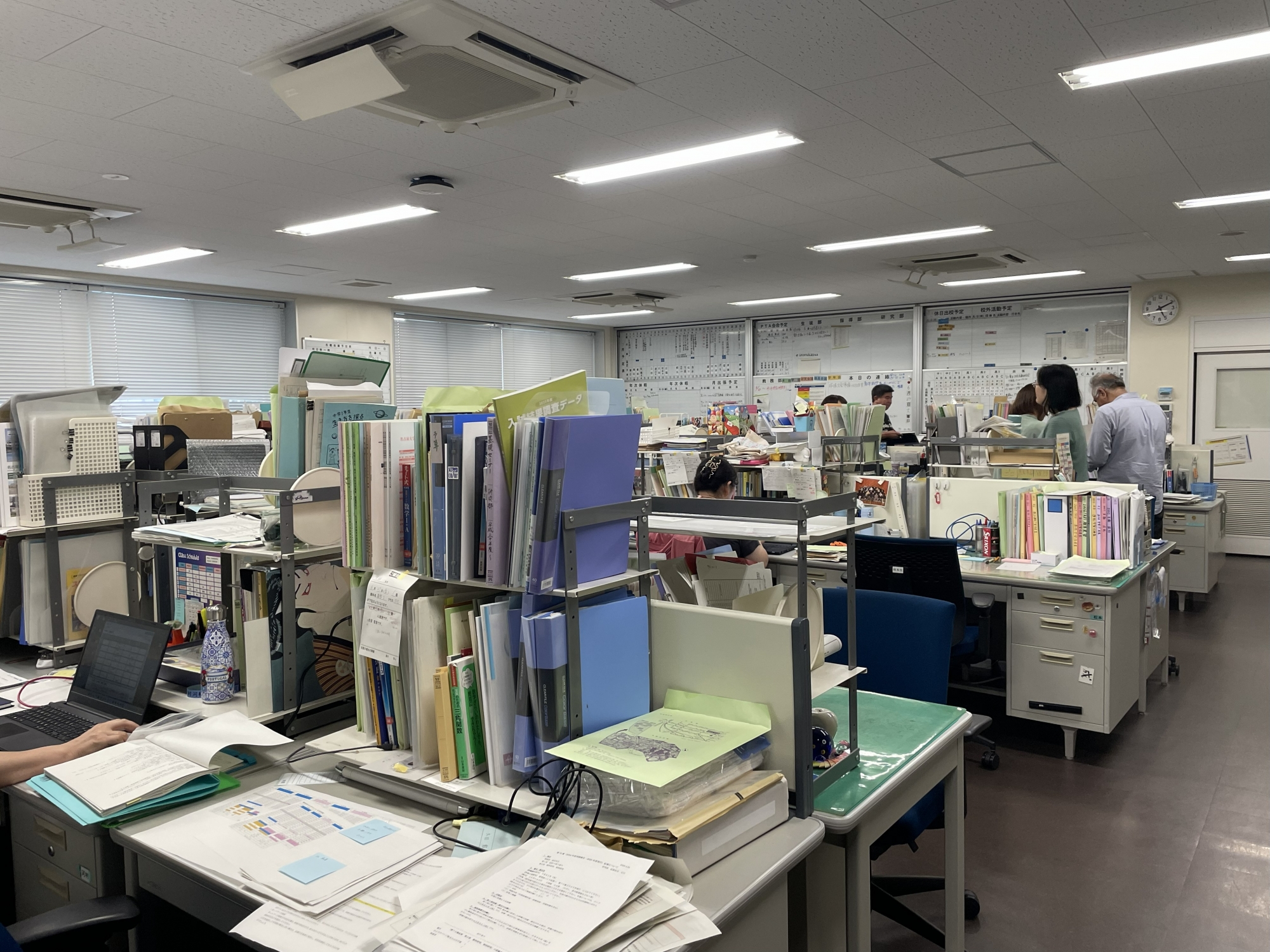
Teachers collaborating in a shared resource room at a high school affiliated with Nagoya University (photo courtesy of George Zhou)
Collaboration was also what made Zhou’s travel to Japan possible as part of a relationship solidified in a 2023 memorandum of understanding (MOU) between the University of Windsor’s Faculty of Education and Nagoya University.
At the time the MOU was signed, UWindsor Faculty of Education dean Dr. Ken Montgomery called Nagoya University “an excellent partner” particularly in relation to a shared interest in both higher education and teacher education. The goals of the MOU included exploring joint research projects, student exchange opportunities and visiting fellowships such as Dr. Zhou’s, all in support of internationalizing teacher education and collaborative research.
For six weeks in the summer of 2025, Zhou visited Nagoya’s Graduate School of Education and Human Development, teaching a condensed course on science curriculum and instruction to a class of pre-service teachers alongside graduate students and faculty members. Part of the trip involved a visit to an affiliated high school to learn about STEM education and curriculum in Japan, setting up a solid foundation for cross-cultural analysis.
Travelling to Japan for the first time, Zhou stayed in a residence near campus on a winding road amongst the mountains. He was struck by not only the beauty of the environment around him but by the warm welcome he received from faculty, staff and members of the public.
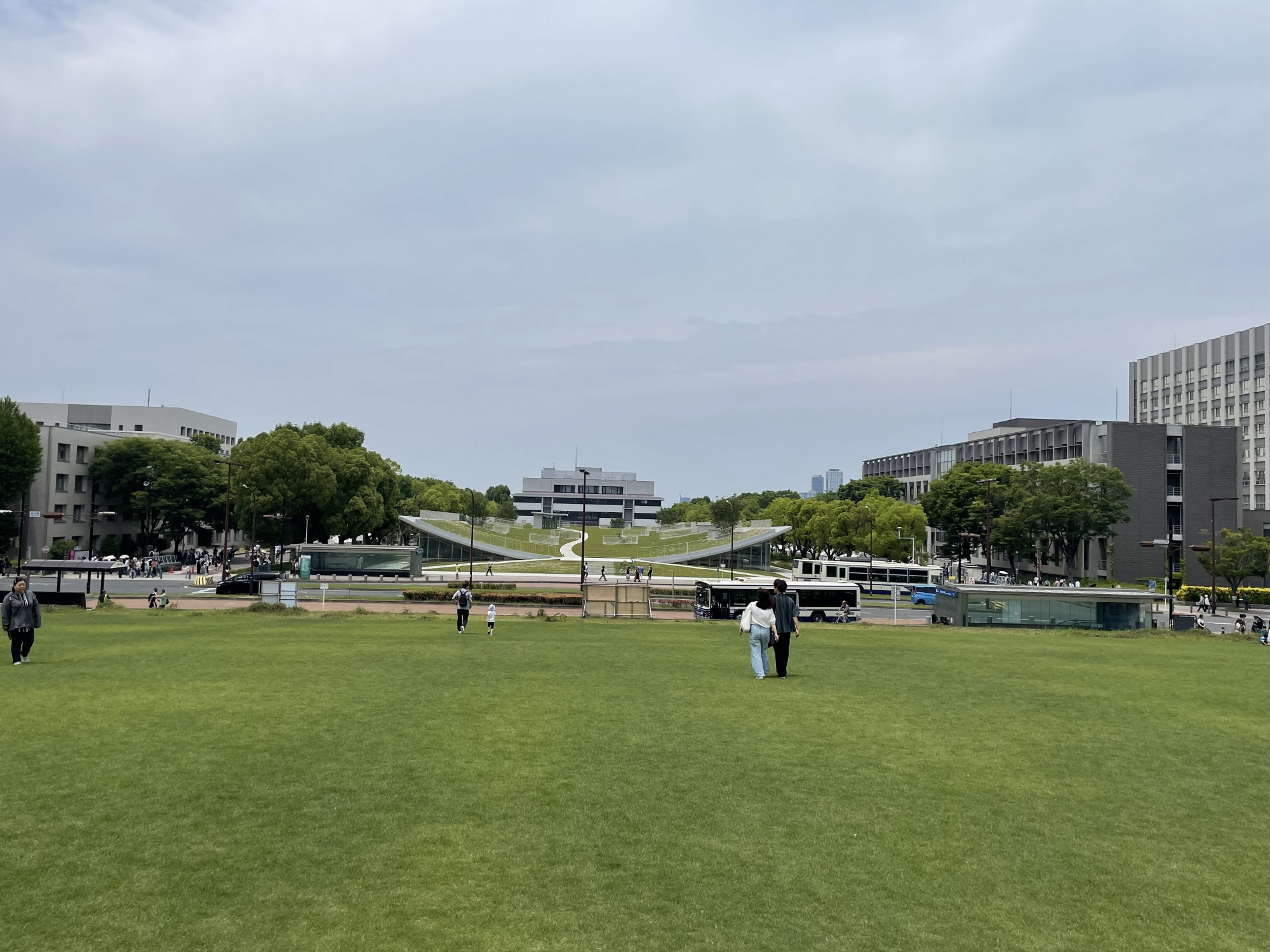
The campus at Nagoya University (photo courtesy of George Zhou)
While in Nagoya, Zhou also presented at the International Dialogue on Education Research, presenting alongside two other visiting scholars from North Carolina State University and Korea University.
Zhou's visit also afforded him an opportunity to collaborate with Arani Sarker, professor of Teacher Education in the Graduate School of Education and Human Development at Nagoya University and director of the International Centre for Lesson Study.
Dr. Sarkar already has collaborators across Asia and Europe, and with Zhou's recent appointment as a Special Joint Research Fellow at the Centre, this collaboration can extend to Windsor.
“My appointment will bring his expertise into Canada,” said Zhou, noting that he and Sarkar will work together going forward on cross-cultural analysis of lesson study.
“The contexts of school education and teacher education in Canada and Japan are quite different.”
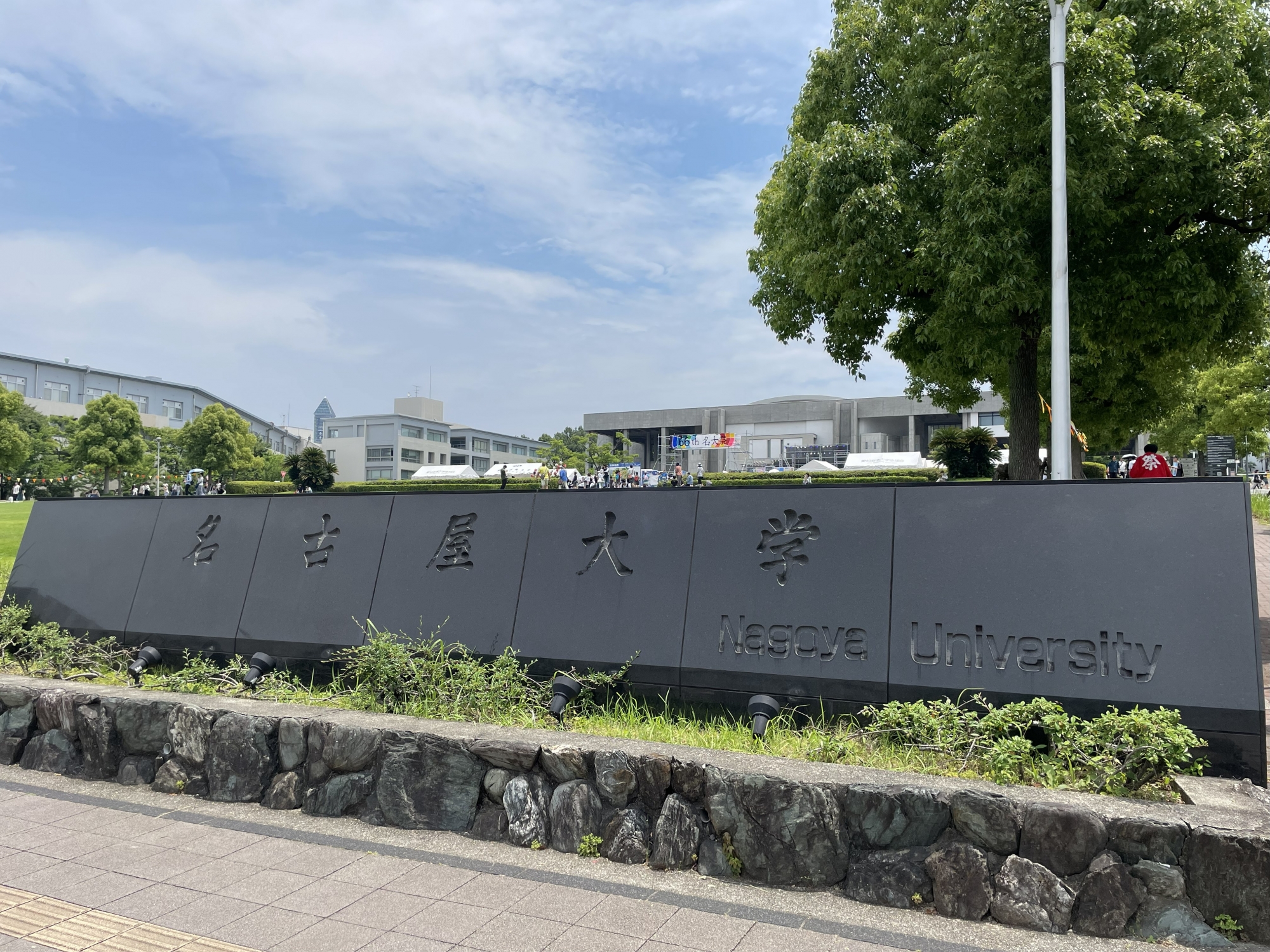
Nagoya University (photo courtesy of George Zhou)
Looking forward, Zhou anticipates further opportunities for the University of Windsor and Nagoya University to connect.
“The collaboration will create reciprocal learning opportunities between the two universities,” he explained. “Through faculty exchange, faculty members will broaden their horizons for teacher education programs, (and) the collaboration will open the possibility for collaborative research between Canadian and international scholars.”