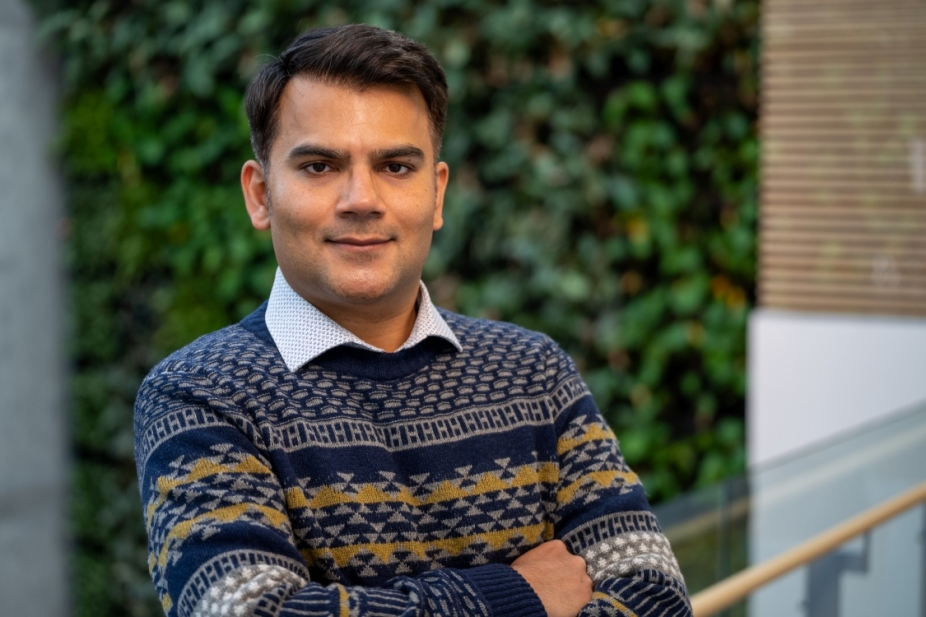
 Dr. Bryon Garner continues his research on Black Veteranality during his year as a Fulbright postdoctoral fellow at the University of Windsor. (Dave Gauthier/University of Windsor)
By Lindsay Charlton
After a nearly 10-year career serving in the United States Navy, scholar Dr. Bryon Garner was left with many questions surrounding race, patriotism and belonging.
“I was working for the federal government, but I had these questions about my experience being a Black person in America and in the military, and I was searching for answers I wasn’t sure how to find,” the historian said.
It was seeking those answers that led Garner to begin his academic journey.
— Published on Nov 16th, 2026
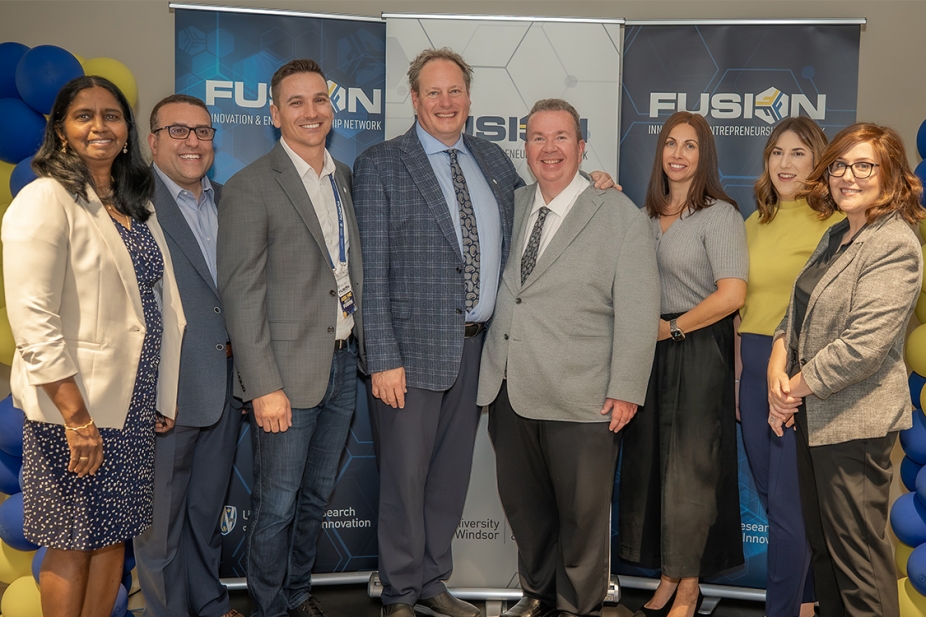 The launch of Fusion took place Oct. 1 (KYLE ARCHIBALD/University of Windsor)
For students and researchers with ideas to build businesses or not-for-profits, entrepreneurship can feel like a world apart from academic life. A new hub at the University of Windsor aims to bring the two closer together.
— Published on Oct 7th, 2026
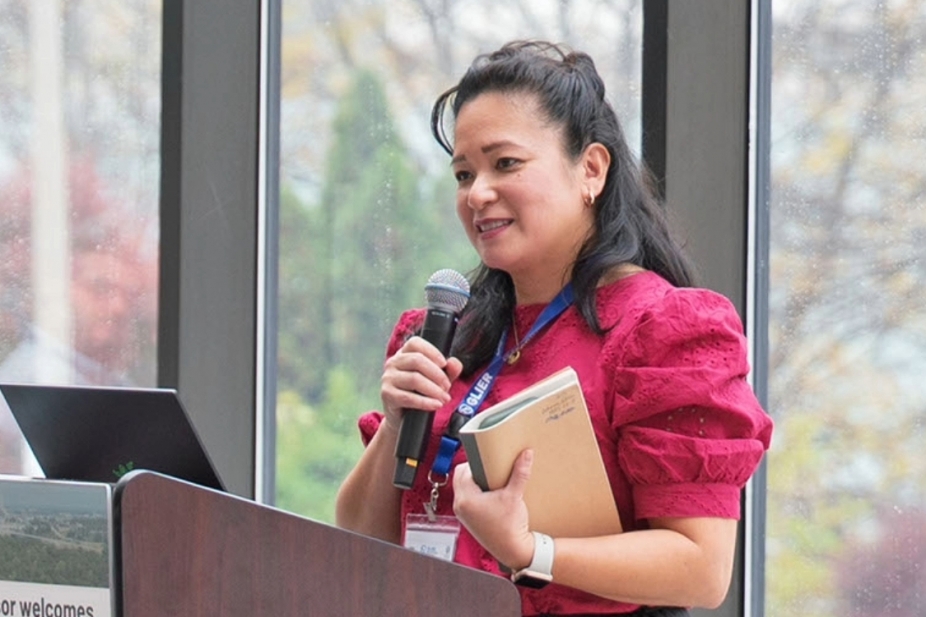 Febria has been elected to the Royal Society of Canada’s College of New Scholars, Artists and Scientists. (PETER MARVAL/University of Windsor)
By Sara Elliott
Catherine Febria’s research begins in the smallest streams, where land, water and people meet. Its impact is now being recognized nationally.
From microbes and mushrooms to watersheds across the Great Lakes Basin, the University of Windsor ecologist uses science to understand and restore freshwater ecosystems while building relationships with the communities that depend on them.
— Published on Sep 10th, 2026
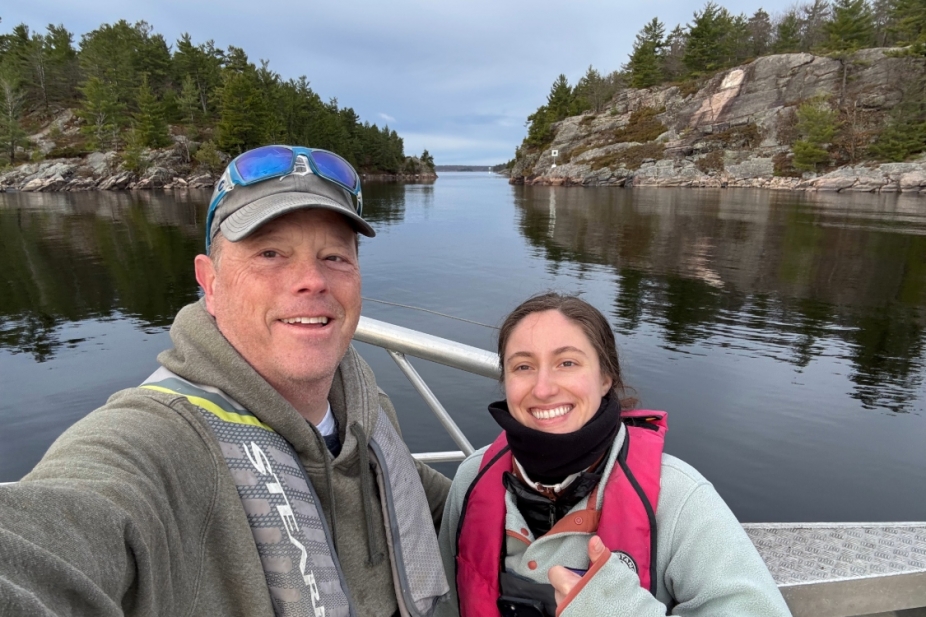 Aaron Fisk with former graduate student and current RAEON glider technician, Lydia Paulic, in Parry Sound. (Courtesy of Aaron Fisk/University of Windsor)
By Sara Elliott
For more than two decades, University of Windsor researcher Dr. Aaron T. Fisk has helped change how scientists understand freshwater ecosystems – from how contaminants move through aquatic food webs to where fish travel, feed and spawn across the Great Lakes and the Arctic.
That body of work has now earned Fisk one of Canada’s highest academic honours.
— Published on Sep 9th, 2026
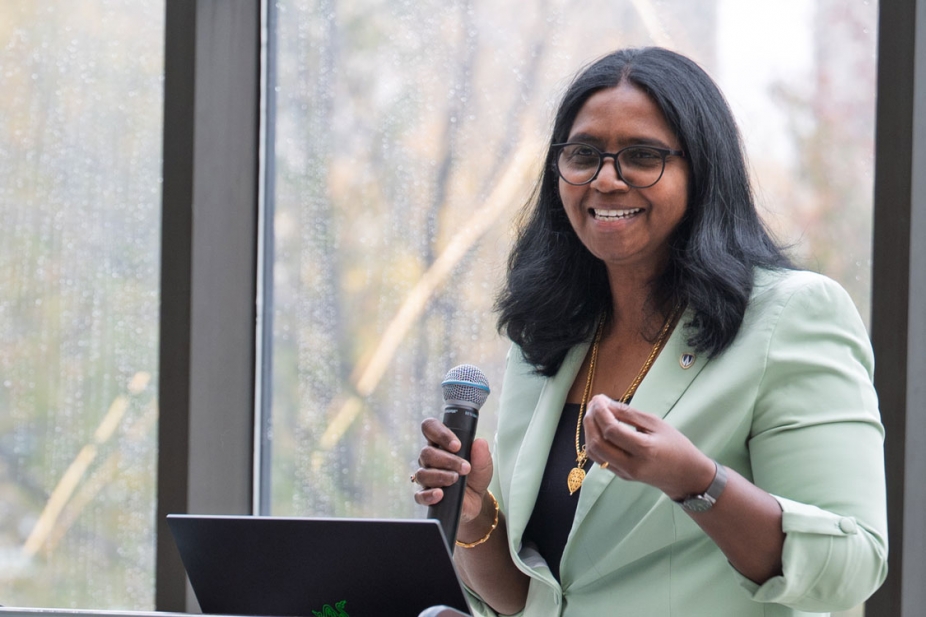 University of Windsor’s Vice-President, Research and Innovation Shanthi Johnson. (PETER MARVAL/University of Windsor)
Canada’s relationship with India is the focus of a recent opinion piece by University of Windsor’s Vice-President, Research and Innovation Shanthi Johnson, in The Hill Times.
Johnson outlines the need for a stronger, more strategic approach to the relationship that recognizes the connections among education, skilled talent, research, entrepreneurship and innovation.
— Published on Sep 23rd, 2026
 Dr. Noeman Mirza led the ROAR study, advancing research focused on improving healthcare access for rural seniors. (CHERRY THERESANATHAN/University of Windsor)
By Sara Meikle
As winter loosens its grip and the first signs of spring emerge, many Canadians are welcoming the change.
But for vulnerable older adults, particularly those living in rural communities, the most pressing challenge exposed by the colder months does not disappear with the thaw.
For Dr. Noeman Mirza of the University of Windsor’s Faculty of Nursing, winter is more than a backdrop of snow and ice — it is a magnifier. The deeper issue is transportation.
— Published on Mar 24th, 2026
 Aya Abu-Libdeh is a research and development engineer at the Centre for Hybrid Automotive Research and Green Energy (CHARGE) Lab. (MIKE WILKINS/University of Windsor)
By Sara Elliott
University of Windsor graduate students are positioned to benefit from new funding designed to help Ontario-based electric vehicle companies tackle real-world industry challenges through academic collaboration.
UWindsor has joined the new academic-industry initiative — Electric Vehicle Innovation Ontario (EVIO) — a $7.9 million federal and industry-backed partnership led by the University of Toronto.
— Published on Mar 18th, 2026
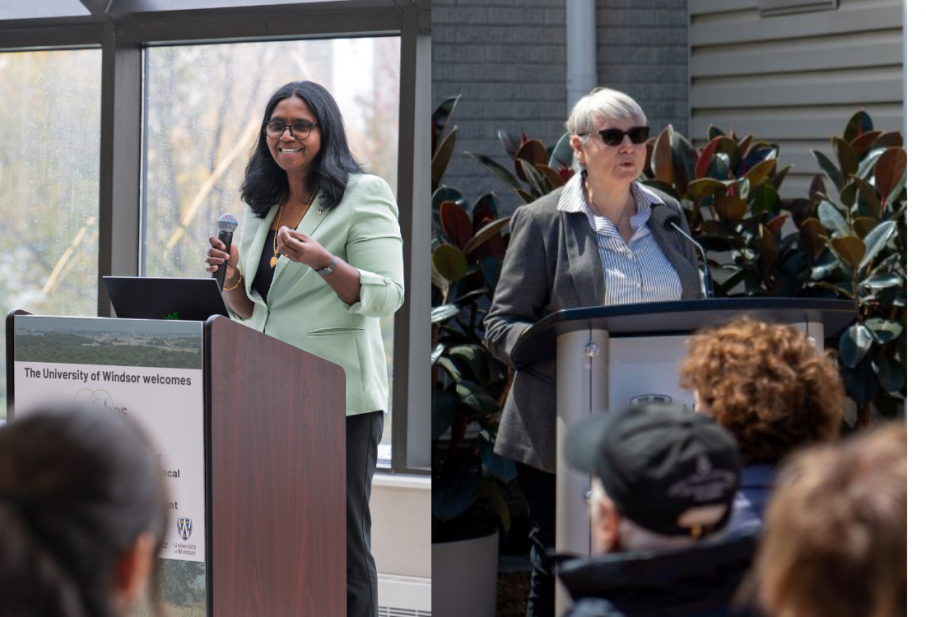 Drs. Shanthi Johnson (left) and Veronika Mogyorody (right) advocate age-friendly cities, communities and universities (FILE/University of Windsor)
By Kate Hargreaves
With age comes a wealth of lived experience and a lifetime of growth and knowledge.
Barriers created by a lack of accessibility, adaptability and connections in our homes and communities can, however, sometimes make the aging process unnecessarily challenging.
— Published on Oct 16th, 2026
 Natasha Nakhle is a student producer of the UWill Discover Podcast, amplifying UWindsor voices, research and discoveries. (SARA MEIKLE/University of Windsor)
By Sara Meikle
Research is often thought of as something that happens quietly — in labs or tucked away in unseen corners of campus.
The UWill Discover Podcast is changing that narrative by giving student researchers at the University of Windsor a platform to share their work, experiences and curiosity in a way that is accessible, engaging and human.
— Published on Jan 19th, 2026
 The Cross-Border Institute is dedicated to research on the movement of people, goods, services and finances across international borders (FILE/University of Windsor)
The UWindsor Cross-Border Institute (CBI) is internationally recognized for its leadership in cross-border research. The University of Windsor, with financial support from the federal government, was the first university in Canada to establish an institute dedicated to research on the movement of people, goods, services and finances across international borders.
— Published on Jan 15th, 2026

 Dr. Bryon Garner continues his research on Black Veteranality during his year as a Fulbright postdoctoral fellow at the University of Windsor. (Dave Gauthier/University of Windsor)


