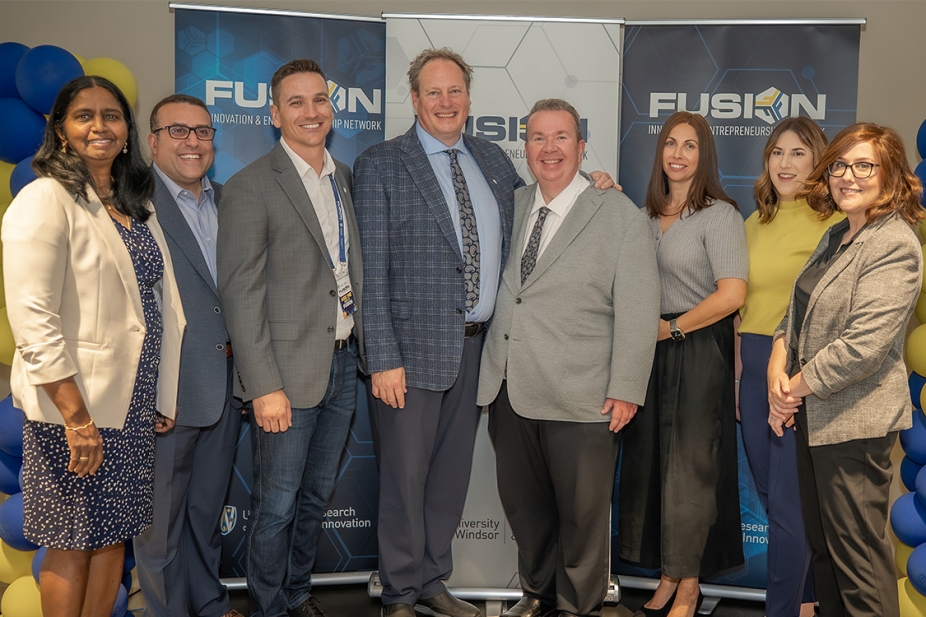
 The launch of Fusion took place Oct. 1 (KYLE ARCHIBALD/University of Windsor)
For students and researchers with ideas to build businesses or not-for-profits, entrepreneurship can feel like a world apart from academic life. A new hub at the University of Windsor aims to bring the two closer together.
— Published on Oct 7th, 2026
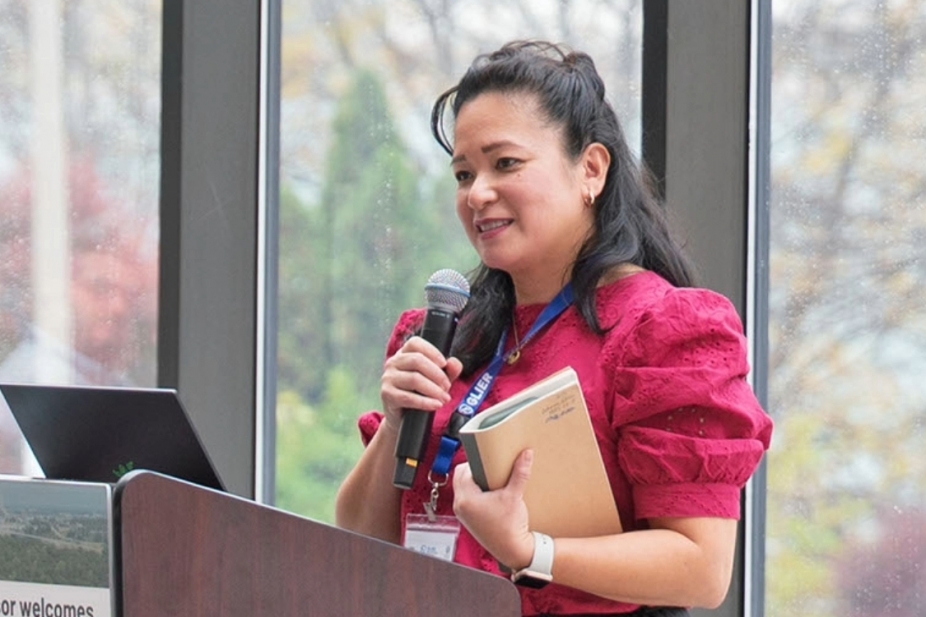 Febria has been elected to the Royal Society of Canada’s College of New Scholars, Artists and Scientists. (PETER MARVAL/University of Windsor)
By Sara Elliott
Catherine Febria’s research begins in the smallest streams, where land, water and people meet. Its impact is now being recognized nationally.
From microbes and mushrooms to watersheds across the Great Lakes Basin, the University of Windsor ecologist uses science to understand and restore freshwater ecosystems while building relationships with the communities that depend on them.
— Published on Sep 10th, 2026
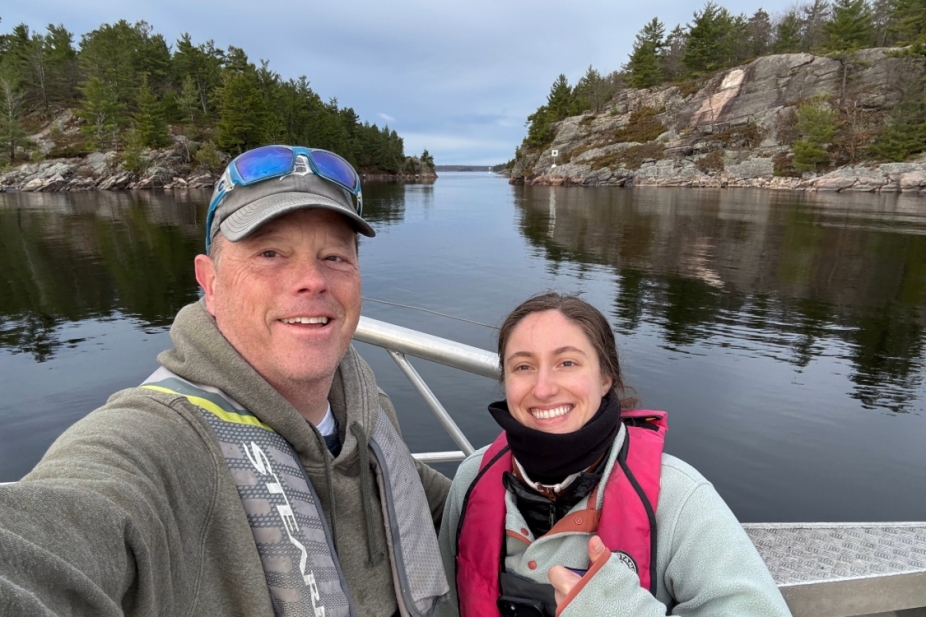 Aaron Fisk with former graduate student and current RAEON glider technician, Lydia Paulic, in Parry Sound. (Courtesy of Aaron Fisk/University of Windsor)
By Sara Elliott
For more than two decades, University of Windsor researcher Dr. Aaron T. Fisk has helped change how scientists understand freshwater ecosystems – from how contaminants move through aquatic food webs to where fish travel, feed and spawn across the Great Lakes and the Arctic.
That body of work has now earned Fisk one of Canada’s highest academic honours.
— Published on Sep 9th, 2026
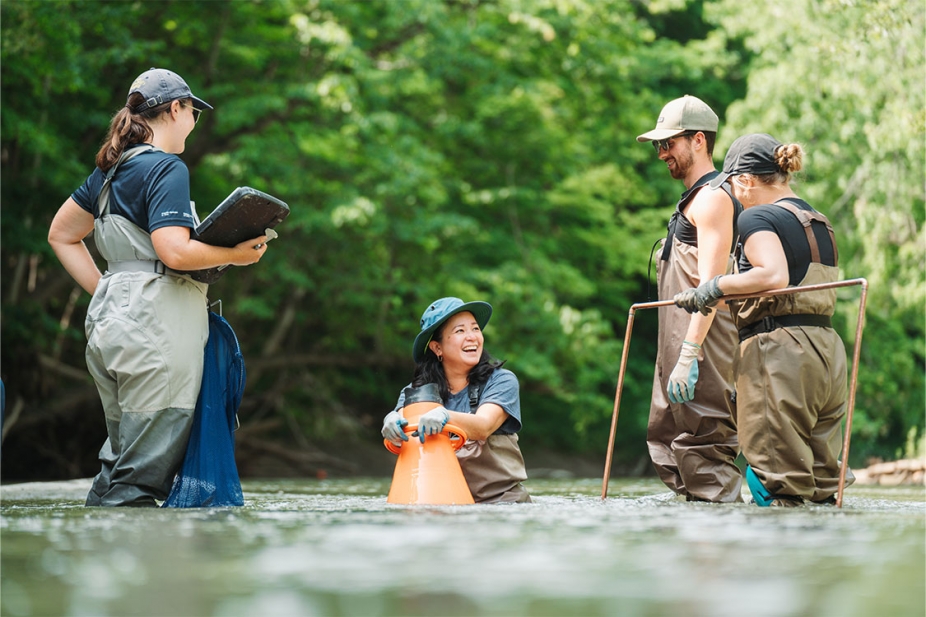 University of Windsor researcher Dr. Catherine Febria, centre, conducts field work with students in the Sydenham River as part of her freshwater restoration research. (MIKE WILKINS/University of Windsor)
From tracking fish across the Great Lakes to restoring the streams that connect land, water and communities, University of Windsor researchers Dr. Aaron T. Fisk and Dr. Catherine Febria are advancing understanding of how freshwater ecosystems are understood, managed and protected.
Their work has now earned national recognition from the Royal Society of Canada.
Fisk, professor and Tier 1 Canada Research Chair in Changing Great Lakes Ecosystems, has been elected a Fellow of the Royal Society of Canada in recognition of his contributions to aquatic research and leadership.
— Published on Sep 9th, 2026
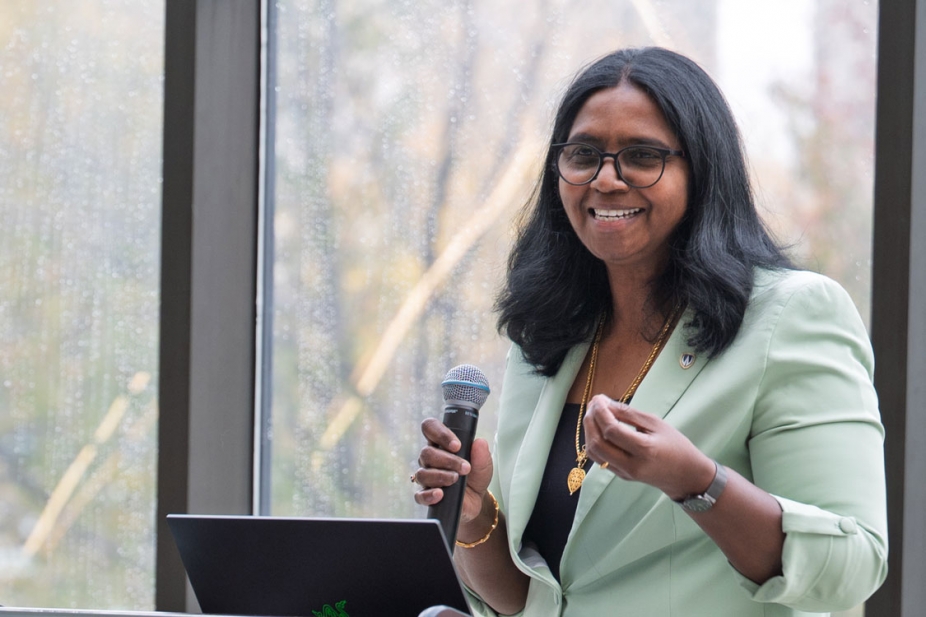 University of Windsor’s Vice-President, Research and Innovation Shanthi Johnson. (PETER MARVAL/University of Windsor)
Canada’s relationship with India is the focus of a recent opinion piece by University of Windsor’s Vice-President, Research and Innovation Shanthi Johnson, in The Hill Times.
Johnson outlines the need for a stronger, more strategic approach to the relationship that recognizes the connections among education, skilled talent, research, entrepreneurship and innovation.
— Published on Sep 23rd, 2026
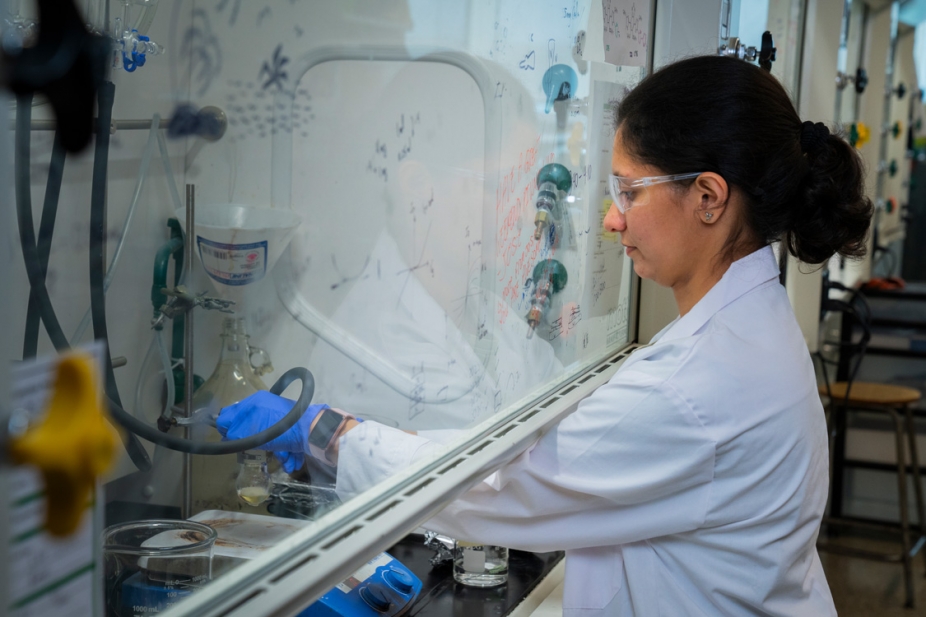 Seven awards span research in advanced digital technologies, clean technology and resource value chains, health and biotechnology, and food and water security. (FILE/University of Windsor)
The University of Windsor has secured seven Canada Impact+ Research Training Awards across the program’s two competition waves, supporting three postdoctoral researchers and four doctoral students in research areas aligned with Canada’s strategic priorities.
The one-time federal Impact+ initiative is designed to attract outstanding international or returning Canadian doctoral students and postdoctoral researchers to Canada in priority research areas, strengthening the country’s research and innovation ecosystem.
— Published on Aug 25th, 2026
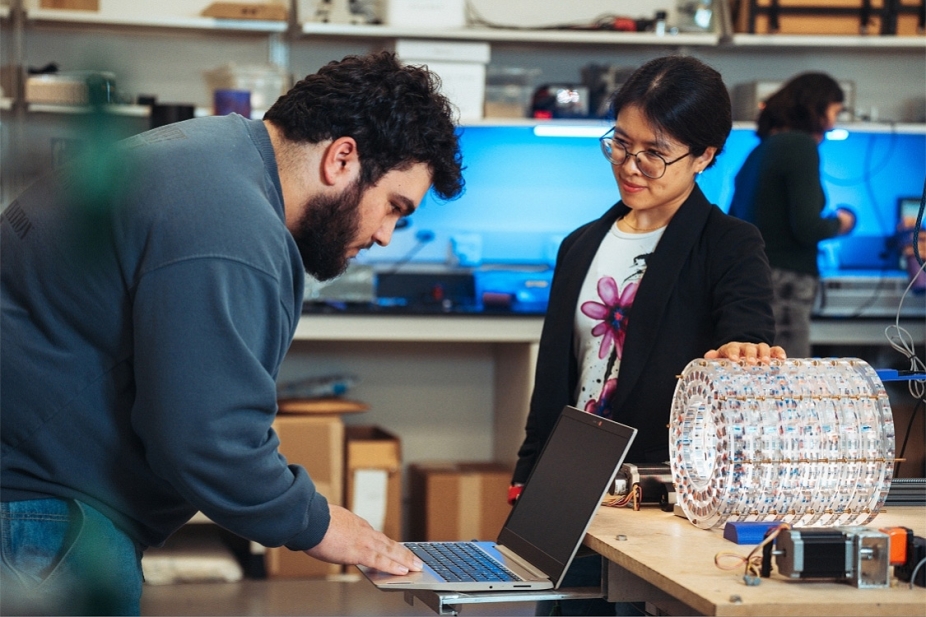 Dr. Dan Xiao (right) is designing a low-cost magnetic resonance imaging device. (University of Windsor)
By Sara Elliott
Ten University of Windsor researchers are turning their work into ventures as members of the inaugural Innovation Fellowship cohort.
The fellows aim to bring research-based business ideas to market, from a cybersecurity training program to a low-cost magnetic resonance imaging (MRI) device.
— Published on Jul 21st, 2026
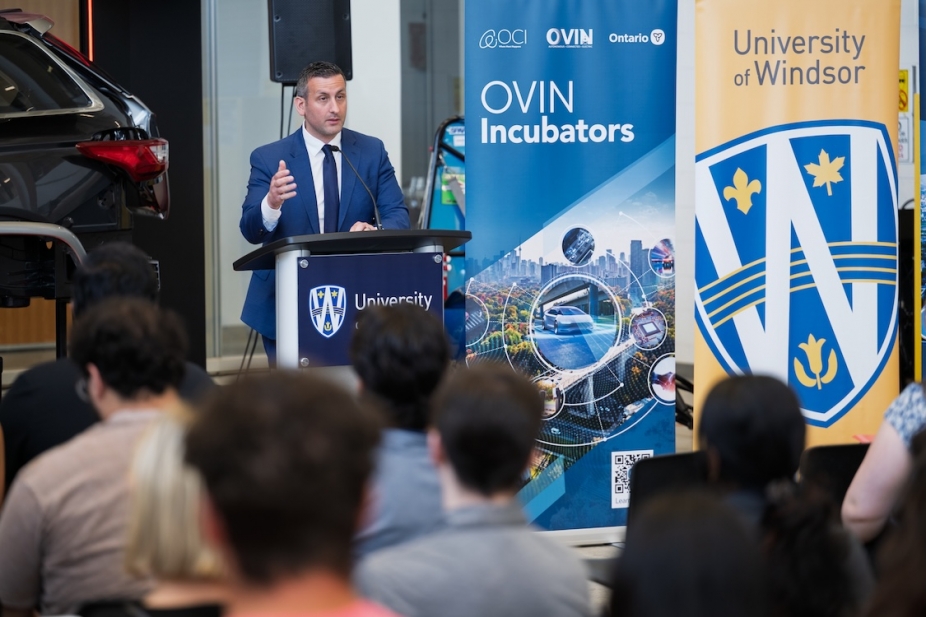 Head of OVIN Raed Kadri speaks to the crowd at the University of Windsor and OVIN Incubators partnership launch. (PETER MARVAL/University of Windsor)
— Published on Jun 24th, 2026
 Dr. Opeyemi Lawal is the Canada Research Chair in Environmental and Public Health Genomics. (PETER MARVAL/University of Windsor)
By Sara Elliott
Drug-resistant infections are silently spreading through water, soil, food systems and healthcare settings — often undetected until they become a public health emergency.
At the University of Windsor, environmental microbiologist Dr. Opeyemi Lawal is developing new ways to spot these threats early, understand why they persist, and stop them before they spread.
— Published on Jun 18th, 2026
 University of Windsor researchers at work. UWindsor ranked 265th globally for research citation impact in the 2027 QS World University Rankings, nearly tripling the global average. (FILES/University of Windsor)
WINDSOR, Ont. — The University of Windsor has reached its highest-ever position in the QS World University Rankings, ranking third in Ontario among non-medical universities and placing among the world’s top 20 per cent for research impact.
— Published on Jun 26th, 2026

 The launch of Fusion took place Oct. 1 (KYLE ARCHIBALD/University of Windsor)
