
 Drea Madore puts the finishing touches on the entrance wall, featuring artwork by Joe Ishaq, which introduces visitors to the Kaleidoscope thesis exhibition at the SoCA Gallery. (VICTOR ROMAO/University of Windsor)
By Victor Romao
The creative path is rarely linear, often shaped by trial, error and continual reassessment.
For the graduating visual arts students at the University of Windsor, it has been marked by experimentation, reconsideration and change — a journey now brought into focus through their final undergraduate exhibition, Kaleidoscope.
Kaleidoscope, the Bachelor of Fine Arts thesis exhibition for the University of Windsor’s 2026 graduating class, opens April 13 at the School of Creative Arts Gallery in the Armouries building. Running until April 25, the exhibition brings together work by 18 students whose approaches span a range of media, concepts and processes, all arriving at a shared moment after years of individual creative exploration.
As both a title and a metaphor, Kaleidoscope reflects the exhibition’s unifying idea. Like the optical instrument, the show presents distinct elements that maintain their individuality while forming a cohesive visual experience — one shaped by decision-making, risk-taking and reflection.
Many students entered the program with firm expectations of what art school would be like, only to find that those assumptions evolved over time.
Sabrina Tesolin recalled expecting a traditional, studio‑focused education grounded in classical training. “I thought art school was going to be more classical training and always in the studio,” she said.
Allison Ware shared a similar sense of uncertainty at the outset. She initially expected a largely traditional approach to visual education but quickly discovered that foundational lessons would later become essential tools.
“As a fourth‑year student, I look back to those lessons every time I start a new project,” said Ware, reflecting on the importance of early fundamentals training in colour theory, perspective and design.
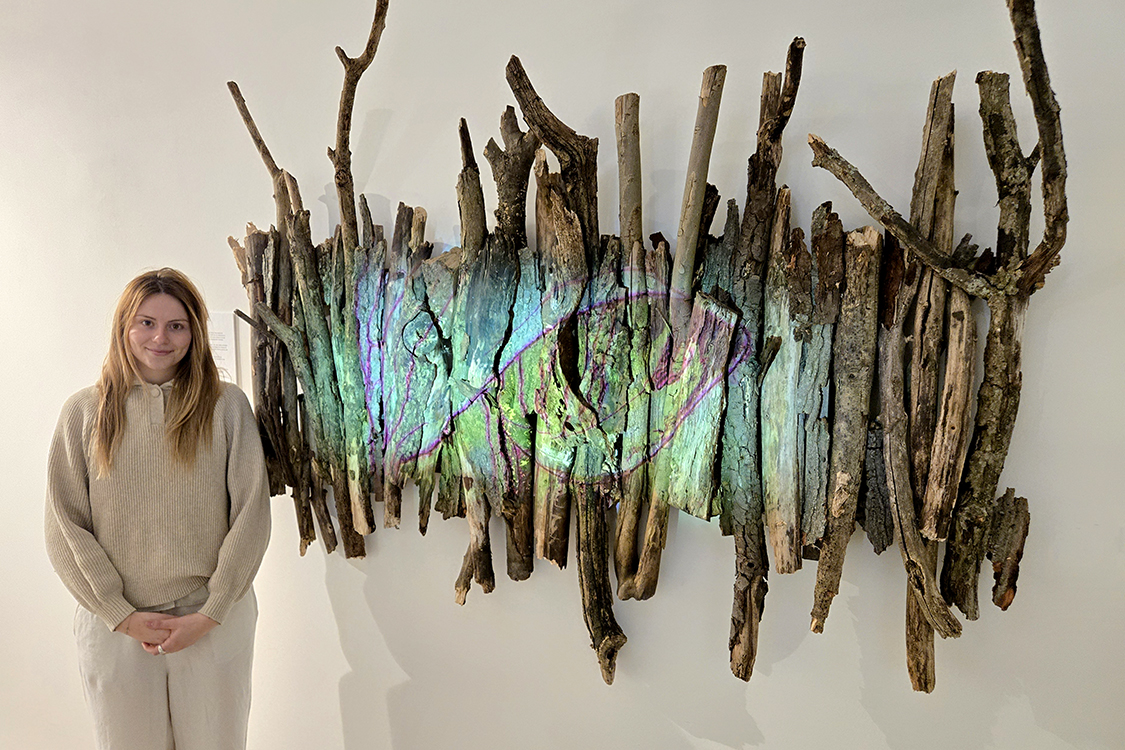
Connor Smyth also remembered anticipating a daunting and intimidating experience.
“I remember thinking that it was going to be very intense and scary,” he said. “But the people around you make it easier.”
Over time, he said persistence proved to be the most valuable lesson of the program, with progress becoming clearer when viewed in retrospect.
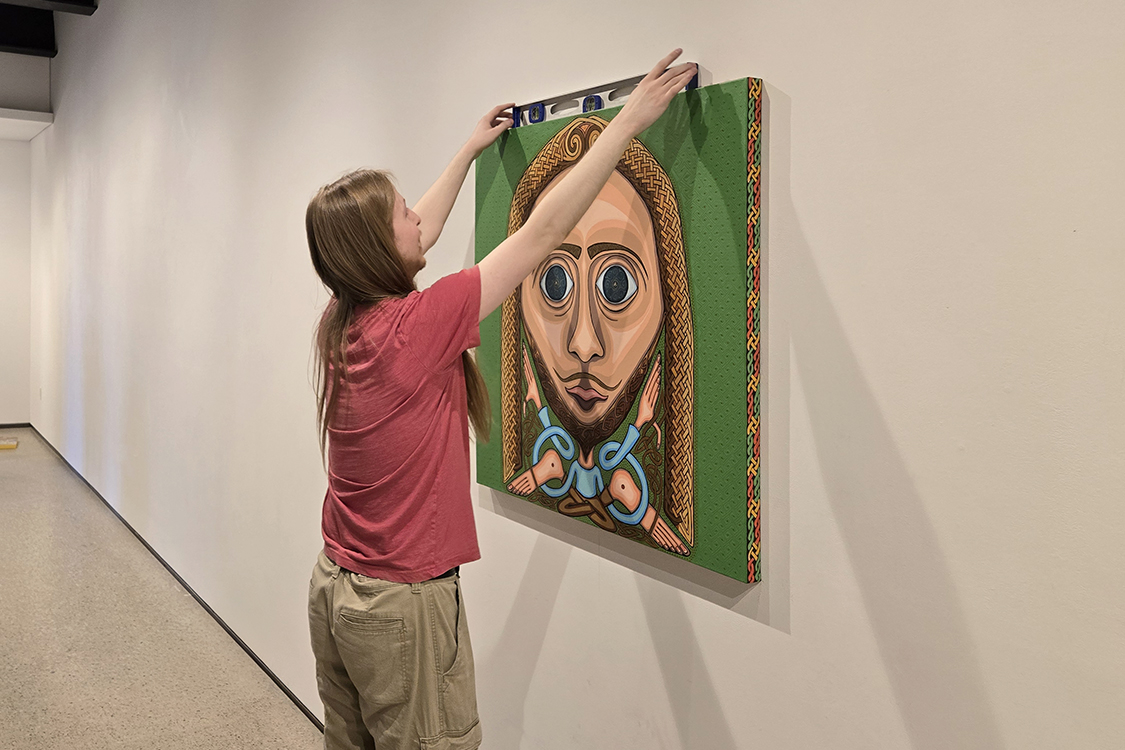
While visual arts student Ophelia Piasentin initially imagined art school as an intense, competitive environment, her first classes offered a different perspective.
“I had never been in a class full of artists that wanted to take an art course because they were passionate about it,” she said.
Being surrounded by peers who chose art out of genuine interest rather than obligation created a sense of excitement and belonging. The program’s slower pace, she added, ultimately allowed space for growth and experimentation without the pressure she once associated with other art schools.
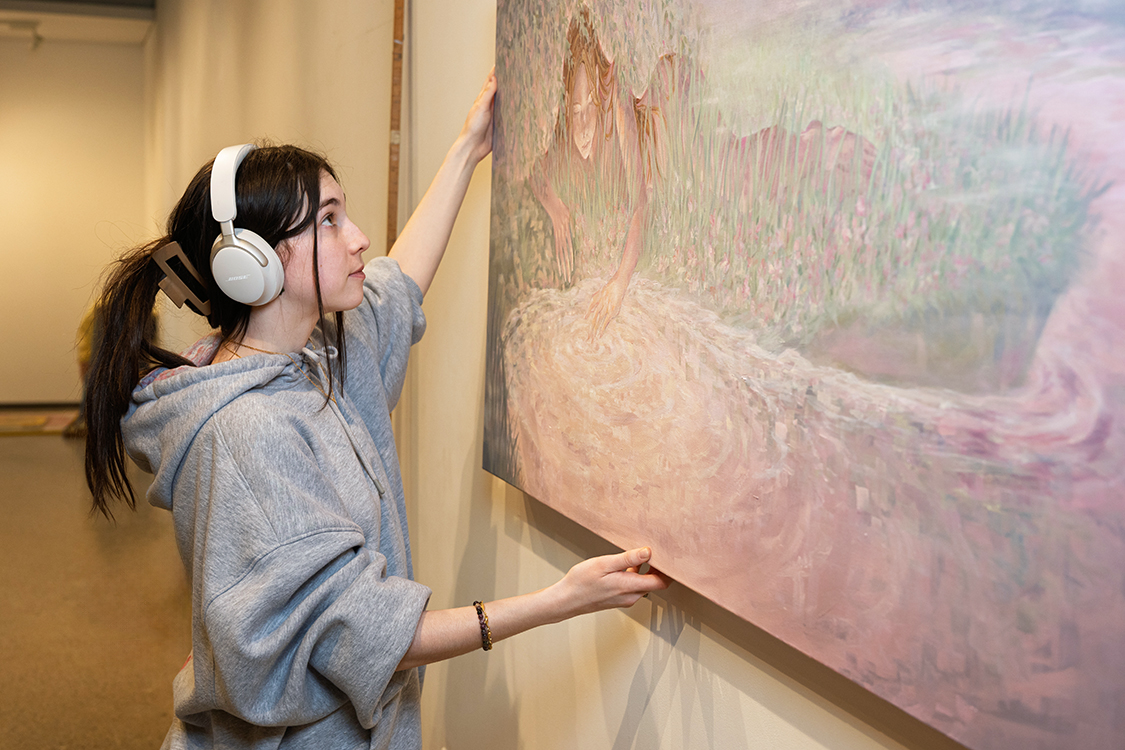
For graduating student Sarah Smitherman, returning to school after nearly a decade in the workforce was both challenging and affirming.
“I am so proud of what my cohort accomplished this past year. We each poured time and effort into our studies, resulting in concepts unique to us,” she said.
Smitherman described the program as a worthwhile investment that introduced new methodologies and collaborators while reinforcing the value of creativity beyond the studio.
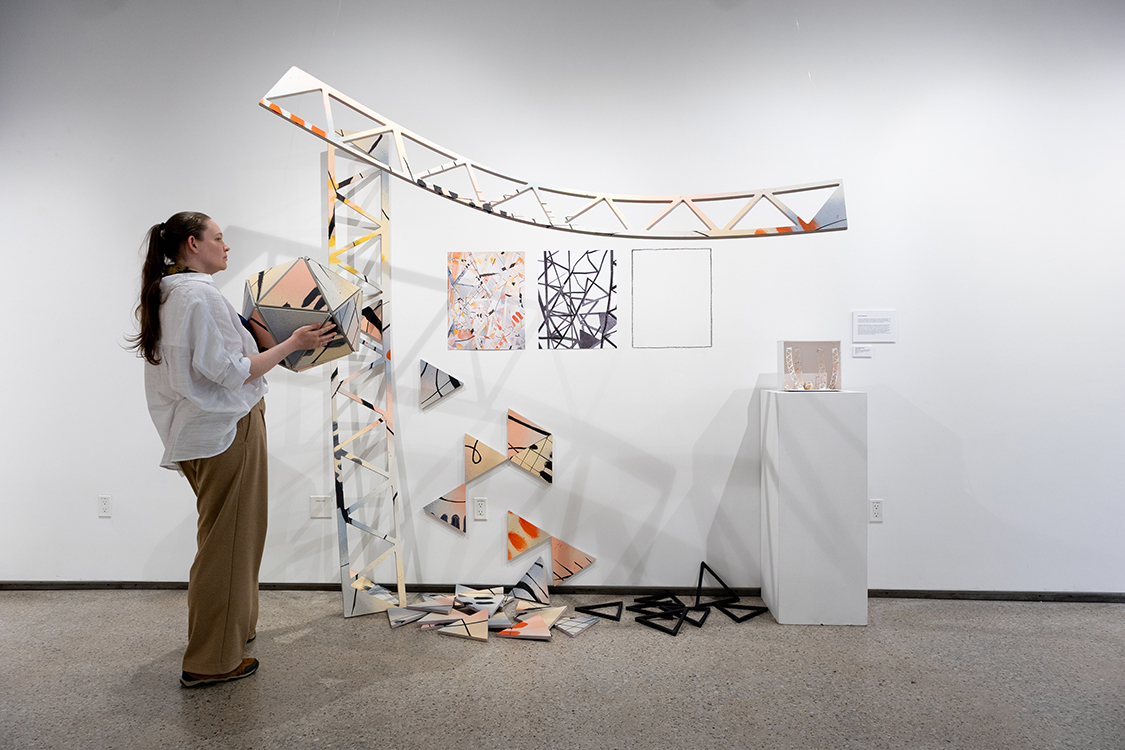
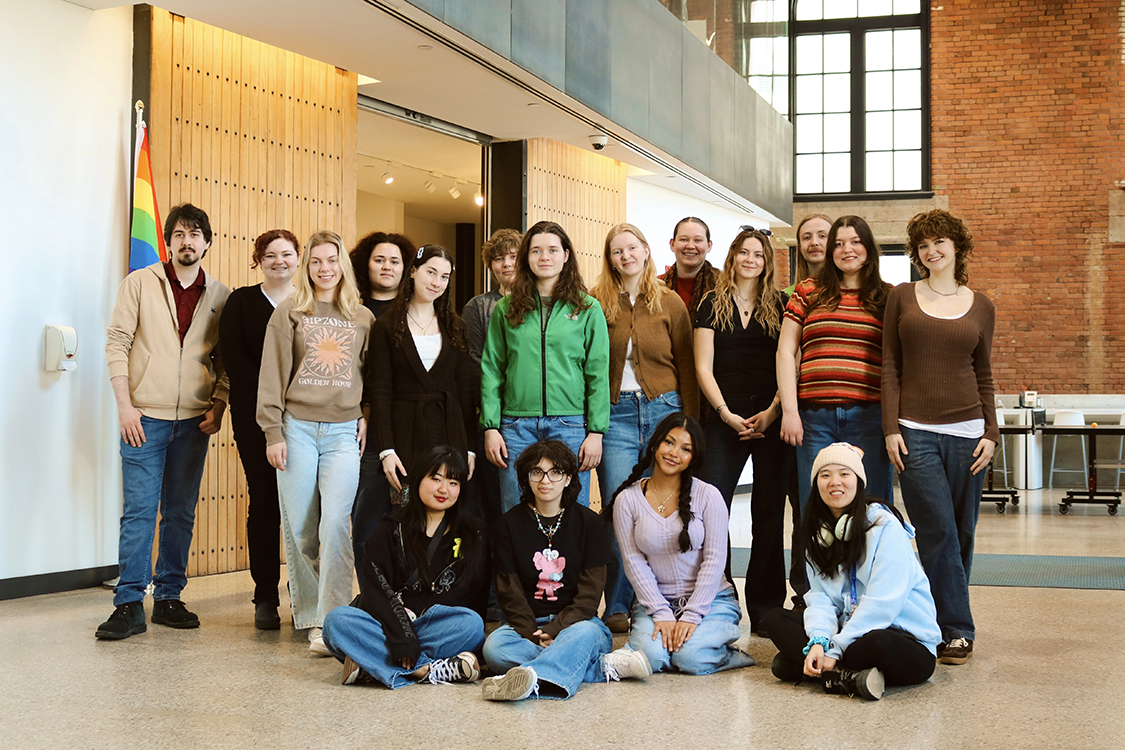
Kaleidoscope marks a moment at the crossroads — both a conclusion and a beginning. While it represents the completion of undergraduate studies, it also signals continued exploration. For these emerging artists, the path ahead remains open, unpredictable and unfinished.