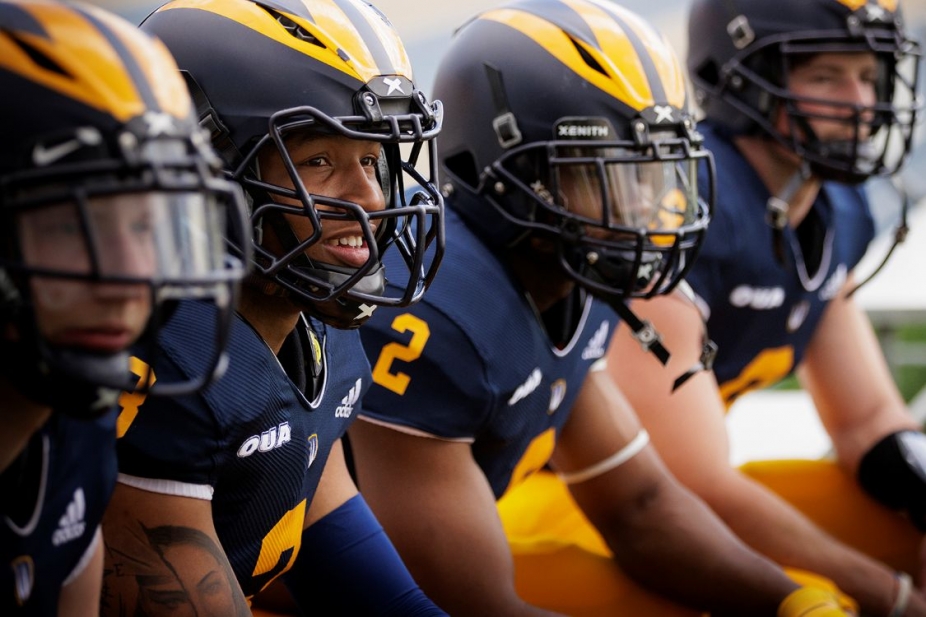
 The heavy gear required for football may put athletes at particular risk when training in extreme heat (JASON JONES/University of Windsor)
By Kate Hargreaves
How hot is too hot to exercise safely?
For Canadian varsity coaches, athletes and even youth sports organizations, getting a clear answer to that question is surprisingly difficult.
With extreme heat blanketing southern Ontario in recent weeks, UWindsor Kinesiology professors Dr. Anthony Bain and Dr. Andrew Perrotta sought out heat training guidelines governing Canadian varsity sports.
“I was shocked that we had nothing,” says Bain.
— Published on Oct 15th, 2026
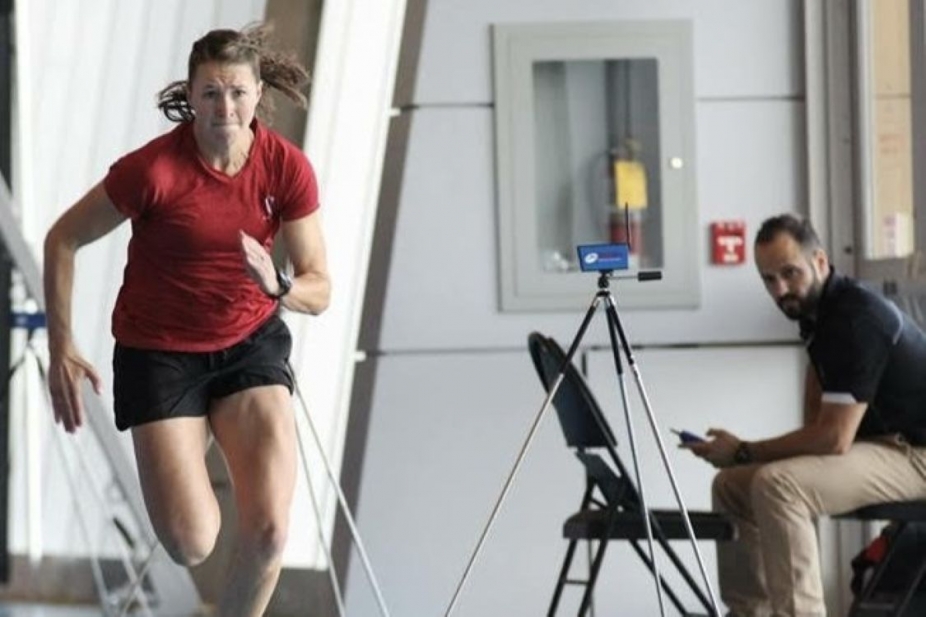 Dr. Andrew Perrotta worked as the physiologist with the Canadian national women’s field hockey team during the Rio Olympic cycle (PROVIDED BY A. PERROTTA/University of Windsor)
By Kate Hargreaves
For female athletes — and women in general — bone health is key to long-term health.
At the same time, research on women’s physiology has often been overlooked in medicine and sports science.
— Published on Oct 16th, 2026
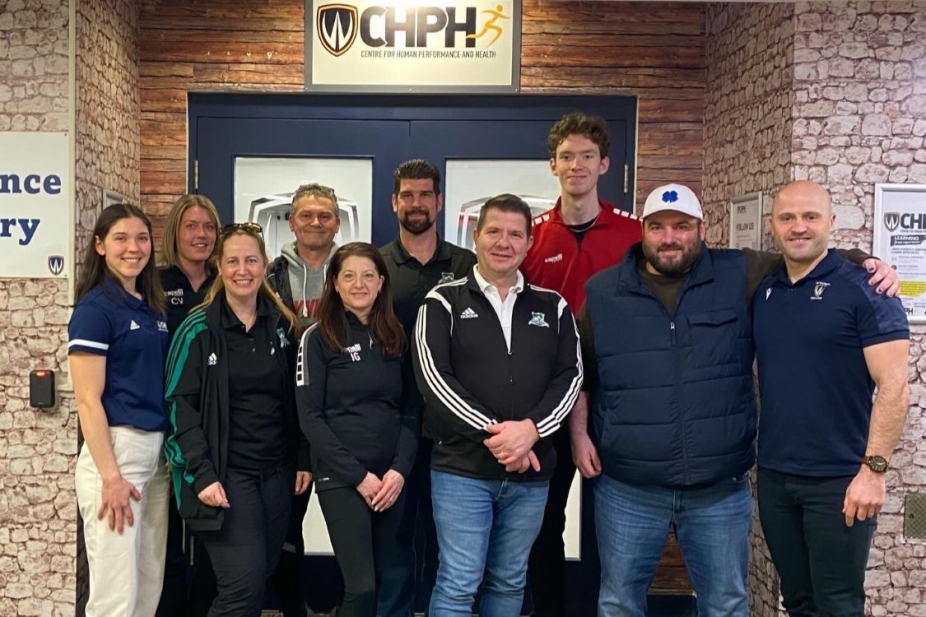 MSc student Abigail Passy (far left) and supervisor Dr. Andrew Perrotta (far right) met with representatives of local soccer clubs (MANWELA YADKOO/University of Windsor)
By Kate Hargreaves
Playing a 90-minute soccer game requires a lot of energy: sprinting, tackling, recovering and then running some more.
That’s not to mention hours a week of on-the-pitch and off-pitch training.
When this energy expenditure is not matched by energy intake, relative energy deficiency — commonly known as REDs — can occur.
For adolescent female soccer players, REDs may be a growing issue.
— Published on Oct 16th, 2026

 The heavy gear required for football may put athletes at particular risk when training in extreme heat (JASON JONES/University of Windsor)
