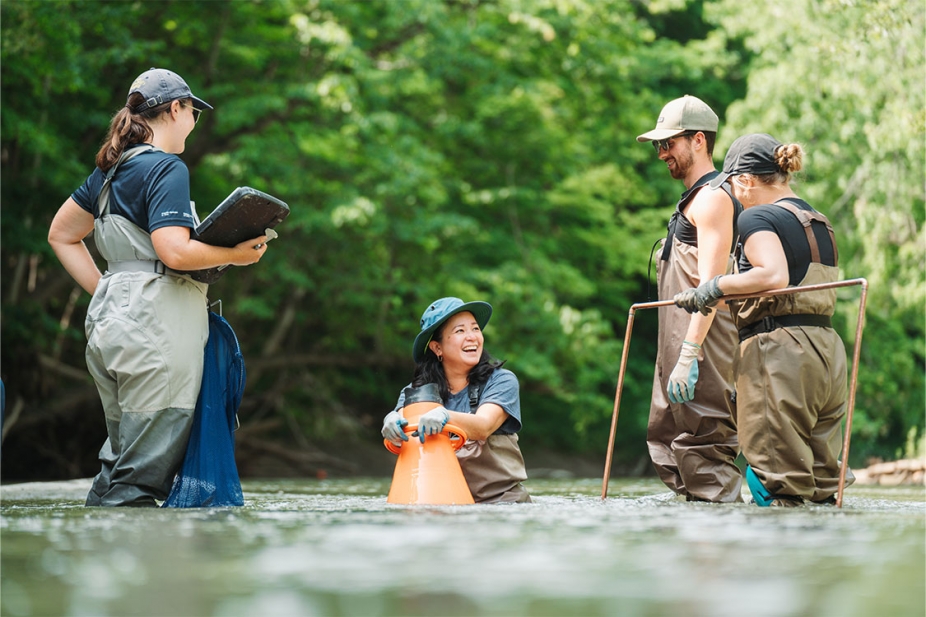
 University of Windsor researcher Dr. Catherine Febria, centre, conducts field work with students in the Sydenham River as part of her freshwater restoration research. (MIKE WILKINS/University of Windsor)
From tracking fish across the Great Lakes to restoring the streams that connect land, water and communities, University of Windsor researchers Dr. Aaron T. Fisk and Dr. Catherine Febria are advancing understanding of how freshwater ecosystems are understood, managed and protected.
Their work has now earned national recognition from the Royal Society of Canada.
Fisk, professor and Tier 1 Canada Research Chair in Changing Great Lakes Ecosystems, has been elected a Fellow of the Royal Society of Canada in recognition of his contributions to aquatic research and leadership.
Febria, associate professor and Tier 2 Canada Research Chair in Freshwater Restoration Ecology, has been elected to the RSC’s College of New Scholars, Artists and Scientists, which recognizes emerging researchers, artists and scholars who have demonstrated a high level of achievement.
Both are researchers with the University of Windsor’s Faculty of Science and the Great Lakes Institute for Environmental Research.
“Having two University of Windsor researchers recognized by the Royal Society of Canada speaks to the strength and impact of the freshwater research taking place here and our strong partnerships with the communities,” says Dr. Shanthi Johnson, vice-president, research and innovation.
“Their work is advancing our understanding of the Great Lakes while helping develop solutions for environmental priorities that matter to communities locally, nationally and globally.”
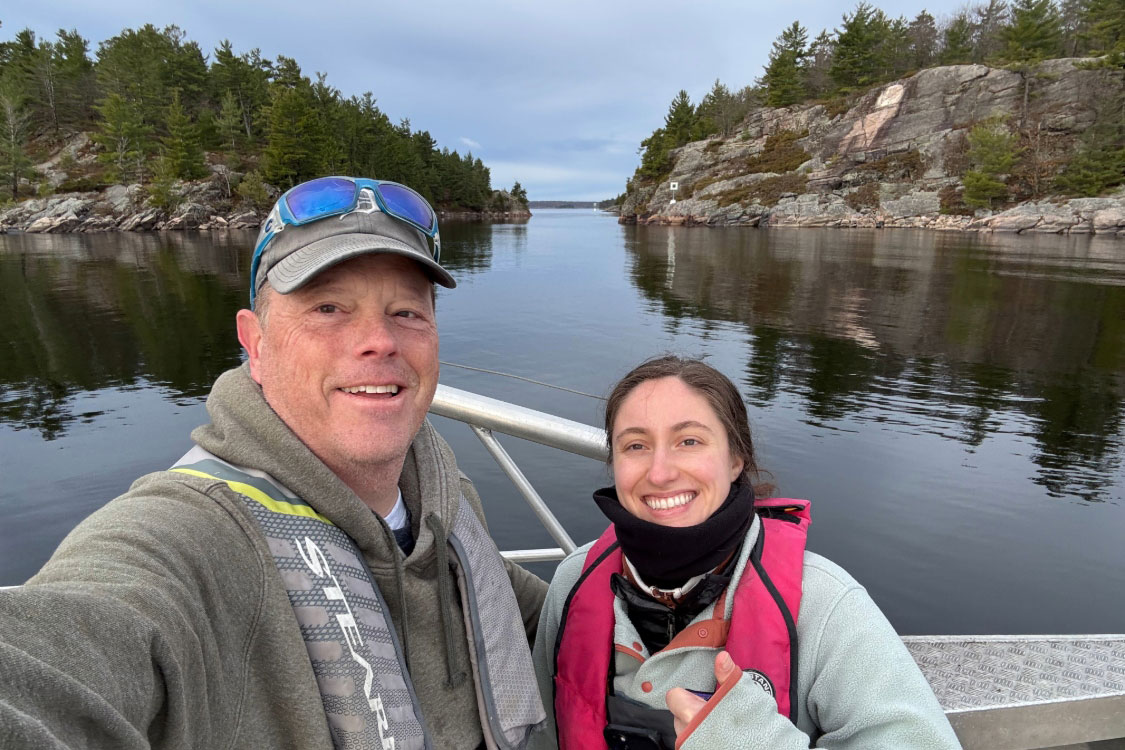
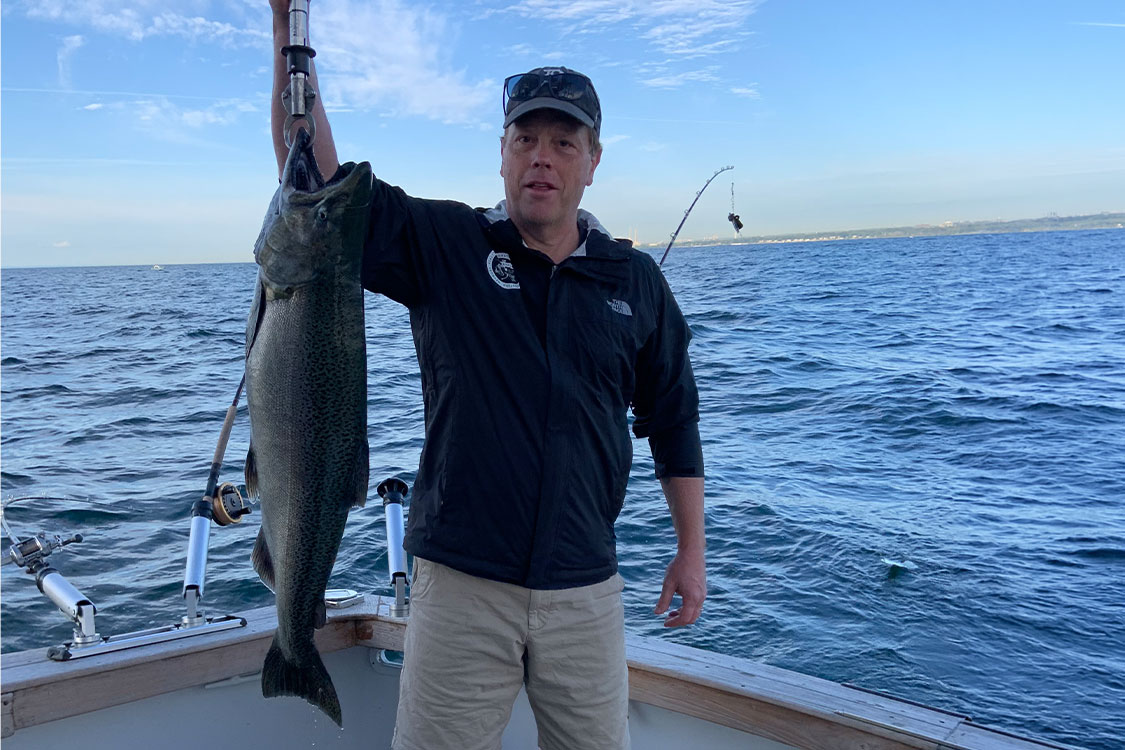
For more than two decades, Fisk has studied aquatic food webs, contaminant dynamics and fish movement across the Great Lakes and the Arctic.
His work uses tools including stable isotopes and acoustic telemetry to understand what aquatic animals eat, where fish travel and spawn and how environmental change affects freshwater ecosystems. Through the Real-Time Aquatic Ecosystem Observation Network (RAEON), Fisk helps provide researchers with the infrastructure, technology and data needed to study and monitor the Great Lakes at scale.
“We’ve had a revolution in the last 15 to 20 years in the Great Lakes,” Fisk says. “Tagging fish, seeing where they move and identifying important habitats has profoundly changed how we look at those ecosystems and how we manage them.”
Febria’s work focuses on freshwater biodiversity, ecosystem restoration and the relationships between healthy watersheds and healthy communities.
Through the Healthy Headwaters Lab, she works with communities and partners to study and restore freshwater ecosystems, with a particular focus on the small streams where land and water meet.
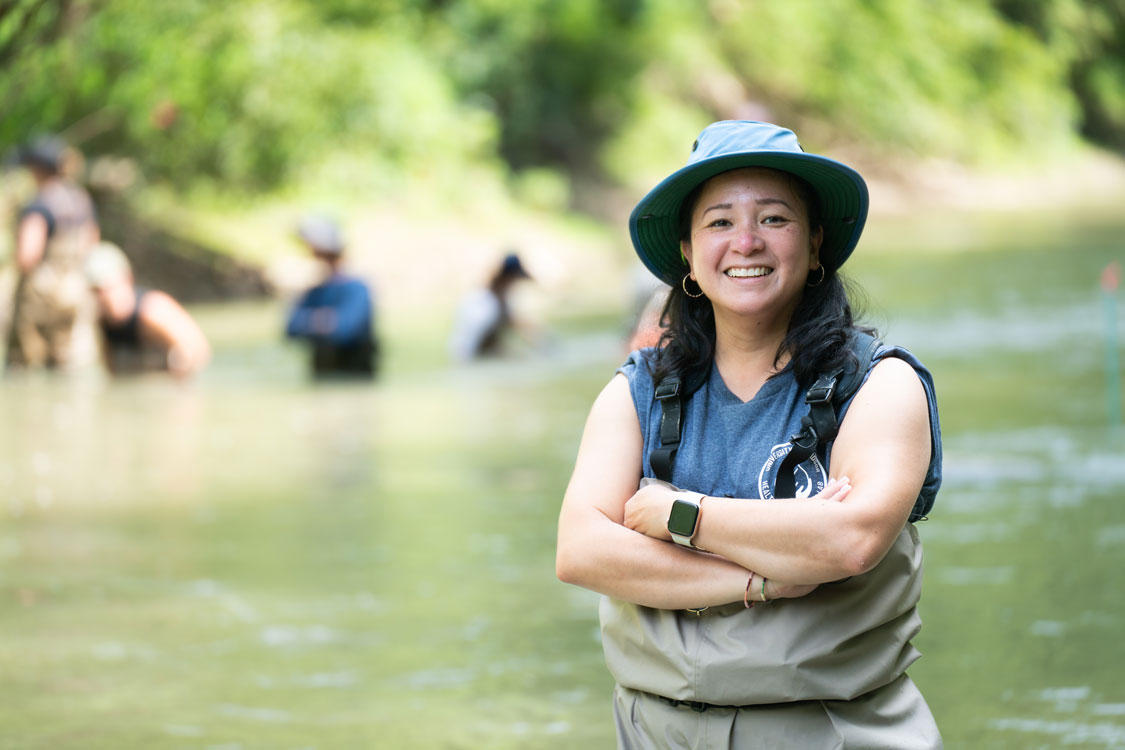
Her research also emphasizes collaborative and inclusive approaches to science, connecting locally grounded work in Windsor-Essex with broader freshwater challenges and priorities.
“My work and the work of our group is able to be both local, national and global and this is just a really wonderful validation of the process and the research methods and the team that we’ve built,” Febria says.
For Febria, the recognition also creates an opportunity to connect Windsor-based research with scholars and communities across Canada.
“It’s really a great beacon for shining a light on the wonderful ecosystems, biodiversity and communities that we find here in Windsor-Essex,” she says.
Founded in 1882, the Royal Society of Canada is Canada’s national academy of the arts, humanities and sciences. Its Fellows are recognized for outstanding scholarly, scientific and artistic achievement, while the College recognizes excellence among researchers, artists and scholars at an earlier stage in their careers.