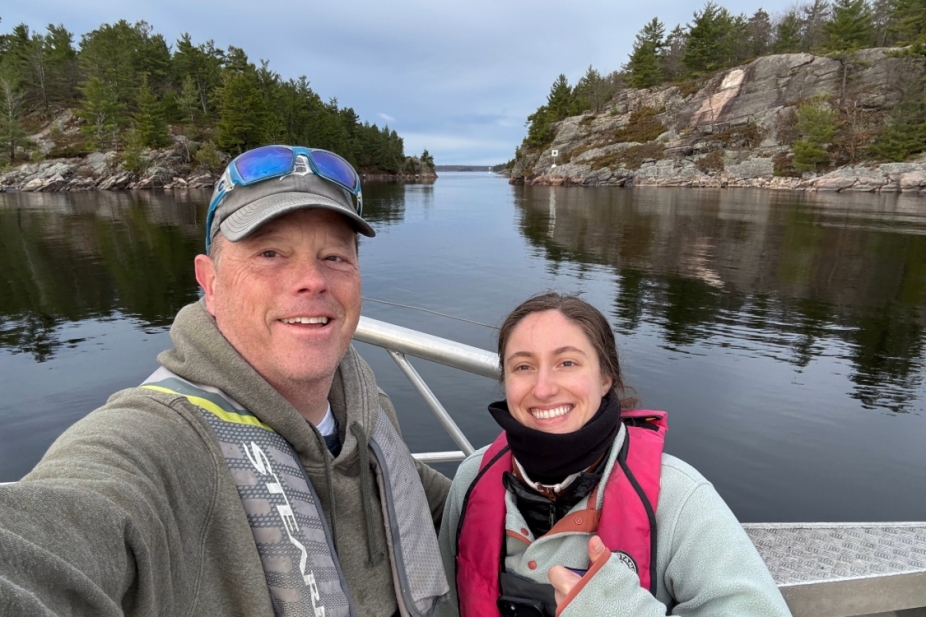
 Aaron Fisk with former graduate student and current RAEON glider technician, Lydia Paulic, in Parry Sound. (Courtesy of Aaron Fisk/University of Windsor)
By Sara Elliott
For more than two decades, University of Windsor researcher Dr. Aaron T. Fisk has helped change how scientists understand freshwater ecosystems – from how contaminants move through aquatic food webs to where fish travel, feed and spawn across the Great Lakes and the Arctic.
That body of work has now earned Fisk one of Canada’s highest academic honours.
— Published on Sep 9th, 2026
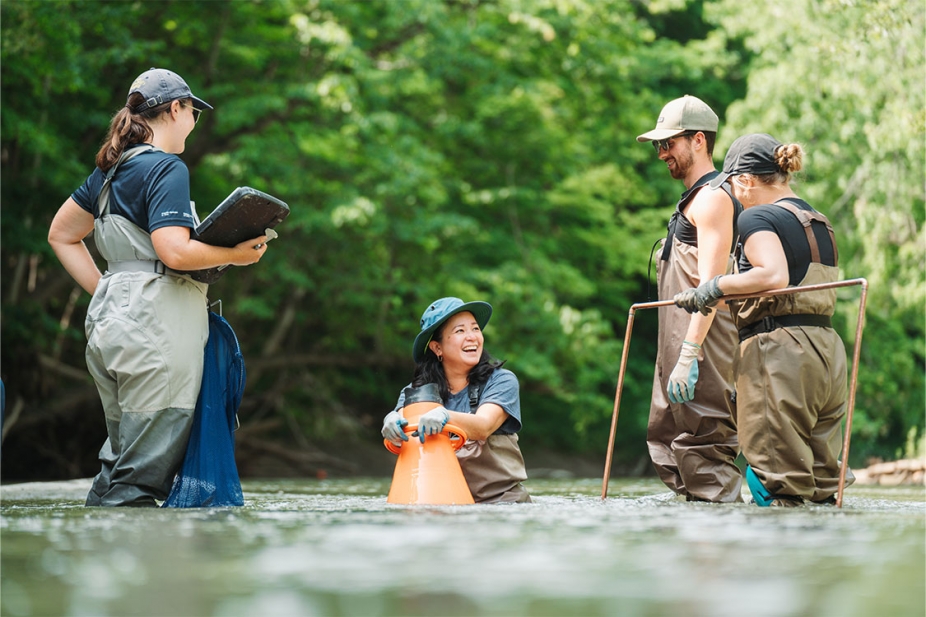 University of Windsor researcher Dr. Catherine Febria, centre, conducts field work with students in the Sydenham River as part of her freshwater restoration research. (MIKE WILKINS/University of Windsor)
From tracking fish across the Great Lakes to restoring the streams that connect land, water and communities, University of Windsor researchers Dr. Aaron T. Fisk and Dr. Catherine Febria are advancing understanding of how freshwater ecosystems are understood, managed and protected.
Their work has now earned national recognition from the Royal Society of Canada.
Fisk, professor and Tier 1 Canada Research Chair in Changing Great Lakes Ecosystems, has been elected a Fellow of the Royal Society of Canada in recognition of his contributions to aquatic research and leadership.
— Published on Sep 9th, 2026

 Aaron Fisk with former graduate student and current RAEON glider technician, Lydia Paulic, in Parry Sound. (Courtesy of Aaron Fisk/University of Windsor)
