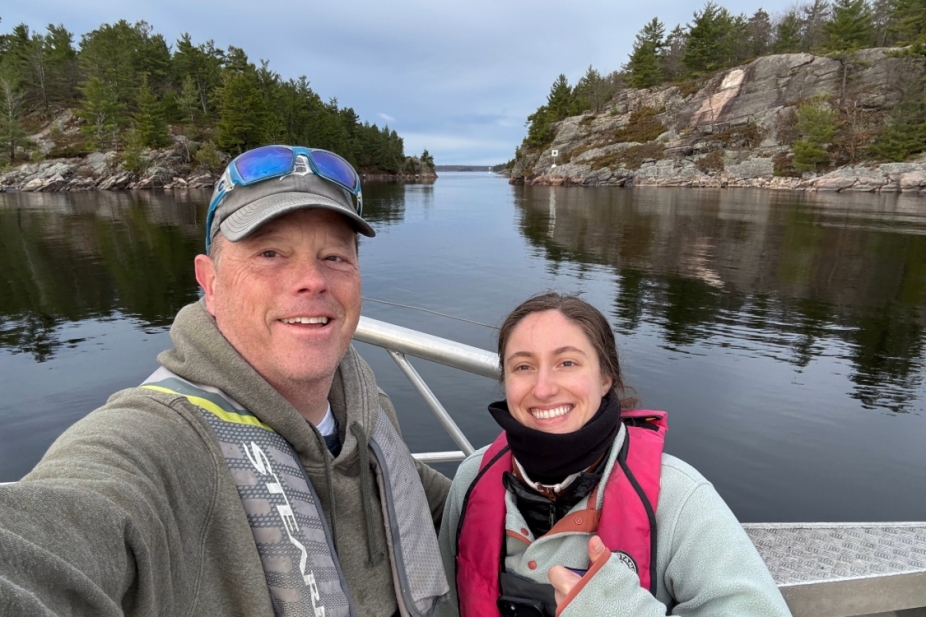
 Aaron Fisk with former graduate student and current RAEON glider technician, Lydia Paulic, in Parry Sound. (Courtesy of Aaron Fisk/University of Windsor)
By Sara Elliott
For more than two decades, University of Windsor researcher Dr. Aaron T. Fisk has helped change how scientists understand freshwater ecosystems – from how contaminants move through aquatic food webs to where fish travel, feed and spawn across the Great Lakes and the Arctic.
That body of work has now earned Fisk one of Canada’s highest academic honours.
— Published on Sep 9th, 2026
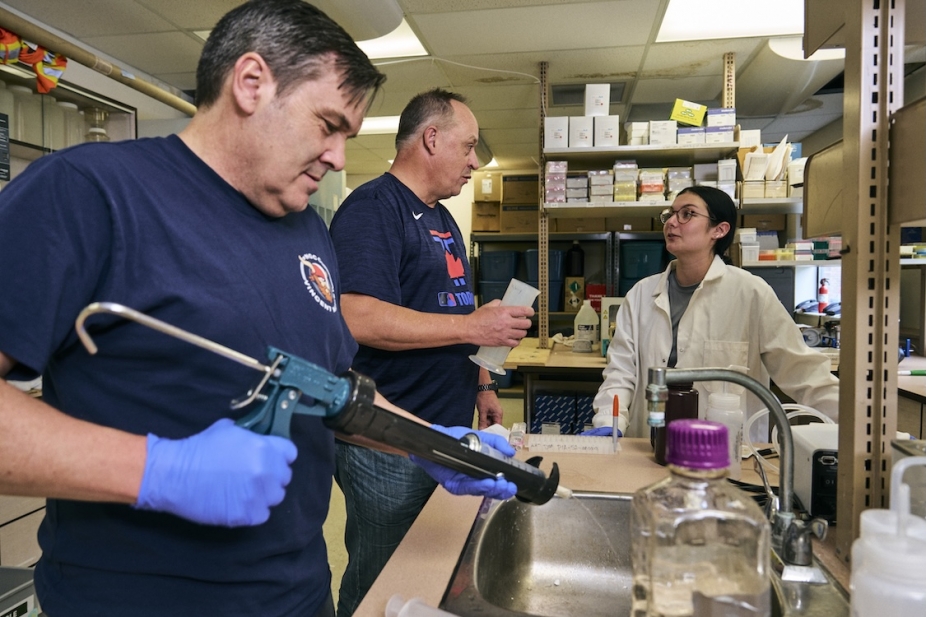 From left, Dr. Michael McKay, Steven W. Wilhelm and Brittany N. Zepernick conducting research in the lab. (Photo by the Daylight Award/University of Windsor)
By Sara Elliott
As climate change strips ice from the Great Lakes, something less visible is also changing: the underwater world of light that microscopic life depends on.
When ice recedes, wind and water stir sediment, clouding the water and blocking the sunlight that drives photosynthesis at the base of the food web. What looks like a simple seasonal shift is, in scientific terms, a restructuring of habitat.
— Published on May 20th, 2026
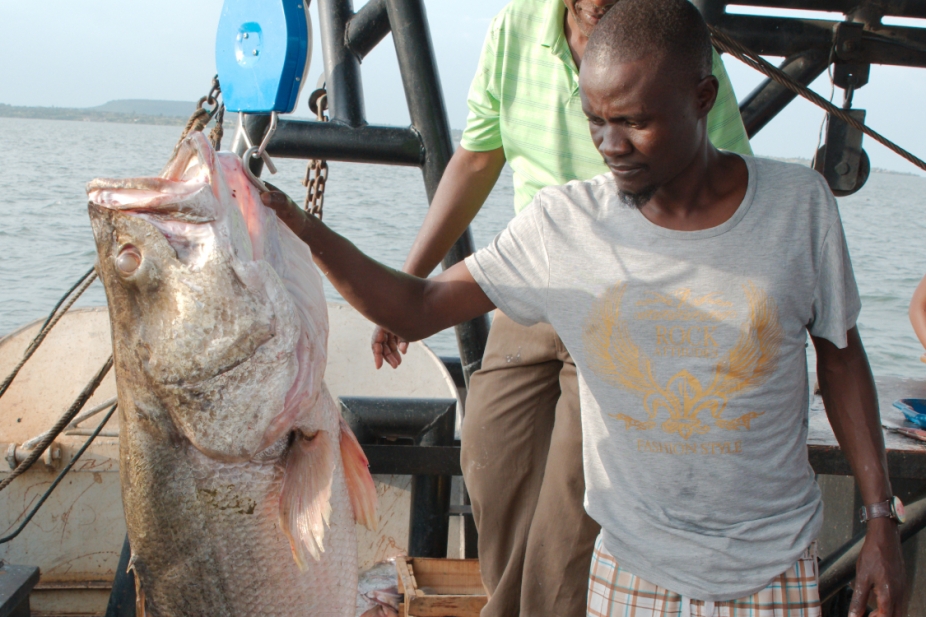 PhD candidate Dennis Otieno’s research shows that some farmed fish would prefer consuming microscopic organisms to commercial fish food pellets. (Photo courtesy of Ken Drouillard/University of Windsor).
By Sara Elliott
Some farmed fish are snubbing commercial fish food pellets in favour of naturally and freely available microscopic organisms and invertebrates.
That is according to PhD candidate Dennis Otieno’s study which showed farmed tilapia in net-pen cages in Kenya were not significantly consuming the provisioned commercial fish feed – one of the highest costs of production.
— Published on Jan 20th, 2026
By Sara Elliott
Nigel Hussey’s shark research takes him around the world where he sees first-hand the critical nature of conservation work.
Now, as part of a massive international study looking at the movement of threatened, large marine animals, he says we can see the harsh reality of global marine conservation.
“The study shows we’re not protecting habitat for key functions for these species,” he says.
— Published on Jul 9th, 2025

 Aaron Fisk with former graduate student and current RAEON glider technician, Lydia Paulic, in Parry Sound. (Courtesy of Aaron Fisk/University of Windsor)
