 Elizabeth Szymanski is a doctoral candidate in education researching pre-service teachers' familiarity with social-emotional learning (PROVIDED BY E. SZYMANSKI/University of Windsor)
By Kate Hargreaves
Being a teacher is about more than getting kids up to speed on their reading, writing and math.
Teachers also support students as they solve problems, build relationships, set goals and manage emotions.
These skills are part of social-emotional learning (SEL), which takes place every day in elementary and secondary schools. But PhD researcher Elizabeth Szymanski (BA, ECE, BEd, MEd) says that teacher candidates don’t necessarily feel prepared to take it on.
— Published on Sep 18th, 2026
 A new Anxiety Canada Speaker series will launch at the University of Windsor on Thursday, Sept. 24, 2026.
By Lindsay Charlton
Studies suggest nearly one in three people will experience an anxiety disorder in their lifetime, sometimes beginning early in life and affecting quality of life for years.
— Published on Sep 17th, 2026
 Mahshid Soleimani, lab manager and doctoral student in applied social psychology (left), and Dr. Catherine Kwantes, professor of industrial organizational psychology in the Department of Psychology (right) in the University of Windsor's Centre for Culture and Organizational Research (CCOR). (ANGELA KHARBOUTLI/ University of Windsor).
By Lindsay Charlton
What happens when leaders’ ideal impact on their employees doesn't align with employees’ experiences?
University of Windsor researchers are examining how that gap in self-awareness influences workplace dynamics.
— Published on Jun 30th, 2026
 Sarah Julius is the winner of the Faculty of Education's Most Valuable Student award for 2026 (FILE/University of Windsor)
By Kate Hargreaves
Sarah Julius is used to balancing a lot.
A recent graduate of the University of Windsor’s concurrent education program in psychology and early childhood education, Julius (BEd, BA, ECE ’26) crossed the stage in June to receive two degrees and a college diploma.
— Published on Jun 17th, 2026
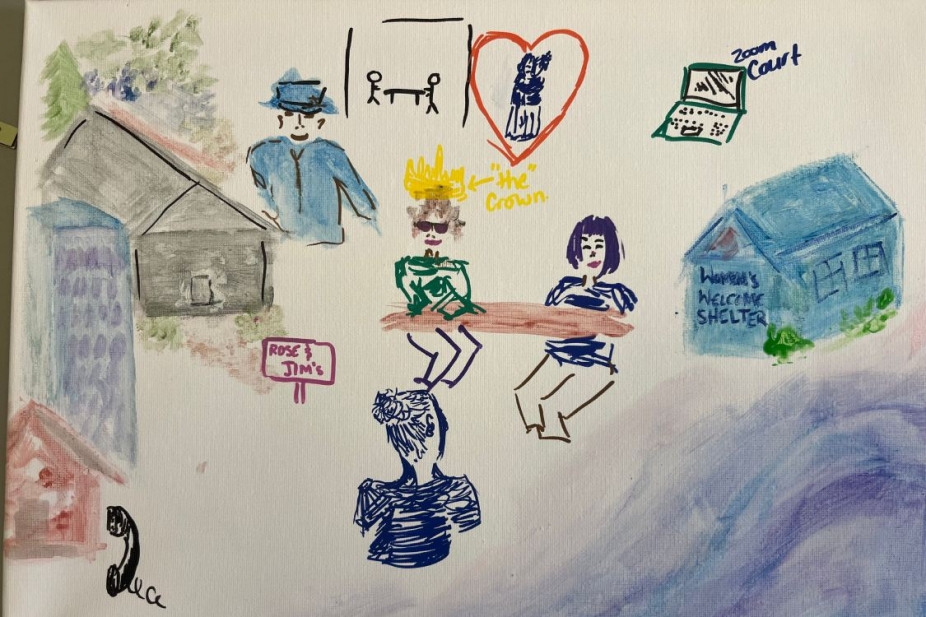 A participant-created artwork from the study visually maps the complex help-seeking journey women often navigate after leaving a violent intimate partner. (SUBMITTED BY RACHEL ELLIOTT/University of Windsor)
By Sara Meikle
For many women leaving a violent intimate partner, the journey to safety continues long after the relationship ends.
Rebuilding health, stability and quality of life often means navigating healthcare, housing, social services and community supports — a complex process researchers at the University of Windsor are exploring through an innovative arts-based study.
As May marks Domestic and Family Violence Prevention Month, the project examines the help-seeking journeys of women who have physically separated from violent intimate partners.
— Published on May 26th, 2026
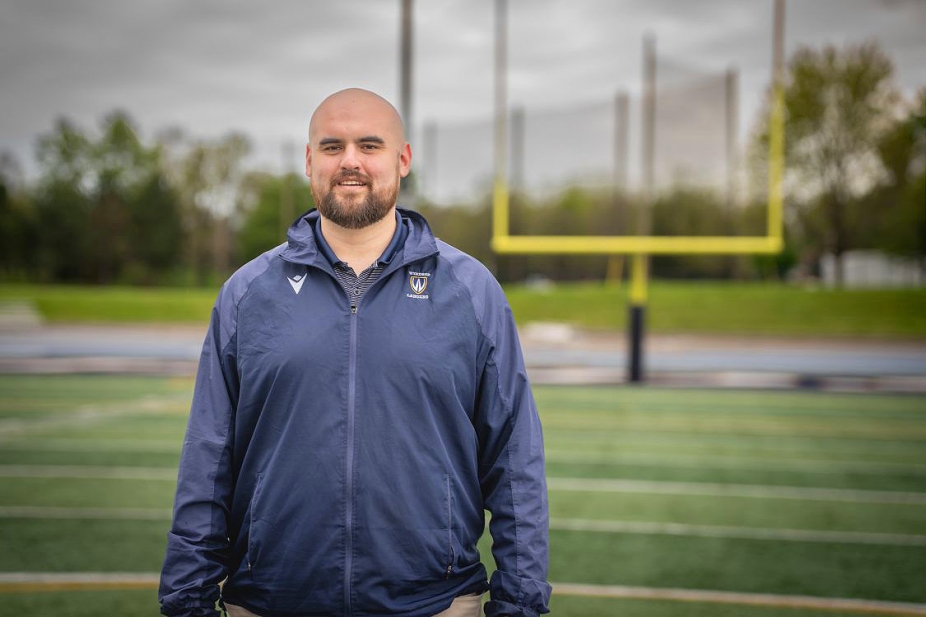 UWindsor alum, Indigenous graduation coach and Lancer football offensive line coach Randy Beardy (KYLE ARCHIBALD/University of Windsor)
By Kate Hargreaves
Randy Beardy never imagined himself becoming a teacher.
“I’m kind of a rebel at heart,” he laughs. “If you tell me to do something, I have a hard time doing it.”
Rather than following in his mother's footsteps — also a University of Windsor BEd alum, Beardy (BA Psychology ’17, BEd ’24) says he wanted to become a football coach.
— Published on May 7th, 2026
 Dr. Carlo Charles, professor in the University of Windsor’s Department of Sociology and Criminology, will host two upcoming events exploring migration, race, sexuality and the experiences of queer and trans migrants in Windsor. (MIKE WILKINS/ The University of Windsor)
By Lindsay Charlton
From a young age, Dr. Carlo Charles has been interested in the human experience, first exploring that curiosity through art and storytelling.
As a boy growing up in Haiti, the sociology professor wrote songs, poetry and plays. By age 14, he had formed a theatre troupe of about 25 friends and staged plays at local churches for the community.
— Published on Mar 18th, 2026
 Eating disorder awareness week runs Feb. 1 to 7 each year (stock: Microsoft SharePoint/University of Windsor)
By Kate Hargreaves
Education and awareness are key when it comes to preventing eating disorders.
Each Feb. 1 to 7, eating disorder awareness week encourages Canadians to learn more about eating disorders, challenge weight and body stigma and become familiar with resources and services that can help those who are struggling.
This year’s theme is “health doesn’t have a look,” challenging harmful beliefs that suggest being healthy means being thin.
— Published on Feb 4th, 2026
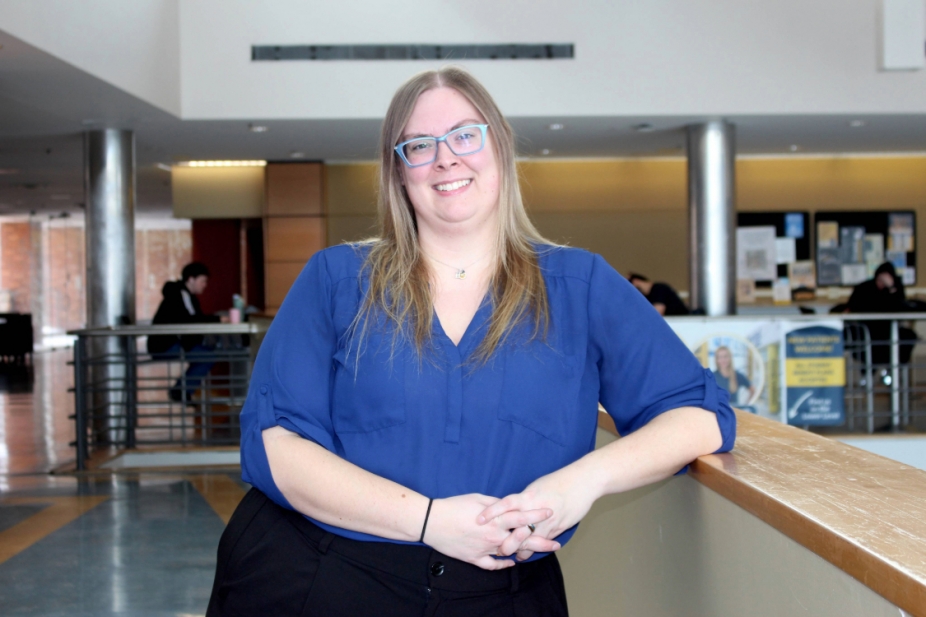 Gena Dufoura, PhD candidate in applied social psychology, recently received a renewal of the Ontario Health Scholars Doctoral Award, administered by the Council of Ontario Universities, in recognition of outstanding contributions to women’s health research for her work exploring fear of institutional betrayal on university campuses. Pictured at the University of Windsor in Windsor, Ont., on Tuesday, Jan. 27, 2026. (ANGELA KHARBOUTLI/ University of Windsor)
By Lindsay Charlton
How institutions respond to gender-based violence can shape survivors’ recovery — and, if inadequate, can deepen harm, says a University of Windsor researcher investigating how campus responses to sexual assault influence healing and long-term outcomes.
— Published on Jan 27th, 2026
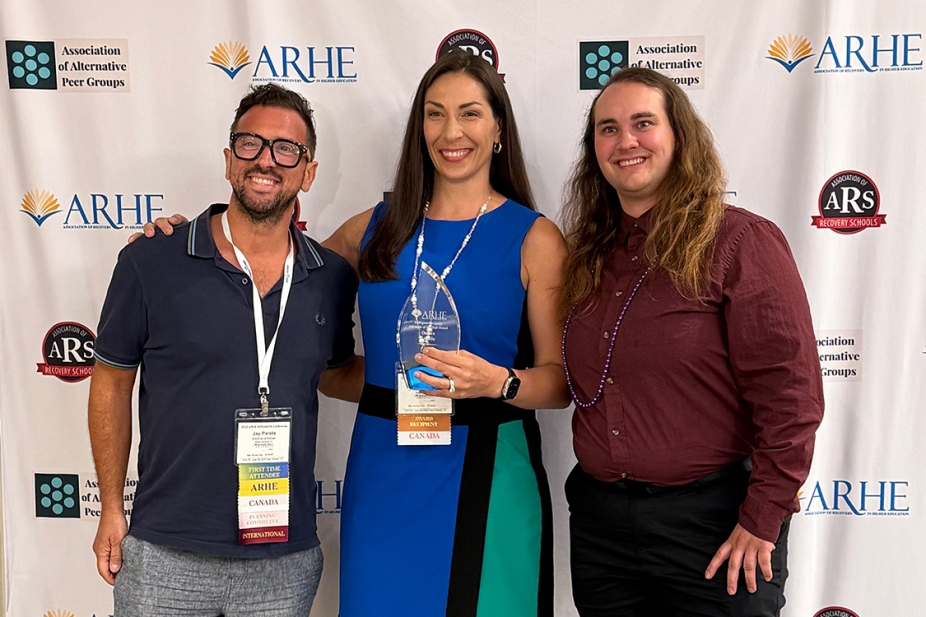 Dr. Onawa LaBelle (centre) receives the Association of Recovery in Higher Education (ARHE) Recovery Advocate of the Year award which honours individuals who promote the advancement, implementation and sustainability of recovery in local and national academic institutions. (JACKSON SPENSER/University of Windsor)
Solcz Family Foundation supports UWindsor’s Lancers Recover campus addiction recovery program
The University of Windsor’s Lancers Recover program has received a $10,000 grant from the Solcz Family Foundation to expand outreach, training and partnership-building efforts that support students affected by substance use and behavioural addictions.
— Published on Jan 26th, 2026

 Elizabeth Szymanski is a doctoral candidate in education researching pre-service teachers' familiarity with social-emotional learning (PROVIDED BY E. SZYMANSKI/University of Windsor)

