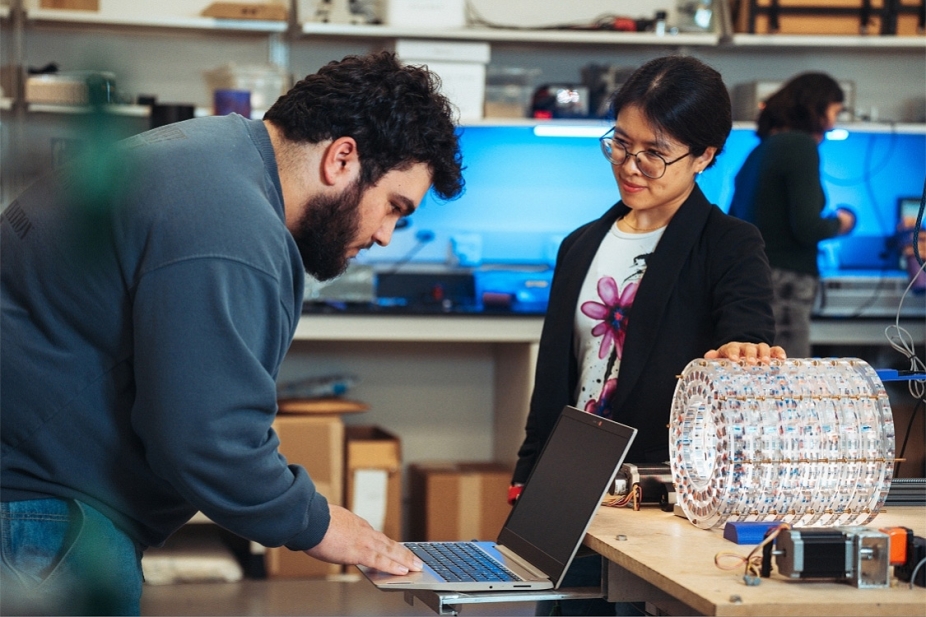
 Dr. Dan Xiao (right) is designing a low-cost magnetic resonance imaging device. (University of Windsor)
By Sara Elliott
Ten University of Windsor researchers are turning their work into ventures as members of the inaugural Innovation Fellowship cohort.
The fellows aim to bring research-based business ideas to market, from a cybersecurity training program to a low-cost magnetic resonance imaging (MRI) device.
— Published on Jul 21st, 2026
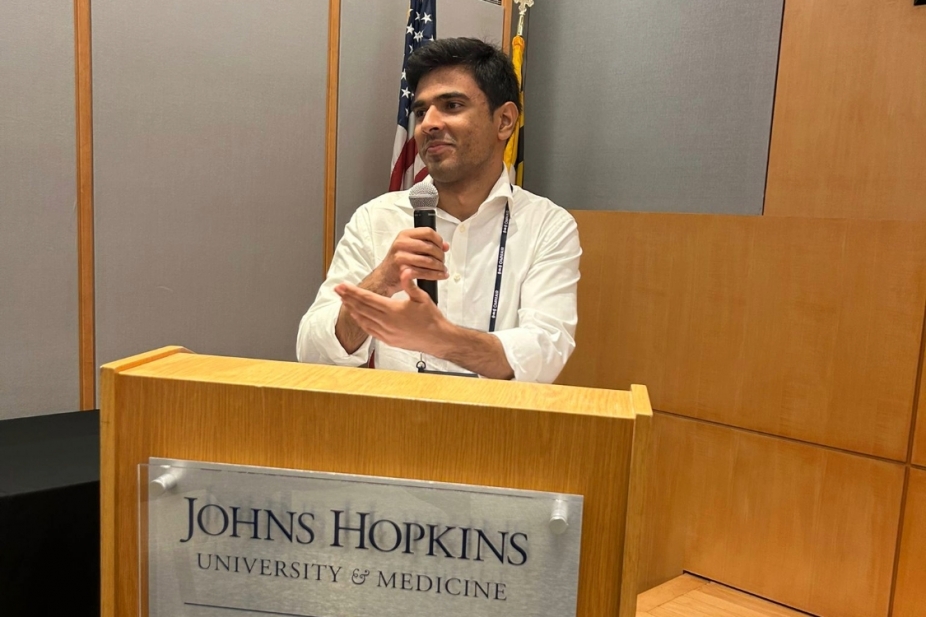 Hashim Tayyab Shah presents at the inaugural OmniAir Hackathon held at Johns Hopkins University in Baltimore. (Courtesy of Hashim Tayyab Shah/University of Windsor)
By Sara Elliott
A future where vehicles communicate directly with one another is not so distant — but is the technology safe enough to deploy?
That question was at the centre of the inaugural OmniAir Hackathon held at Johns Hopkins University in Baltimore, where three University of Windsor graduate students earned first place for their research.
— Published on Jun 25th, 2026
 Dr. Jeffrey G. Rau received the Herzberg Medal at the 2026 Canadian Association of Physicists Congress.
By Sara Elliott
His mother may not fully grasp what he does for a living, but theoretical condensed matter physicist Dr. Jeffrey G. Rau (BSc ‘08) is in global demand for his expertise in quantum magnetism.
The University of Windsor researcher does not run experiments in a lab. Instead, he builds mathematical and computational models to understand and predict how magnetic materials behave at the atomic level.
— Published on Jun 22nd, 2026
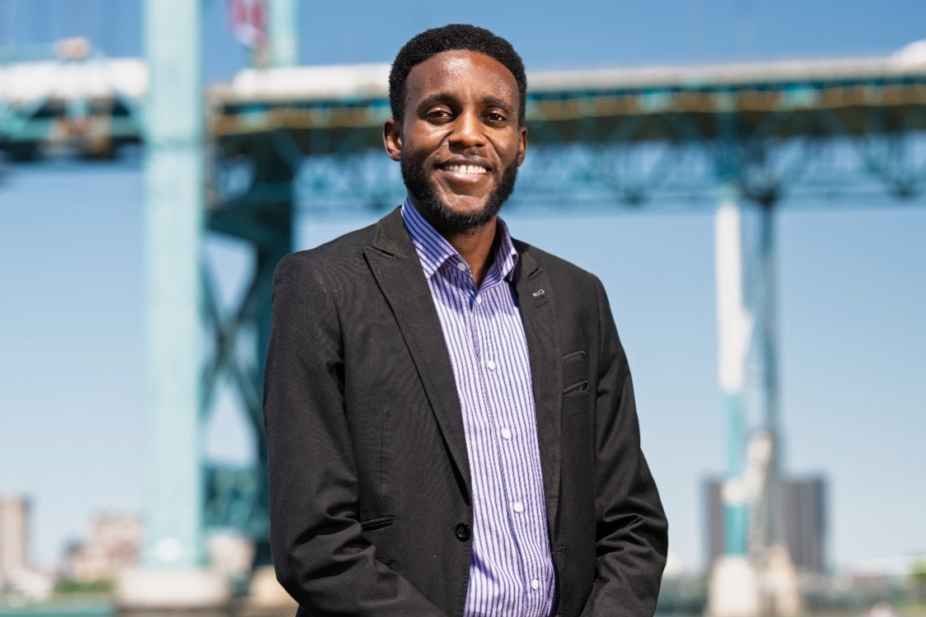 Dr. Opeyemi Lawal is the Canada Research Chair in Environmental and Public Health Genomics. (PETER MARVAL/University of Windsor)
By Sara Elliott
Drug-resistant infections are silently spreading through water, soil, food systems and healthcare settings — often undetected until they become a public health emergency.
At the University of Windsor, environmental microbiologist Dr. Opeyemi Lawal is developing new ways to spot these threats early, understand why they persist, and stop them before they spread.
— Published on Jun 18th, 2026
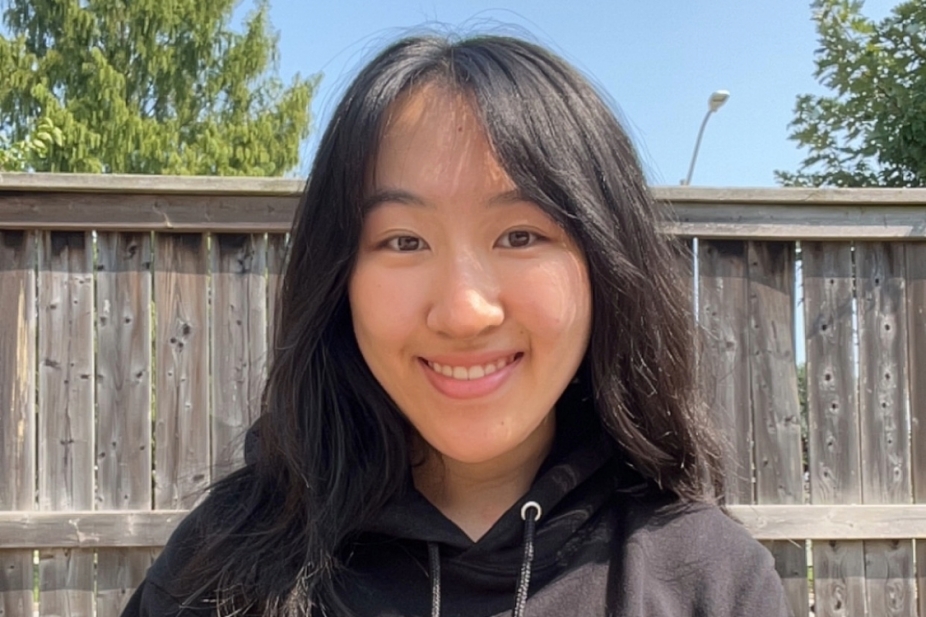 Honours biochemistry and biomedical sciences undergraduate Vivian Peng is the student leader for Science Olympiad 2026. (Courtesy of Vivian Peng/University of Windsor)
By Sara Elliott
One Science Olympiad volunteer in particular takes personal pride in the success of the annual event at the University of Windsor.
Honours biochemistry and biomedical sciences undergraduate Vivian Peng is not only the student leader for Science Olympiad, but she was also a participant herself.
— Published on Jun 22nd, 2026
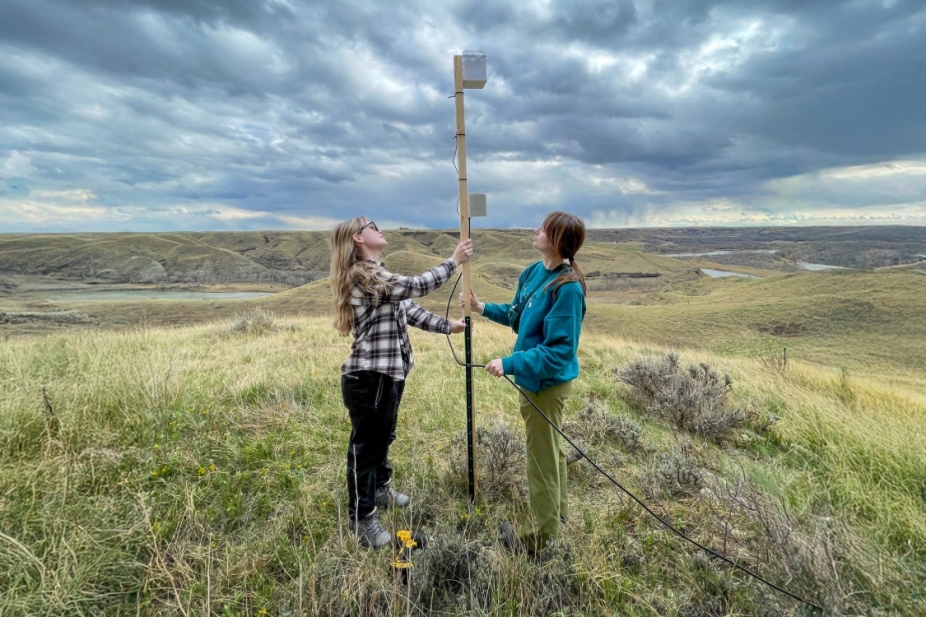 Natalie Emerick and Madison Bygrove trekked across Canada installing 100 audio recorders. (Photo courtesy of Dan Mennill/University of Windsor)
By Sara Elliott
Every night during spring migration, millions of birds cross Canada in darkness, calling out to one another to stay together.
Until now, no one was listening.
— Published on Jun 19th, 2026
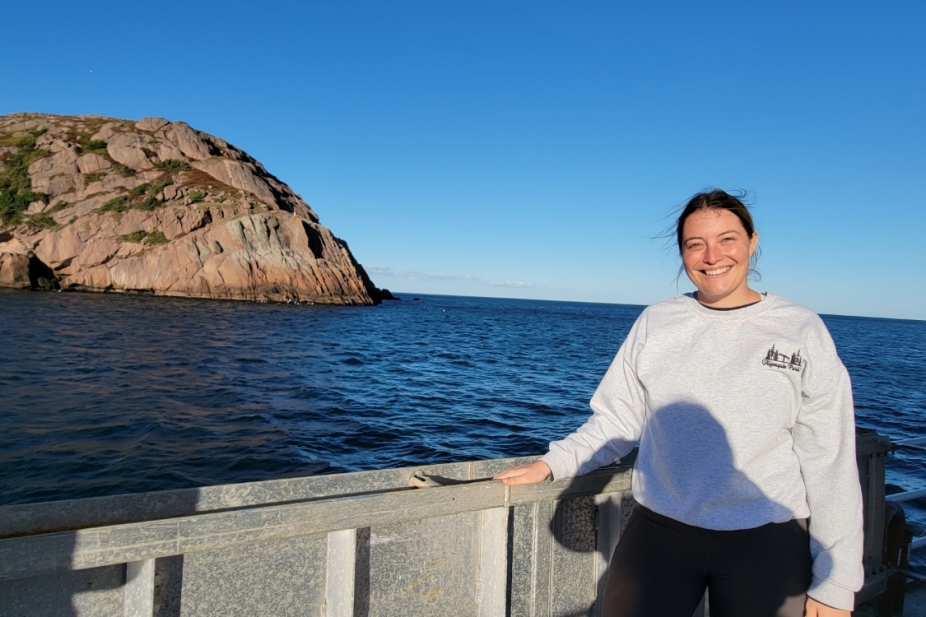 Rachel Koop leaving St John's for a 10-day offshore trip. (Photo: Dylan O'Neill, Department of Fisheries and Oceans/University of Windsor)
By Sara Elliott
When they were children, Rachel Koop and Riley Beach unknowingly shared the same dream: becoming marine biologists.
Growing up by the Great Lakes, it seemed unlikely.
— Published on Jun 8th, 2026
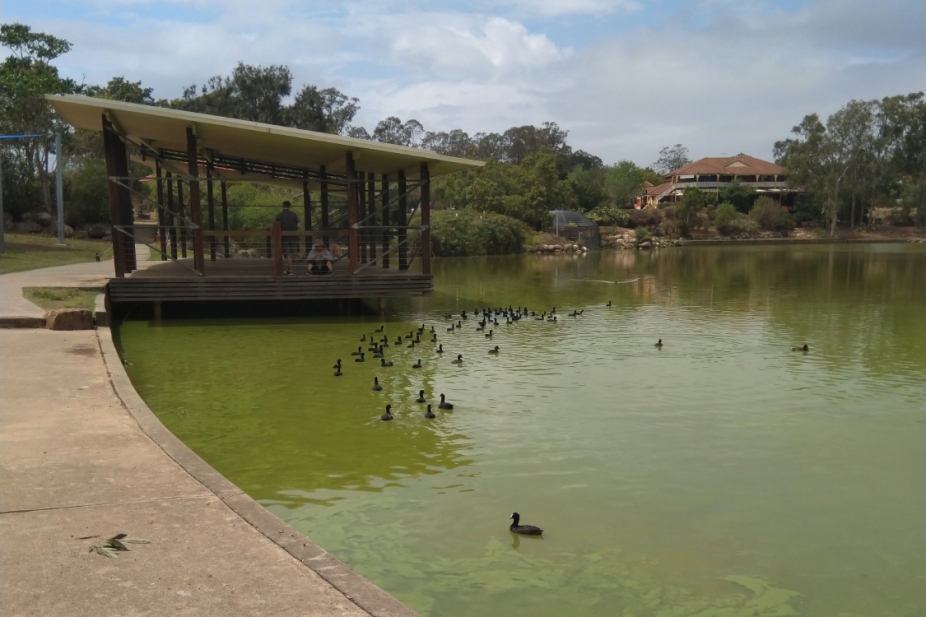 University of Windsor researchers have partnered with global experts to write a five-year action plan aimed at understanding the risk of highly toxic blue-green algae blooms. (Photo: David Hamilton, Griffith University/University of Windsor)
By Sara Elliott
University of Windsor researchers have partnered with global experts to write a five-year action plan aimed at understanding the risk of highly toxic blue-green algae blooms.
The five-year research plan outlines priorities to address the threats these blooms pose to freshwater resources worldwide, including the Great Lakes.
— Published on Jun 4th, 2026
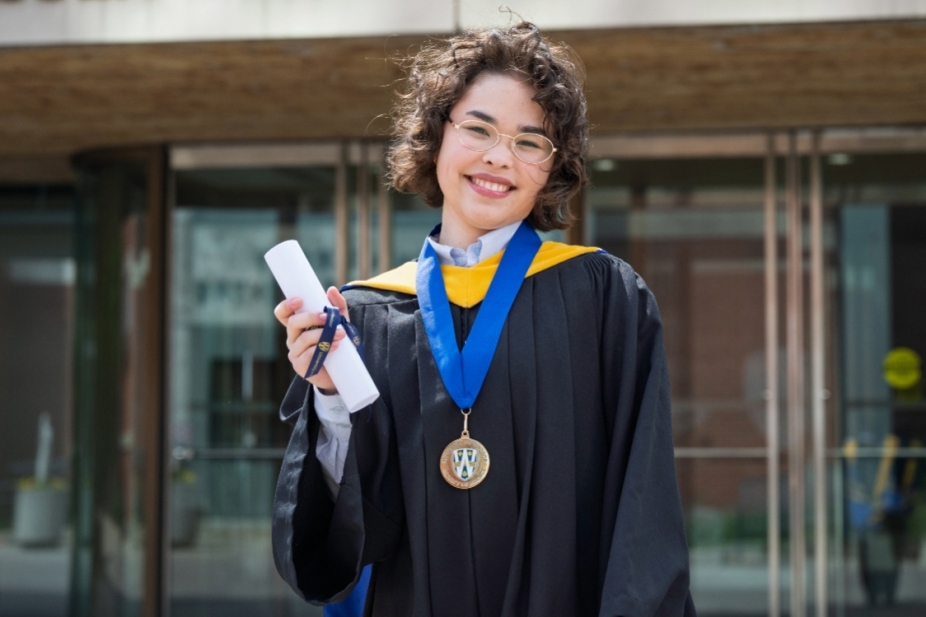 Avery Ng is graduating from the behaviour, cognition and neuroscience science program. (PETER MARVAL/University of Windsor)
By Sara Elliott
From leading a group of art-loving scientists, to helping organize summer symphony performances for the Windsor Symphony Youth Orchestra, Avery Ng builds community in every role she takes on.
This commitment helped the fourth-year behaviour, cognition and neuroscience student earn a science medal. At spring convocation, she will sport a Leadership, Engagement, Application and Discovery (LEAD) gold medallion.
— Published on Jun 5th, 2026
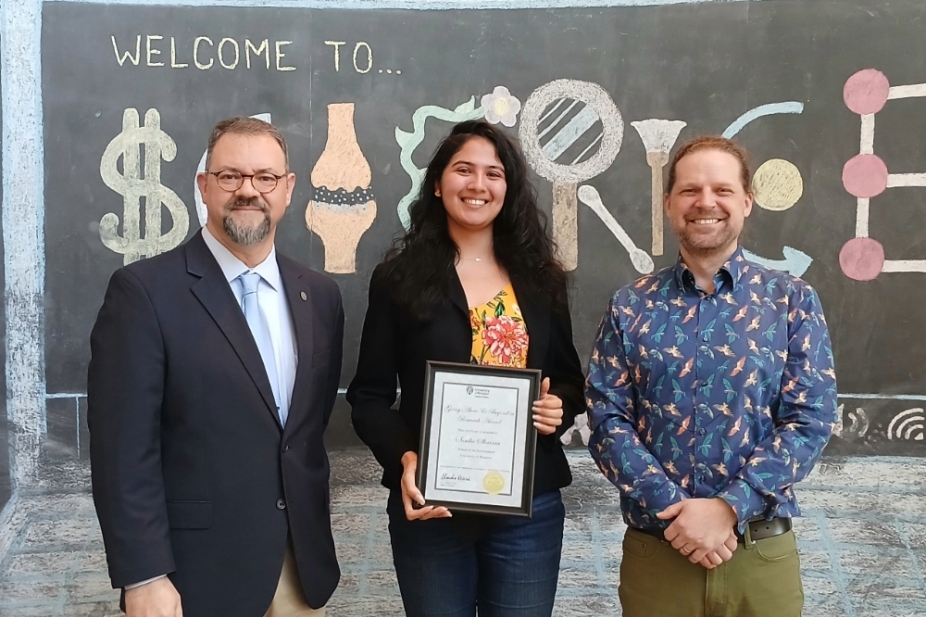 From left, Dr. Claudio Verani, Sarika Sharma and Dr. Dan Mennill. Sharma received the Going Above & Beyond in Research Masters award for her work addressing local ecological restoration. (MICHELLE BONDY/University of Windsor)
By Sara Elliott
Faculty, staff and students were recognized for their excellence in service, teaching and research at the Faculty of Science Spring and Shout event.
While 17 award recipients were celebrated across the faculty, three honourees — master’s student Sarika Sharma (BSc ’24), staff member Jayne Pierce and instructor Olena Syrotkina — showcase some of the stories behind this year’s awards.
— Published on May 25th, 2026

 Dr. Dan Xiao (right) is designing a low-cost magnetic resonance imaging device. (University of Windsor)

