 A new partnership between the University of Windsor and the American Canadian School of Medicine offers qualified students across undergraduate programs an accelerated pathway to earn both an undergraduate degree and a medical degree in as little as six years.
University of Windsor students across undergraduate programs will have a new accelerated route to medical school beginning in fall 2026 through a partnership with the American Canadian School of Medicine (ACSOM).
The pathway will allow qualified students to move into medical education after as little as two years at UWindsor and ultimately earn both a UWindsor undergraduate degree and an ACSOM medical degree in as little as six years.
— Published on Nov 24th, 2026
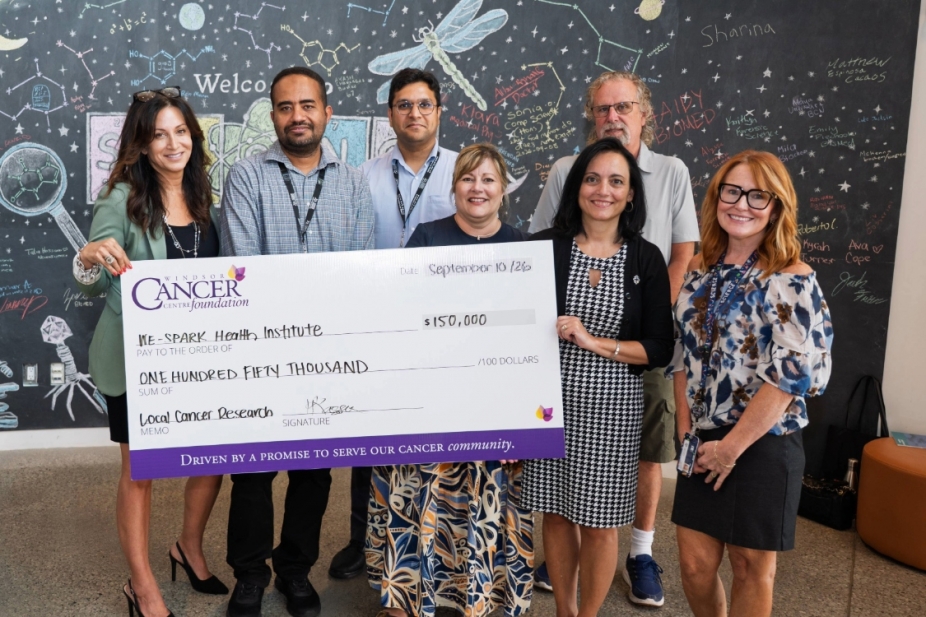 WE-SPARK Health Institute received $150,000 to help advance research focused on cancer prevention, cancer risk, survivorship and youth engagement in cancer care. Pictured from left to right: Houida Kassem, Dr. Ayman Sayyed, Dr. Vikas Garg, Dr. Kathy Pfaff, Dr. Dora Cavallo-Medved, Dr. Lisa Porter and Dr. John Hudson. (PETER MARVAL/University of Windsor)
By Sara Elliott
Five WE-SPARK Health Institute members are receiving funding from the Windsor Cancer Centre Foundation to advance research focused on cancer prevention, cancer risk, survivorship and youth engagement in cancer care.
The investment, provided through the Dr. Hakam Abu-Zahra Research Fund, is part of a $150,000 commitment to support locally led projects selected through WE-SPARK Health Institute's 2026 Igniting Discovery Grants competition.
— Published on Sep 18th, 2026
 Dayna Pidhoresky was the women's winner at the Sept. 13 Windsor Waterfront Half-Marathon (PROVIDED BY D. PIDHORESKY/University of Windsor)
By Kate Hargreaves
On a muggy September morning, Dayna Pidhoresky (BSc ’09, BA ’10) lined up with more than 1,500 runners on Windsor’s Riverside Drive, awaiting the start of the second annual Windsor Waterfront Half-Marathon.
Just over 71 minutes later, she broke the tape at the finish line, at the same time taking down a personal best (PB) that had stood for 15 years.
“It did feel very humid warming up, and we were unsure if a PB would be possible on a day like that,” Pidhoresky recalls.
— Published on Oct 15th, 2026
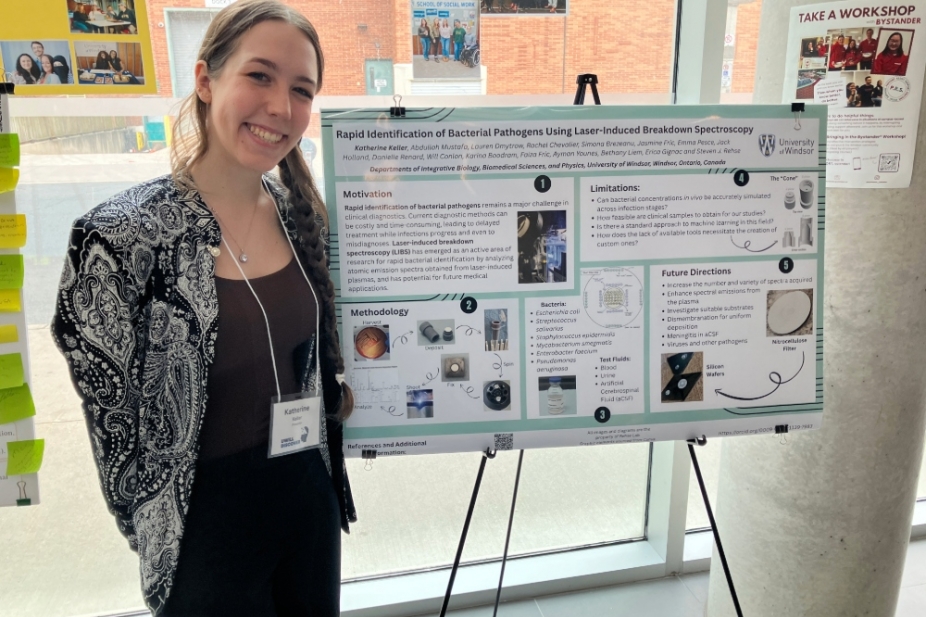 Kitti Keller's research earned her an Undergraduate Student Research Award (USRA) from the Natural Sciences and Engineering Research Council of Canada. (Courtesy of Kitti Keller/University of Windsor)
By Sara Elliott
This summer, science student Kitti Keller learned a lesson on how melding biology and physics could one day help identify bacterial pathogens that threaten human health.
“We're hoping to develop a technology so one day you can go to the clinic, give a tiny blood or urine sample and get immediate results showing what's making you sick,” says the third-year biology student.
— Published on Sep 15th, 2026
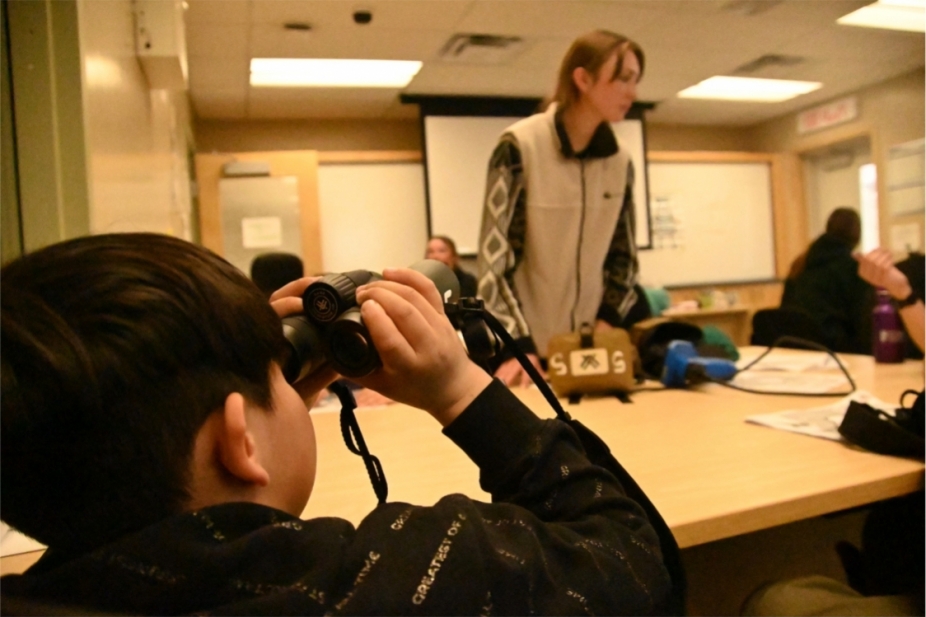 Graduate student Angelina Kemp delivering place-based environmental science materials to Iqaluimmiut youth. (Courtesy of Patricia Rokitnicki/University of Windsor)
By Sara Elliott
In Iqaluit, Nunavut, University of Windsor researchers are helping young people turn the birds around their homes into a gateway to Arctic science, conservation training and community-based wildlife monitoring.
The team received a $172,200 three-year grant for the project through the Natural Sciences and Engineering Research Council of Canada’s (NSERC) PromoScience program.
— Published on Sep 14th, 2026
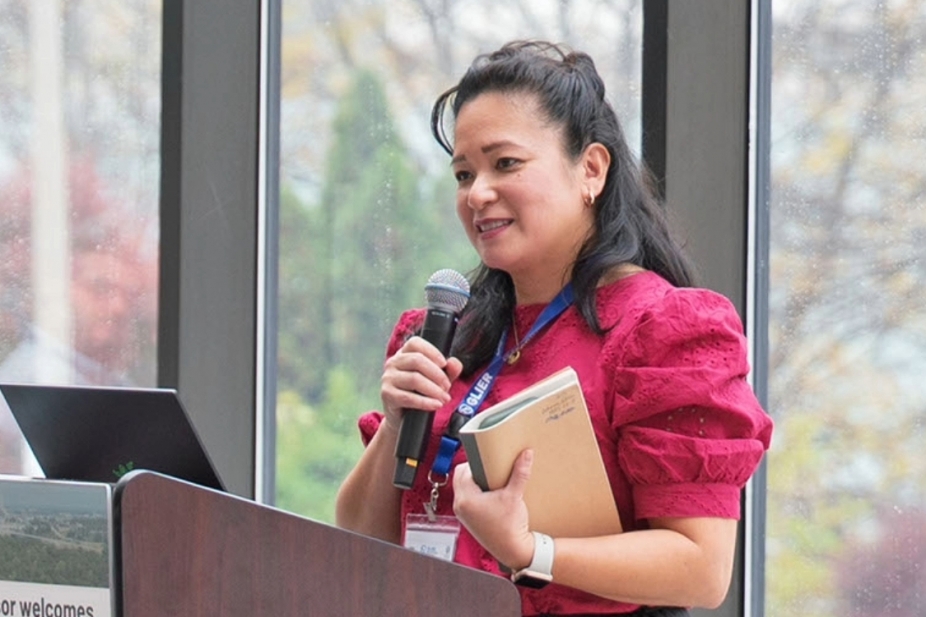 Febria has been elected to the Royal Society of Canada’s College of New Scholars, Artists and Scientists. (PETER MARVAL/University of Windsor)
By Sara Elliott
Catherine Febria’s research begins in the smallest streams, where land, water and people meet. Its impact is now being recognized nationally.
From microbes and mushrooms to watersheds across the Great Lakes Basin, the University of Windsor ecologist uses science to understand and restore freshwater ecosystems while building relationships with the communities that depend on them.
— Published on Sep 10th, 2026
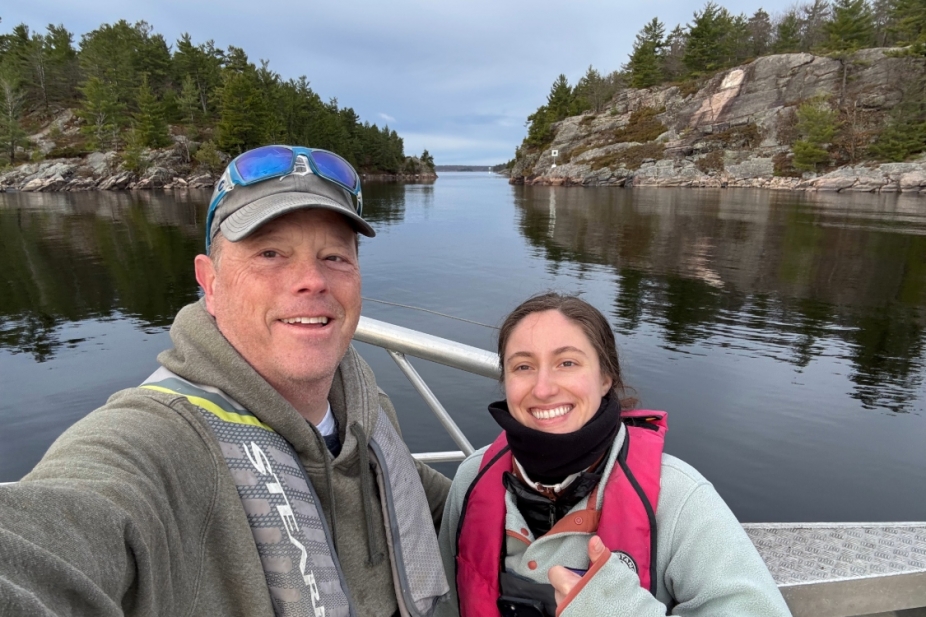 Aaron Fisk with former graduate student and current RAEON glider technician, Lydia Paulic, in Parry Sound. (Courtesy of Aaron Fisk/University of Windsor)
By Sara Elliott
For more than two decades, University of Windsor researcher Dr. Aaron T. Fisk has helped change how scientists understand freshwater ecosystems – from how contaminants move through aquatic food webs to where fish travel, feed and spawn across the Great Lakes and the Arctic.
That body of work has now earned Fisk one of Canada’s highest academic honours.
— Published on Sep 9th, 2026
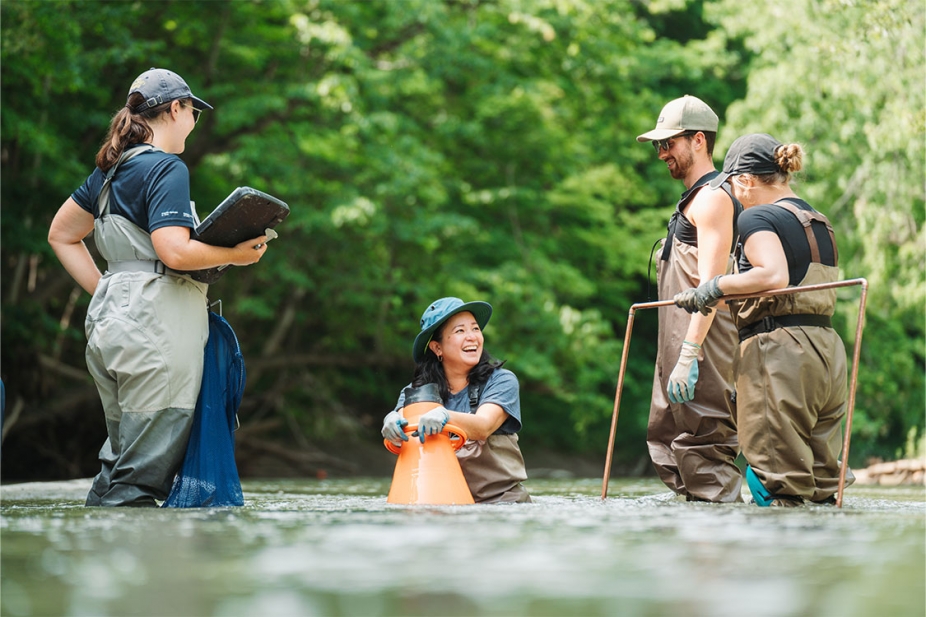 University of Windsor researcher Dr. Catherine Febria, centre, conducts field work with students in the Sydenham River as part of her freshwater restoration research. (MIKE WILKINS/University of Windsor)
From tracking fish across the Great Lakes to restoring the streams that connect land, water and communities, University of Windsor researchers Dr. Aaron T. Fisk and Dr. Catherine Febria are advancing understanding of how freshwater ecosystems are understood, managed and protected.
Their work has now earned national recognition from the Royal Society of Canada.
Fisk, professor and Tier 1 Canada Research Chair in Changing Great Lakes Ecosystems, has been elected a Fellow of the Royal Society of Canada in recognition of his contributions to aquatic research and leadership.
— Published on Sep 9th, 2026
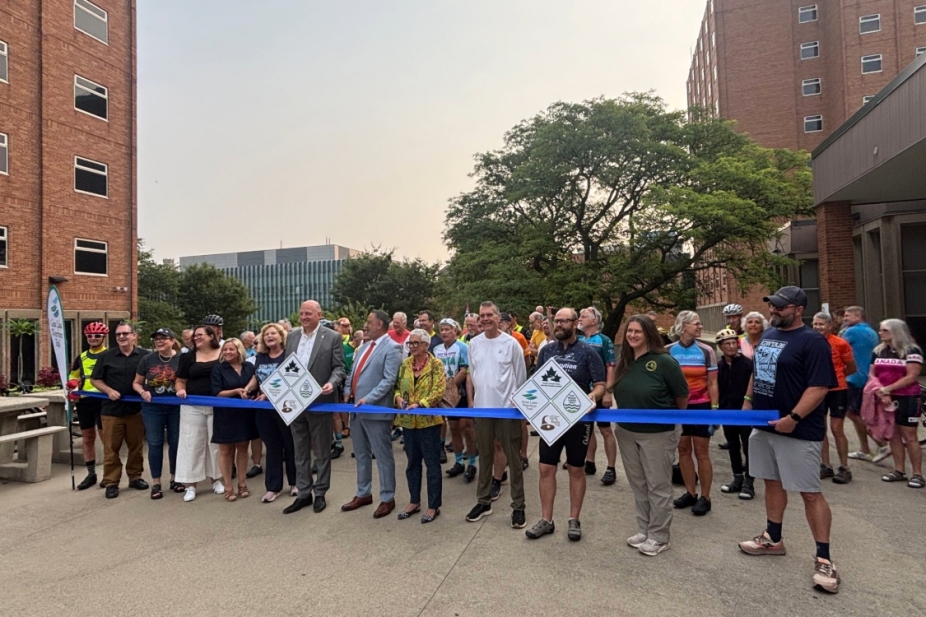 Community leaders, including Mayor Drew Dilkens, MP Harb Gill, Mayor Hilda MacDonald and Dr. John Hartig with cyclists at the morning kickoff celebration of the Great Waterfront Trail Adventure at the University of Windsor, Ont. on Tuesday, Aug. 10, 2026. (Lindsay Charlton/ University of Windsor)
Lindsay Charlton
If you build it, they will come.
And so they did.
More than 100 cyclists from across Canada and the United States met at the University of Windsor last month to experience the newest addition to the Great Lakes Waterfront Trail.
— Published on Sep 9th, 2026
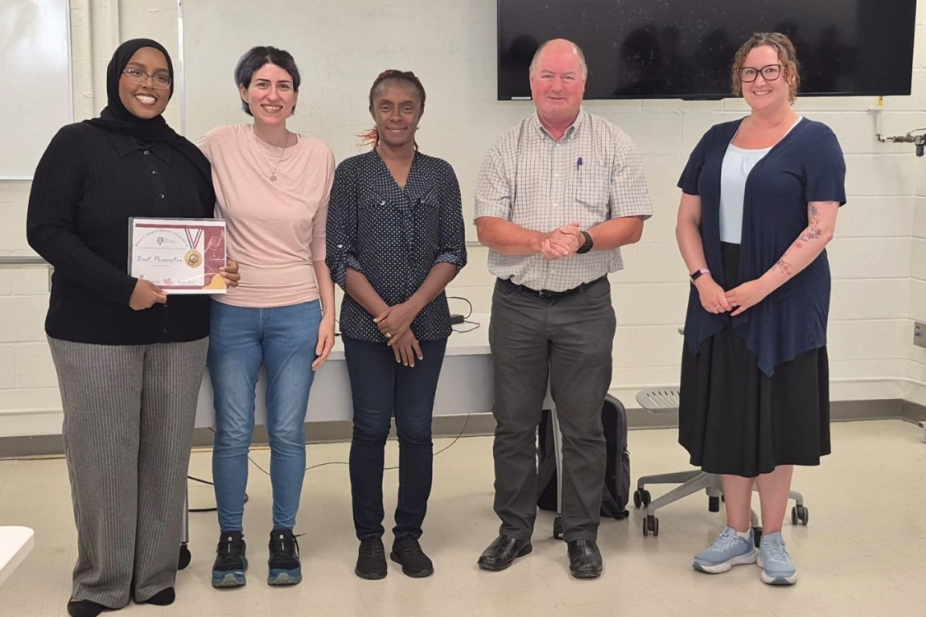 From left - Best presentation award winner; Tasnem Musa, and judges; Atousa Ahmadi, Mary Egbuta, John Hunter, and Stephanie Dupley at the third annual MCEcon Conference at the University of Windsor on Thursday, Aug. 13, 2026. (Courtesy Zareen Amtul/ University of Windsor)
University of Windsor students shared applied research in materials chemistry and engineering with scientists and industry professionals Aug. 13 at the third annual MCEcon Conference.
Hosted by the Master’s in Material Chemistry and Engineering program (MMCE), the conference gave students an opportunity to share their research, connect with industry professionals and build their professional networks.
— Published on Sep 10th, 2026

 A new partnership between the University of Windsor and the American Canadian School of Medicine offers qualified students across undergraduate programs an accelerated pathway to earn both an undergraduate degree and a medical degree in as little as six years.
