 Steve Simpson Sr., Senior Water Guardian from Caldwell First Nation gathers a water sample during a 2025 Harmful Algae Bloom Grab in Lake St. Clair. (PHOTO COURTESY OF GLIER/University of Windsor)
By John-Paul Bonadonna
Could harmful algal blooms pose greater risks to human health than current testing methods can detect?
A University of Windsor research team is using human cells and miniature laboratory-grown models of organs to investigate whether existing approaches to measuring algal toxins capture their potential health effects.
The findings could eventually inform how drinking water and recreational water safety are assessed, with implications for communities across Canada.
— Published on Oct 28th, 2026
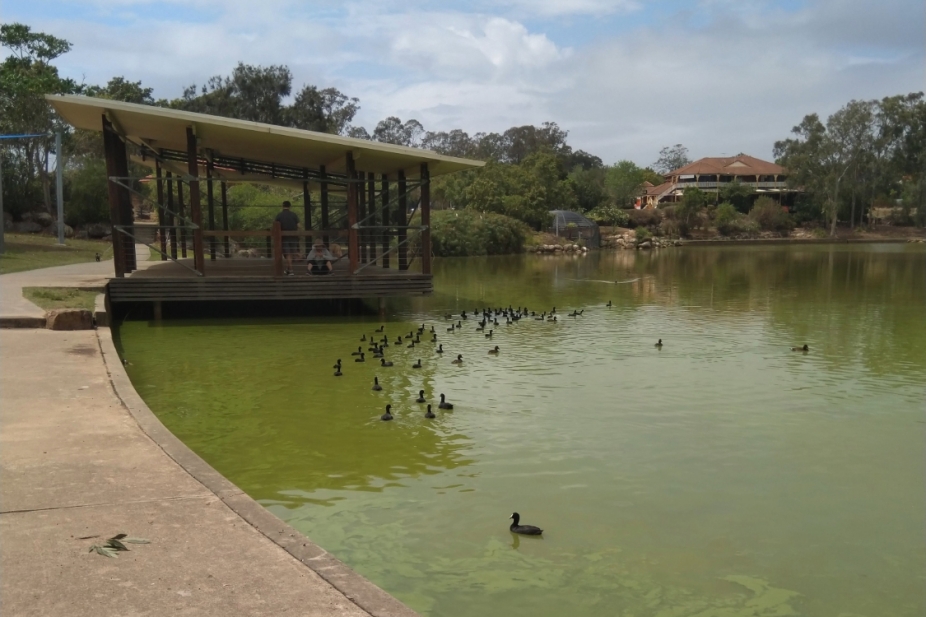 University of Windsor researchers have partnered with global experts to write a five-year action plan aimed at understanding the risk of highly toxic blue-green algae blooms. (Photo: David Hamilton, Griffith University/University of Windsor)
By Sara Elliott
University of Windsor researchers have partnered with global experts to write a five-year action plan aimed at understanding the risk of highly toxic blue-green algae blooms.
The five-year research plan outlines priorities to address the threats these blooms pose to freshwater resources worldwide, including the Great Lakes.
— Published on Jun 4th, 2026
 Dr. Mike McKay (right) explains how to use collection kits to Canada Coast Guard officer cadets Raphaël Cere (left) and Jack Hogan (middle). (MIKE WILKINS/University of Windsor)
By Sara Elliott
With Lake Erie locked in its heaviest ice cover in more than two decades, a Canadian Coast Guard icebreaker has become an unlikely research platform for University of Windsor scientists.
As the CCGS Vincent Massey breaks through thick ice, its crew is collecting water samples to help researchers understand how winter conditions shape the lake’s ecosystem.
— Published on Feb 25th, 2026

 Steve Simpson Sr., Senior Water Guardian from Caldwell First Nation gathers a water sample during a 2025 Harmful Algae Bloom Grab in Lake St. Clair. (PHOTO COURTESY OF GLIER/University of Windsor)
