 Sahar Talebi and James Scarfone are among a group of Windsor Law alumni being recognized for their outstanding contributions to the legal profession, leadership and commitment to advancing justice and serving their communities. (SUBMITTED BY SAHAR TALEBI AND JAMES SCARFONE/University of Windsor)
By Sara Meikle
Each year, Windsor Law honours graduates whose careers demonstrate the impact lawyers can have beyond the courtroom — advancing justice, strengthening communities and upholding the values at the heart of the legal profession.
— Published on Jul 14th, 2026
 Professor Shanthi Senthe is co-organizing an international conference in Sri Lanka, in partnership with Stanford University and the University of Wisconsin Law School, to examine pressing social and legal issues affecting South Asia. (SUBMITTED BY SHANTHI SENTHE/University of Windsor)
By Sara Meikle
Reinforcing its position as a global leader in legal scholarship, the University of Windsor is co-convening an international conversation on South Asia's most pressing legal issues.
— Published on Jul 8th, 2026
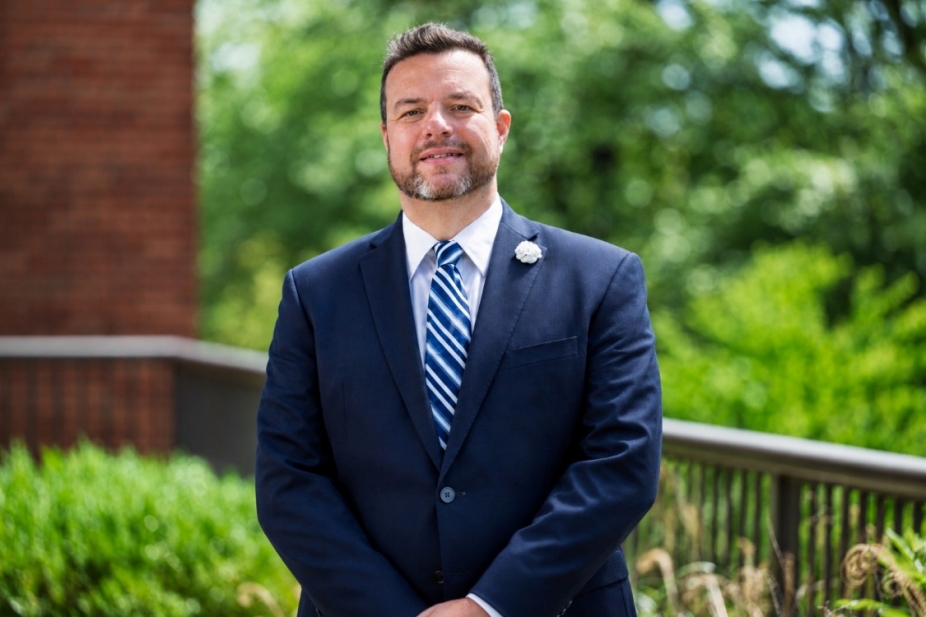 Dr. Muharem Kianieff is the author of the second edition of Blockchain Technology and the Law: Opportunities and Risks, which explores the legal opportunities and challenges surrounding blockchain technology. (PETER MARVAL/University of Windsor)
By Sara Meikle
Nearly two decades after Bitcoin first appeared, blockchain technology remains one of the most talked-about and often misunderstood innovations of the digital age.
For Dr. Muharem Kianieff, a professor at the University of Windsor Faculty of Law, that enduring fascination inspired a newly expanded second edition of his book, Blockchain Technology and the Law: Opportunities and Risks.
— Published on Jul 8th, 2026
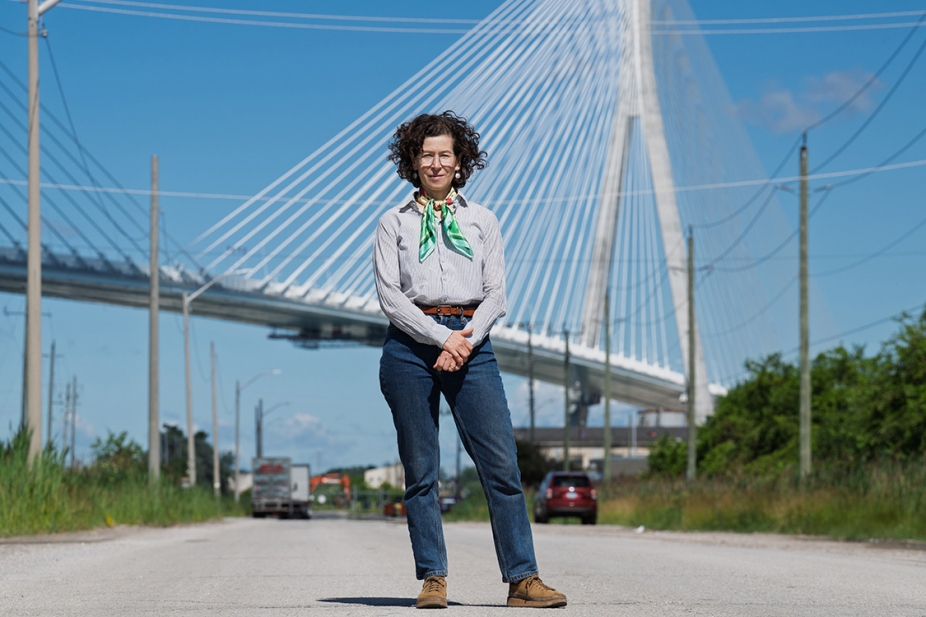 University of Windsor professor Lee Rodney stands near the Gordie Howe International Bridge in Windsor, Ont., a project she says could reshape cross-border identity between Windsor and Detroit. (PETER MARVAL/University of Windsor)
By Victor Romao
The Gordie Howe International Bridge is rising at a time when the line between Windsor and Detroit can feel more fixed than fluid.
Tighter border controls, post-pandemic disruptions and political friction between Canada and the United States have made that divide more visible in recent years.
For decades, the Detroit River has been less a barrier than a seam, stitching together two cities whose economies, cultures and daily rhythms have long overlapped.
— Published on Jul 10th, 2026
 Windsor Law graduate Celina Seguin completed her first marathon in Lucerne, Switzerland, during her exchange semester abroad. (SUBMITTED BY CELINA SEGUIN/University of Windsor)
By Sara Meikle
From negotiation competitions to marathon finish lines, Celina Seguin’s time at Windsor Law has been defined by momentum — both academic and personal.
Now preparing to cross the convocation stage next week, Seguin is reflecting on what she describes as a fast-paced but deeply rewarding three years at Windsor Law, marked by academic excellence, international experiences, community involvement and more than a few kilometres logged on running trails around the world.
— Published on Jun 1st, 2026
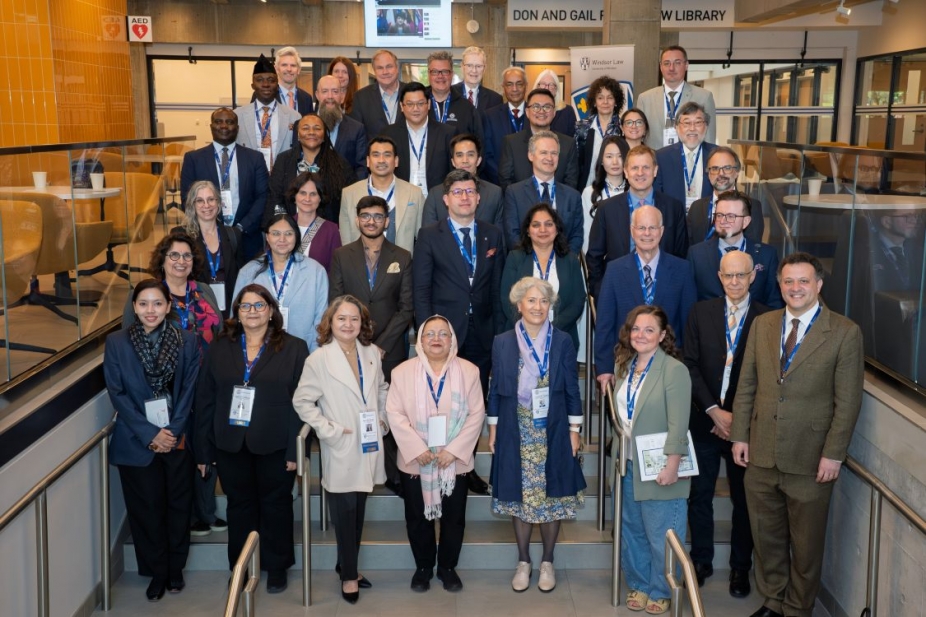 Delegates from more than 35 law faculties across 18 countries gathered at Windsor Law’s Ron W. Ianni Faculty of Law Building on May 4 for the Global Law Deans Forum, hosted for the first time in Canada by the University of Windsor. (DAVE GAUTHIER/University of Windsor)
By Sara Meikle
For the first time in its history, the Global Law Deans Forum was held in Canada — with the University of Windsor at the centre of the international conversation on the future of legal education.
— Published on May 22nd, 2026
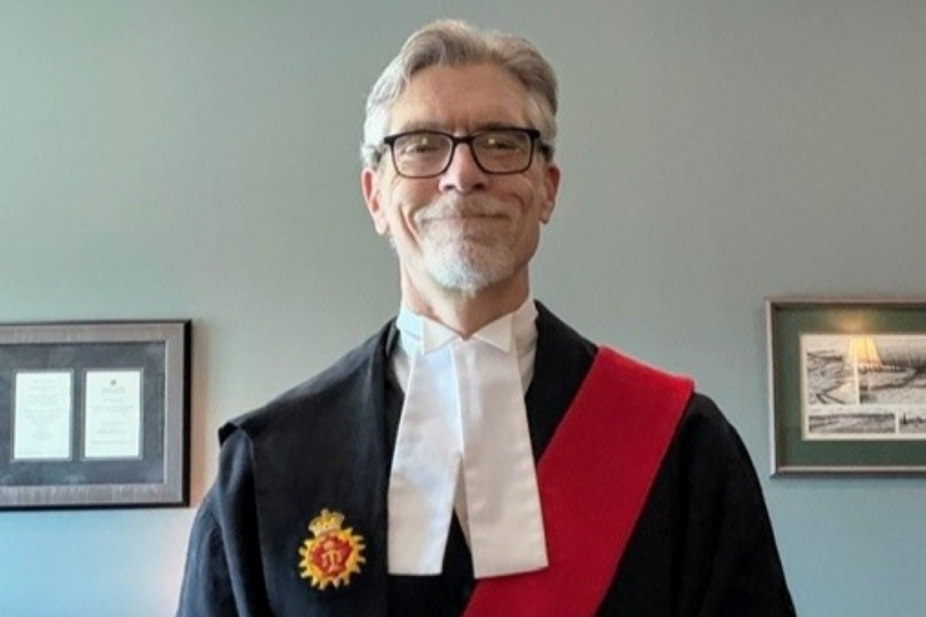 Windsor Law alumnus, The Honourable Scott G. Pratt pictured in his judicial robes following his appointment to the Superior Court of Justice of Ontario in Windsor. (SUBMITTED BY SCOTT PRATT/University of Windsor)
By Sara Meikle
Three alumni of Windsor Law have been appointed to senior courts in Ontario and British Columbia, underscoring the school’s continued impact on the Canadian judiciary.
The Honourable Scott G. Pratt, currently a judge of the Ontario Court of Justice in Windsor, has been appointed a judge of the Superior Court of Justice of Ontario in Windsor.
— Published on May 1st, 2026
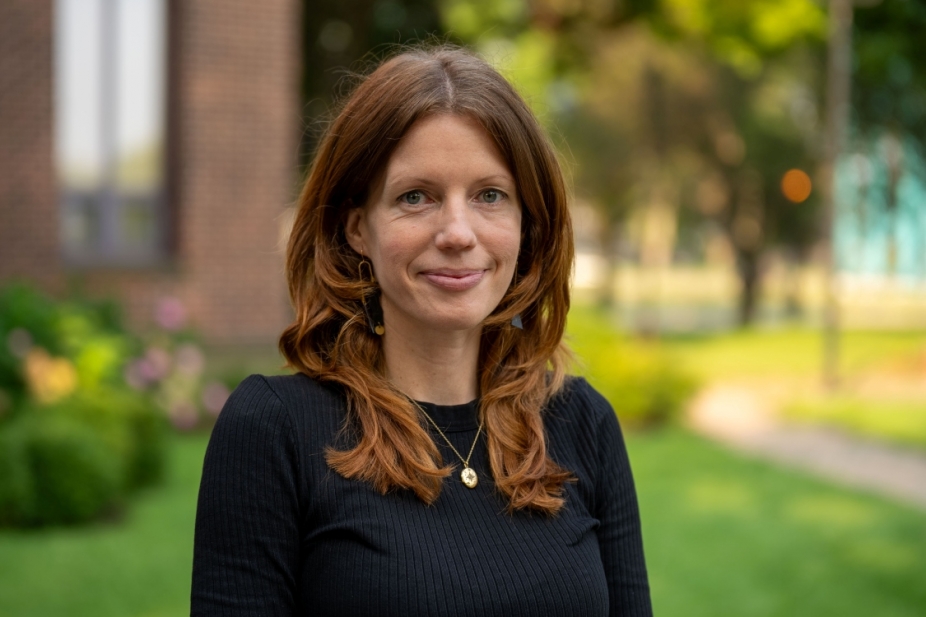 Kristen Thomasen, professor at Windsor Law, led the University of Windsor’s hosting of the international We Robot conference on robotics and AI law and policy in 2025, contributing to a new publication on AI governance. (SARAH SMITHERMAN/University of Windsor)
By Sara Meikle
From autonomous systems to algorithmic decision-making, artificial intelligence (AI) is raising questions that extend beyond the scope of law alone.
Interdisciplinary collaboration at the University of Windsor is helping address these questions by bringing multiple fields into the same conversation.
— Published on Apr 28th, 2026
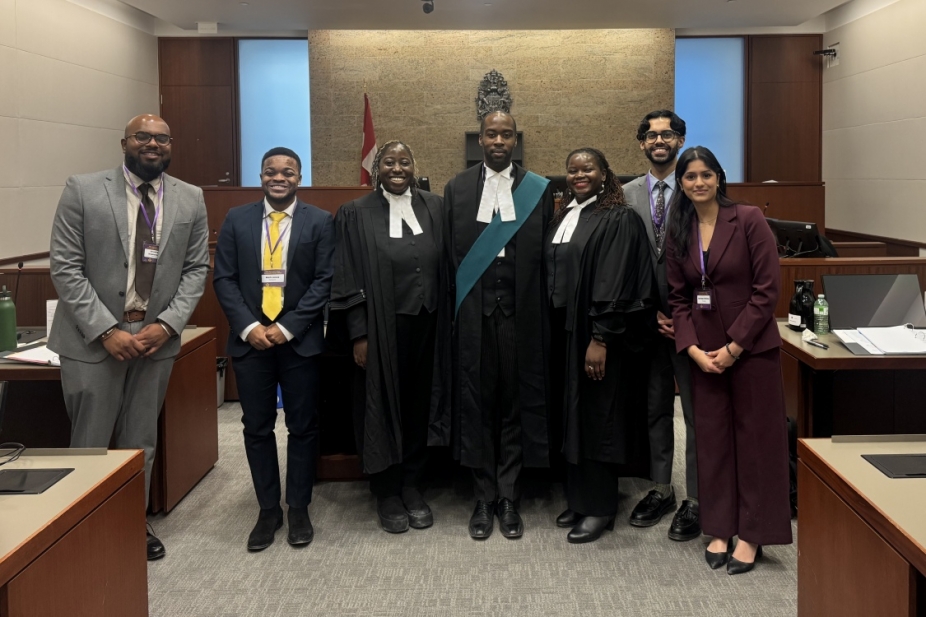 Mark Jones and his co-counsel stand with moot judges and opposing counsel after completing the preliminary round of the Julius Alexander Isaac Moot. (SUBMITTED BY MARK JONES/University of Windsor)
By Sara Meikle
For students at the University of Windsor Faculty of Law, mooting and negotiation competitions are more than academic exercises — they are integral to how students grow into confident, capable legal professionals.
Mooting, a simulated court hearing usually focused on appeals, challenges students to think critically, advocate persuasively and navigate complex legal and ethical issues under pressure.
— Published on Apr 20th, 2026
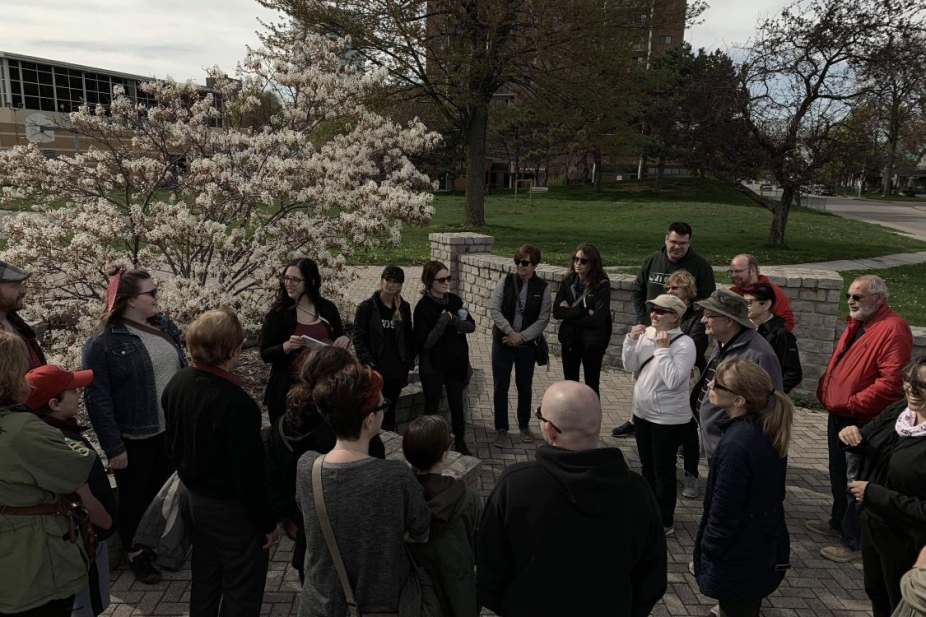 Sarah Morris (back row, third from left) leads a Jane’s Walk in Windsor (PROVIDED BY S. MORRIS/University of Windsor)
By Kate Hargreaves
Ever wanted to learn about historical burial practices, the Underground Railroad, heritage architecture, labour history, local ecosystems and more, all for free?
These are only a handful of topics covered by the Windsor-Essex Jane’s Walk Festival, taking place across three weekends: April 23 to 26, April 30 to May 3 and May 9, 2026.
— Published on Oct 16th, 2026

 Sahar Talebi and James Scarfone are among a group of Windsor Law alumni being recognized for their outstanding contributions to the legal profession, leadership and commitment to advancing justice and serving their communities. (SUBMITTED BY SAHAR TALEBI AND JAMES SCARFONE/University of Windsor)
