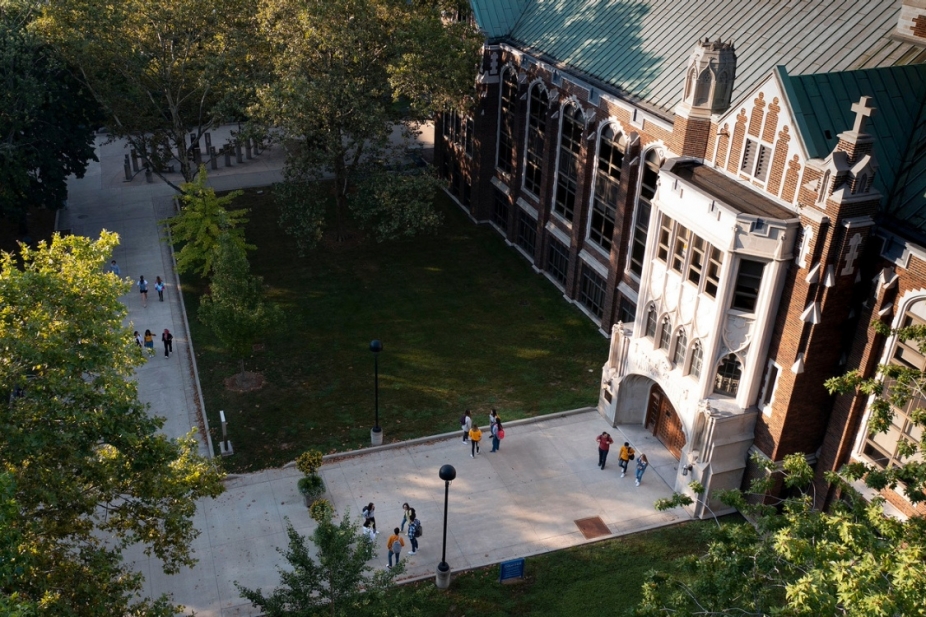
 University of Alberta scholar Dr. Nicolette Little will discuss Feminist Activism and Digital Technologies and launch her new book, From Red Dresses to Memory Stones: Multimedia Activism and Gender-Based Violence in Canada, at the CCA annual conferece at the University of Windsor on June 2, 2026. (University of Windsor)
By Lindsay Charlton
In the age of online dating, women are turning to each other and technology to stay safer when meeting someone offline for the first time.
A rapidly expanding Facebook safety network has tens of thousands of women across the country turning to groups such as Are We Dating the Same Guy, using it as an informal tool for crowdsourcing safety and sharing stories of infidelity, emotional or physical abuse, or other harmful experiences they have had with a certain man.
— Published on May 29th, 2026
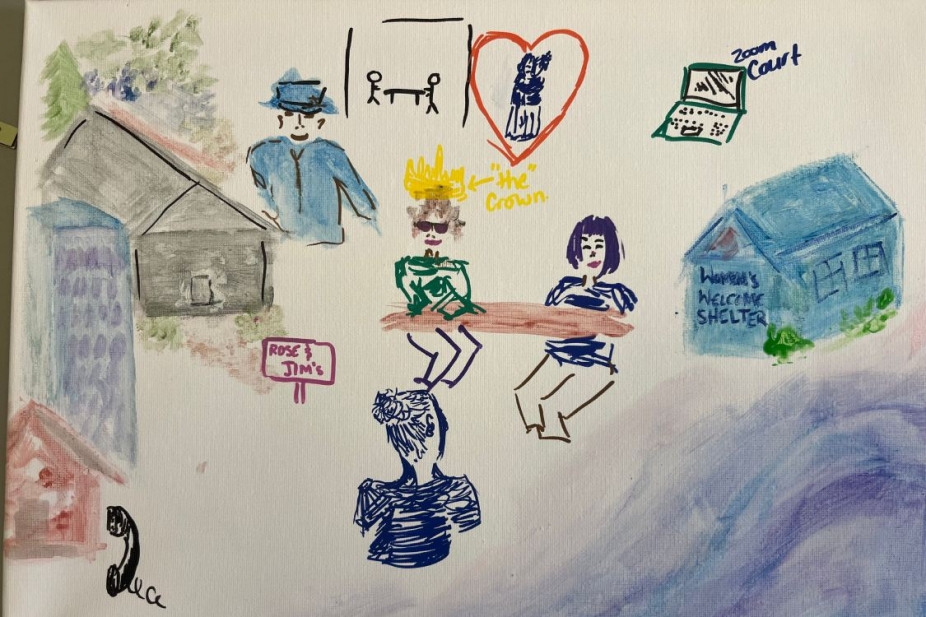 A participant-created artwork from the study visually maps the complex help-seeking journey women often navigate after leaving a violent intimate partner. (SUBMITTED BY RACHEL ELLIOTT/University of Windsor)
By Sara Meikle
For many women leaving a violent intimate partner, the journey to safety continues long after the relationship ends.
Rebuilding health, stability and quality of life often means navigating healthcare, housing, social services and community supports — a complex process researchers at the University of Windsor are exploring through an innovative arts-based study.
As May marks Domestic and Family Violence Prevention Month, the project examines the help-seeking journeys of women who have physically separated from violent intimate partners.
— Published on May 26th, 2026
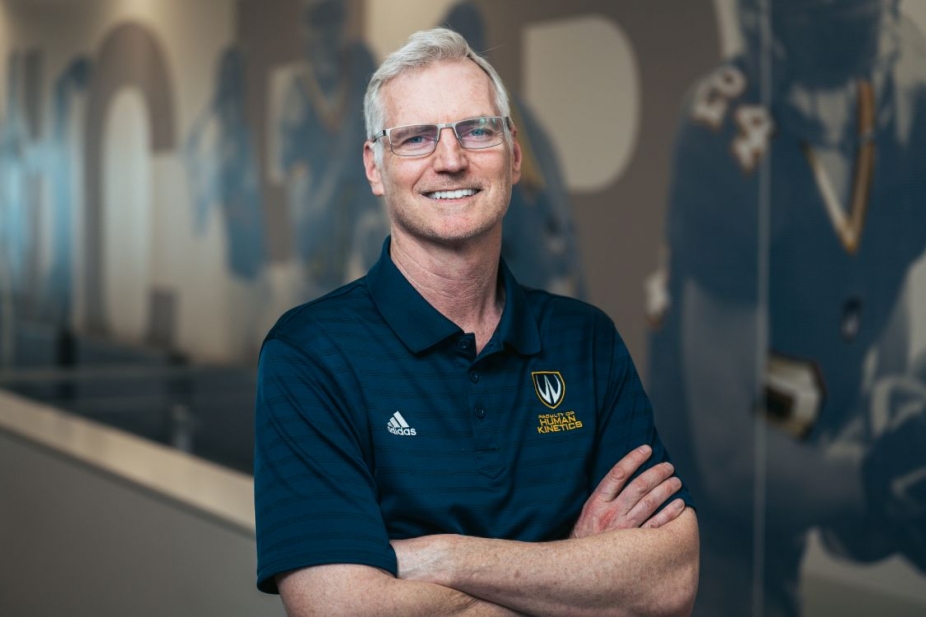 Dr. Sean Horton is the 2026 recipient of the Mary Lou Dietz Equity Leadership Award (MICHAEL WILKINS/University of Windsor)
By Kate Hargreaves
From academic advocacy to community engagement, Dr. Sean Horton’s work is consistently imbued with a focus on equity and inclusivity.
These efforts will be recognized by the Windsor University Faculty Association’s (WUFA) Status of Women, Diversity and Equity Action Committee as Horton is awarded the 2026 Mary Lou Dietz Equity Leadership Award at an award celebration on May 27.
— Published on May 27th, 2026
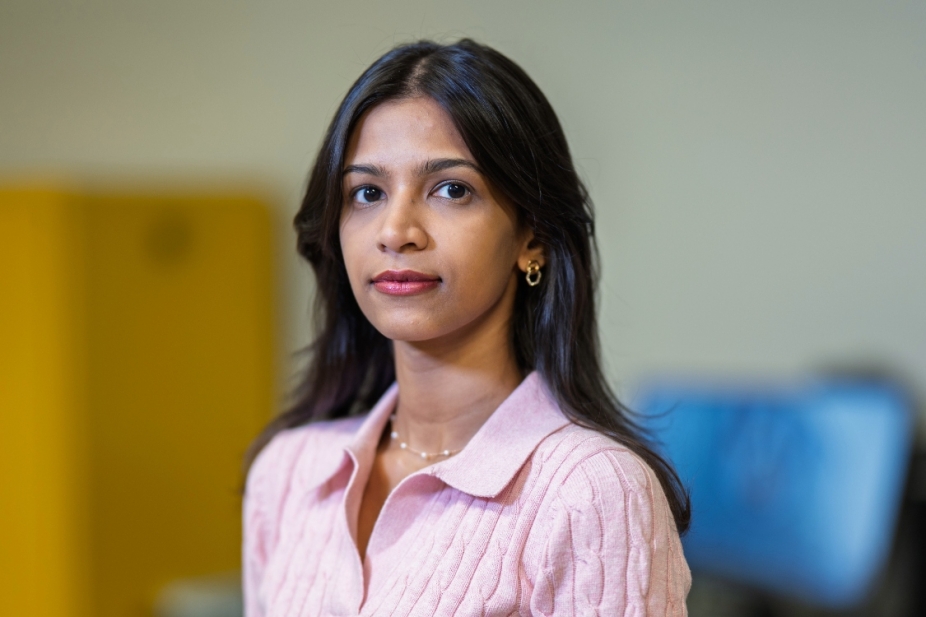 Prathana Pillai and Fallon Mitchell (not pictured) were this year’s recipients of the Outstanding Student Research Awards, graduate. (PETER MARVAL/University of Windsor)
By Sara Elliott
From freshwater restoration research to studies examining how drug policy and harm reduction services shape HIV prevention and treatment outcomes, the 2026 Research and Innovation Excellence Awards exemplified the innovative research, scholarship and creative activity currently happening at the University of Windsor.
On May 21, the University’s research community celebrated the awards presented by the Office of the Vice-President, Research and Innovation.
— Published on May 25th, 2026
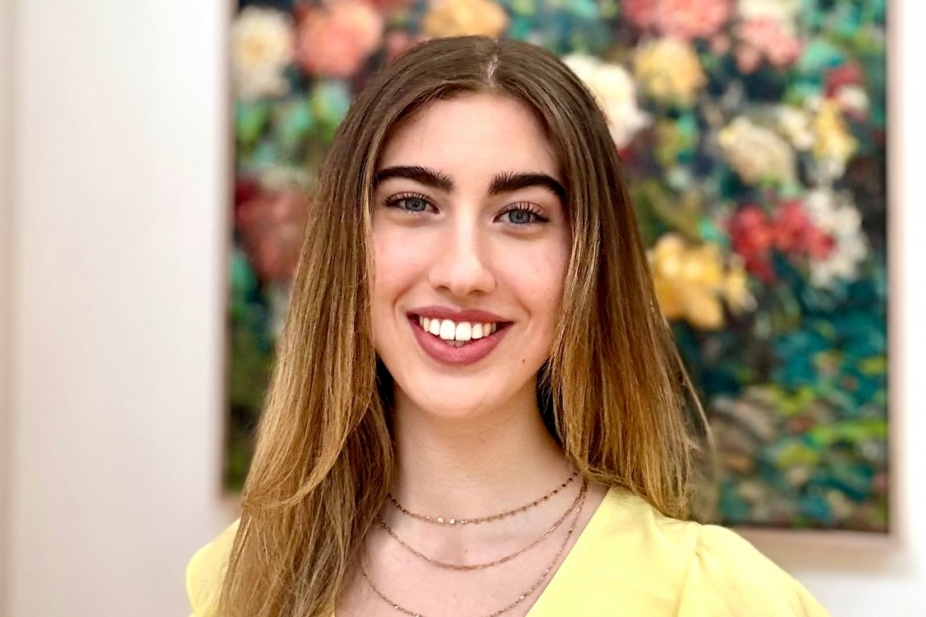 Second-year medical physics student Emma Pesce received $1,000 to work in Dr. Steven Rehse’s laser spectroscopy lab. (Photo courtesy of Emma Pesce/University of Windsor)
By Sara Elliott
Two University of Windsor physics undergraduates are gaining early research experience thanks to scholarships funded by professor emeriti.
Distinguished University Professor Emeritus William Baylis and his wife, Bobbye Baylis, launched the Baylis Physics Research Internship in 2021. It offers an annual opportunity for a student to engage in advanced research with a faculty mentor.
— Published on May 22nd, 2026
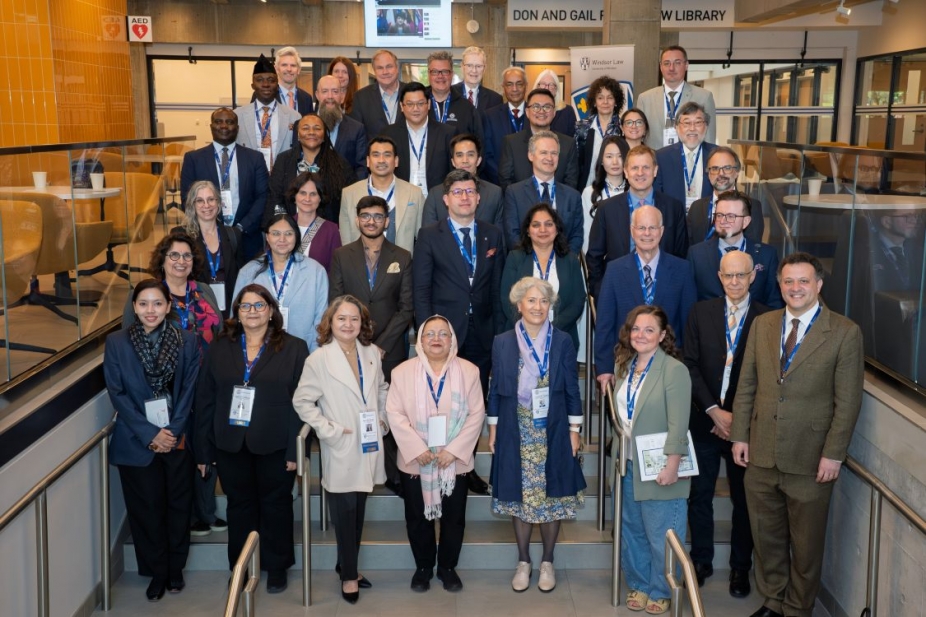 Delegates from more than 35 law faculties across 18 countries gathered at Windsor Law’s Ron W. Ianni Faculty of Law Building on May 4 for the Global Law Deans Forum, hosted for the first time in Canada by the University of Windsor. (DAVE GAUTHIER/University of Windsor)
By Sara Meikle
For the first time in its history, the Global Law Deans Forum was held in Canada — with the University of Windsor at the centre of the international conversation on the future of legal education.
— Published on May 22nd, 2026
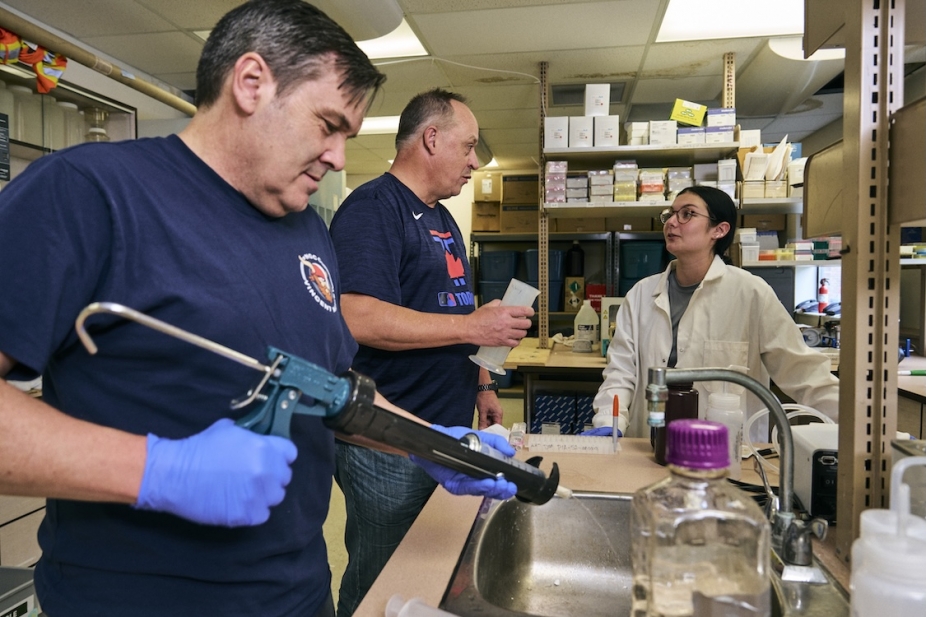 From left, Dr. Michael McKay, Steven W. Wilhelm and Brittany N. Zepernick conducting research in the lab. (Photo by the Daylight Award/University of Windsor)
By Sara Elliott
As climate change strips ice from the Great Lakes, something less visible is also changing: the underwater world of light that microscopic life depends on.
When ice recedes, wind and water stir sediment, clouding the water and blocking the sunlight that drives photosynthesis at the base of the food web. What looks like a simple seasonal shift is, in scientific terms, a restructuring of habitat.
— Published on May 20th, 2026
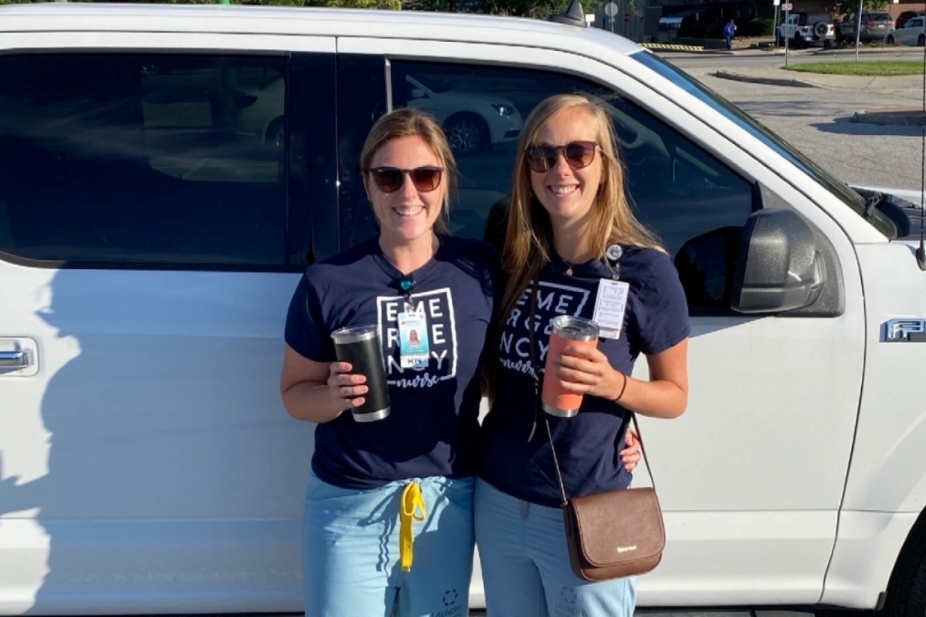 UWindsor nursing alumna Destiny Cadarette, pictured (left) with a colleague before an emergency department shift, says the medical drama The Pitt reflects many of the realities nurses face every day — including workplace violence, emotional strain, and the fast-paced demands of emergency care. (SUBMITTED BY DESTINY CADARETTE/University of Windsor)
By Sara Meikle
What TV gets right
The medical drama The Pitt is doing more than drawing viewers — it’s sparking overdue conversations about violence in emergency departments, and the realities nurses face every day.
At the University of Windsor, faculty and frontline nurses say the show comes closer than any other to portraying life in the emergency department (ED), but it still only tells part of the story.
For Destiny Cadarette (BScN ‘17), an ED nurse in Windsor now pursuing her nurse practitioner designation, the show hits close to home.
— Published on May 15th, 2026
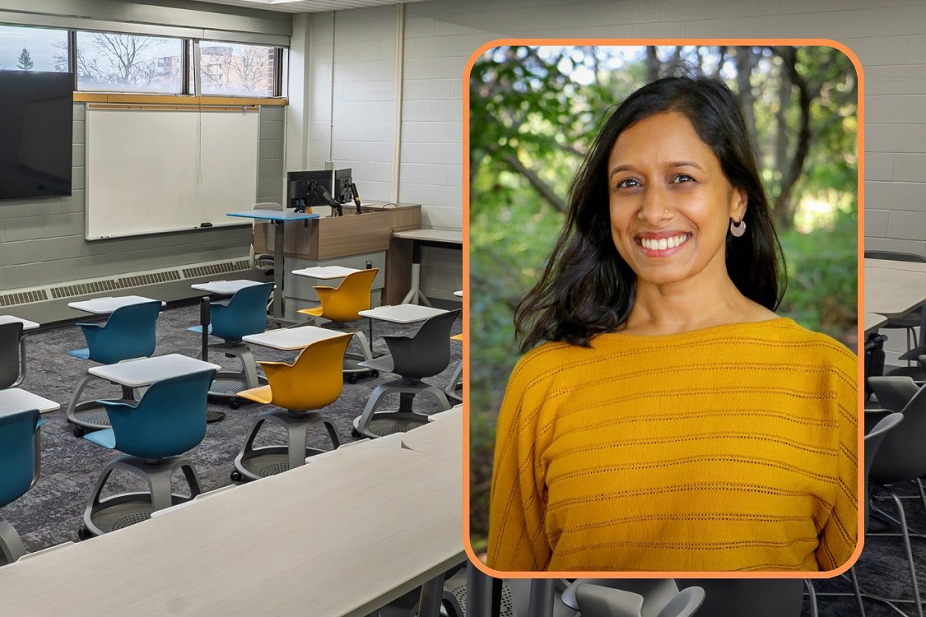 Dr. Desai will present a free public lecture on gender transformative education (RUTGERS UNIVERSITY/FILE/University of Windsor)
By Kate Hargreaves
What is the role of education in repairing injustice, and how does a gender transformative approach align with these aims?
Guest speaker Dr. Karishma Desai will deliver a lecture titled “Gender Transformative Education: Potentials and Possibilities of a Feminist Reparative Education” as part of the UWindsor Faculty of Education’s invited speaker series on June 4 from 10:30 to 11:30 a.m.
— Published on May 22nd, 2026
 Dr. Linda Patrick, Professor Emerita and former dean of the University of Windsor’s Faculty of Nursing, has received the Registered Nurses’ Association of Ontario’s Lifetime Achievement Award in recognition of her decades of leadership and contributions to nursing practice, education, and research. (FILES/University of Windsor)
By Sara Meikle
For more than five decades, Dr. Linda Patrick has helped shape nursing in Ontario as a clinician, educator, administrator, researcher, mentor and advocate.
This year, the Registered Nurses’ Association of Ontario (RNAO) recognized that impact with one of its highest honours, the Lifetime Achievement Award.
— Published on May 14th, 2026

 University of Alberta scholar Dr. Nicolette Little will discuss Feminist Activism and Digital Technologies and launch her new book, From Red Dresses to Memory Stones: Multimedia Activism and Gender-Based Violence in Canada, at the CCA annual conferece at the University of Windsor on June 2, 2026. (University of Windsor)
