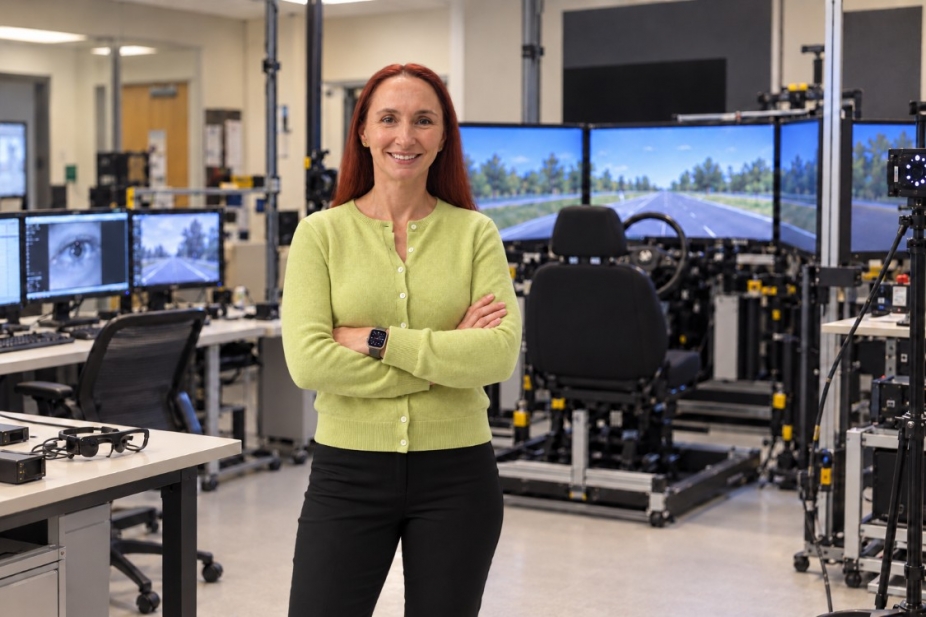
 Julie Webeck is one of two graduate students who won an ergonomics case study competition (PROVIDED BY J. WEBECK/University of Windsor)
By Kate Hargreaves
Ergonomics goes well beyond posture and repetitive movements, but the mental demands of work are often overlooked.
Two University of Windsor kinesiology graduate students are drawing attention to those demands after winning the Hazard Control Solutions category at the 2026 Ergonomics Case Study Competition.
— Published on Oct 30th, 2026
 Students get hands-on learning experience in ergonomics (FILE/University of Windsor)
By Kate Hargreaves
Dr. Jim Potvin didn’t know much about ergonomics when he was first hired to help the General Motors (GM) transmission plant in Windsor improve worker safety.
He needed a summer job and had heard that the plant hired engineering students. Potvin, however, was a kinesiology student.
— Published on Oct 15th, 2026
 Faculty of Human Kinetics professor Dr. Francesco Biondi studies distracted driving (DAVE GAUTHIER/University of Windsor)
By Kate Hargreaves
Twenty years ago, the cockpit of the average car was a lot less complicated.
Knobs and buttons turned on the heat and air conditioning, adjusted vents or changed the radio station.
Today, touch screens are the norm, and manufacturers compete to add the latest in technological advancements.
— Published on Oct 16th, 2026
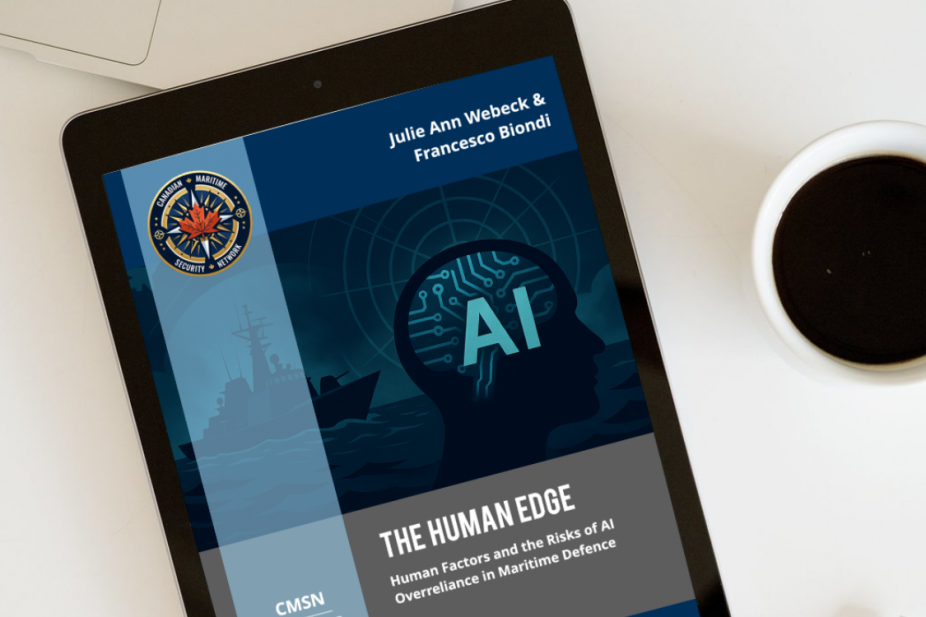 A new report by UWindsor Human Kinetics researchers explores the risks of AI in maritime defence (CANADIAN MARITIME SECURITY NETWORK; CANVA STOCK/University of Windsor)
By Lori Bona
From navigation to monitoring ocean traffic, artificial intelligence (AI) is playing an increasing role in ships and maritime operations — including those used by the Canadian Armed Forces.
But relying too heavily on AI in maritime vessels introduces new risks for human operators and defence systems, according to a new report from researchers at the University of Windsor.
— Published on Mar 11th, 2026

 Julie Webeck is one of two graduate students who won an ergonomics case study competition (PROVIDED BY J. WEBECK/University of Windsor)


