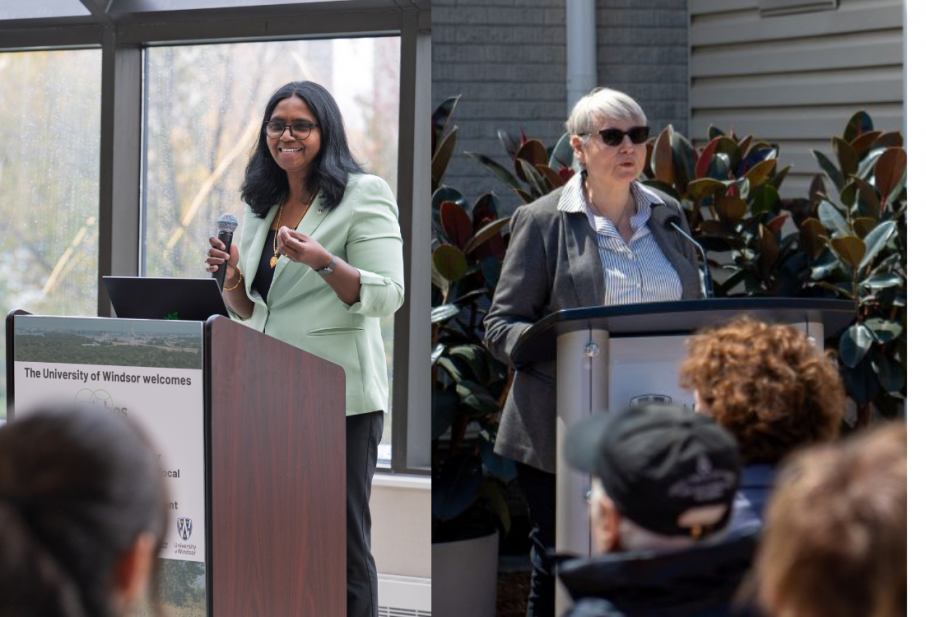
 Drs. Shanthi Johnson (left) and Veronika Mogyorody (right) advocate age-friendly cities, communities and universities (FILE/University of Windsor)
By Kate Hargreaves
With age comes a wealth of lived experience and a lifetime of growth and knowledge.
Barriers created by a lack of accessibility, adaptability and connections in our homes and communities can, however, sometimes make the aging process unnecessarily challenging.
— Published on Mar 9th, 2026
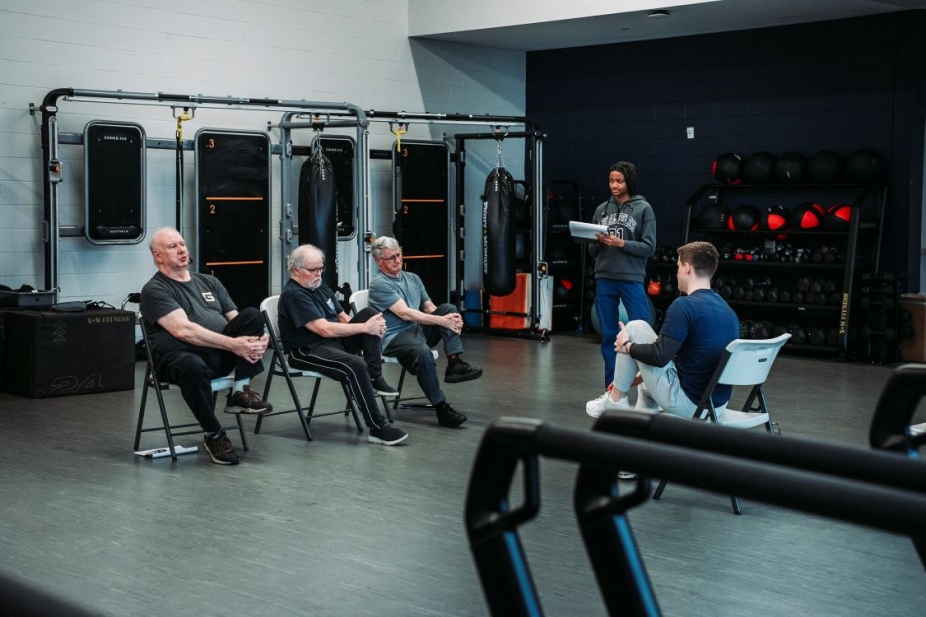 Physical activity is key for everyone, including older adults. (MIKE WILKINS/University of Windsor)
By Kate Hargreaves
Just 10 minutes of physical activity a day can be the start many people need to get moving, according to Dr. Paula van Wyk, professor in the Faculty of Human Kinetics.
Physical activity is especially important for older adults as the aging process can lead to loss of strength and function.
“In general, people are aware of the potential benefits of engaging in physical activity,” she says.
— Published on Feb 23rd, 2026
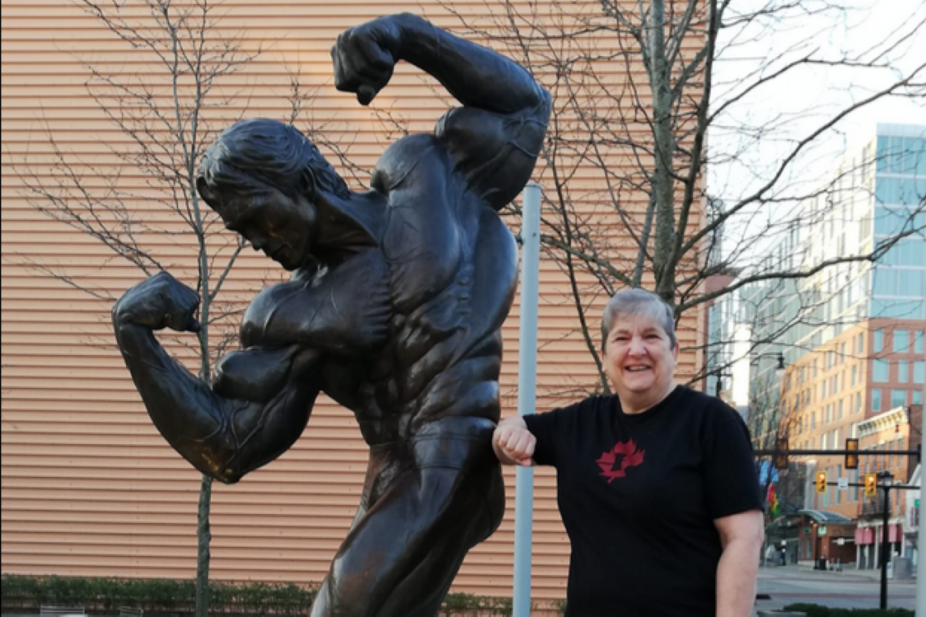 Jeanine Watt is a graduate student, two-time UWindsor alumna and world record-holding powerlifter (PROVIDED BY J. WATT/University of Windsor)
By Kate Hargreaves
Jeanine Watt (BSc ’78, LLB ’88) joined a gym in 2018 to stay active as a semi-retired lawyer.
“I knew that if I retired, the only thing that would get any exercise was my thumb on the remote control,” she jokes.
This March, she will take the main stage at the Arnold Sports Festival as a pro competitor in the Arnold Armlifting Championships.
— Published on Sep 18th, 2026

 Drs. Shanthi Johnson (left) and Veronika Mogyorody (right) advocate age-friendly cities, communities and universities (FILE/University of Windsor)
