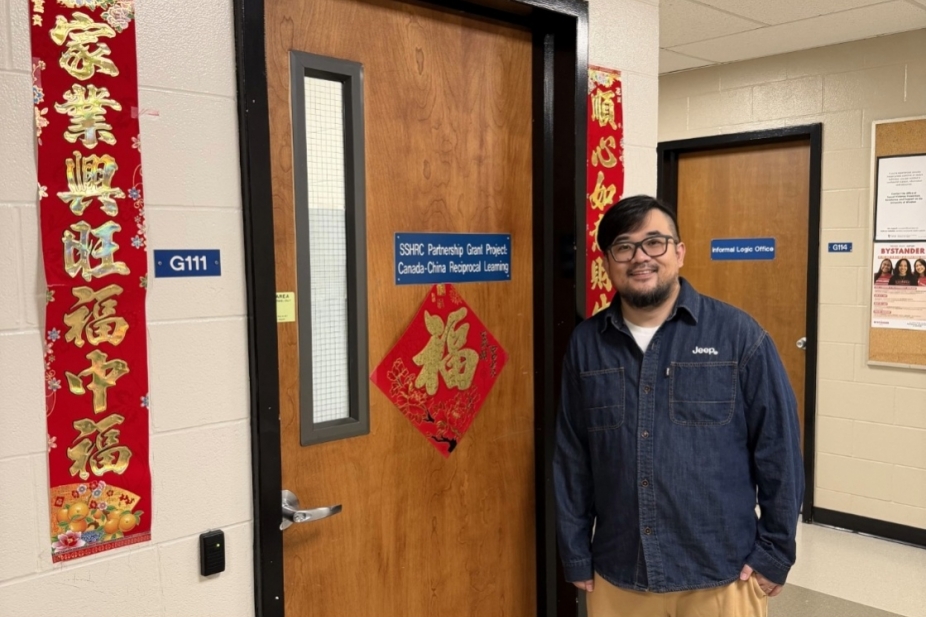
 Luyao Tan is part of the Reciprocal Learning Program, where he works as a research assistant for Dr. Shi Jing Xu. (Courtesy of Luyao Tan/University of Windsor)
By Vanessa Bumanlag
As artificial intelligence becomes increasingly common in classrooms, language teachers face new questions about their role in helping students learn.
For University of Windsor PhD student Luyao Tan, the rise of AI presents an opportunity to reconsider what teachers contribute beyond language instruction — particularly when it comes to cultural understanding and human connection.
— Published on Nov 17th, 2026
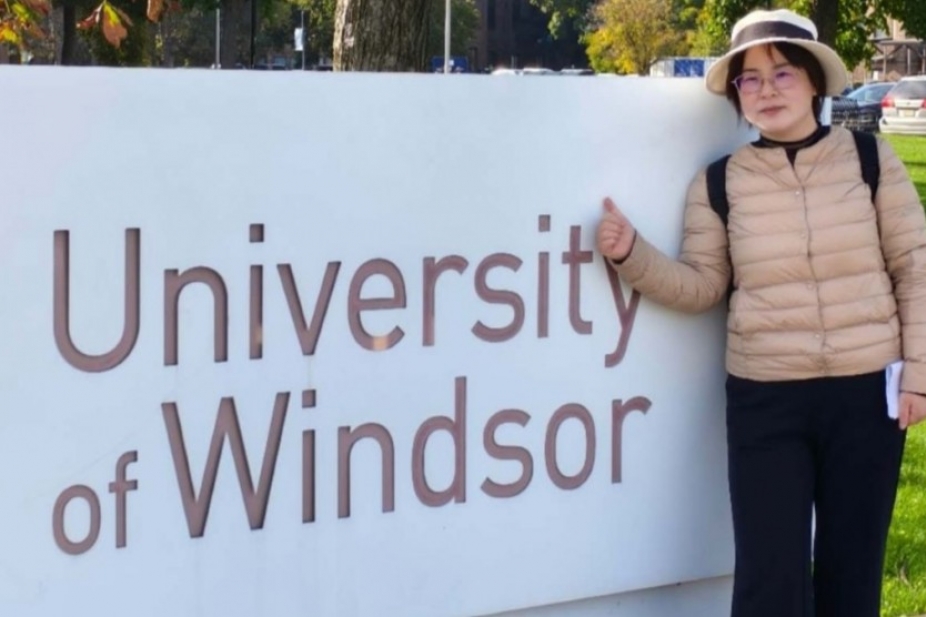 Dr. Min Fan is a visiting scholar at the Faculty of Education (ZUOCHEN ZHANG/University of Windsor)
By Kate Hargreaves
For visiting scholar Dr. Min Fan, one of the biggest surprises about Canadian elementary education has been the relatively limited presence of artificial intelligence (AI) in her daughter's classroom compared to schools in her native China.
— Published on Oct 30th, 2026
 Chantal Gauthier teaches a second-grade class in China as part of the Reciprocal Learning Program (YUHAN DENG/University of Windsor)
Guest submission by Yuhan Deng, PhD candidate, Faculty of Education
Four teacher candidates and two doctoral students from the University of Windsor are participating in a 12-week Mitacs international reciprocal learning internship in China.
This experience is strengthening their confidence in teaching through enhanced global competence.
— Published on Jun 15th, 2026

 Luyao Tan is part of the Reciprocal Learning Program, where he works as a research assistant for Dr. Shi Jing Xu. (Courtesy of Luyao Tan/University of Windsor)
