
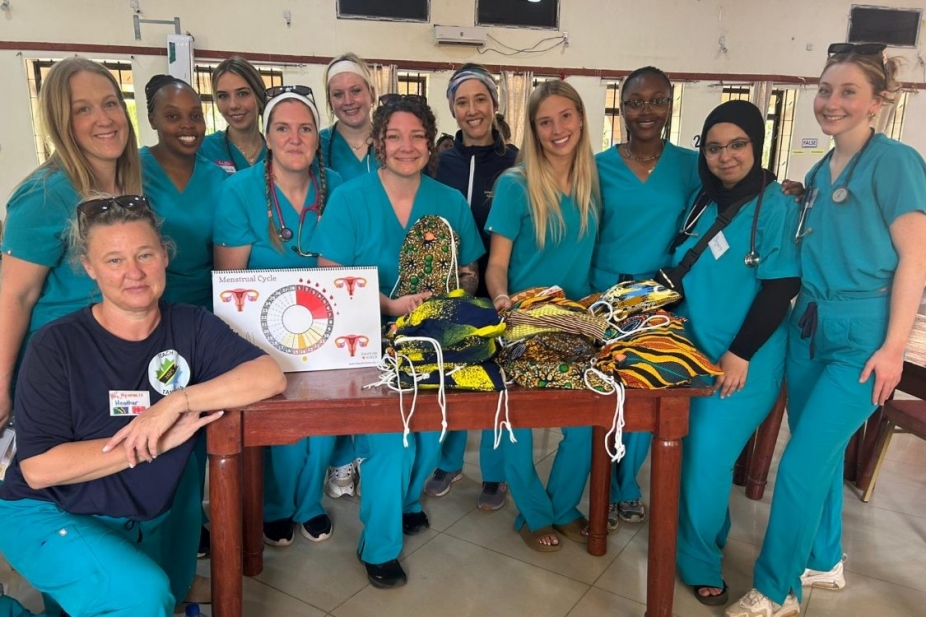
 University of Windsor nursing students and faculty sourced sustainable menstrual kits prepared for girls attending a leadership and health education program in Tanzania as part of a global health experiential learning initiative. (SUBMITTED BY RACHEL ELLIOTT/University of Windsor)
By Sara Meikle
A group of University of Windsor nursing students have turned a transformative global experience into research, reflection and recognition.
Their manuscript, based on a three-week experiential learning trip to Tanzania last year, has been published in the Global Qualitative Nursing Research journal — marking a significant milestone for both the students and faculty involved.
For fourth-year nursing student Bayan Nasra, the project represents far more than an academic achievement.
“This experience brought everything together,” she said. “Writing the manuscript allowed us to reflect on how the trip changed us both personally and professionally and how it will shape the kind of nurses we become.”
Nasra, who will graduate this spring, has been deeply engaged in campus life throughout her studies. As president of the Nursing Society, a peer mentor, tutor and undergraduate researcher, she has built a strong foundation in both leadership and scholarship. Her contributions were recently recognized with a Gold LEAD Medallion, awarded for student engagement and advocacy.
Her research journey began in second year, but this marks her first time contributing as a co-author.
“I’ve helped with research before, but this was different,” she said. “I worked on the background, literature review, and even co-wrote one of the themes about our growth. It was an incredible learning experience to see how a manuscript comes together.”
The Tanzania project itself has been years in the making. A collaboration led by Dr. Rachel Elliott from the Faculty of Nursing and rooted in the long-standing global work of Dr. Clinton Beckford from the Faculty of Education, the initiative integrates classroom learning with hands-on, community-based care.
Students spent several months preparing for the trip — attending weekly meetings, fundraising efforts and coursework designed to ensure culturally safe and ethical engagement. In April 2025, a group of 10 nursing students travelled to Tanzania for three weeks with 20 pre-service teachers, where they collaborated with local partners on health education and outreach.
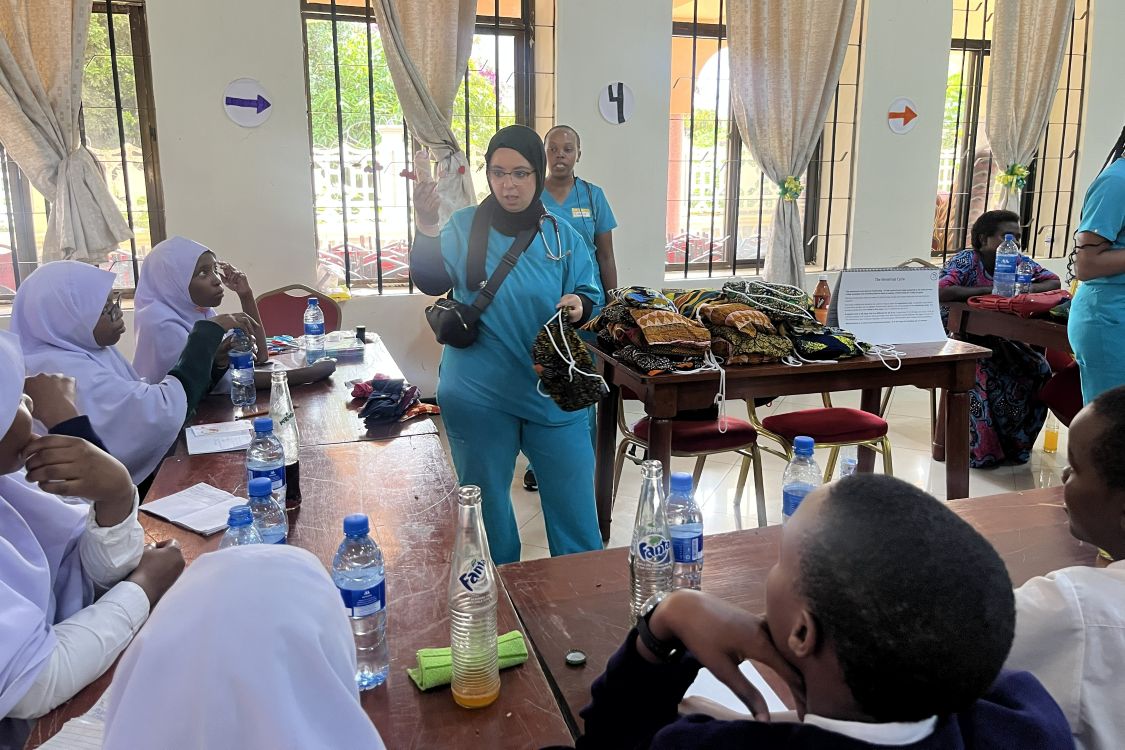
A key component of the experience was a week-long girls’ empowerment camp focused on menstrual health education. Through partnerships with organizations like Days for Girls, the team raised funds to provide more than 150 reusable menstrual kits, ensuring both sustainability and local economic support.
“We were very intentional,” Elliott said. “We wanted to make sure everything we did was culturally safe, evidence-based and sustainable. The students put in an incredible amount of work before, during and after the trip.”
That work extended into the research process. Unlike traditional studies, students were not just participants — they were co-authors. They helped design interview questions, transcribe and analyze data and identify key themes emerging from their shared experiences.
The result is a manuscript that highlights both professional development and personal transformation, emphasizing a strengths-based perspective on global health.
“Often, global experiences are framed through a deficit lens,” Elliott said. “What stood out in our work is how students recognized the innovation, resilience and high-quality care being delivered in resource-limited settings.”
Those insights also translated into broader academic recognition. The team presented their findings at the We-Spark Health Conference in March, where their research poster earned an award and sparked conversations with attendees from across disciplines and backgrounds.
“It was amazing to see how engaged people were,” Nasra said. “We had conversations with others who had done similar work in places like Kenya, and it created this space to share and learn from each other.”
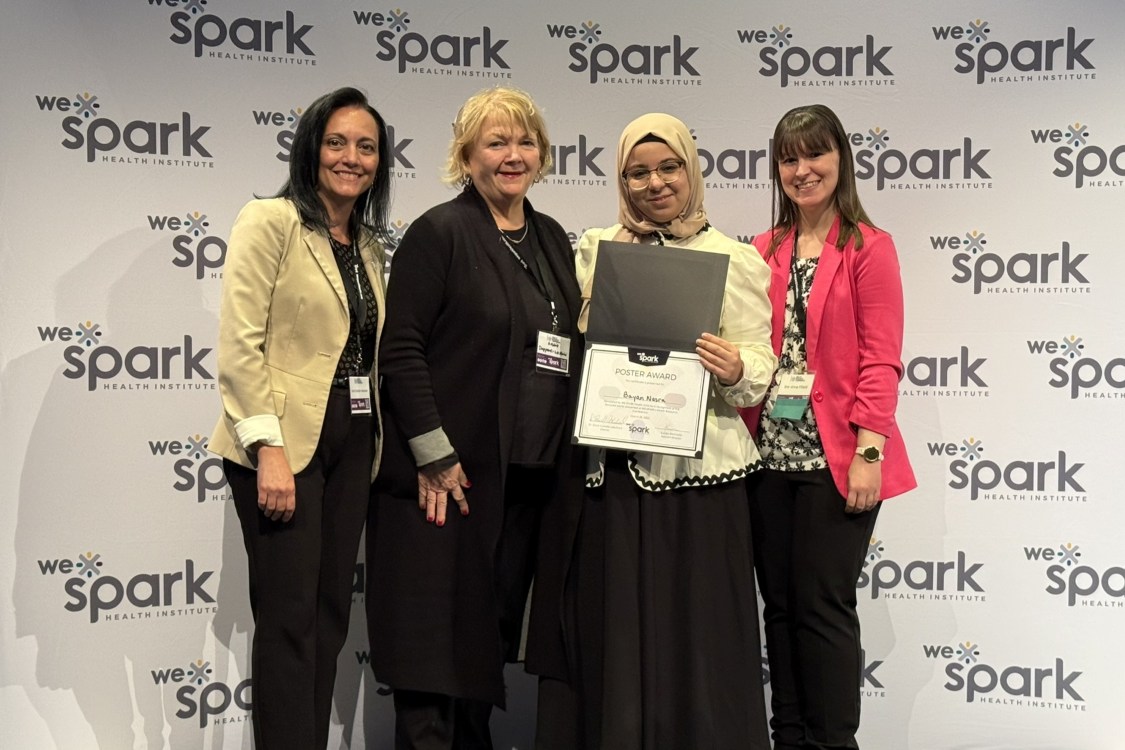
For Nasra, the impact of the experience has been especially profound. Originally from Syria, she brings a personal understanding of cultural displacement and inequity to her work. After immigrating to Canada as a refugee in 2016, she has seen first-hand how culture and communication shape access to care.
That perspective was sharpened during both the Tanzania trip and her clinical placements in Canada.
“You realize how important culturally competent care really is,” she said. “Seeing differences in how patients are treated, it stays with you. This experience made me more aware and more committed to being part of that change.”
As she prepares to enter the workforce, with plans to specialize in pediatric and maternal care, Nasra says the lessons from Tanzania will continue to guide her practice.
“From Syria to Canada to Tanzania, I’ve always known I belong in healthcare,” she said.
“Each experience has shaped how I understand care and what it should truly look like for patients.”
With their research accepted for publication and their poster award in hand, the students and faculty behind the project hope their story inspires others to rethink what global health practice can look like.
Grounded in the Faculty of Nursing’s commitment to equity, cultural competence and experiential learning, the experience reflects the kind of education that prepares future nurses to provide compassionate, inclusive care across all settings.