 MBA students, Odette faculty, corporate partners, alumni and community leaders gather during MBA Connect at the Odette School of Business on July 30. The event featured discussions on AI governance and networking opportunities for students and industry professionals. (CLEMENTA STAN/University of Windsor)
By Victor Romao
MBA students at the University of Windsor's Odette School of Business gained insights into artificial intelligence governance and built professional connections at MBA Connect in July.
The annual experiential learning event in July brought together MBA students, Odette faculty, corporate partners, alumniand community leaders to discuss emerging business issues and create networking opportunities.
— Published on Sep 14th, 2026
 Electrical engineering co-op student Luke Laforest received a Rising Star Award for his contributions during a work term at Ford Motor Company's Windsor Engine Plant. Through projects focused on predictive planning, assembly-line optimization and continuous improvement, he delivered solutions that helped improve efficiency, reduce costs and support frontline workers. (LUKE LAFOREST/University of Windsor)
At a modern engine plant, even a brief disruption can have significant consequences.
— Published on Sep 1st, 2026
 Ashley Deslippe, a University of Windsor Odette School of Business alumna and human resources coordinator at AAR, says co-op placements, international learning experiences and campus leadership opportunities helped prepare her for a career in human resources. (SUBMITTED BY ASHLEY DESLIPPE/University of Windsor)
By Victor Romao
A co-op placement is often viewed as a bridge between the classroom and the workplace.
For some students, it can also become the first step toward a long-term career.
The opportunity to gain practical experience, build professional relationships and apply classroom knowledge can open doors well beyond graduation.
That was the case for Ashley Deslippe (BComm ’25).
— Published on Aug 21st, 2026
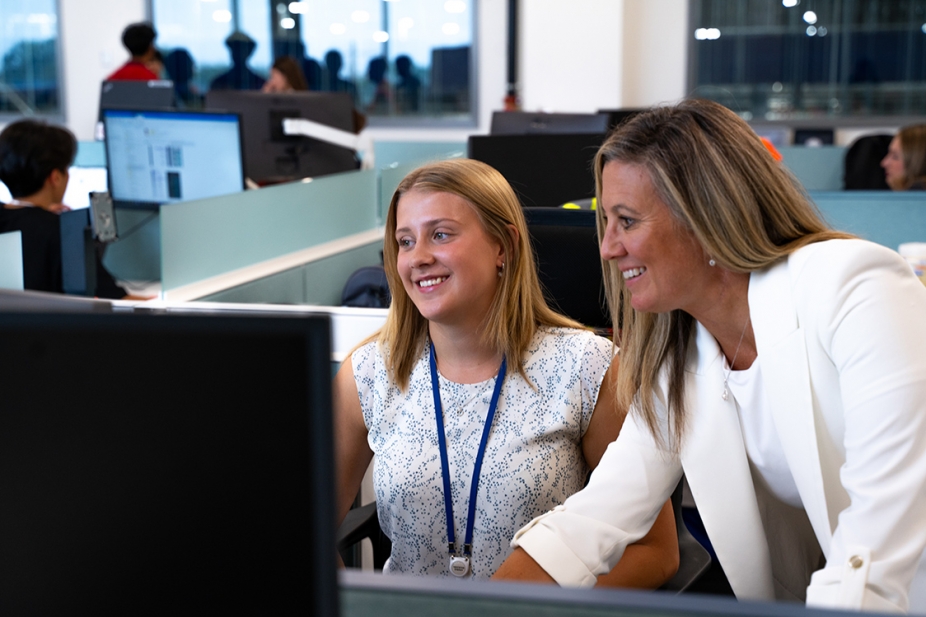 The University of Windsor's newly renamed Co-op, Career & Experiential Education unit brings career development, experiential learning and co-operative education services together under one banner to support student success. (FILES/University of Windsor)
By Victor Romao
The University of Windsor’s Career Centre and co-operative education office are now operating under a single name: Co-op, Career & Experiential Education.
The new name reflects the integration of the Office of Experiential Learning, Co-op & Workplace Partnerships and Career Development & Experiential Learning, also known as the Career Centre.
— Published on Aug 21st, 2026
 Applications are now open for the 2026-2027 Ignite Work Study Program, offering paid part-time positions across campus. (FILES/University of Windsor)
Work Study job postings now available for 2026-27
Looking for a flexible way to earn money, build your resume and gain valuable experience on campus?
Students looking to gain experience while earning income during the academic year can now apply for positions through the University of Windsor's Ignite Work Study Program.
The program offers paid, part-time employment opportunities across campus, allowing students to develop professional skills, explore career interests and contribute to the university community.
— Published on Aug 20th, 2026
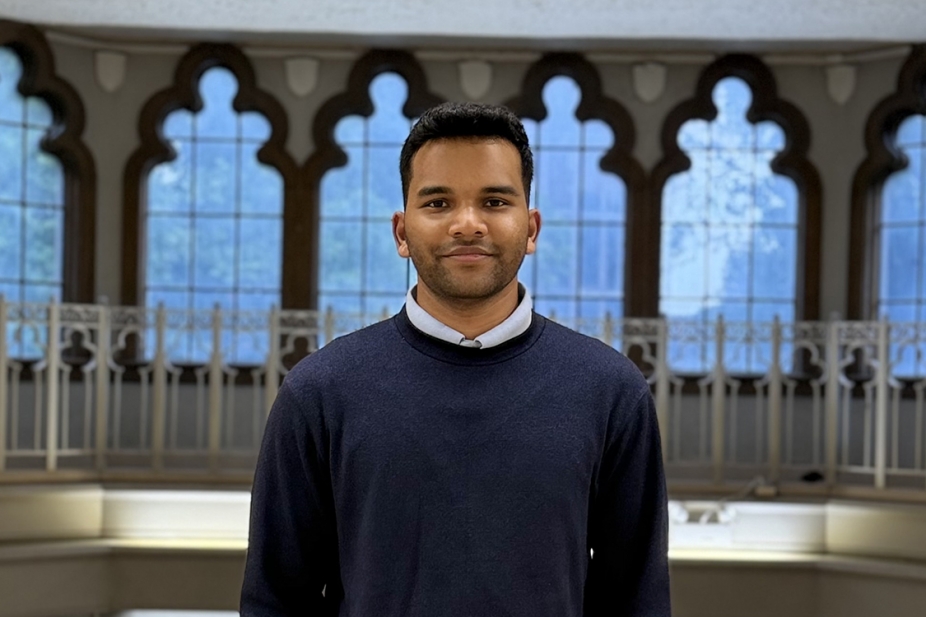 Master of Science in Computer Science student Nishant Gowthaman received a Rising Star Award for his contributions during a co-op placement with CenterLine (Windsor) Limited. During his work term, he developed a machine learning-powered system that transformed years of estimating data into a searchable resource, supporting continuous improvement initiatives across the organization. (SHIVANGI ROY/University of Windsor)
By Victor Romao
When Nishant Gowthaman arrived at CenterLine (Windsor) Limited for his co-op placement, he was presented with a challenge that extended far beyond writing code.
The company had years of estimating data stored across thousands of spreadsheets, containing valuable knowledge that engineers often struggled to find and reuse.
— Published on Aug 17th, 2026
 Master of Applied Computing graduate Harshkumar Nayanbhai Patel earned a Rising Star Award for outstanding work during a Winter 2026 co-op placement at RBC, where he developed AI-powered solutions that improved efficiency and delivered business value. (SUBMITTED BY HARSHKUMAR NAYANBHAI PATEL/University of Windsor)
By Victor Romao
For Harshkumar Nayanbhai Patel (MAC '26), a co-op placement at RBC became more than a learning opportunity. By the end of his work term, he had helped develop AI-powered solutions that were saving thousands of engineering hours annually and earned a full-time software engineering position with the company.
— Published on Aug 17th, 2026
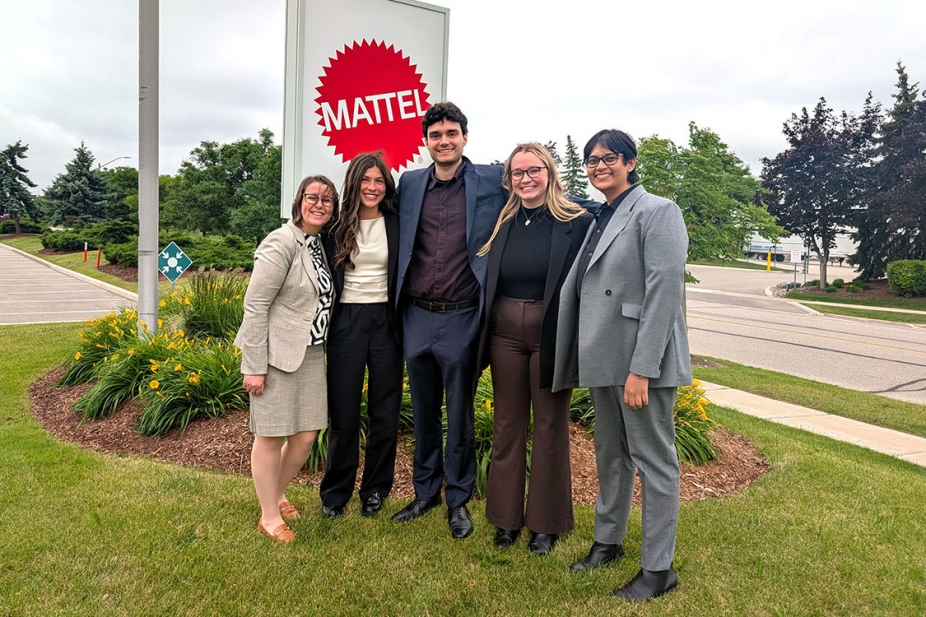 From left, Clementa Stan, career and employer relations advisor at the Odette School of Business, and MBA students Andrea Rivait, Hagen Nelson, Meghan Rae and Fatima Rizvi pose during a visit to Mattel Canada's headquarters in Mississauga. The students earned the visit after winning a Barbie case competition. (SUBMITTED BY CLEMENTA STAN/University of Windsor)
By Victor Romao
Winning a Barbie case competition earned four Odette School of Business MBA students a behind-the-scenes look at one of the world's most recognizable brands.
Andrea Rivait, Hagen Nelson, Meghan Rae and Fatima Rizvi, members of the MBA Class of 2026, recently visited Mattel Canada's headquarters in Mississauga after taking top honours in a competition that challenged students to develop strategic and marketing recommendations for Barbie.
— Published on Jul 29th, 2026
 Odette School of Business student Abigail McLeod received a Rising Star Award for her contributions during a co-op placement with PromoShop. During her work term, she helped improve the company's email marketing performance and supported business development efforts that led to new client acquisitions. (SUBMITTED BY ABIGAIL MCLEOD/University of Windsor)
By Victor Romao
For Abigail McLeod, a co-op placement at PromoShop became an opportunity to make a measurable impact while discovering where she wants her career to go.
The third-year Odette School of Business student contributed to marketing and business development initiatives that helped strengthen client relationships, improve campaign performance and support company growth.
— Published on Jul 27th, 2026
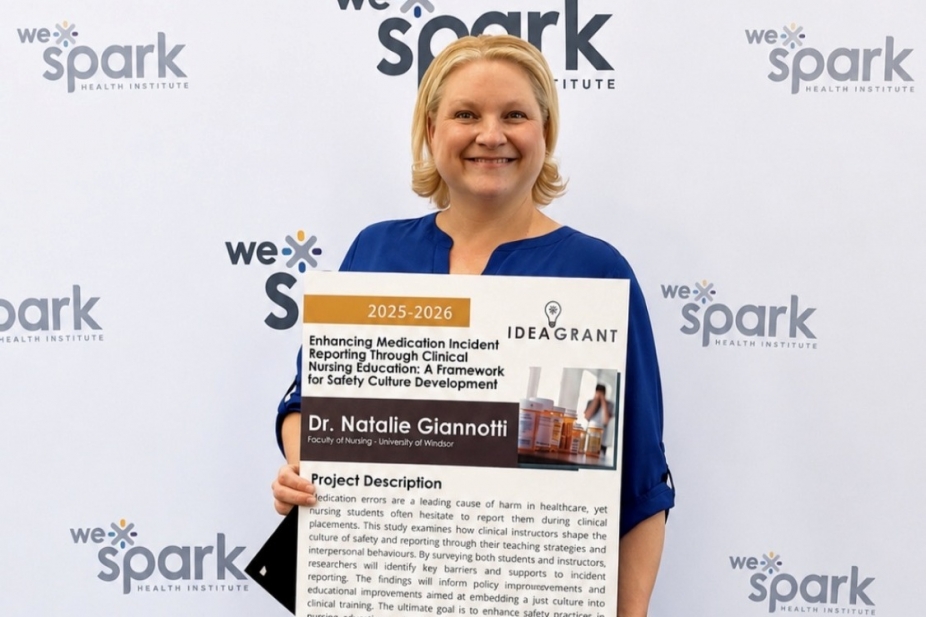 Faculty of Nursing professor Natalie Giannotti led a study examining perceptions of medication incident reporting, helping advance a culture of patient safety, learning, and transparency. (SUBMITTED BY NATALIE GIANNOTTI/University of Windsor)
By Sara Meikle
Administering medication may appear straightforward, but behind every dose is a complex series of steps where errors can still occur despite the best intentions of health-care professionals.
Nearly two decades after introducing a medication incident reporting system for nursing students, the University of Windsor is seeing evidence that its efforts to build a culture of safety are taking hold.
— Published on Jul 14th, 2026

 MBA students, Odette faculty, corporate partners, alumni and community leaders gather during MBA Connect at the Odette School of Business on July 30. The event featured discussions on AI governance and networking opportunities for students and industry professionals. (CLEMENTA STAN/University of Windsor)
