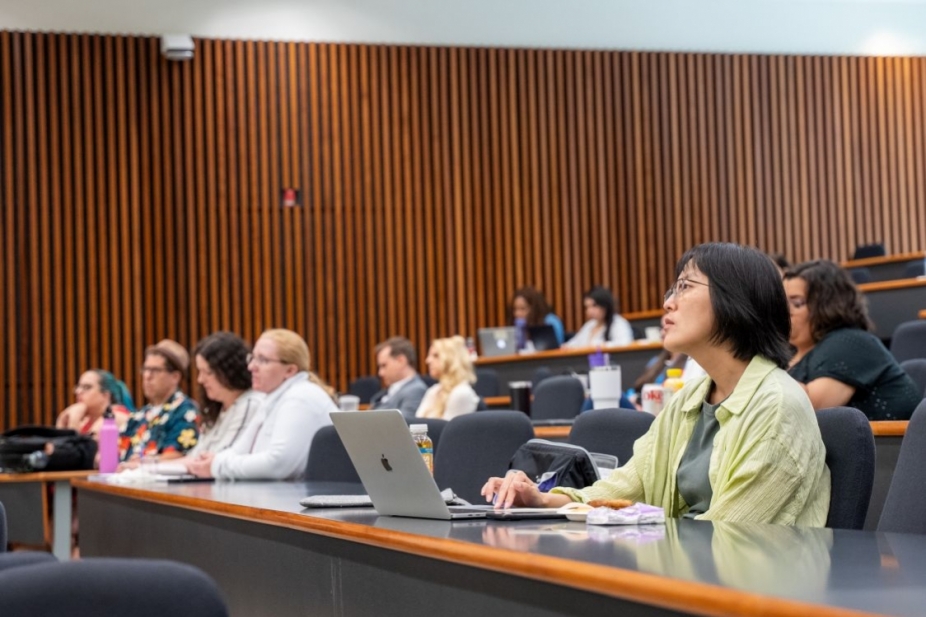
 The Faculty of Education will host the Educational Leaders Without Borders annual conference in April 2027 (DOUG DROUILLARD/University of Windsor)
What does it mean to make “good trouble” in education?
— Published on Oct 15th, 2026
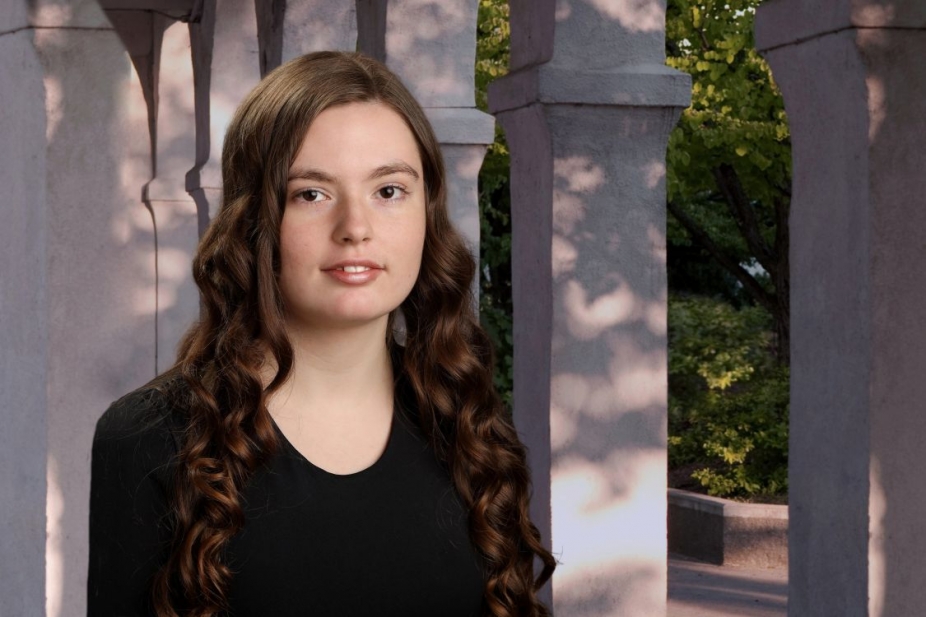 MA Psychology student Maria Zangari was named an Ontario Women's Health Scholar for 2026 (PROVIDED BY M. ZANGARI/University of Windsor)
By Kate Hargreaves
With shortages of primary care practitioners and long wait times for health care, more Ontarians may be turning to episodic care providers such as walk-in clinics, urgent care centres and pharmacies for their medical needs.
For women who have experienced gender-based violence (GBV), however, a lack of continuity and brief encounters with providers can create barriers to receiving responsive trauma- and violence-informed care.
— Published on Oct 15th, 2026
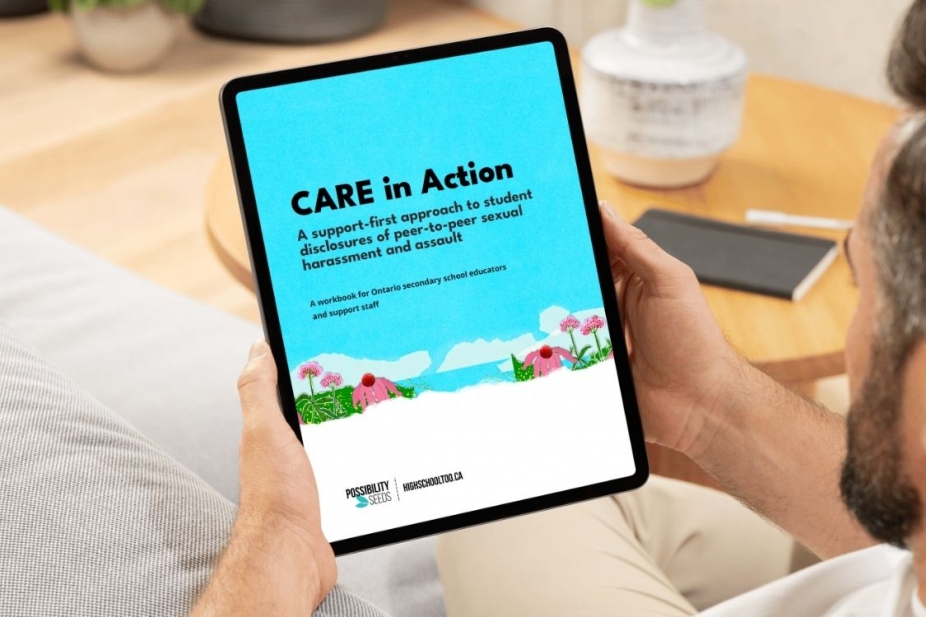 A virtual launch Oct. 5 marks the release of a new guide to support teachers in responding to sexual violence (CANVA STOCK/University of Windsor)
By Kate Hargreaves
Before the age of 15, 45 per cent of Canadian teens will experience dating violence.
For educators who find themselves on the receiving end of disclosures, knowing how to respond can be daunting.
That’s what motivated a new guide to help teachers respond to sexual violence disclosures in trauma-informed ways.
— Published on Oct 15th, 2026
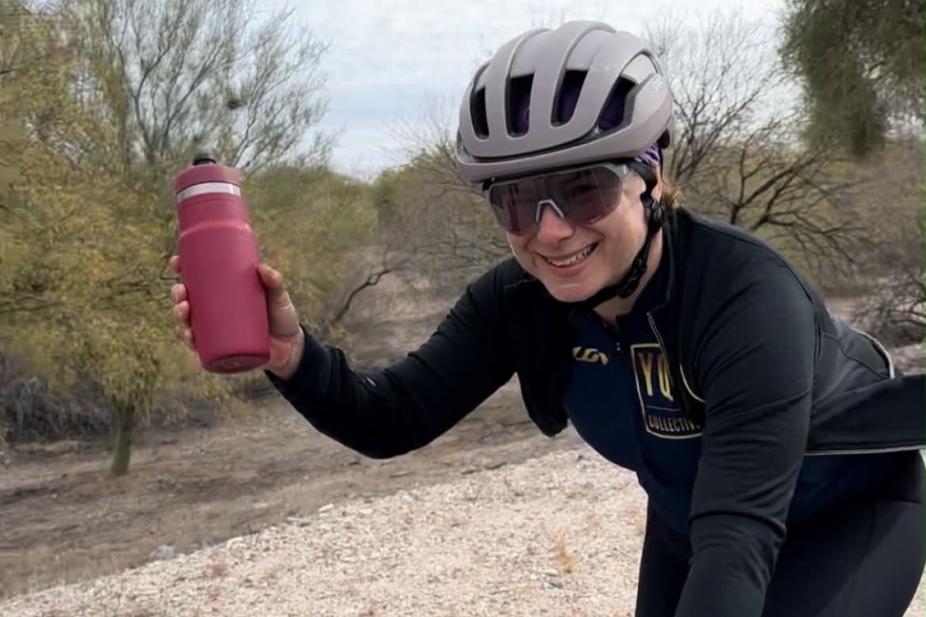 Kim Rocheleau is the founder of the Dirt Divas women's mountain biking group and successfully led 13 Women's 100 road cycling events in Windsor-Essex (PROVIDED BY K. ROCHELEAU/University of Windsor)
By Kate Hargreaves
When Kim Rocheleau (BHK ’95, BEd ’06) finishes her workday as a high school principal with the Greater Essex County District School Board, she often hits the road — or the trail — on two wheels rather than four.
When she’s not supporting students and staff at Vincent Massey Secondary School, she shares the joy of cycling with women across Essex County.
Earlier this month, she organized the 13th annual — and final — local Women’s 100, marking more than a decade of leading the inclusive cycling event.
— Published on Oct 15th, 2026
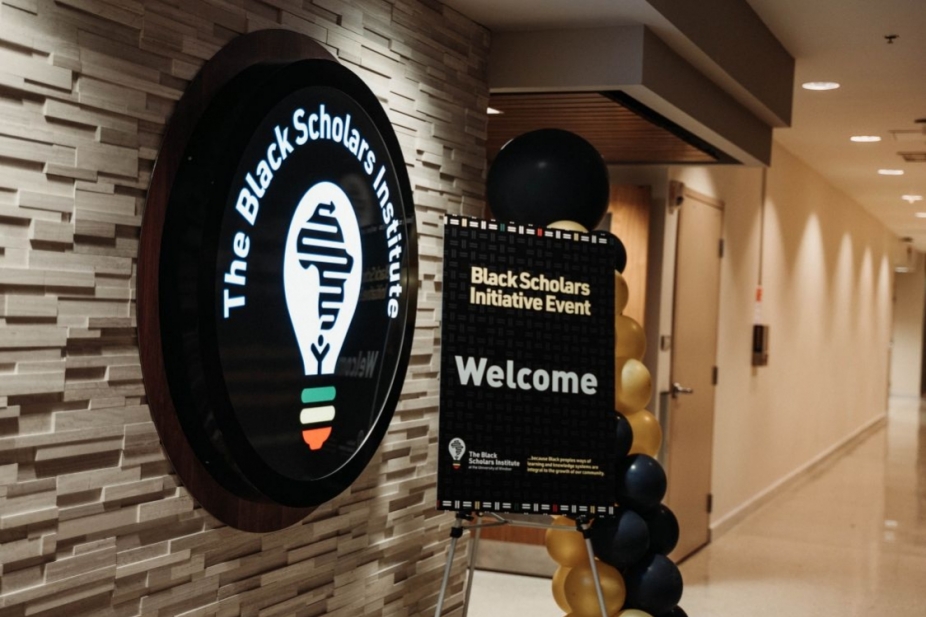 The Black Scholars Institute at the University of Windsor will host a three-day symposium in October (FILE/University of Windsor)
By Kate Hargreaves
The University of Windsor Black Scholars Institute (BSI) will bring scholarship and community together this October during the three-day symposium Futuring Black Thriving.
— Published on Oct 15th, 2026
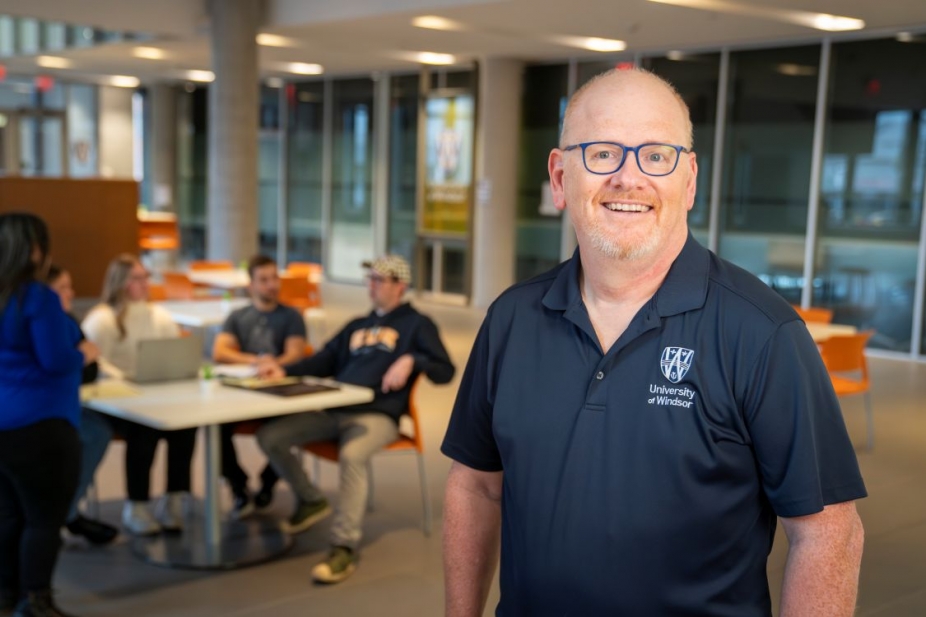 Dr. Wayne Ambrose-Miller and the School of Social Work have been working on embedding Indigenous Ways of Knowing into the program (MICHAEL WILKINS/University of Windsor)
As part of the launch of the Turtle Island — Indigenous Student Services Centre's Indigenous Allyship Guide, we are asking allies across campus to reflect on their allyship journeys.
Dr. Wayne Ambrose-Miller is director of the UWindsor School of Social Work.
Q: How would you describe what Indigenous allyship means to you?
— Published on Sep 14th, 2026
 Isaiah Maracle has been supporting Lancer Recreation in the department's allyships efforts (PROVIDED BY I. MARACLE; FILE/University of Windsor)
As part of the launch of the Turtle Island — Indigenous Student Services Centre's Indigenous Allyship Guide, we are featuring conversations about allyship with campus community members.
Isaiah Maracle is an Indigenous student who has been supporting Indigenization efforts at the Toldo Lancer Centre
Q: How would you describe what Indigenous allyship means to you?
— Published on Sep 8th, 2026
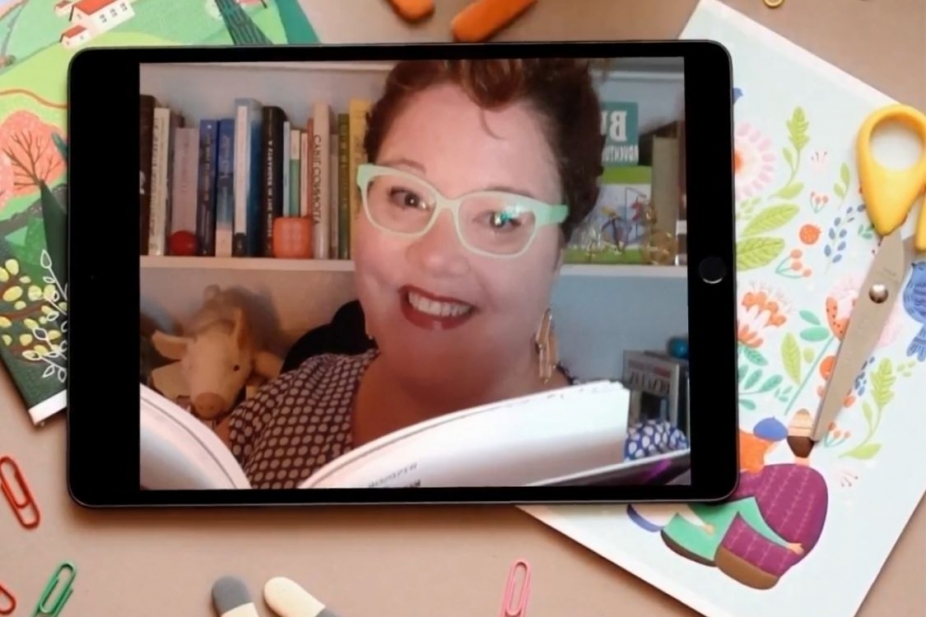 Kate Reynolds aka the Lavender Librarian got started with social media storytime in 2020 (PROVIDED BY K. REYNOLDS; TEMPLATE VIA CANVA STOCK/University of Windsor)
By Kate Hargreaves
With her glitter-covered eyeglasses, Kate Reynolds (BMus ’06) knows that she looks like a children’s librarian. However, part of her goal as the founder of Storytime Solidarity is to shake up assumptions about who leads storytime.
— Published on Oct 15th, 2026
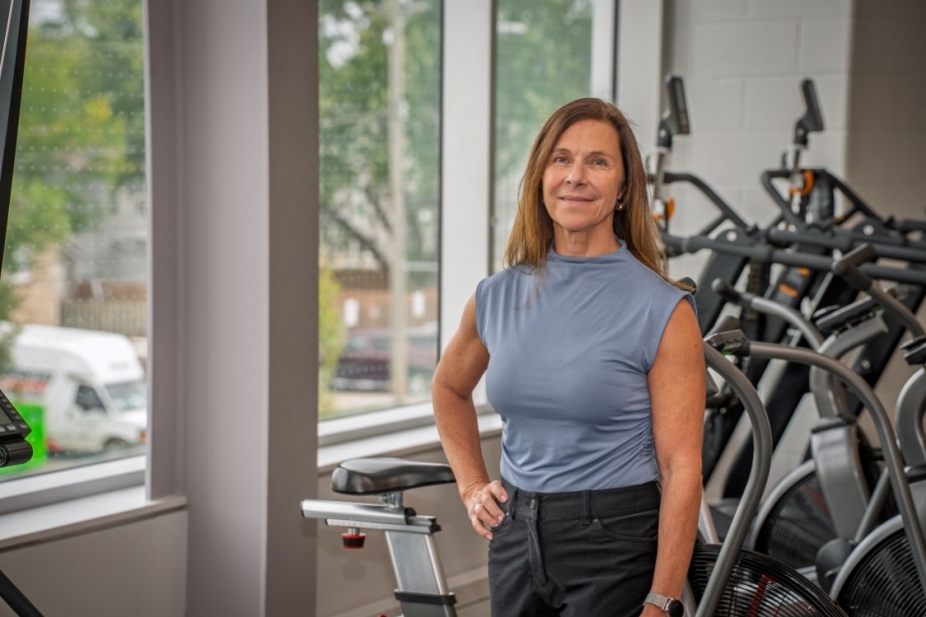 Sandra Ondracka is the campus recreation coordinator (KYLE ARCHIBALD/University of Windsor)
As part of the launch of the Turtle Island — Indigenous Student Services Centre's Indigenous Allyship Guide, we are asking allies across campus to reflect on their allyship journeys.
Sandra Ondracka is the Campus Recreation Coordinator.
Q: How would you describe what Indigenous allyship means to you?
— Published on Sep 2nd, 2026
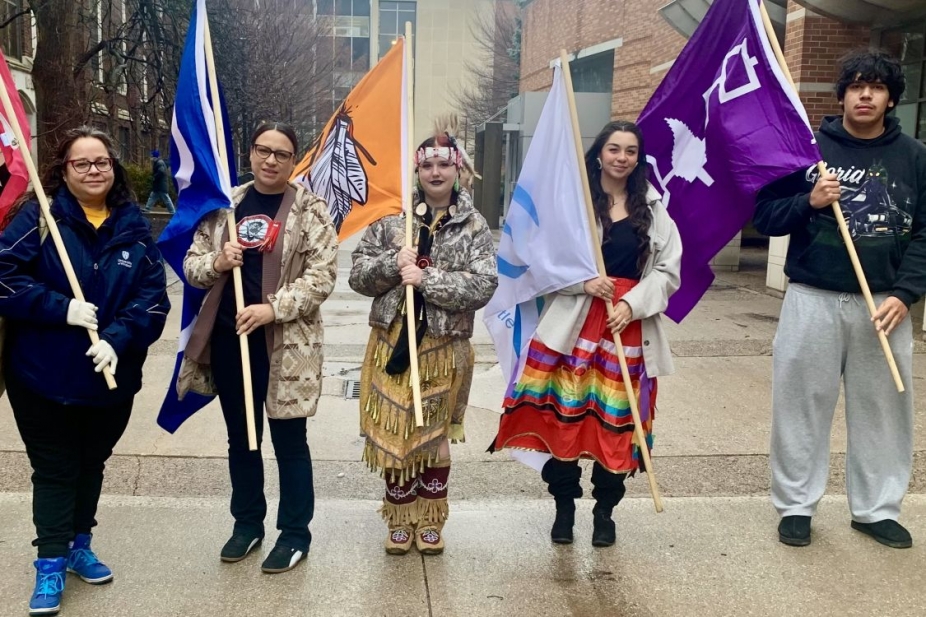 A new guide on Indigenous allyship is now available from Turtle Island - Indigenous Student Services Centre (PROVIDED BY F. LOMASCOLO/University of Windsor)
By Kate Hargreaves
A new guide aims to support non-Indigenous members of the UWindsor community in building their knowledge and strengthening their allyship with Indigenous Peoples and communities.
Developed by Sisco Consulting in collaboration with the Turtle Island — Indigenous Student Services Centre, the document provides guidance to non-Indigenous students, faculty, staff and community members as they work toward allyship.
— Published on Oct 15th, 2026

 The Faculty of Education will host the Educational Leaders Without Borders annual conference in April 2027 (DOUG DROUILLARD/University of Windsor)

