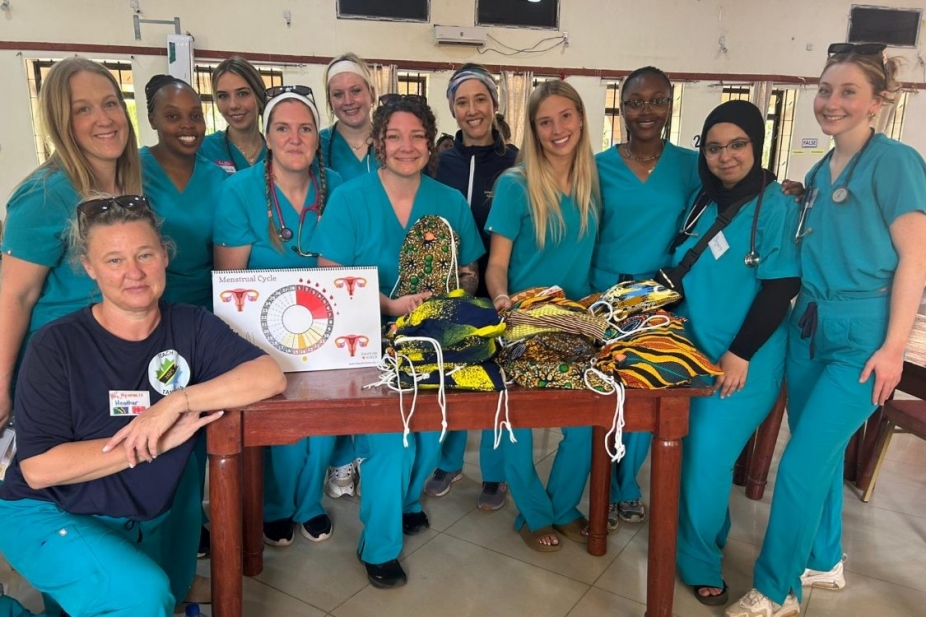
 University of Windsor nursing students and faculty sourced sustainable menstrual kits prepared for girls attending a leadership and health education program in Tanzania as part of a global health experiential learning initiative. (SUBMITTED BY RACHEL ELLIOTT/University of Windsor)
By Sara Meikle
A group of University of Windsor nursing students have turned a transformative global experience into research, reflection and recognition.
Their manuscript, based on a three-week experiential learning trip to Tanzania last year, has been published in the Global Qualitative Nursing Research journal — marking a significant milestone for both the students and faculty involved.
— Published on May 20th, 2026
 Ali Mozafari during medical first responder training at a Canadian Armed Forces base in Windsor through St. John Ambulance, one of many experiences he pursued beyond the classroom to deepen his understanding of patient care and strengthen his path toward a career in healthcare. (SUBMITTED BY ALI MOZAFARI/University of Windsor)
By Sara Meikle
Ali Mozafari’s path through the University of Windsor has been anything but linear.
A fourth-year nursing student with research experience spanning health sciences and engineering, his story is defined by resilience, curiosity and determination.
“Honestly, it’s been a chaotic journey,” he said. “But I’m proud of how I turned it around and everything I’ve been able to do since.”
— Published on May 13th, 2026
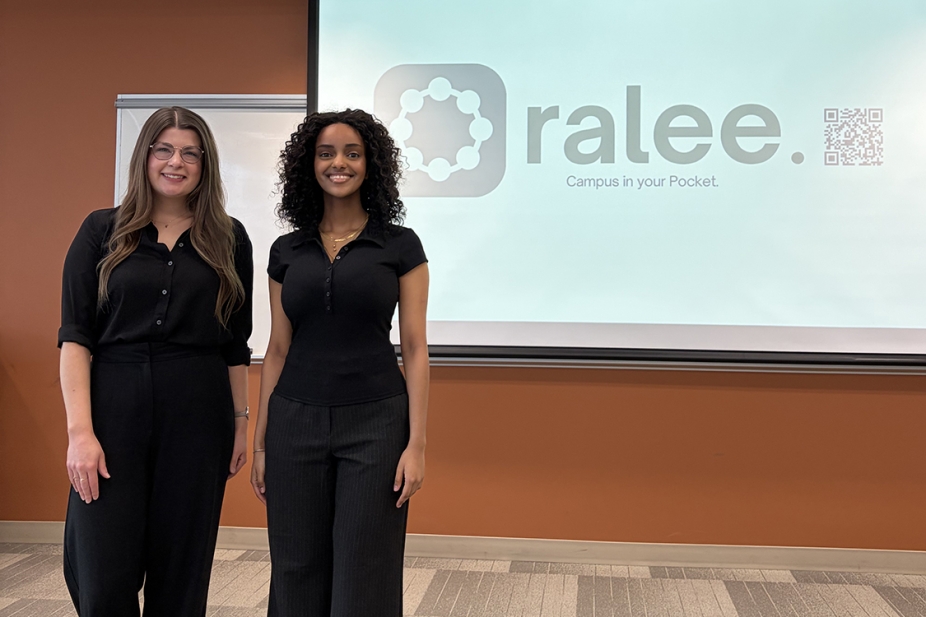 Sydney Thompson (left), program co-ordinator with the Office of Innovation, Partnerships and Entrepreneurship, stands with Kalkidan Wubshet, the first student to take part in the University of Windsor’s Entrepreneurship Co-op program. (MAHNOZ AKTARI/University of Windsor)
By Victor Romao
Instead of stepping into a traditional co-op role, University of Windsor computer science student Kalkidan Wubshet spent the work term building a startup — an experience that began with a simple realization.
“When it comes to communicating on campus, most students rely on word of mouth, Instagram, Discord, bulletin boards, etc.,” said Wubshet. “Everything is scattered.”
— Published on May 13th, 2026
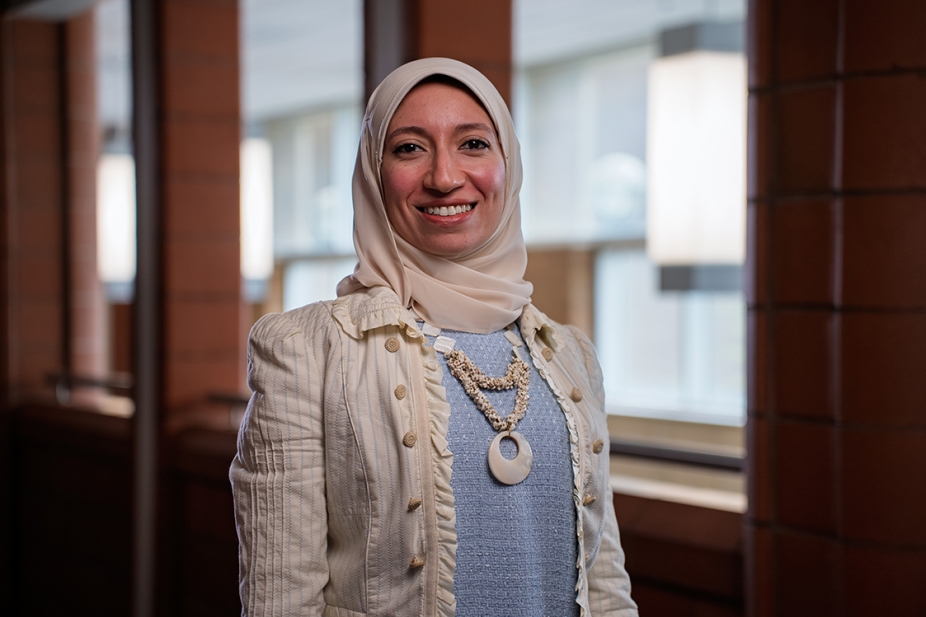 Odette School of Business professor Dr. Esraa Abdelhalim has received a Social Sciences and Humanities Research Council Insight Development Grant to study how generative artificial intelligence can be used to enhance workplace performance without undermining motivation or personal agency. (DAVE GAUTHIER/University of Windsor)
For most workers, the appeal of generative AI is obvious: faster drafts, quicker analysis, less time on the routine parts of the job.
— Published on May 5th, 2026
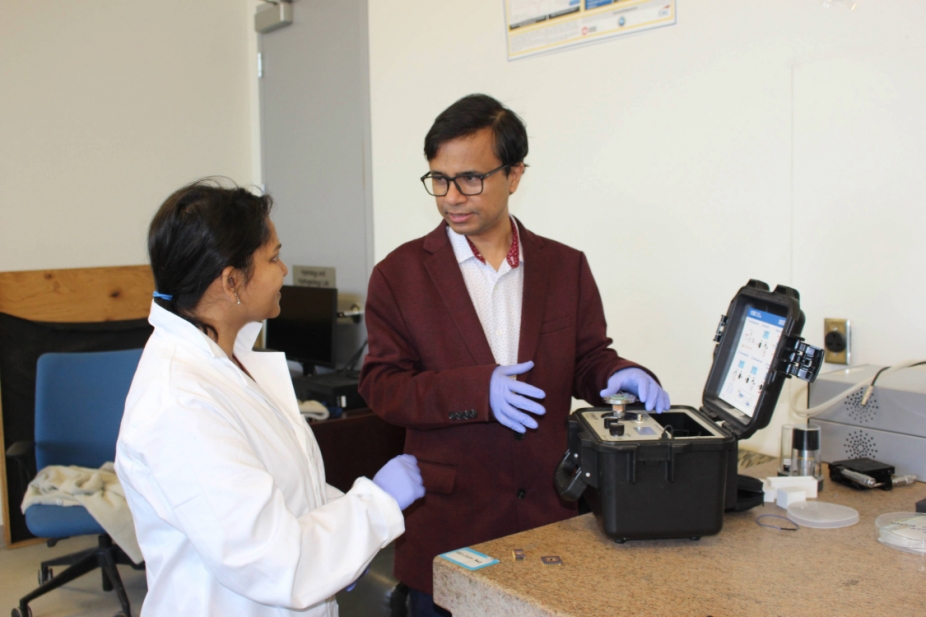 Dr. Jalal Ahamed, mechanical, automotive and materials engineering professor, and lab manager Bhawya in the MicroNano Mechatronics Lab at the University of Windsor. (ANGELA KHARBOUTLI/ University of Windsor)
By Lindsay Charlton
Every time a car deploys an airbag, a smartphone tilts its screen or a satellite adjusts its position in space, tiny motion sensors are at work — quietly measuring movement with remarkable precision.
At the University of Windsor, researchers are working to push that technology further, developing next-generation sensors that are smaller, more accurate and better suited for large-scale manufacturing.
— Published on May 4th, 2026
 Outstanding Scholar Victorieuse Sambao, a Law and Politics major and recently elected the University of Windsor Students’ Alliance (UWSA) president. (Photo courtesy of Victorieuse Sambao/ University of Windsor)
By Lindsay Charlton
Victorieuse Sambao wants to see the world become a better place.
A natural people person, the Law and Politics major was recently elected and started her term as the University of Windsor Students’ Alliance (UWSA) President, and that connection with others drives much of what she does.
— Published on May 4th, 2026
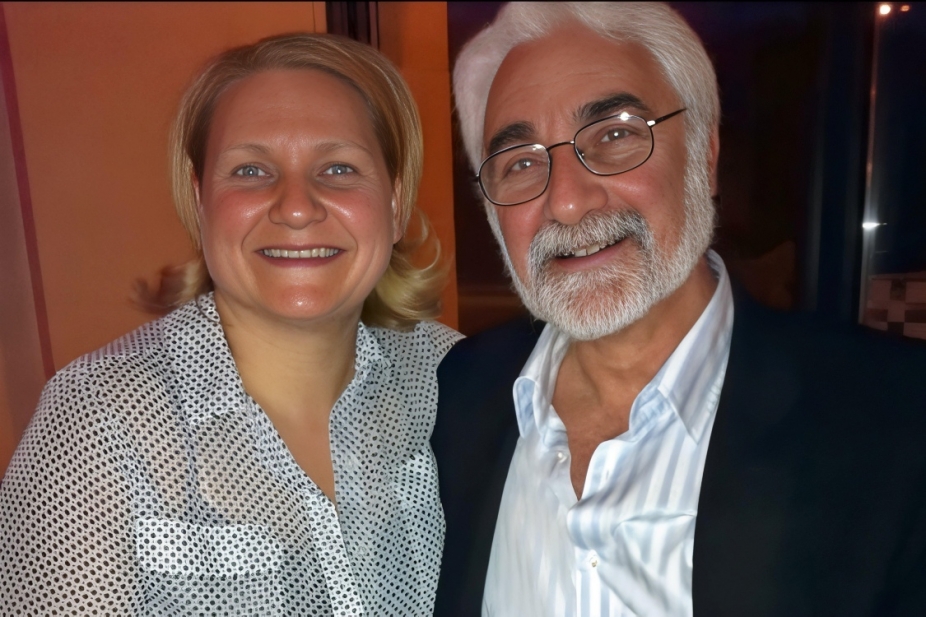 Dr. Natalie Giannotti, pictured with her father, says her work has taken on new meaning through her personal experience supporting him through his cancer journey. Her research examines gaps in the Canadian healthcare system and the need for reliable, patient-centred care. (SUBMITTED BY NATALIE GIANNOTTI/University of Windsor)
By Sara Meikle
Dr. Natalie Giannotti’s research has always focused on improving patient safety and healthcare systems.
But it wasn’t until she found herself navigating the system as a daughter, supporting her father through his cancer diagnosis and treatment, that the gaps she had long studied became personal.
— Published on Apr 28th, 2026
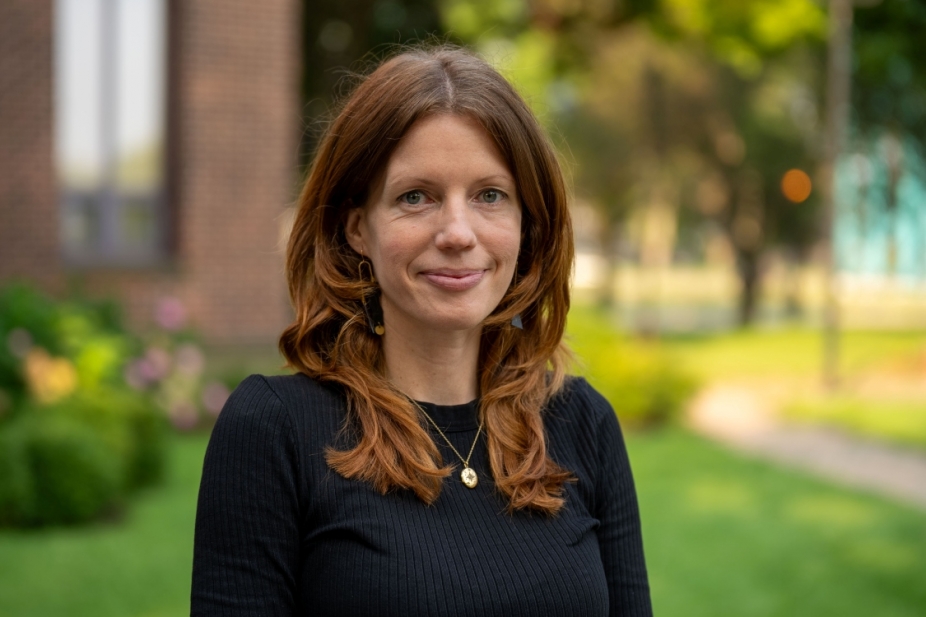 Kristen Thomasen, professor at Windsor Law, led the University of Windsor’s hosting of the international We Robot conference on robotics and AI law and policy in 2025, contributing to a new publication on AI governance. (SARAH SMITHERMAN/University of Windsor)
By Sara Meikle
From autonomous systems to algorithmic decision-making, artificial intelligence (AI) is raising questions that extend beyond the scope of law alone.
Interdisciplinary collaboration at the University of Windsor is helping address these questions by bringing multiple fields into the same conversation.
— Published on Apr 28th, 2026
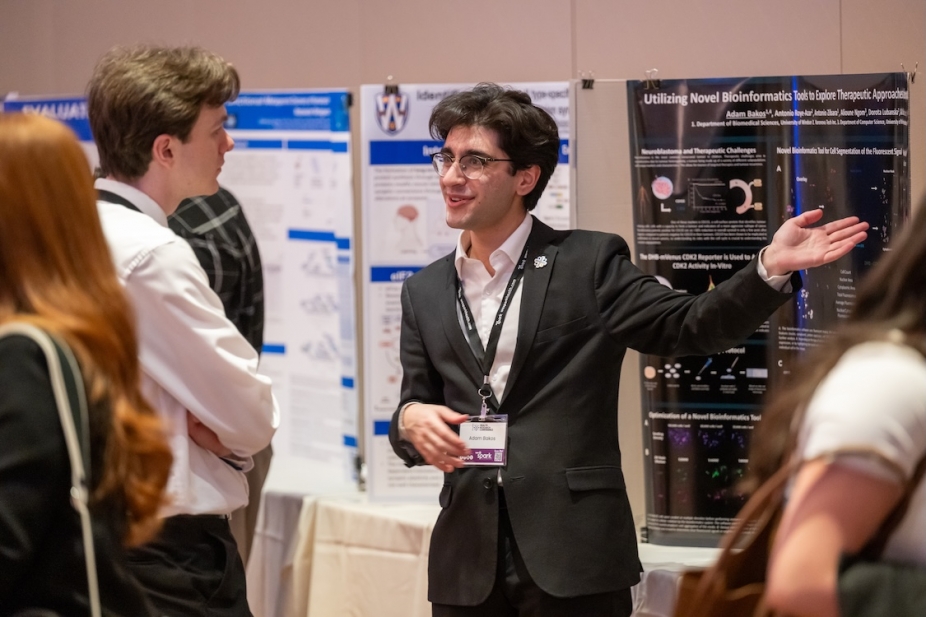 Biomedical sciences undergraduate researcher Adam Bakos presents at the 2026 WE-SPARK Health Institute’s annual Health Research Conference. (Photo courtesy of WE-SPARK/University of Windsor)
Nearly 400 researchers, clinicians, students and community partners gathered at Caesars Windsor on March 28 for the 2026 WE-SPARK Health Institute’s annual Health Research Conference.
Participants from across disciplines shared research, exchanged ideas and explored new approaches to improving patient care and addressing pressing health challenges.
— Published on Apr 24th, 2026
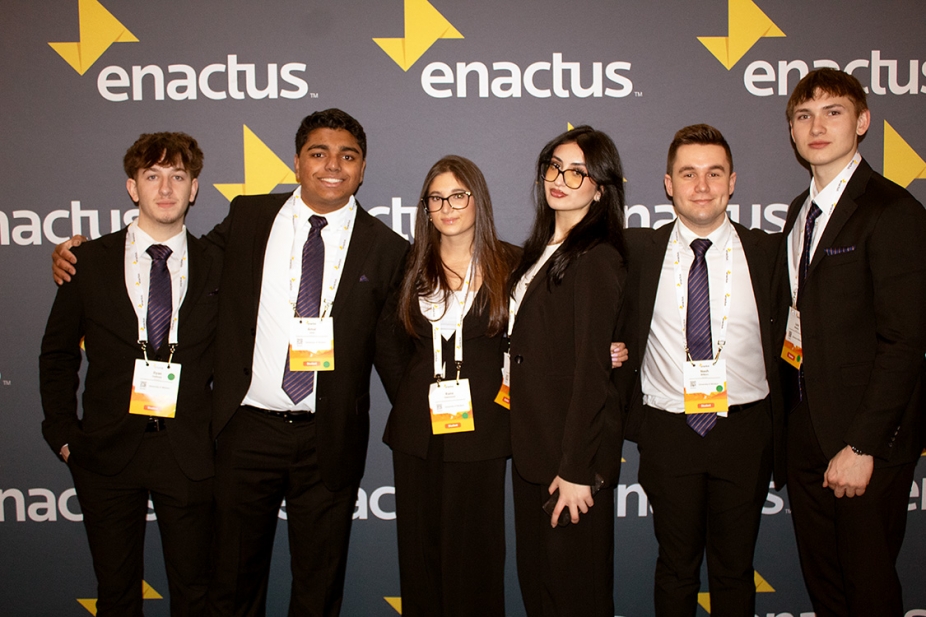 Pictured left to right are members of Enactus Windsor who earned multiple awards at the Enactus Canada Central Canada Regional Exposition: Ryan Gadoury, Amal Jose, Ramla (Rana) Hammoud, Anita Jafari, Nash Wilkins and Luca Bienaz. (SUBMITTED BY RYAN GADOURY/University of Windsor)
By Victor Romao
A student-led entrepreneurship team at the University of Windsor is heading to the national stage after earning several top finishes at the Enactus Canada Central Canada Regional Exposition.
Enactus Windsor placed in all four Impact Challenges at the competition, becoming one of only three post-secondary institutions in the country to do so — and the only one in Central Canada.
— Published on Apr 23rd, 2026

 University of Windsor nursing students and faculty sourced sustainable menstrual kits prepared for girls attending a leadership and health education program in Tanzania as part of a global health experiential learning initiative. (SUBMITTED BY RACHEL ELLIOTT/University of Windsor)
