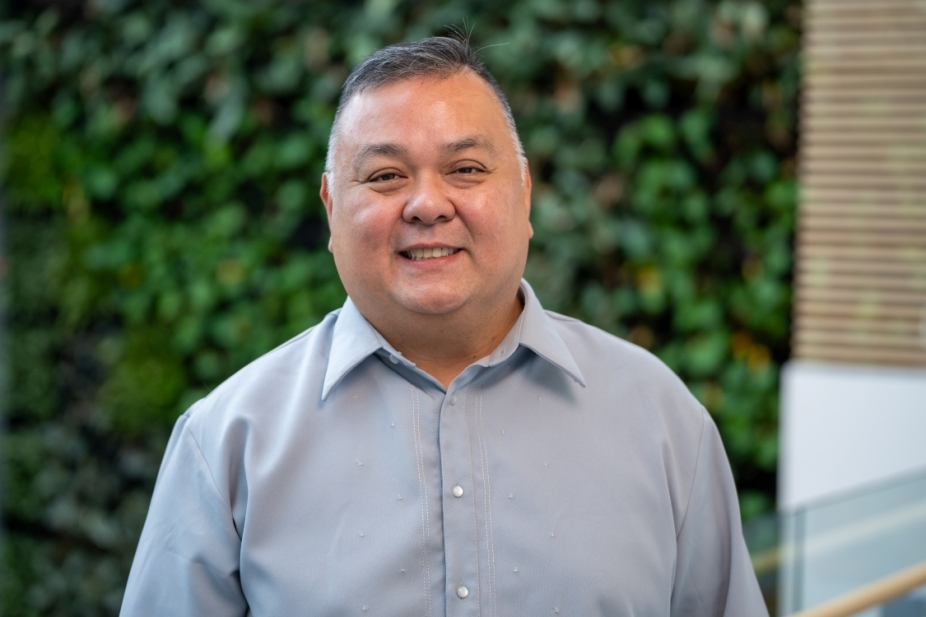
 Dr. Edward Cruz is pictured at the Faculty of Nursing, where his research includes advancing the integration and success of Internationally Educated Nurses within Canada’s healthcare system. (GAM MACASAET/University of Windsor)
By Sara Meikle
As Canada faces ongoing health-care worker shortages, internationally educated nurses (IENs) are increasingly relied upon to fill critical roles.
Research by Dr. Edward Cruz, a professor in the Faculty of Nursing at the University of Windsor, suggests many of these nurses continue to encounter systemic barriers that limit their ability to fully integrate into the workforce — even as they are actively recruited to meet demand.
— Published on Feb 18th, 2026
 Drummer and researcher Satoshi Yamaguchi will present a public lecture at SoCA Feb. 23 (PROVIDED BY S. YAMAGUCHI/University of Windsor)
By Kate Hargreaves
For any musician, losing the ability to play their instrument sounds like a nightmare.
For Satoshi Yamaguchi, drummer for the Japanese rock band RADWIMPS, this became a reality while on a national concert tour in 2009.
Having developed musician’s dystonia, a rare neurological condition impacting his motor control, Yamaguchi continued to perform until 2015 when he made the decision to step away from drumming due to progressing symptoms.
— Published on Feb 10th, 2026
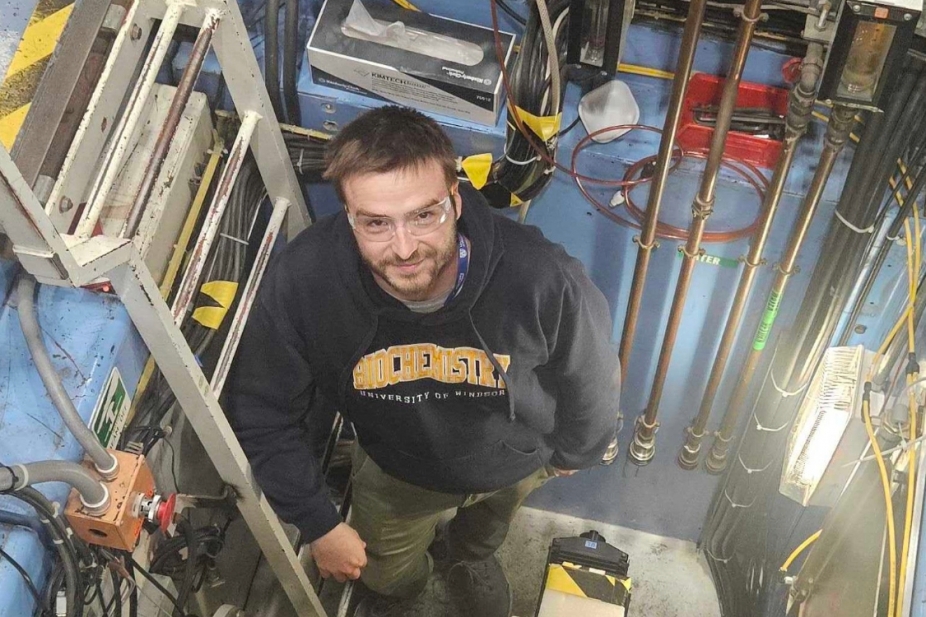 Dr. Drew Marqurdt at the ISIS Neutron and Muon Source, a world-leading centre for research in the United Kingdom. (MAKS DZIURA/University of Windsor)
The University of Windsor is helping shape Canada’s future in nuclear science by joining an international initiative aimed at transforming how scientists access neutron technology.
Neutron beams are indispensable tools for probing the structure of materials, from advanced batteries to biological tissues, without causing damage.
— Published on Jan 29th, 2026
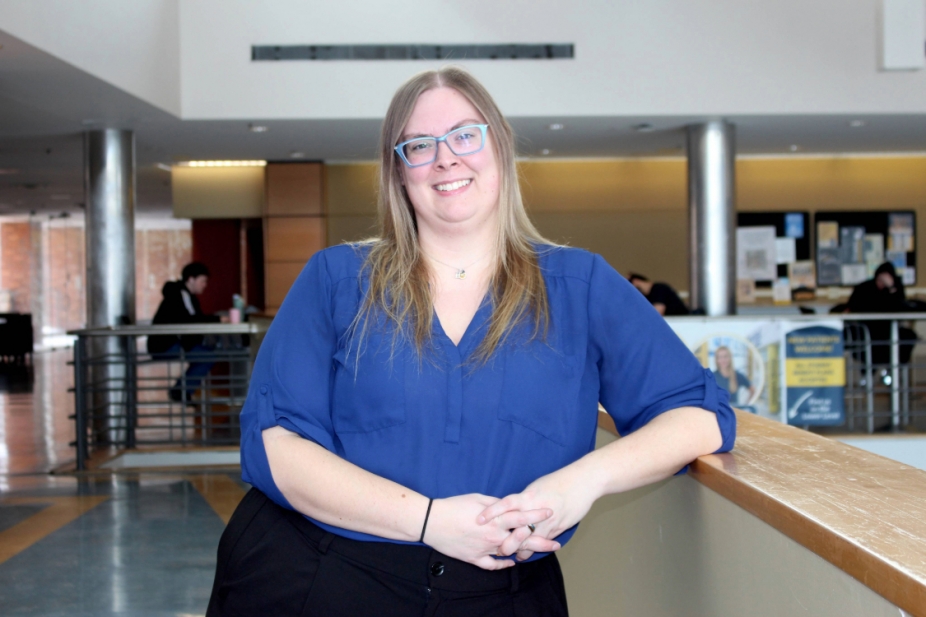 Gena Dufoura, PhD candidate in applied social psychology, recently received a renewal of the Ontario Health Scholars Doctoral Award, administered by the Council of Ontario Universities, in recognition of outstanding contributions to women’s health research for her work exploring fear of institutional betrayal on university campuses. Pictured at the University of Windsor in Windsor, Ont., on Tuesday, Jan. 27, 2026. (ANGELA KHARBOUTLI/ University of Windsor)
By Lindsay Charlton
How institutions respond to gender-based violence can shape survivors’ recovery — and, if inadequate, can deepen harm, says a University of Windsor researcher investigating how campus responses to sexual assault influence healing and long-term outcomes.
— Published on Jan 27th, 2026
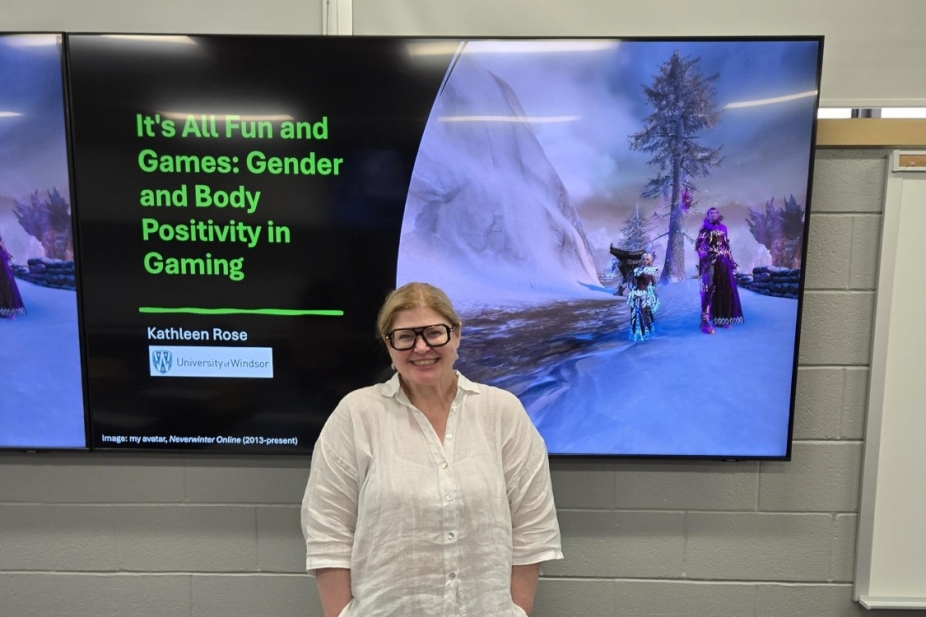 Kathleen Rose wrote her Master of Education thesis on video games, gender and body image (PROVIDED BY K. ROSE/University of Windsor)
By Kate Hargreaves
Kathleen Rose (MEd ’25) calls herself a long-time gamer, playing early role-playing games (RPGs) like Baldur's Gate since the 1990s.
As the mother of young children at the time, and as a woman in the male-dominated video gaming space, she began to wonder about what messages these games were sending to players about gender and bodies.
“As an English teacher, games are a text. They’re a media text like anything else,” she explains.
— Published on Sep 18th, 2026
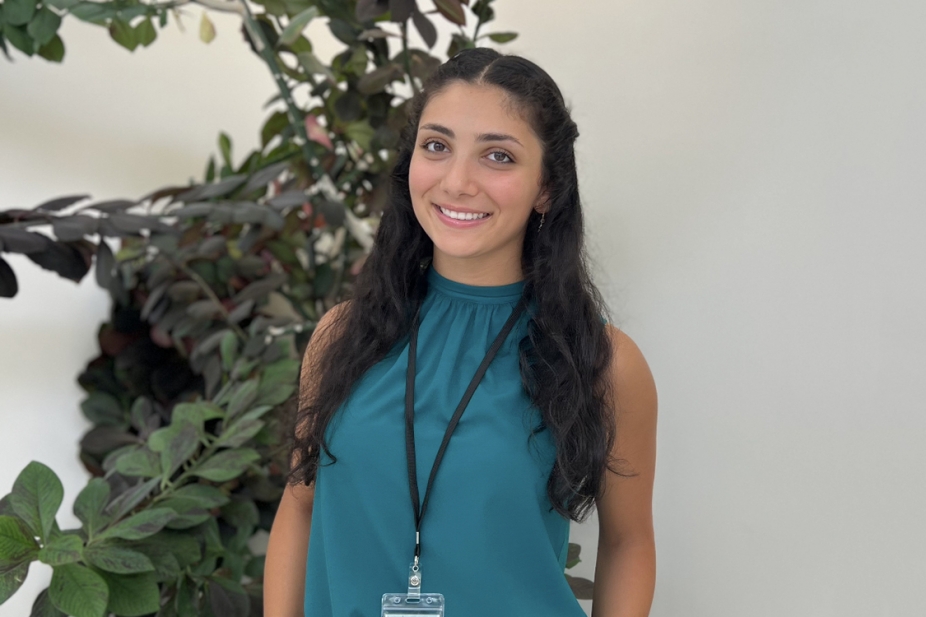 Undergraduate student Krista Abdel Sater gains hands-on research experience through Outstanding Scholars, shaping resources for future business students. (SUBMITTED BY KRISTA ABDEL SATER/University of Windsor)
By Victor Romao
When Krista Abdel Sater walked into her first-year classes at the University of Windsor, she never imagined her business degree would lead her into academic research — or to a high-impact co-op role at one of the world’s leading professional services firms.
— Published on Jan 22nd, 2026
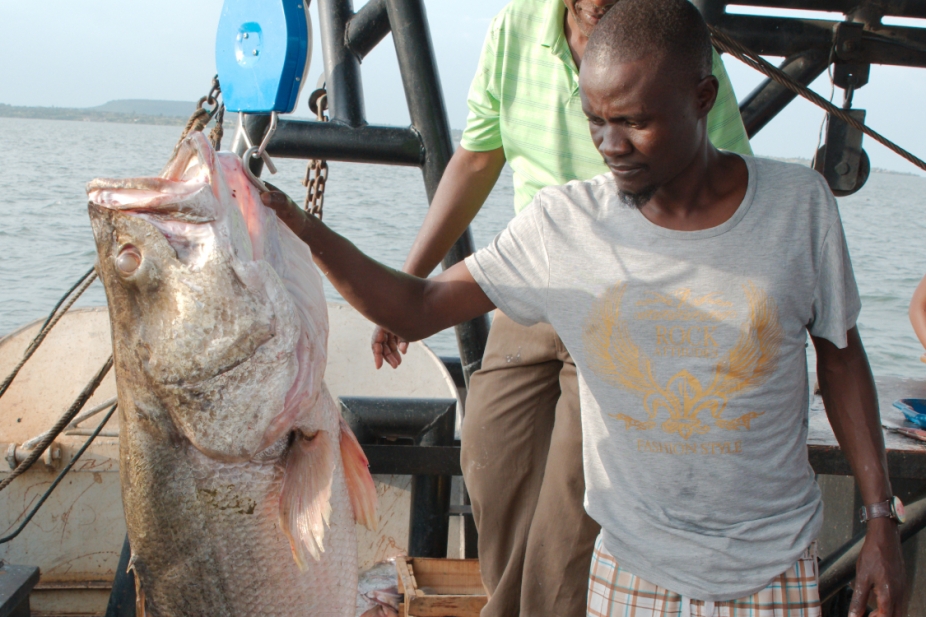 PhD candidate Dennis Otieno’s research shows that some farmed fish would prefer consuming microscopic organisms to commercial fish food pellets. (Photo courtesy of Ken Drouillard/University of Windsor).
By Sara Elliott
Some farmed fish are snubbing commercial fish food pellets in favour of naturally and freely available microscopic organisms and invertebrates.
That is according to PhD candidate Dennis Otieno’s study which showed farmed tilapia in net-pen cages in Kenya were not significantly consuming the provisioned commercial fish feed – one of the highest costs of production.
— Published on Jan 20th, 2026
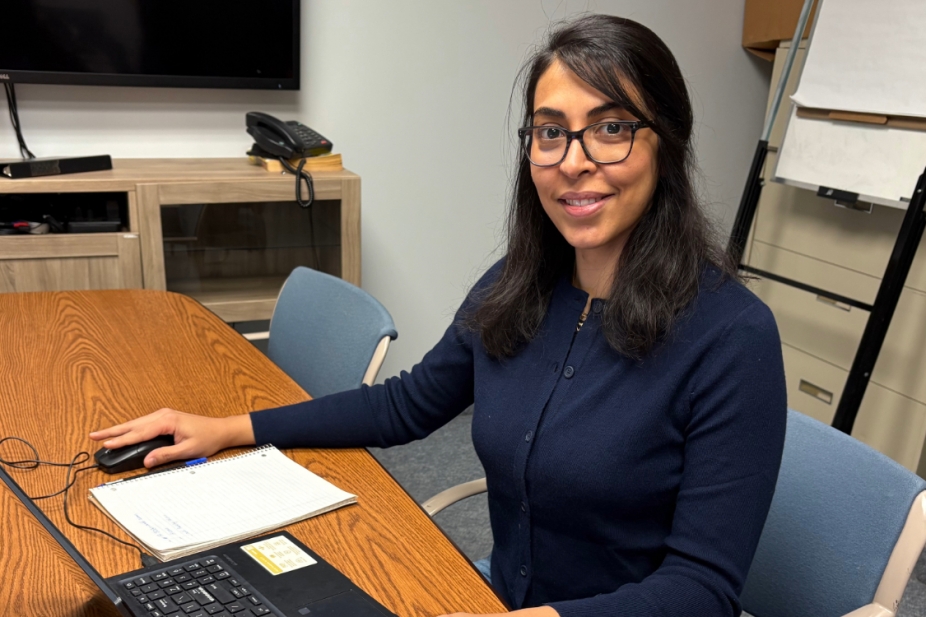 PhD candidate Mona Farhani assessed PCB levels to understand how climate-driven changes in water levels influence pollution dynamics in the Detroit River. (SARA ELLIOTT/University of Windsor)
By Sara Elliott
As water levels in the Detroit River rise and fall, so do concentrations of toxic legacy pollutants.
New research by University of Windsor environmental science PhD candidate Mona Farhani shows that higher water levels are associated with increased concentrations of bioavailable polychlorinated biphenyls (PCBs) at some locations — a long-lasting toxic chemical linked to human and ecosystem health risks.
— Published on Jan 14th, 2026
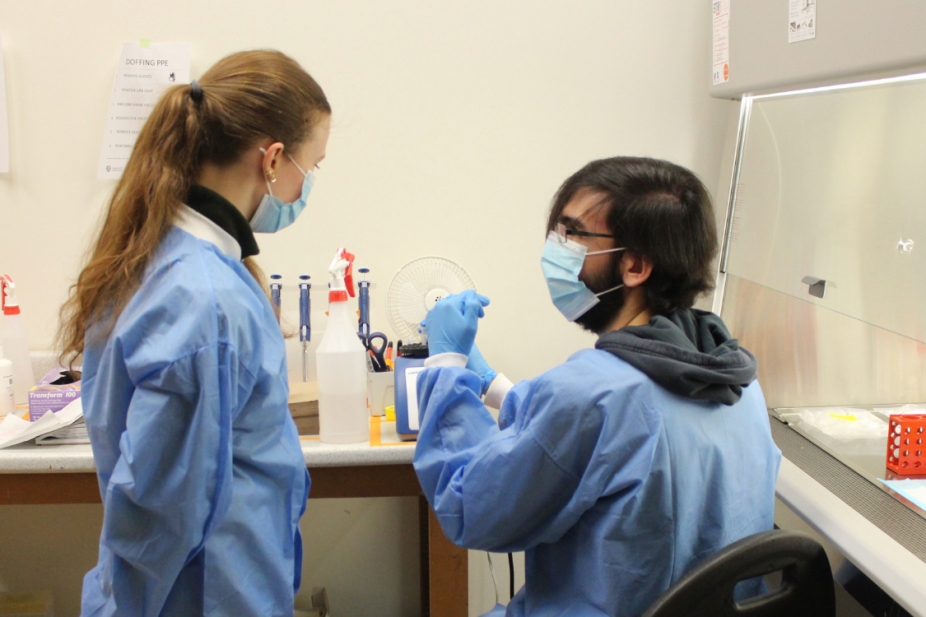 Maria Badalova (left) and Domenic Varacalli (right) testing samples in the lab. (ANGELA KHARBOUTLI/University of Windsor)
By Sara Elliott
With respiratory viruses surfacing this cold and flu season, University of Windsor researchers are asking ill members of the campus community to voluntarily provide saliva samples for viral research.
The Saliva Screening Lab, which is part of a research project led by Dr.Kenneth Ng and supported by the New Frontiers in Research Fund, is appealing campus-wide to those feeling under the weather to help advance virus surveillance.
— Published on Jan 14th, 2026
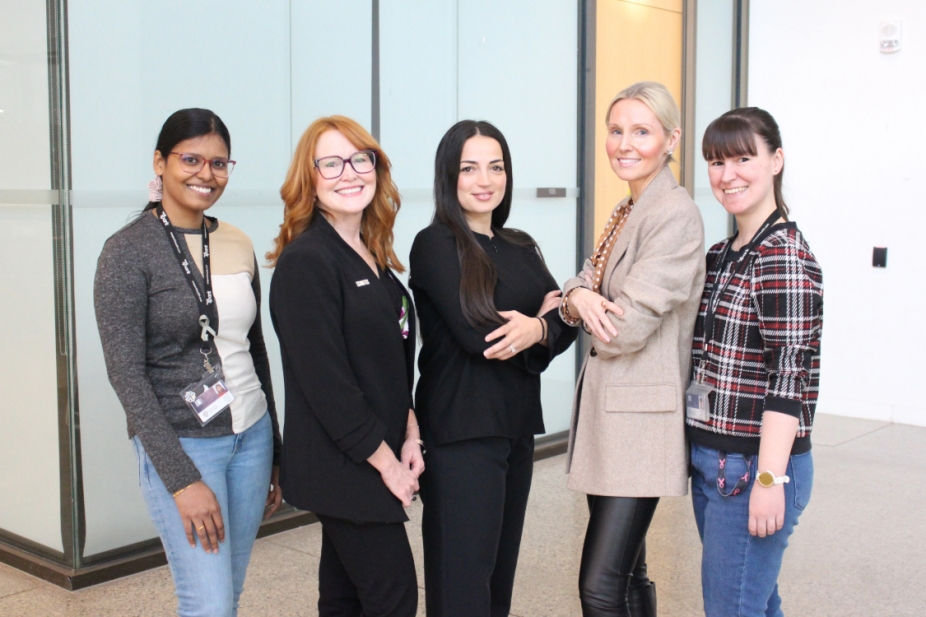 Hema Priya Mahendran, Lisa Porter, Ingrid Qemo, Dorota Lubanska and Bre-Anne Fifield are a few of the authors on a new paper published in the journal Stem Cell Reports. (ANGELA KHARBOUTLI/University of Windsor)
By Sara Elliott
The key to designing future brain cancer therapies could lie with a mighty protein called Spy1, which is found in neural stem cells in the adult brain.
Neural stem cells play a critical role in memory, learning and brain repair.
— Published on Jan 12th, 2026

 Dr. Edward Cruz is pictured at the Faculty of Nursing, where his research includes advancing the integration and success of Internationally Educated Nurses within Canada’s healthcare system. (GAM MACASAET/University of Windsor)
