 Dr. Opeyemi Lawal is the Canada Research Chair in Environmental and Public Health Genomics. (PETER MARVAL/University of Windsor)
By Sara Elliott
Drug-resistant infections are silently spreading through water, soil, food systems and healthcare settings — often undetected until they become a public health emergency.
At the University of Windsor, environmental microbiologist Dr. Opeyemi Lawal is developing new ways to spot these threats early, understand why they persist, and stop them before they spread.
— Published on Jun 18th, 2026
 University of Windsor researchers at work. UWindsor ranked 265th globally for research citation impact in the 2027 QS World University Rankings, nearly tripling the global average. (FILES/University of Windsor)
WINDSOR, Ont. — The University of Windsor has reached its highest-ever position in the QS World University Rankings, ranking third in Ontario among non-medical universities and placing among the world’s top 20 per cent for research impact.
— Published on Jun 26th, 2026
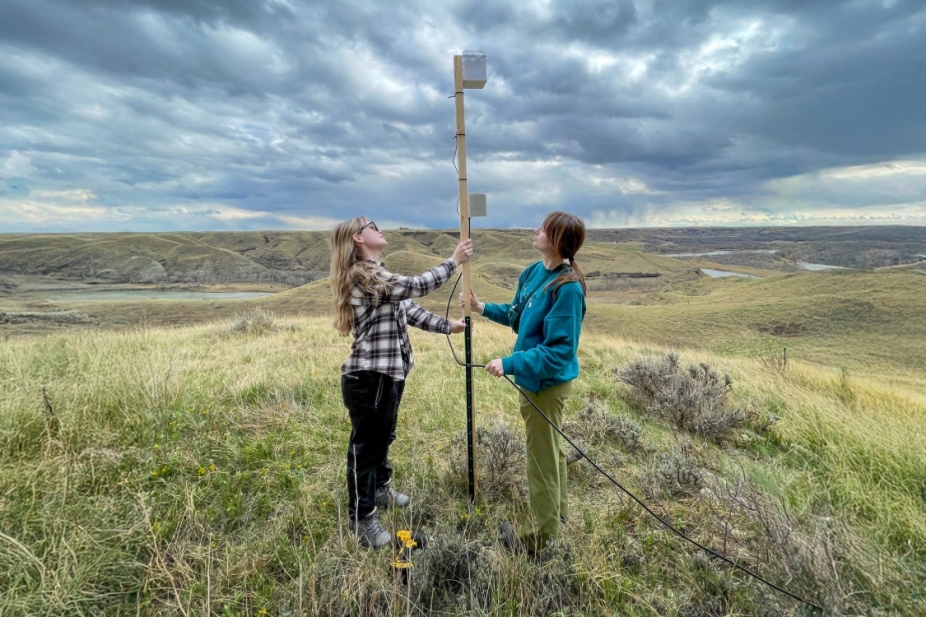 Natalie Emerick and Madison Bygrove trekked across Canada installing 100 audio recorders. (Photo courtesy of Dan Mennill/University of Windsor)
By Sara Elliott
Every night during spring migration, millions of birds cross Canada in darkness, calling out to one another to stay together.
Until now, no one was listening.
— Published on Jun 19th, 2026
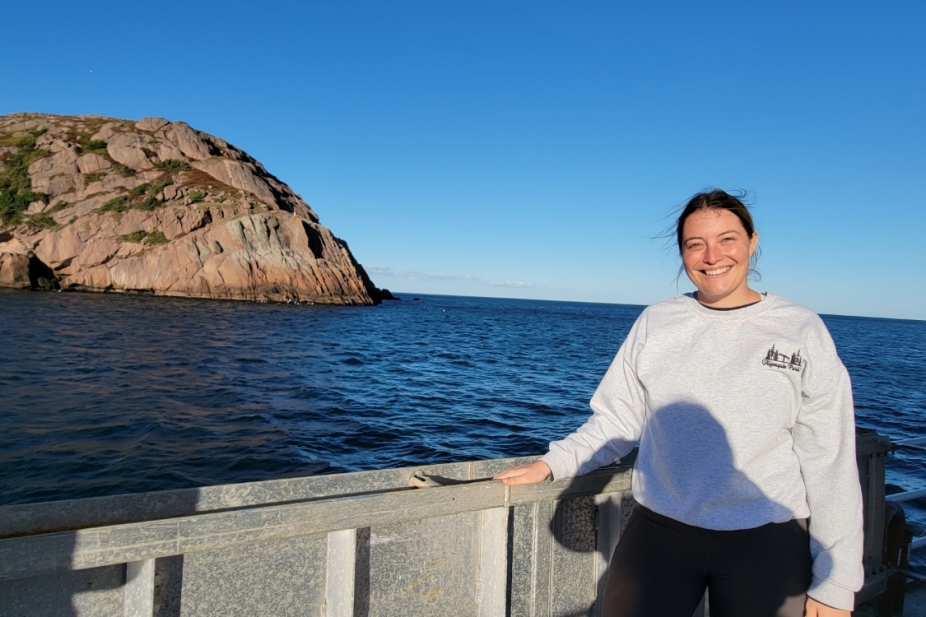 Rachel Koop leaving St John's for a 10-day offshore trip. (Photo: Dylan O'Neill, Department of Fisheries and Oceans/University of Windsor)
By Sara Elliott
When they were children, Rachel Koop and Riley Beach unknowingly shared the same dream: becoming marine biologists.
Growing up by the Great Lakes, it seemed unlikely.
— Published on Jun 8th, 2026
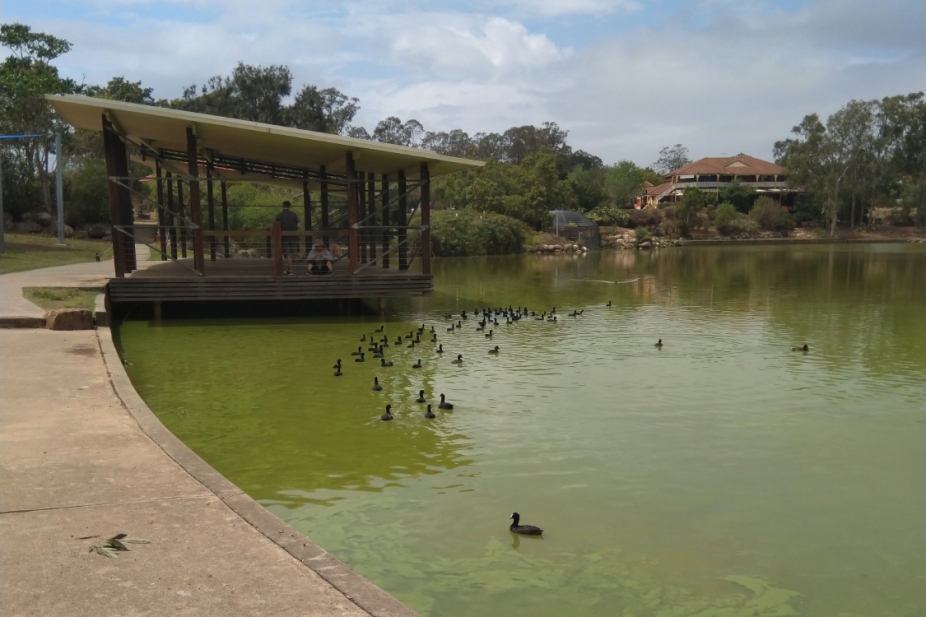 University of Windsor researchers have partnered with global experts to write a five-year action plan aimed at understanding the risk of highly toxic blue-green algae blooms. (Photo: David Hamilton, Griffith University/University of Windsor)
By Sara Elliott
University of Windsor researchers have partnered with global experts to write a five-year action plan aimed at understanding the risk of highly toxic blue-green algae blooms.
The five-year research plan outlines priorities to address the threats these blooms pose to freshwater resources worldwide, including the Great Lakes.
— Published on Jun 4th, 2026
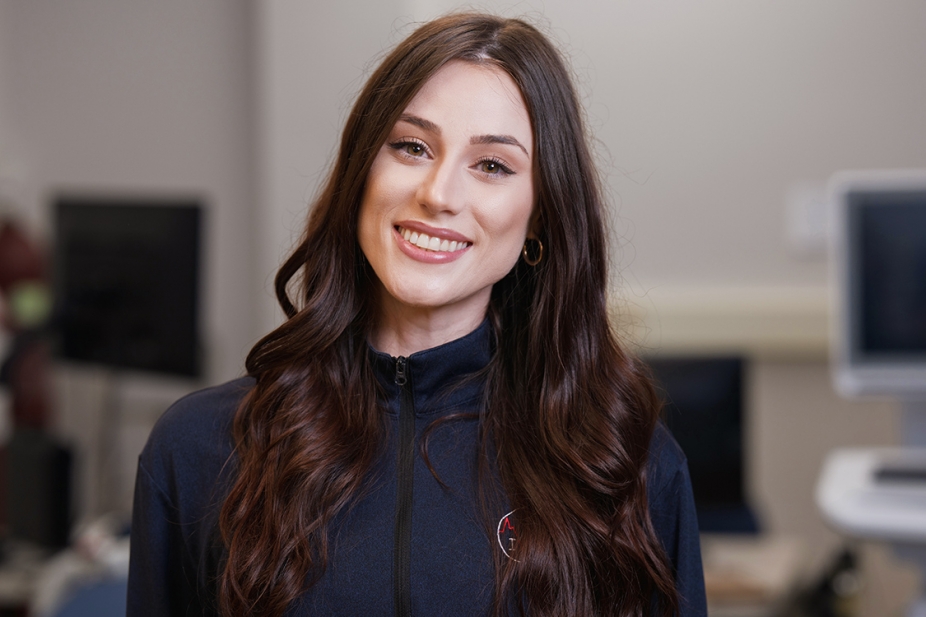 Brooke Shepley, a PhD candidate in kinesiology at the University of Windsor, is studying the effects of near-infrared light therapy on Parkinson’s disease. (PETER MARVAL/University of Windsor)
By Victor Romao
By studying how near‑infrared light affects the brain, a University of Windsor PhD candidate is exploring a potential new approach to managing symptoms of Parkinson’s disease.
Brooke Shepley (MHK ’21, BHK ’19), a kinesiology researcher specializing in cerebrovascular physiology and vascular biology, is studying an approach known as photobiomodulation (PBM).
— Published on Jun 1st, 2026
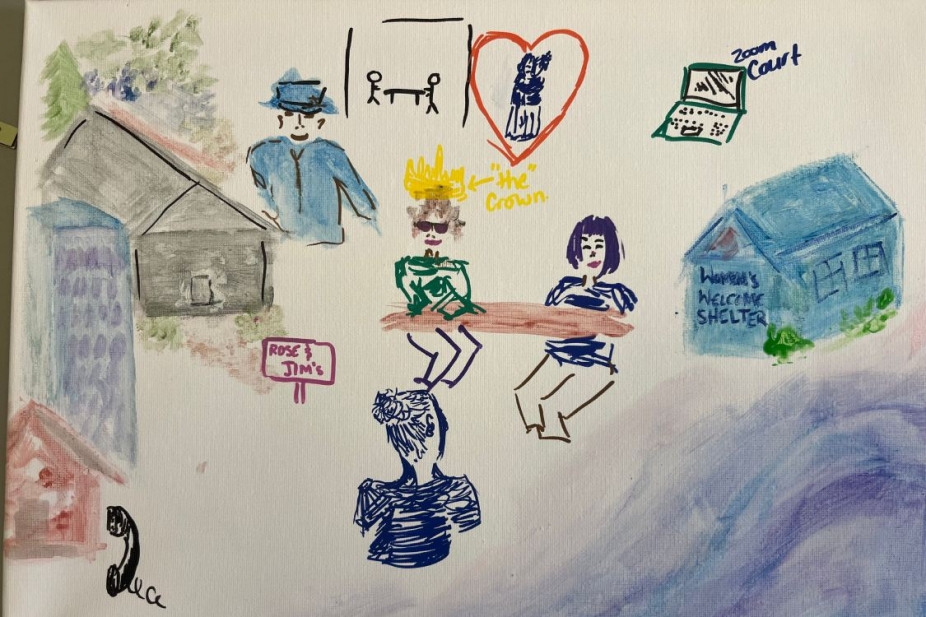 A participant-created artwork from the study visually maps the complex help-seeking journey women often navigate after leaving a violent intimate partner. (SUBMITTED BY RACHEL ELLIOTT/University of Windsor)
By Sara Meikle
For many women leaving a violent intimate partner, the journey to safety continues long after the relationship ends.
Rebuilding health, stability and quality of life often means navigating healthcare, housing, social services and community supports — a complex process researchers at the University of Windsor are exploring through an innovative arts-based study.
As May marks Domestic and Family Violence Prevention Month, the project examines the help-seeking journeys of women who have physically separated from violent intimate partners.
— Published on May 26th, 2026
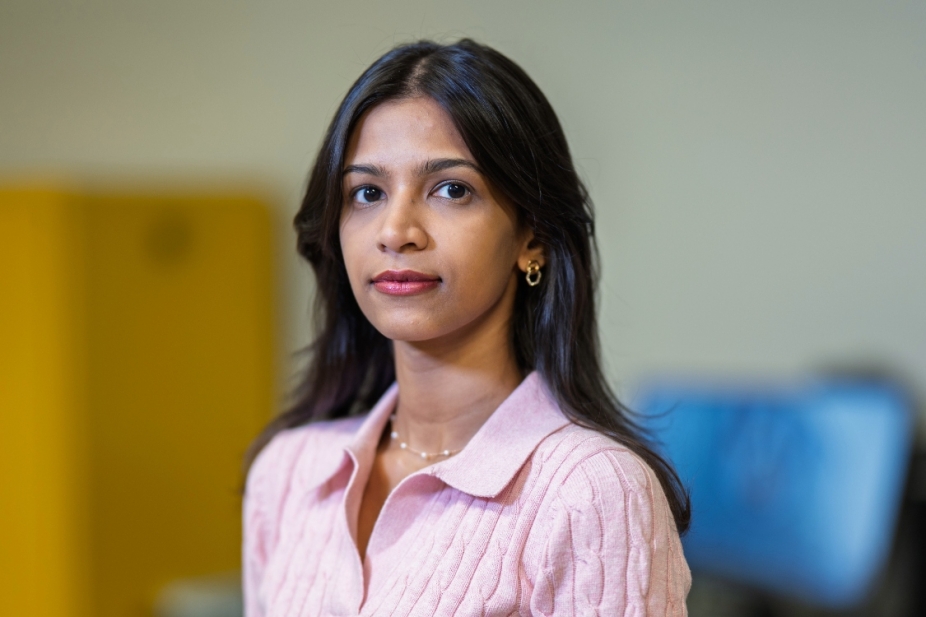 Prathana Pillai and Fallon Mitchell (not pictured) were this year’s recipients of the Outstanding Student Research Awards, graduate. (PETER MARVAL/University of Windsor)
By Sara Elliott
From freshwater restoration research to studies examining how drug policy and harm reduction services shape HIV prevention and treatment outcomes, the 2026 Research and Innovation Excellence Awards exemplified the innovative research, scholarship and creative activity currently happening at the University of Windsor.
On May 21, the University’s research community celebrated the awards presented by the Office of the Vice-President, Research and Innovation.
— Published on May 25th, 2026
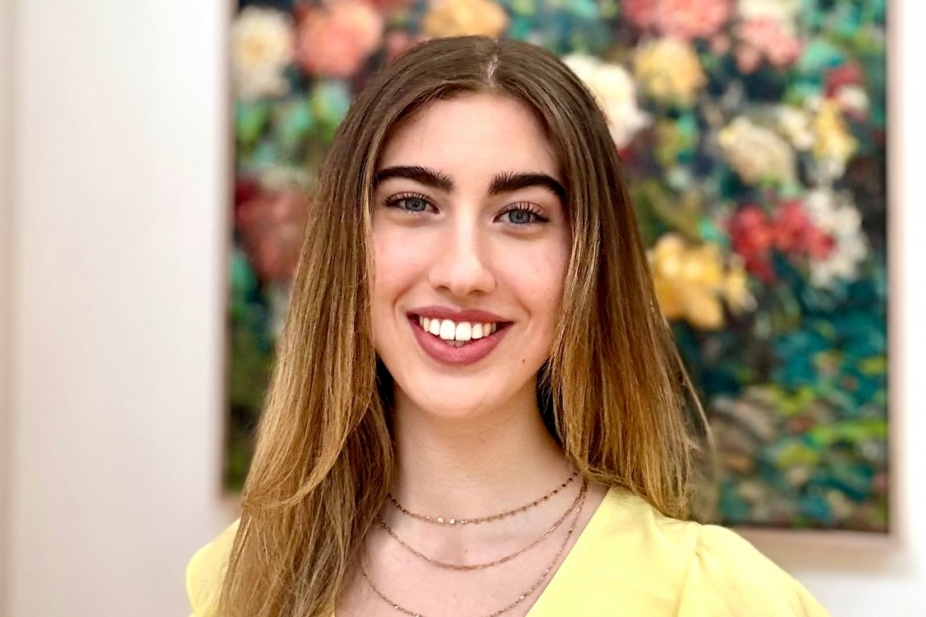 Second-year medical physics student Emma Pesce received $1,000 to work in Dr. Steven Rehse’s laser spectroscopy lab. (Photo courtesy of Emma Pesce/University of Windsor)
By Sara Elliott
Two University of Windsor physics undergraduates are gaining early research experience thanks to scholarships funded by professor emeriti.
Distinguished University Professor Emeritus William Baylis and his wife, Bobbye Baylis, launched the Baylis Physics Research Internship in 2021. It offers an annual opportunity for a student to engage in advanced research with a faculty mentor.
— Published on May 22nd, 2026
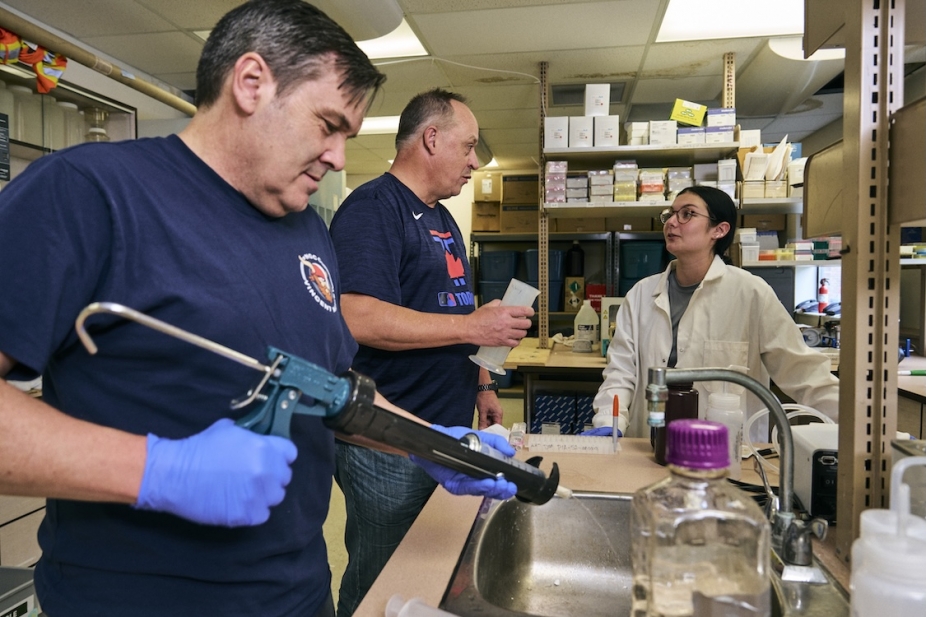 From left, Dr. Michael McKay, Steven W. Wilhelm and Brittany N. Zepernick conducting research in the lab. (Photo by the Daylight Award/University of Windsor)
By Sara Elliott
As climate change strips ice from the Great Lakes, something less visible is also changing: the underwater world of light that microscopic life depends on.
When ice recedes, wind and water stir sediment, clouding the water and blocking the sunlight that drives photosynthesis at the base of the food web. What looks like a simple seasonal shift is, in scientific terms, a restructuring of habitat.
— Published on May 20th, 2026

 Dr. Opeyemi Lawal is the Canada Research Chair in Environmental and Public Health Genomics. (PETER MARVAL/University of Windsor)
