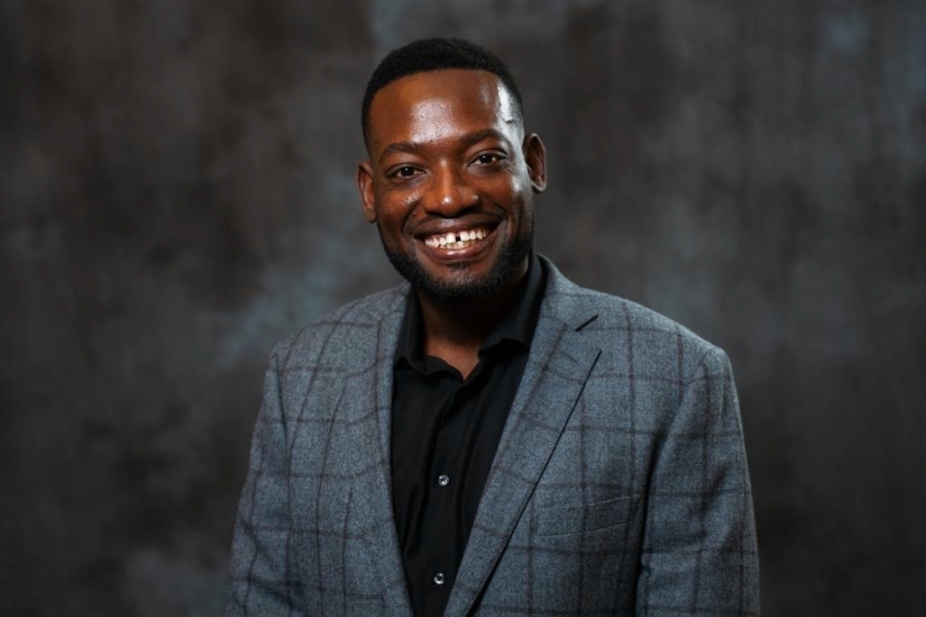
 Dr. Carlo Charles, professor in the University of Windsor’s Department of Sociology and Criminology, will host two upcoming events exploring migration, race, sexuality and the experiences of queer and trans migrants in Windsor. (MIKE WILKINS/ The University of Windsor)
By Lindsay Charlton
From a young age, Dr. Carlo Charles has been interested in the human experience, first exploring that curiosity through art and storytelling.
As a boy growing up in Haiti, the sociology professor wrote songs, poetry and plays. By age 14, he had formed a theatre troupe of about 25 friends and staged plays at local churches for the community.
— Published on Mar 18th, 2026
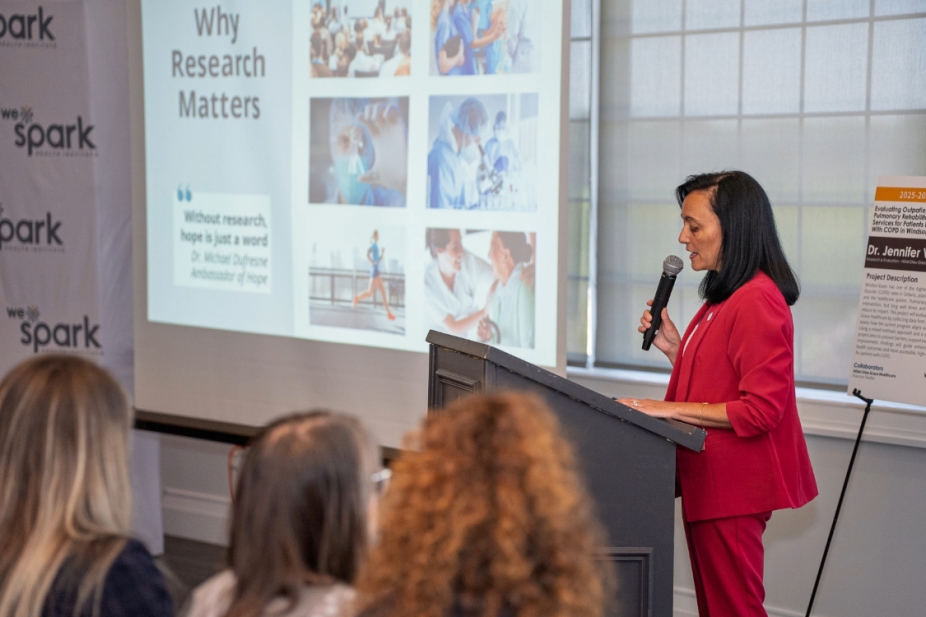 Dr. Dora Cavallo-Medved is the interim director of WE-SPARK Health Institute. (KYLE ARCHIBALD/University of Windsor)
By Sara Elliott
WE-SPARK Health Institute is ready to support innovative health research and education projects with the launch of its 2026 grant competition.
The competition provides seed funding to stimulate research development in Windsor-Essex.
— Published on Mar 18th, 2026
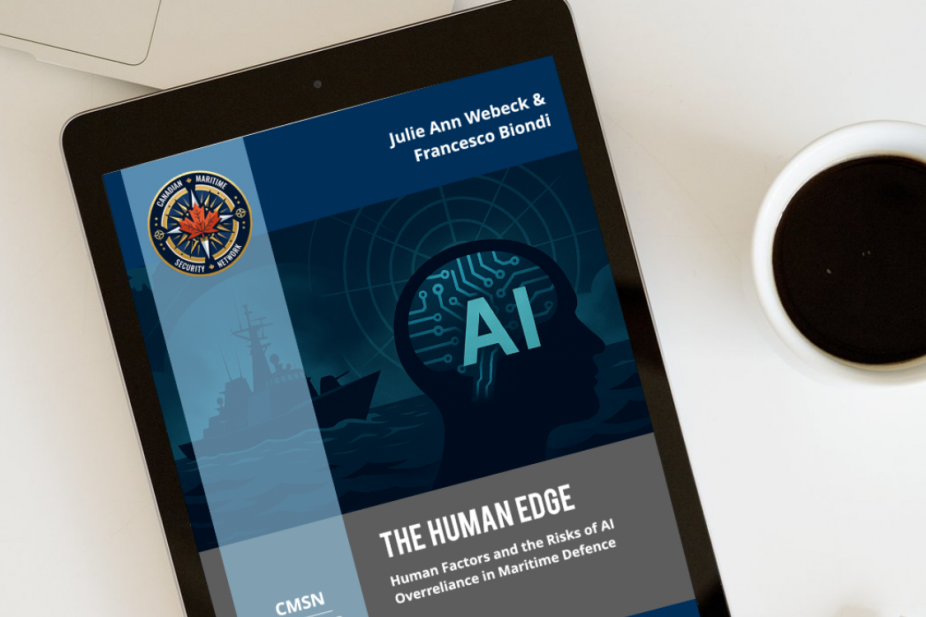 A new report by UWindsor Human Kinetics researchers explores the risks of AI in maritime defence (CANADIAN MARITIME SECURITY NETWORK; CANVA STOCK/University of Windsor)
By Lori Bona
From navigation to monitoring ocean traffic, artificial intelligence (AI) is playing an increasing role in ships and maritime operations — including those used by the Canadian Armed Forces.
But relying too heavily on AI in maritime vessels introduces new risks for human operators and defence systems, according to a new report from researchers at the University of Windsor.
— Published on Mar 11th, 2026
 Dr. Mitra Mirhassani studies how the connected systems in modern vehicles can be hacked and how to stop it. That work has earned the University of Windsor professor one of Canada's most prestigious research honours, the 2026 Killam NRC Paul Corkum Fellowship. (FILE/University of Windsor)
By Lindsay Charlton
Every time you start your car, sensors, software and wireless connections work together to keep you moving.
Dr. Mitra Mirhassani wants to make sure no one can use that technology against you.
— Published on Apr 1st, 2026
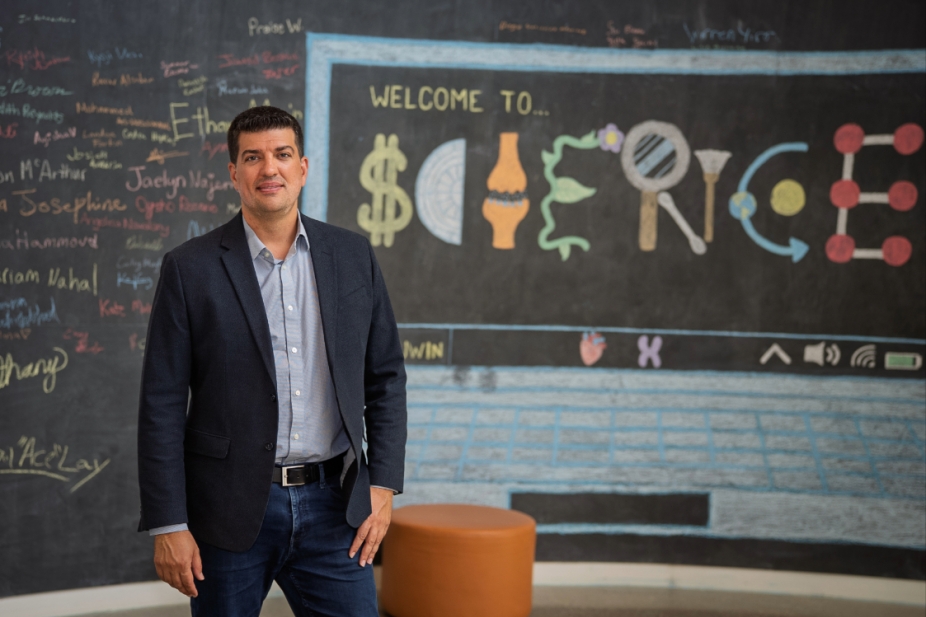 Dr. Nick Vukotic and his research group are working on making the medicines people already take work better. (KYLE ARCHIBALD/University of Windsor)
By Sara Elliott
A University of Windsor researcher is making the medicines people already take work better – and turning that science into jobs, companies and globally commercialized technology rooted in Windsor-Essex.
Dr. Nick Vukotic, Natural Science and Engineering Research Council of Canada (NSERC), and PROTO Manufacturing Industrial Research Chair in the Department of Chemistry and Biochemistry, received a 2025 Impact Award-Innovation through the University of Windsor’s Employee Recognition Awards program, recognizing his work bridging academia and industry.
— Published on Mar 6th, 2026
 Our body’s natural clock — the circadian rhythm — gets disrupted when Daylight Saving Time hits. (Photo by Adobe Stock/University of Windsor)
By Sara Elliott
Nearly half your genome operates on a clock. Daylight Saving Time throws it off.
When the clocks move forward an hour for Daylight Saving Time on March 8, our body’s natural clock — the circadian rhythm — gets disrupted.
— Published on Mar 4th, 2026
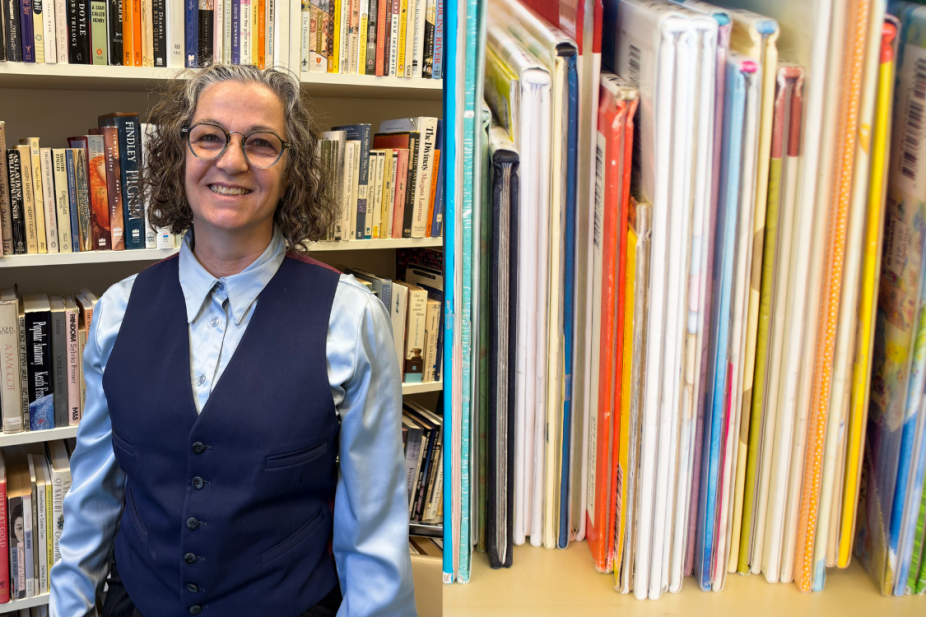 Dr. Nicole Markotić is one of the organizers of an upcoming colloquium on precarity in children's literature (left: K.HARGREAVES/University of Windsor; right: CANVA STOCK/University of Windsor)
By Kate Hargreaves
With children’s literature becoming a flashpoint for controversy in both the United States and Canada, the question of who is represented in stories for kids and how those stories are told appears more urgent than ever.
An upcoming colloquium hosted by the University of Windsor department of English will focus on precarity in children’s literature, examining the ways in which marginalized identities are represented in texts for children.
— Published on Feb 27th, 2026
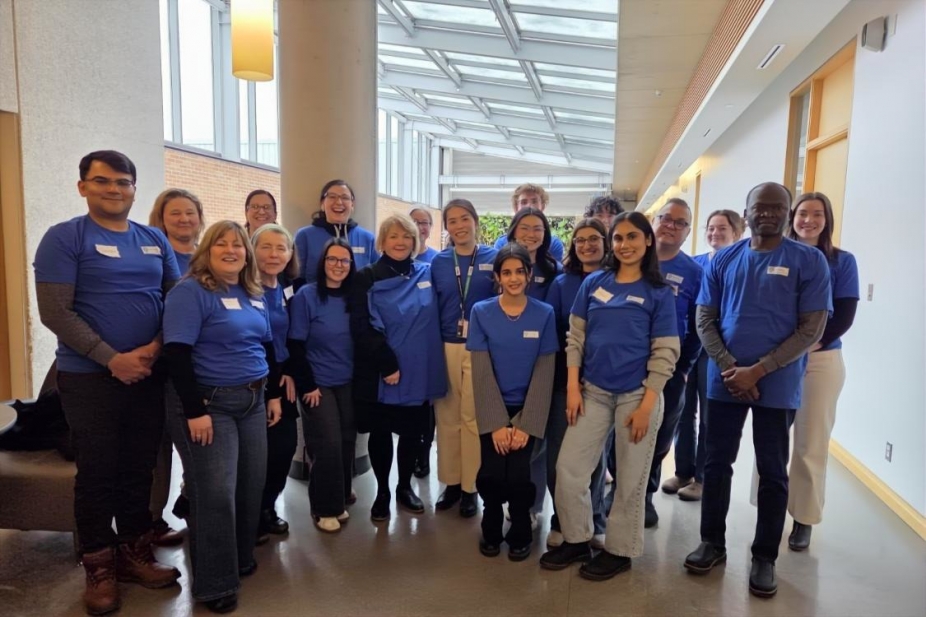 Nursing Faculty, students and Dean gather in celebration of the Faculty of Nursing’s Research Collaborative, highlighting a shared commitment to advancing nursing scholarship and strengthening a culture of research at the University of Windsor. (SARA MEIKLE/University of Windsor)
By Sara Meikle
The University of Windsor’s Faculty of Nursing is advancing its research ecosystem through the launch of the Nursing Research Collaborative.
The new Collaborative marks a significant milestone in the Faculty’s strategic plan. It formalizes three core research pillars while creating intentional space to grow research capacity, foster collaboration and enhance impact across programs and communities.
— Published on Feb 26th, 2026
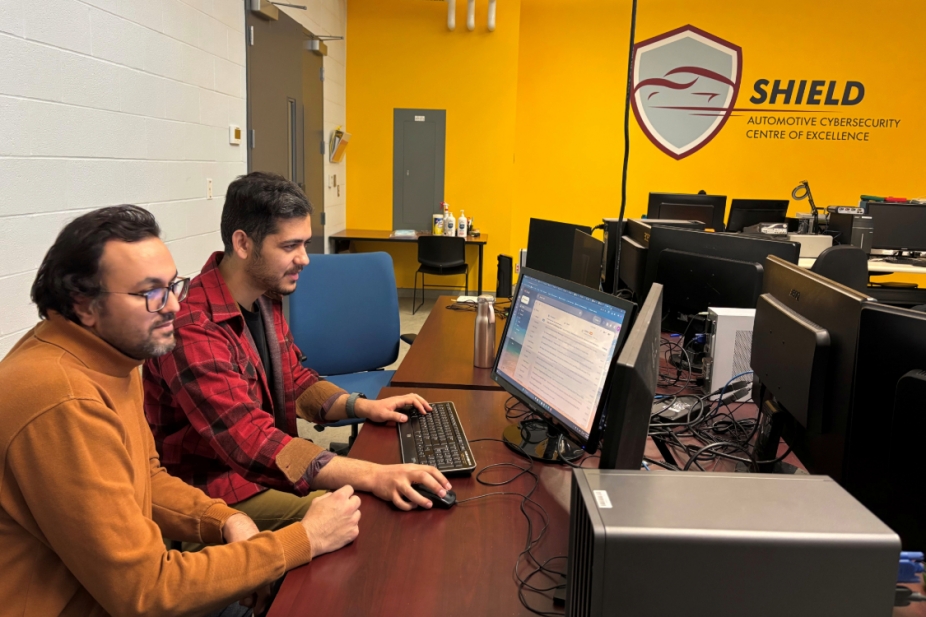 Electrical and computer engineering PhD student Hassan Rekabi Bana and PhD candidate Peiman Kheiran at the University of Windsor’s SHIELD Lab. (LINDSAY CHARLTON/ University of Windsor)
By Lindsay Charlton
Many insurance companies offer lower rates to drivers who demonstrate safe habits — but what data is actually being collected, and how is it being used?
A new research project led by Dr. Mitra Mirhassani, professor of electrical and computer engineering at the University of Windsor, is examining the privacy implications of the mobile apps insurers ask drivers to install.
— Published on Feb 25th, 2026
 The Office of the Vice-President, Research and Innovation is now accepting nominations for 10 awards for the Research and Innovation Excellence Awards. (TRAVIS FAUTEUX/University of Windsor)
This April, the University of Windsor will host the Research and Innovation Excellence Awards, recognizing outstanding contributions from across campus.
Celebrating excellence in research, scholarship and creative activity, as well as initiatives that engage community, industry and government partners to advance the exchange of knowledge, technology and expertise, the event will highlight achievements across disciplines and career stages.
— Published on Feb 18th, 2026

 Dr. Carlo Charles, professor in the University of Windsor’s Department of Sociology and Criminology, will host two upcoming events exploring migration, race, sexuality and the experiences of queer and trans migrants in Windsor. (MIKE WILKINS/ The University of Windsor)

