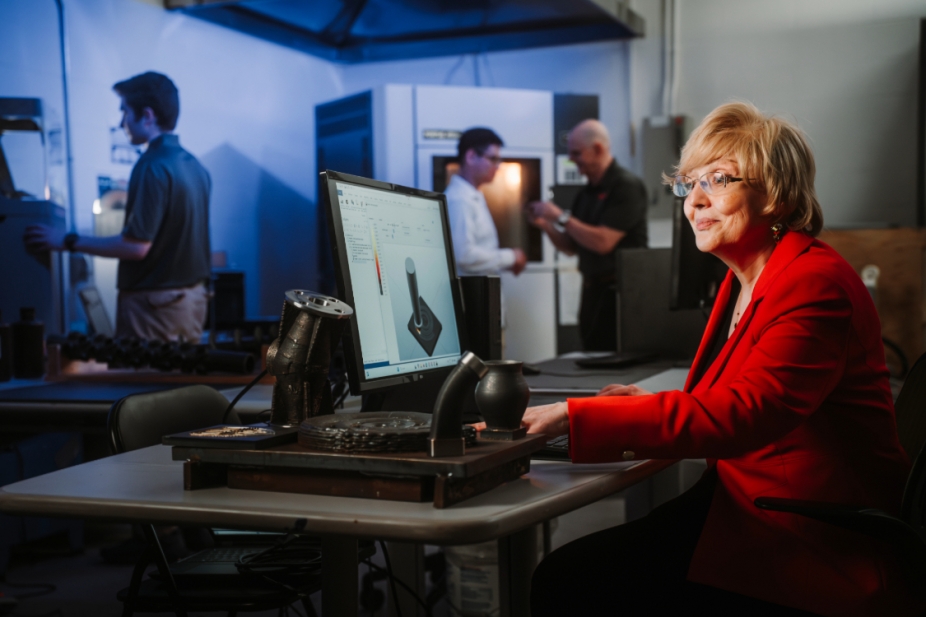
 University of Windsor Mechanical, Automotive & Materials Engineering professor Dr. Jill Urbanic has been named a finalist for the 2026 TCT Women in 3D Printing Innovator Award. (MIKE WILKINS/ University of Windsor)
By Lindsay Charlton
“Dare to be different.”
That’s the challenge University of Windsor professor Dr. Jill Urbanic poses to her students: to question established ideas as they develop innovative engineering solutions — something she models in her own work.
— Published on Apr 7th, 2026
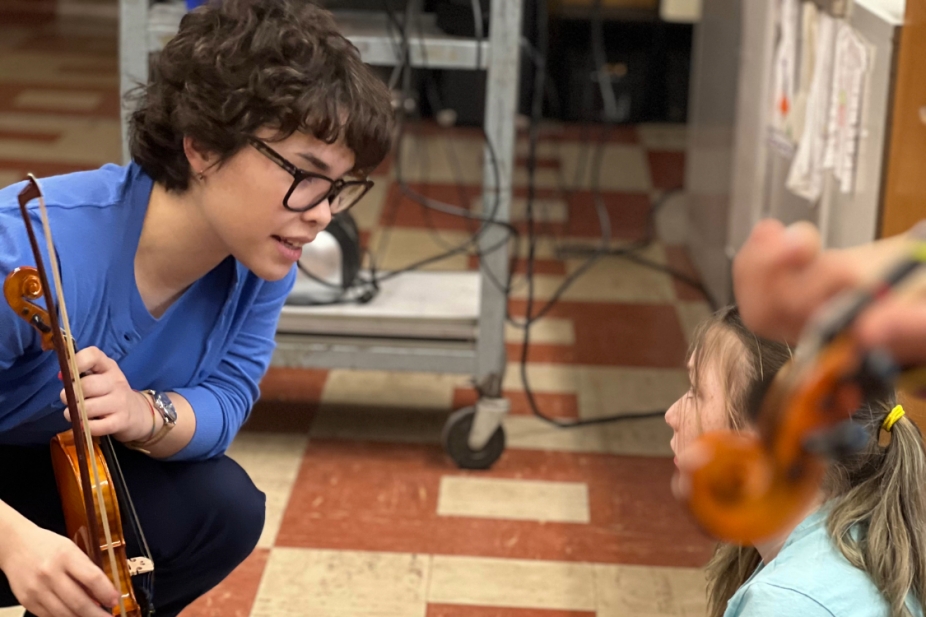 Avery Ng has been a violin teaching assistant for the past four years in Windsor's The String Project. (REBECCA NG/University of Windsor)
By Sara Elliott
Offering free violin lessons to children is a “bright spot” in Avery Ng’s life.
The fourth-year integrative biology student has been involved with Windsor’s The String Project since its inception four years ago. Volunteers teach violin to pupils in grades 3 to 8 at Frank W. Begley and Marlborough.
— Published on Apr 7th, 2026
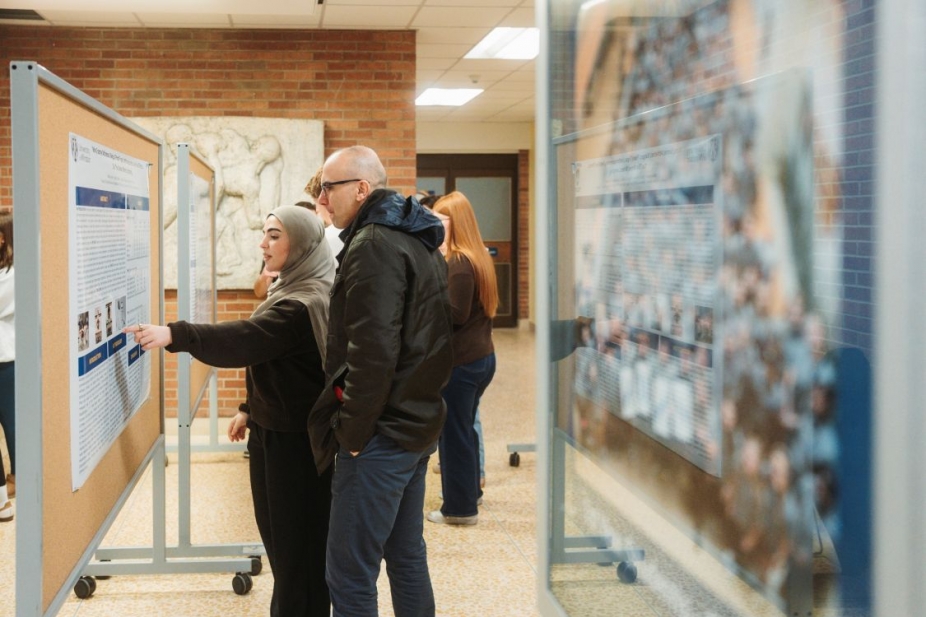 The 19th annual Kinesiology Research Day featured keynotes, a poster session and lab tours (MICHAEL WILKINS/University of Windsor)
By Kate Hargreaves
Isabella Anes Rangel knows better than most the necessity of pivoting when life takes an unexpected turn.
A talented basketball player from a young age, Rangel’s athletic skill and drive set her on a trajectory from her home country of Venezuela to Canada as a high school student and eventually to the University of Windsor for an undergraduate degree in kinesiology.
— Published on Sep 16th, 2026
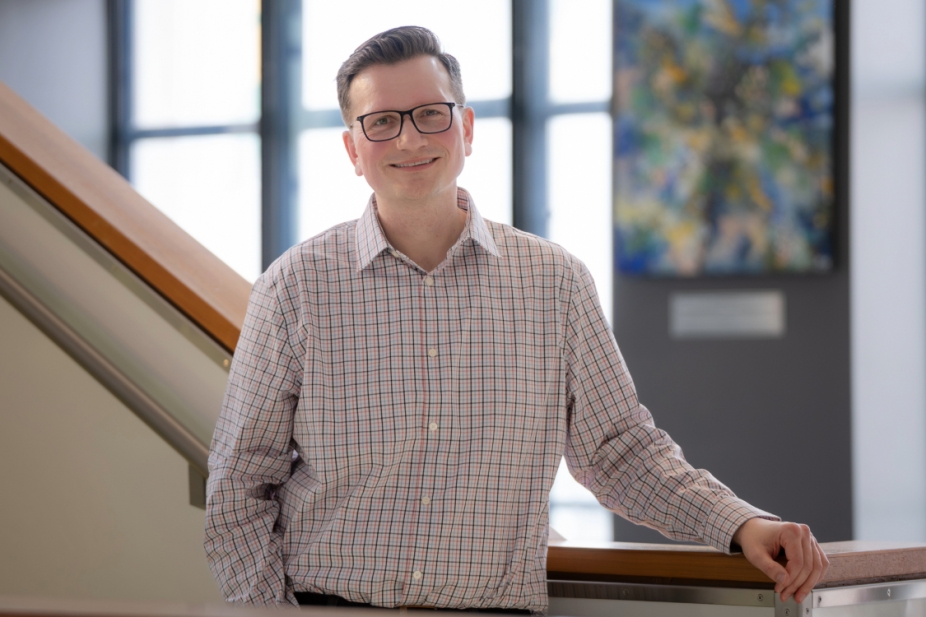 Dr. Adrian Guta is a professor in the University of Windsor School of Social Work. (DAVE GAUTHIER/University of Windsor)
By Sara Elliott
More than 53,000 Canadians have died from opioid-related causes since 2016.
As governments scale back harm reduction services, Dr. Adrian Guta wants to understand what happens to the people left behind — and what alternatives could keep them alive.
— Published on Mar 24th, 2026
 Dora Strelkova took top honours in the 2025 University of Windsor Three Minute Thesis (3MT®). (JOHN-PAUL BONADONNA/University of Windsor)
By Sara Elliott
After paring down their work into finely tuned three-minute pitches, master’s and doctoral students will compete at the 2026 University of Windsor Three Minute Thesis (3MT®) competition on Wednesday, April 1.
3MT® is an international competition developed at the University of Queensland; more than 900 universities participate worldwide, including more than 20 in Canada.
— Published on Mar 24th, 2026
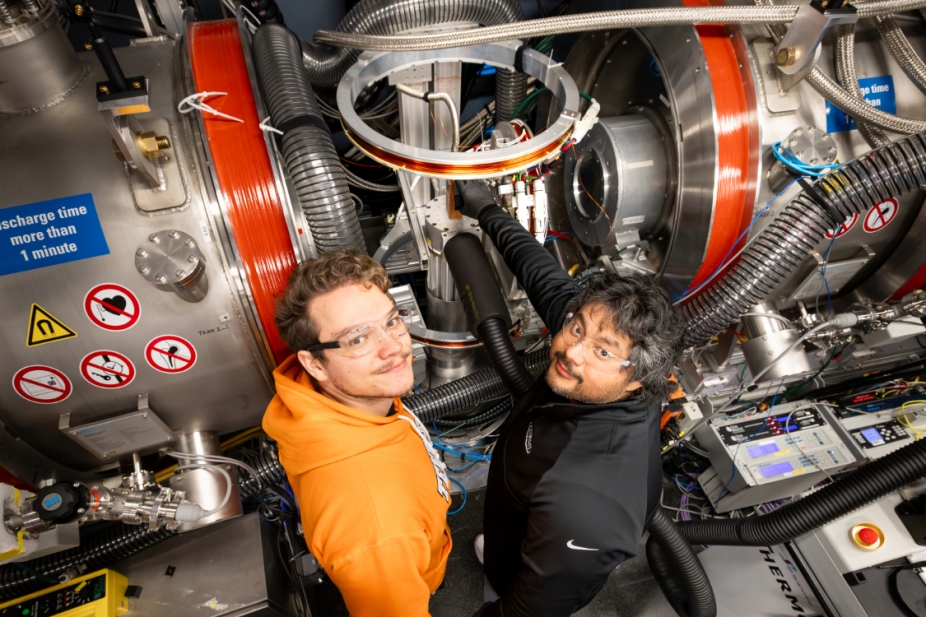 Doctoral candidates Stuart Castillo and Maks Dziura stand beside the sample mount of the Neutron Spin Echo instrument at Oak Ridge National Laboratory’s Spallation Neutron Source. (GENEVIEVE MARTIN/University of Windsor)
By Sara Elliott
A University of Windsor researcher is one step closer to building a facility that could deliver cutting-edge cancer treatment, produce medical isotopes and anchor a new industry in Windsor — after securing nearly $2 million to design it.
Dr. Drew Marquardt, head of chemistry and biochemistry, has spent years advocating for a compact accelerator-based neutron source (CANS) in Windsor. The funding, announced March 13 as part of a $552-million federal infrastructure investment through the Canadian Foundation for Innovation (CFI), will support a full scientific and technical design for a prototype facility.
— Published on Mar 26th, 2026
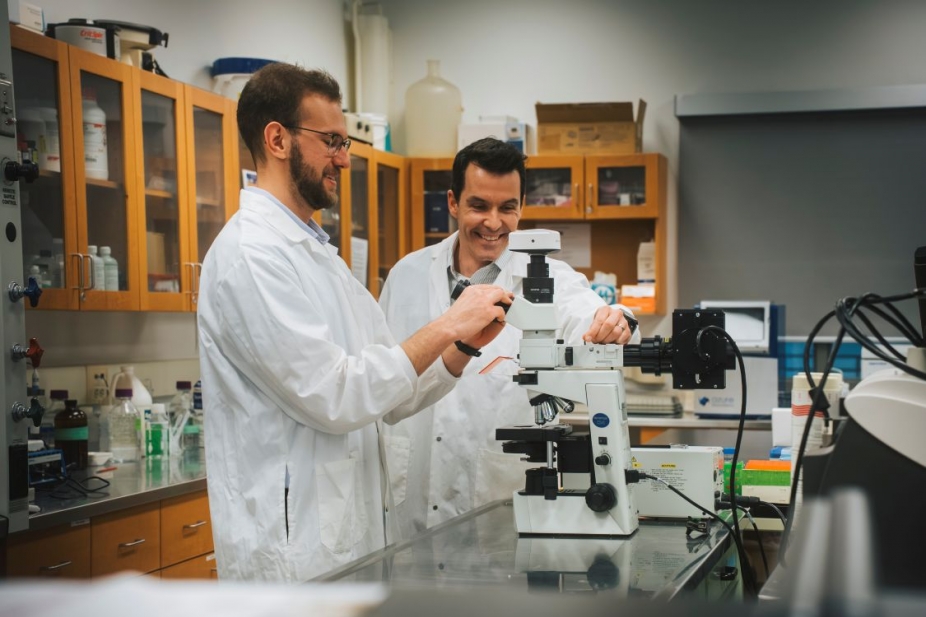 Dan Scurto recently led a research project focusing on the impact of circadian rhythms on muscle regeneration alongside faculty supervisor Dr. Matthew Krause (MICHAEL WILKINS/University of Windsor)
By Kate Hargreaves
How does the timing of an injury affect the regeneration of that muscle tissue?
That’s what new research out of the Faculty of Human Kinetics sought to explore.
— Published on Mar 20th, 2026
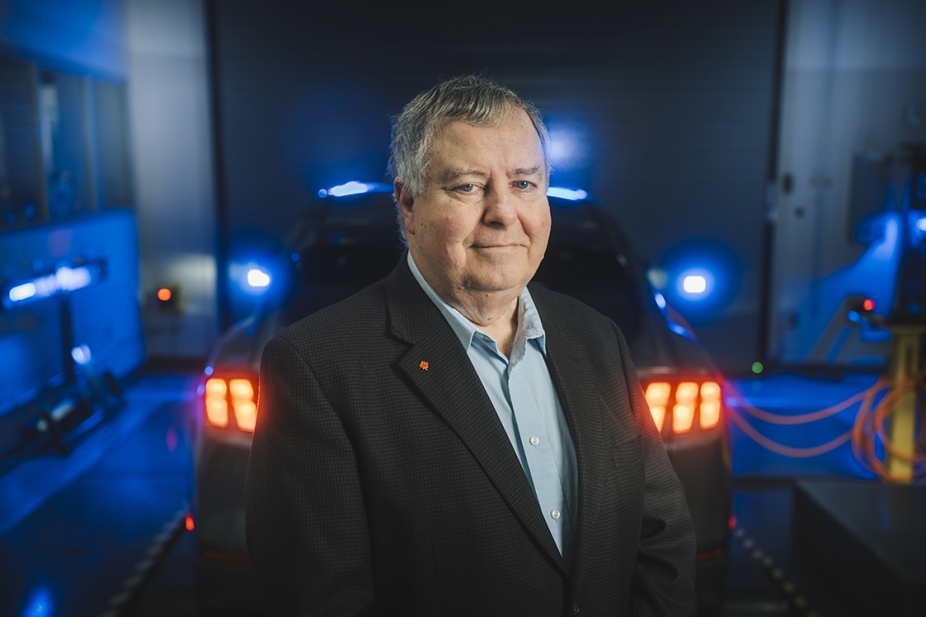 University of Windsor engineering professor and automotive expert Dr. Peter Frise discusses how Canada’s evolving trade relationships with China and Europe could affect the country’s auto sector and manufacturing base. (MICHAEL WILKINS/University of Windsor)
By Victor Romao
As Canada recalibrates its trade relationships with China and deepens economic ties with Europe, questions are emerging about what those shifts mean for the country’s auto industry and manufacturing base.
Peter Frise, a University of Windsor engineering professor and automotive expert, discusses how recent trade developments could affect vehicle imports, regional suppliers and Canada’s long-term competitiveness in a changing global market.
Q: What does the new Canada–China EV arrangement actually change?
— Published on Mar 20th, 2026
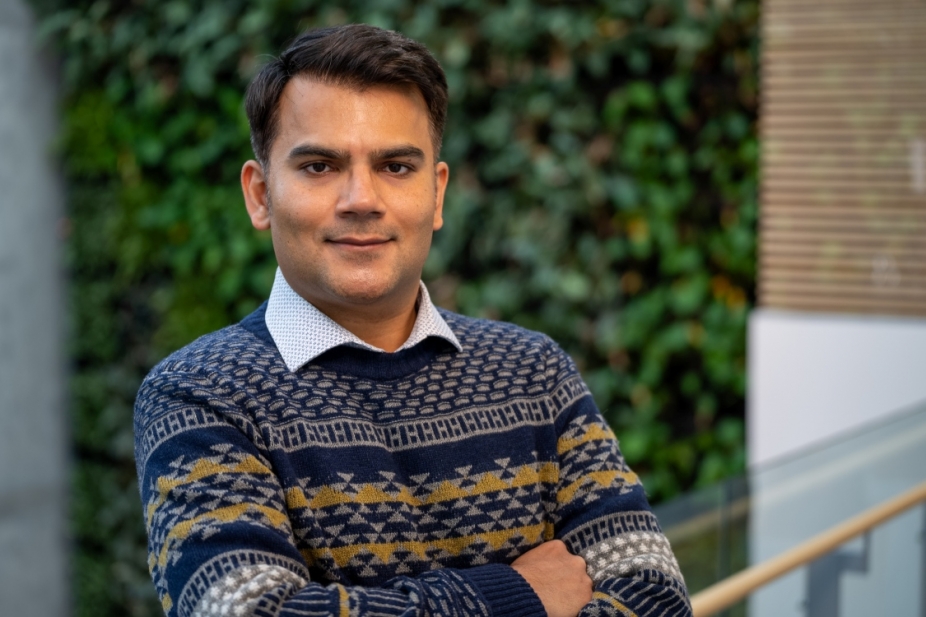 Dr. Noeman Mirza led the ROAR study, advancing research focused on improving healthcare access for rural seniors. (CHERRY THERESANATHAN/University of Windsor)
By Sara Meikle
As winter loosens its grip and the first signs of spring emerge, many Canadians are welcoming the change.
But for vulnerable older adults, particularly those living in rural communities, the most pressing challenge exposed by the colder months does not disappear with the thaw.
For Dr. Noeman Mirza of the University of Windsor’s Faculty of Nursing, winter is more than a backdrop of snow and ice — it is a magnifier. The deeper issue is transportation.
— Published on Mar 24th, 2026
 Visual art student Delia Poirier walks the runway as Lyme disease (JUSTIN ELLIOTT @jel_media/University of Windsor)
By Kate Hargreaves
Black mold, salmonella, E. coli and even brain-eating amoeba took over the CAW Student Centre March 16.
What sounds like a health and safety nightmare was not, in fact, a biohazard but rather a Bioart fashion show coordinated by School of Creative Arts professor and Canada Research Chair Dr. Jennifer Willet.
— Published on Mar 19th, 2026

 University of Windsor Mechanical, Automotive & Materials Engineering professor Dr. Jill Urbanic has been named a finalist for the 2026 TCT Women in 3D Printing Innovator Award. (MIKE WILKINS/ University of Windsor)
