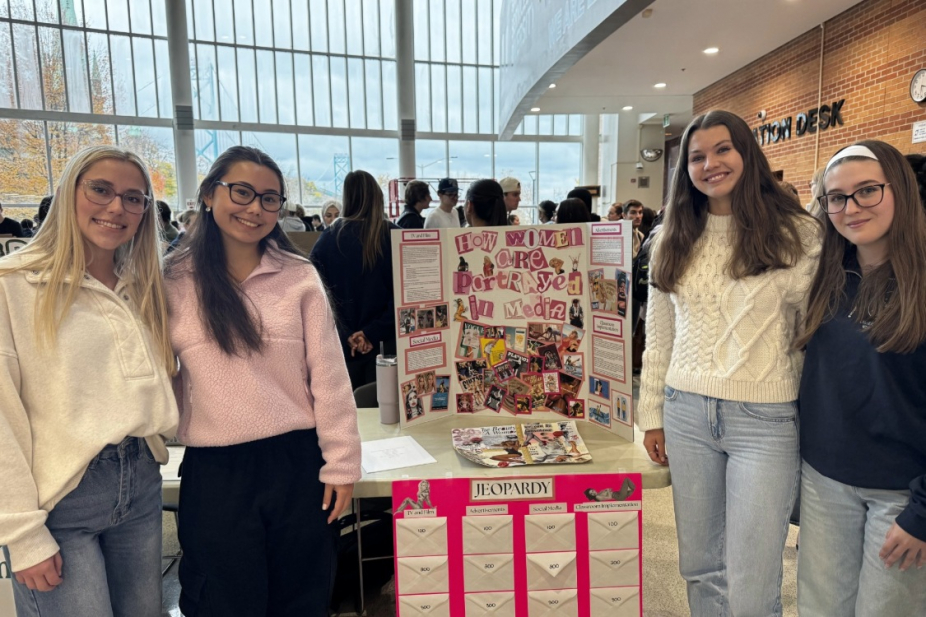
 Bachelor of Education students Lauren Ogley, Ashley Aiken, Sascha Batke and Lauren Nesbitt present their research on how women are portrayed in the media at the 2026 Teacher Electives Fair. (Courtesy of Sascha Batke/University of Windsor)
By Vanessa Bumanlag
From filtered photos to AI-generated images, young people face a constant stream of media messages that can shape how they see themselves.
University of Windsor teacher candidates are exploring how to help students recognize and challenge unrealistic portrayals, turning lessons about gender representation into practical tools for the classroom.
— Published on Nov 19th, 2026
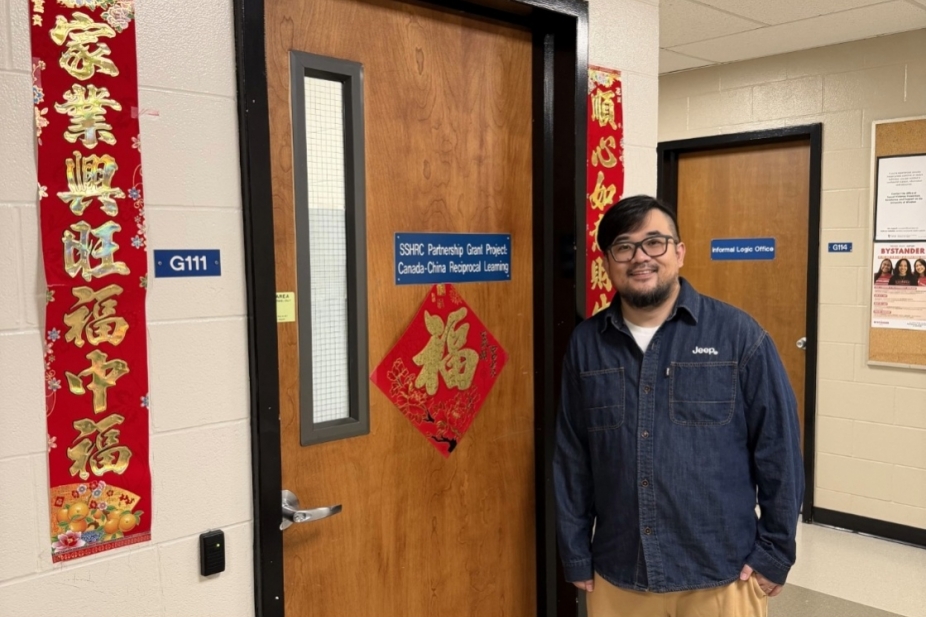 Luyao Tan is part of the Reciprocal Learning Program, where he works as a research assistant for Dr. Shi Jing Xu. (Courtesy of Luyao Tan/University of Windsor)
By Vanessa Bumanlag
As artificial intelligence becomes increasingly common in classrooms, language teachers face new questions about their role in helping students learn.
For University of Windsor PhD student Luyao Tan, the rise of AI presents an opportunity to reconsider what teachers contribute beyond language instruction — particularly when it comes to cultural understanding and human connection.
— Published on Nov 17th, 2026
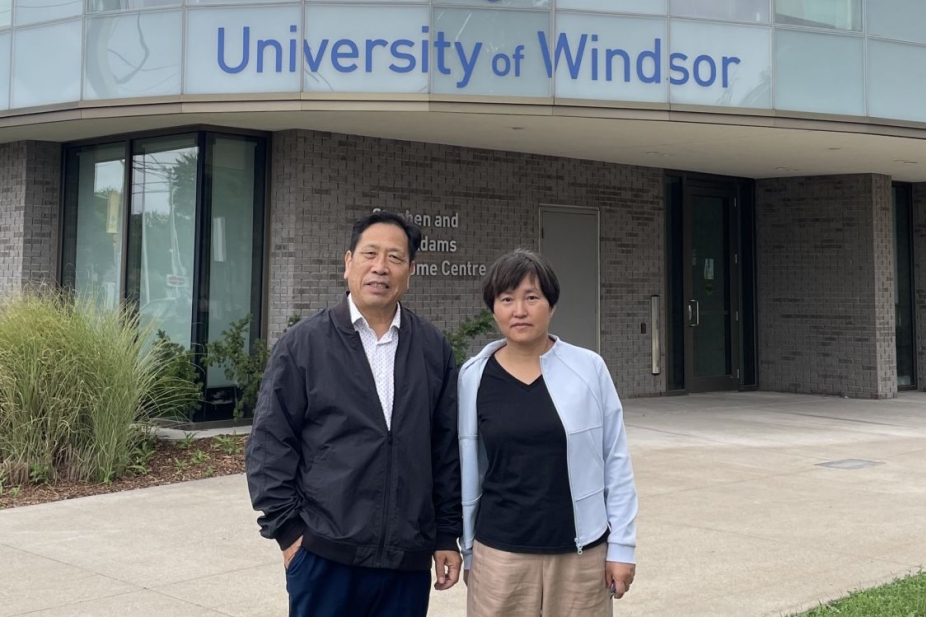 Visiting scholar Dr. Guifang Cheng and host supervisor in the Faculty of Education Dr. George Zhou (PROVIDED BY G. ZHOU/University of Windsor)
By Kate Hargreaves
While Canadian and Chinese culture may appear very different, visiting scholar Dr. Guifang Cheng says there are more commonalities than she expected.
An associate professor in the Faculty of Educational Technology and Media at China's Liaocheng University, Cheng has been working with researchers in UWindsor's Faculty of Education since July.
Her first visit to Canada has also introduced her to local traditions, including celebrations of the Chinese Mid-Autumn Festival and Canadian Thanksgiving.
— Published on Oct 30th, 2026
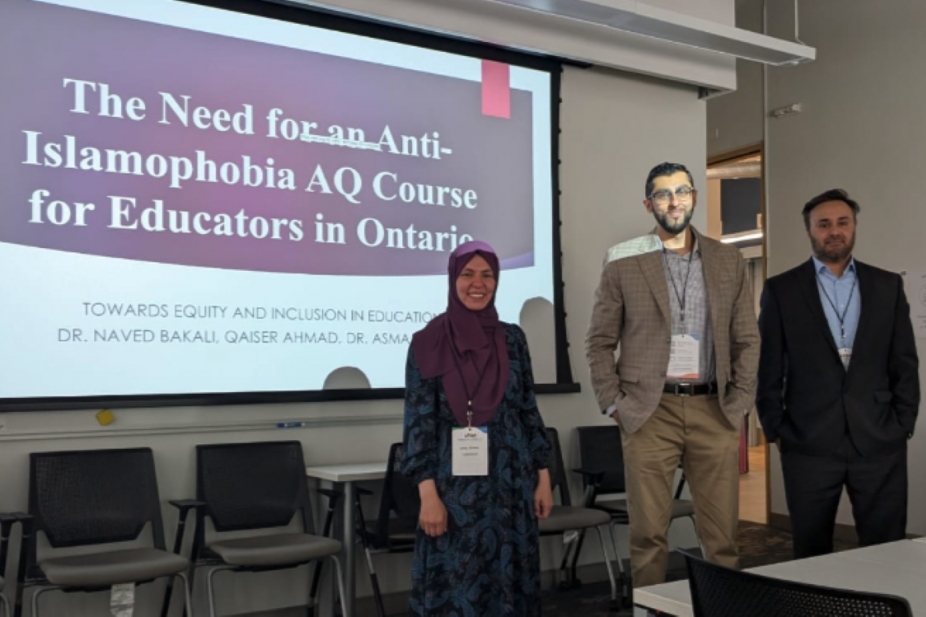 Drs. Asma Ahmed and Naved Bakali alongside TDSB principal Qaiser Ahmad have developed a new AQ course combatting Islamophobia in schools (PROVIDED BY A. AHMED/University of Windsor)
By Kate Hargreaves
Faith is an important part of how some students understand themselves and the world around them, and they do not leave this part of their identity at the classroom door.
A new additional qualification (AQ) course offered by the University of Windsor’s Faculty of Education aims to help teachers gain the knowledge and practical tools to better support Muslim students and respond to Islamophobia in educational settings.
— Published on Oct 30th, 2026
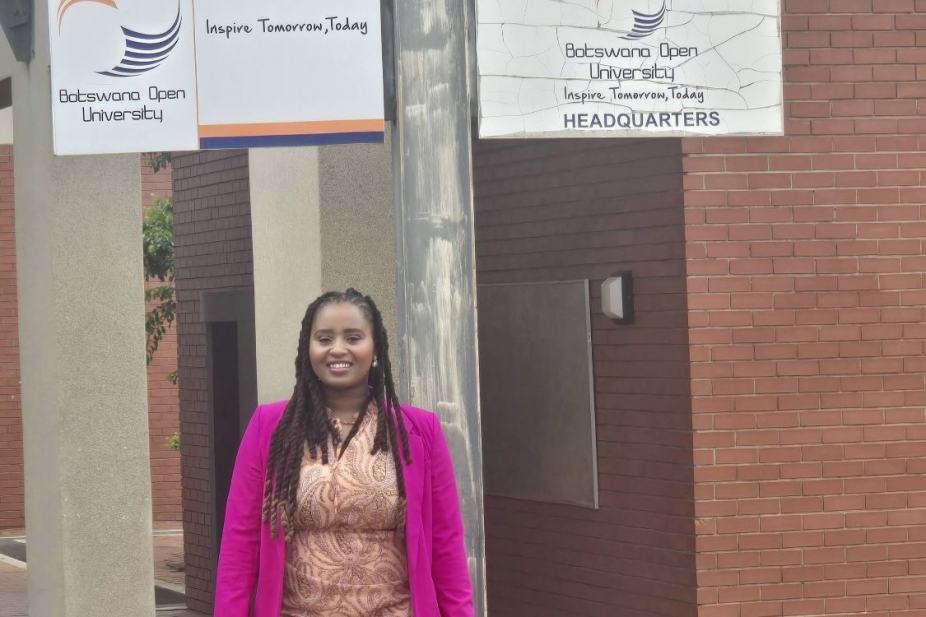 Dr. Juliet Bushi at Botswana Open University (PROVIDED BY J. BUSHI/University of Windsor)
By Kate Hargreaves
A new opportunity for experiential learning and research is available to UWindsor students this coming summer in Botswana.
Part of the Faculty of Education’s Global Community Engagement Program (GCEP), which already provides international service-learning opportunities in China, Jamaica and Tanzania, Botswana is the latest country to be added to this list of options.
— Published on Oct 26th, 2026
 Giang Nguyen and her family outside their Windsor restaurant, Pho Xic Lo (PROVIDED BY G. NGUYEN/University of Windsor)
By Kate Hargreaves
Giang Nguyen had never owned a restaurant or even worked in a kitchen when she moved to Canada three years ago with her family.
A trained teacher with a master's degree in teaching English as a second language from her home country of Vietnam, Nguyen came to Windsor to pursue a master of education at the University of Windsor.
Three years later, she's earned her degree and traded the classroom for the kitchen, becoming the owner of two Vietnamese restaurants in Windsor-Essex.
— Published on Oct 16th, 2026
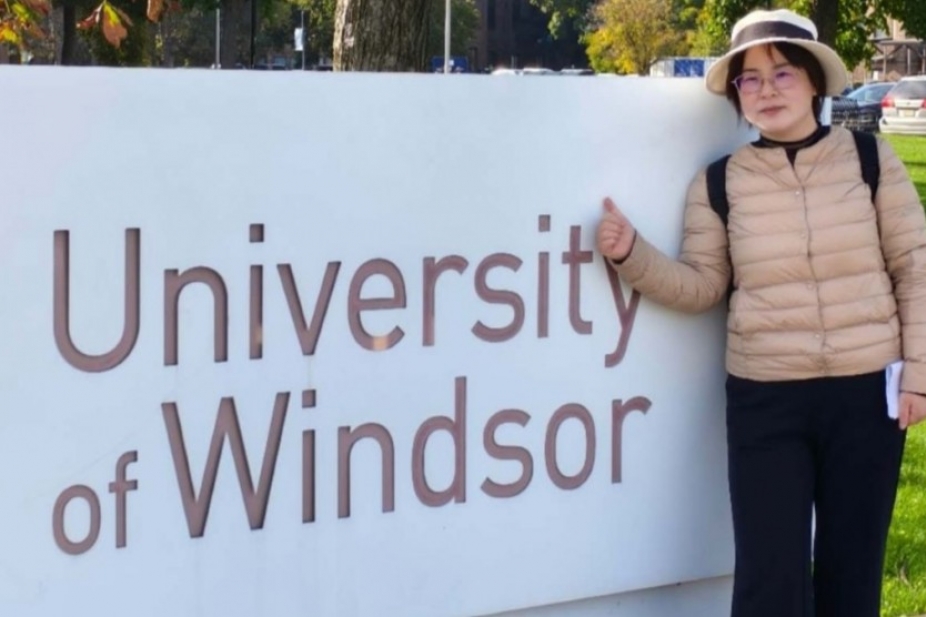 Dr. Min Fan is a visiting scholar at the Faculty of Education (ZUOCHEN ZHANG/University of Windsor)
By Kate Hargreaves
For visiting scholar Dr. Min Fan, one of the biggest surprises about Canadian elementary education has been the relatively limited presence of artificial intelligence (AI) in her daughter's classroom compared to schools in her native China.
— Published on Oct 30th, 2026
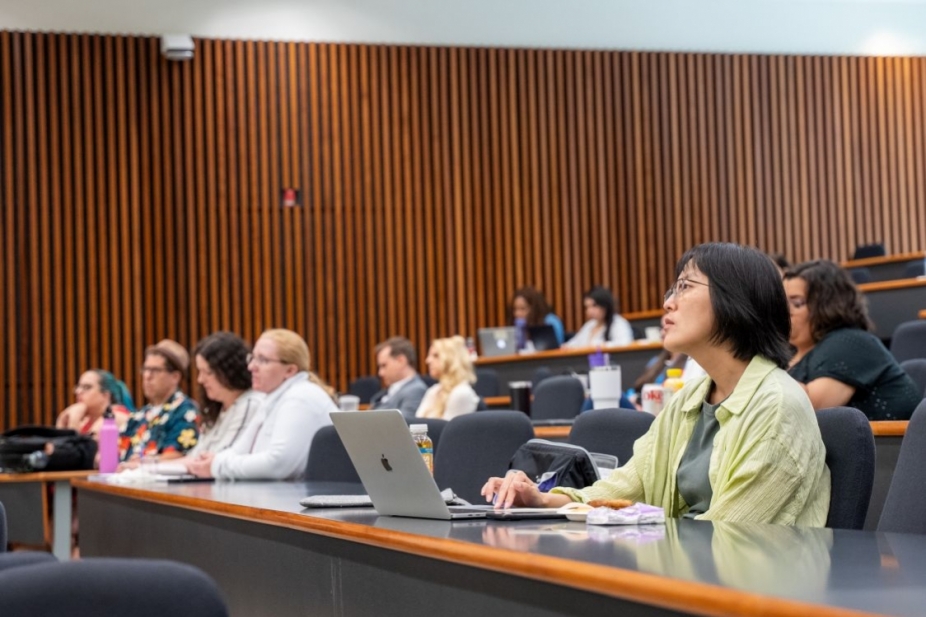 The Faculty of Education will host the Educational Leaders Without Borders annual conference in April 2027 (DOUG DROUILLARD/University of Windsor)
What does it mean to make “good trouble” in education?
— Published on Oct 15th, 2026
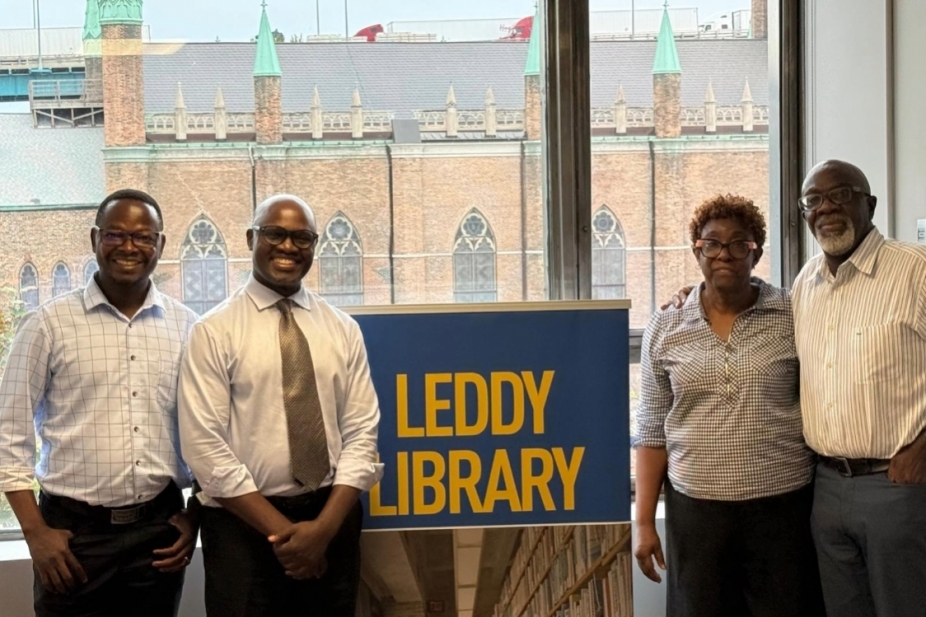 Dr. Evra Trought-Pitters and her committee members in the new Graduate Defence Room. L to R, Dr. Festus Moasun, Dr. James Oloo, Trought-Pitters and Dr. Clinton Beckford. (Courtesy of Evra Trought-Pitters/University of Windsor)
By Sara Elliott
Dr. Evra Trought-Pitters sees a future where Indigenous Knowledges are meaningfully included in Ontario elementary and secondary mathematics education.
The Toronto District School Board educator recently defended her University of Windsor doctoral dissertation in education, examining how educational leaders can help teachers incorporate Indigenous Knowledges and perspectives into mathematics instruction respectfully.
— Published on Oct 7th, 2026
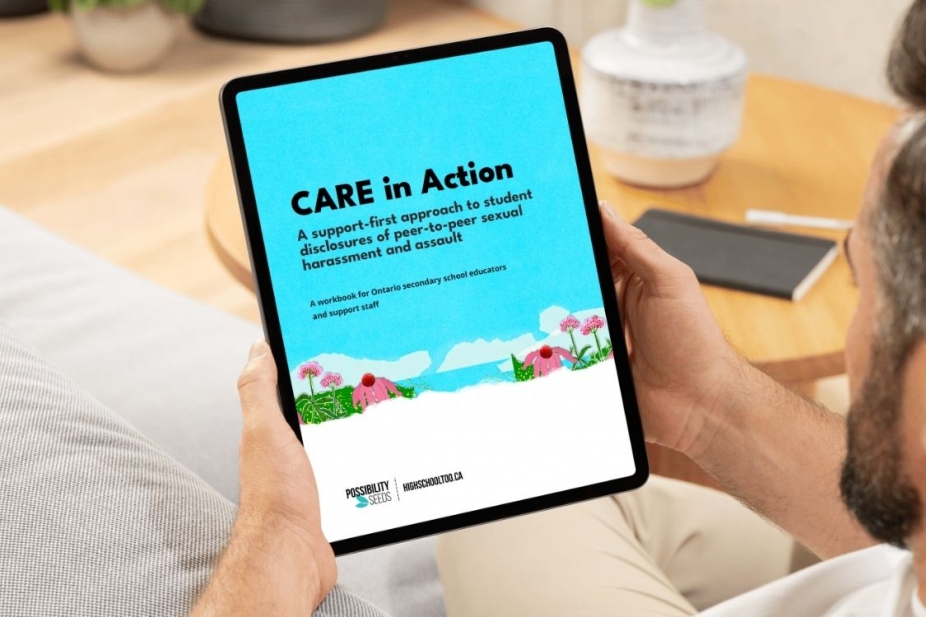 A virtual launch Oct. 5 marks the release of a new guide to support teachers in responding to sexual violence (CANVA STOCK/University of Windsor)
By Kate Hargreaves
Before the age of 15, 45 per cent of Canadian teens will experience dating violence.
For educators who find themselves on the receiving end of disclosures, knowing how to respond can be daunting.
That’s what motivated a new guide to help teachers respond to sexual violence disclosures in trauma-informed ways.
— Published on Oct 15th, 2026

 Bachelor of Education students Lauren Ogley, Ashley Aiken, Sascha Batke and Lauren Nesbitt present their research on how women are portrayed in the media at the 2026 Teacher Electives Fair. (Courtesy of Sascha Batke/University of Windsor)

