 Dr. Nick Vukotic and student researchers (photographed) are working together with Dr. Simon Rondeau-Gagne’s lab to find real-world solutions to cancer treatment. (University of Windsor)
From new medicines to new companies, taking research beyond the lab.
— Published on Oct 23rd, 2026
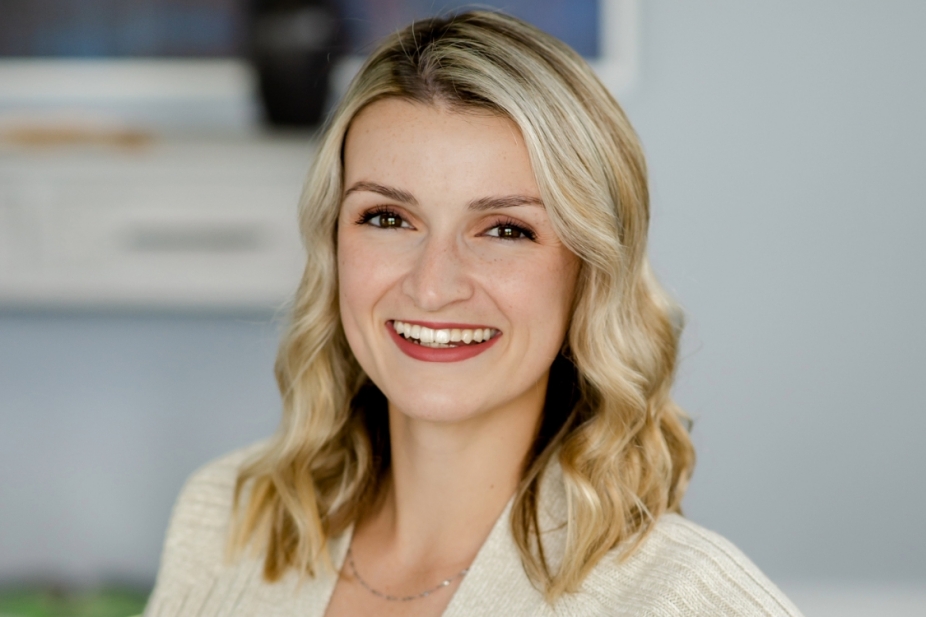 Sheldon Fetter is a two-time UWindsor alumna and is currently pursuing her PhD in Kinesiology. (Courtesy of Sheldon Fetter/University of Windsor)
By Sara Elliott
Kinesiology PhD candidate Sheldon Fetter describes her graduate degree student experience at the University of Windsor a “most fulfilling adventure.”
Her advice to students considering graduate school is simple: get involved.
— Published on Oct 14th, 2026
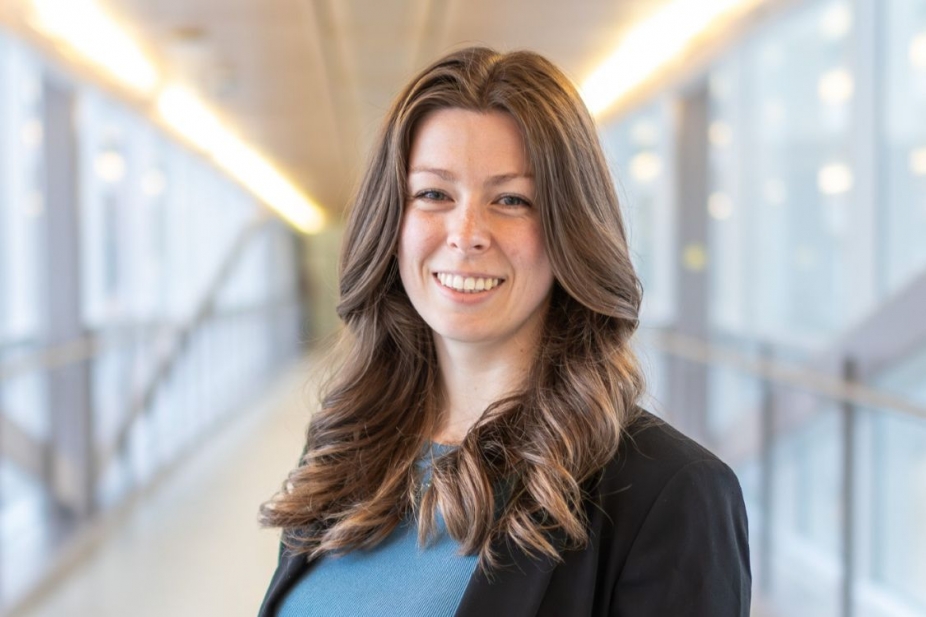 Dr. Fallon Mitchell will receive the Governor General's Gold Medal in Graduate Studies at Fall 2026 convocation (FILE/University of Windsor)
By Kate Hargreaves
Going to the gym plays a major role in Dr. Fallon Mitchell's (PhD Kinesiology, '26) mental and physical health.
However, gyms are not always accessible or welcoming places for everyone, including people with a disability.
Mitchell will receive the Governor General's Gold Medal at the University of Windsor's Fall 2026 Convocation in recognition of doctoral work that aims to reduce barriers to fitness spaces and create more welcoming facilities for all.
— Published on Oct 15th, 2026
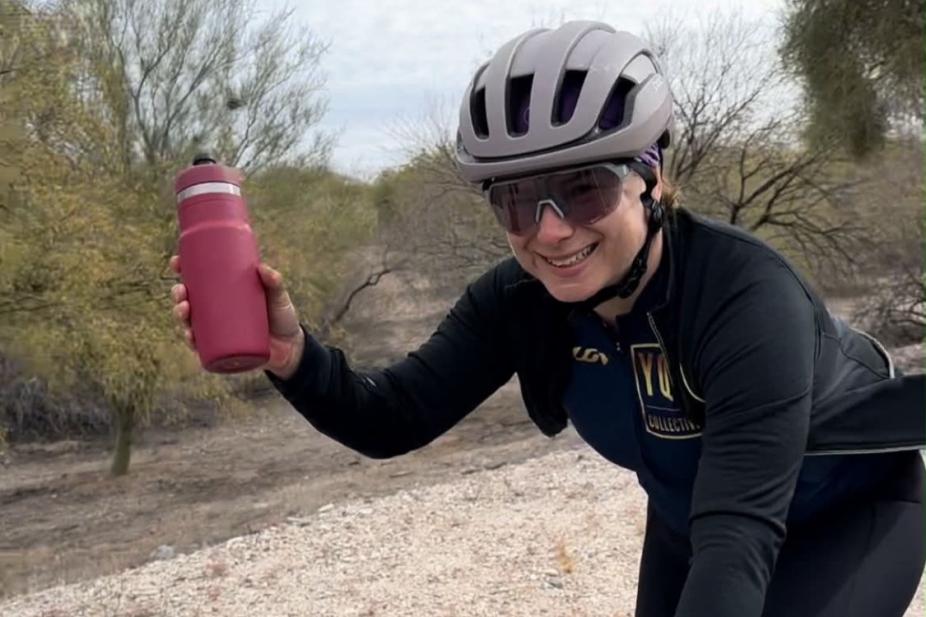 Kim Rocheleau is the founder of the Dirt Divas women's mountain biking group and successfully led 13 Women's 100 road cycling events in Windsor-Essex (PROVIDED BY K. ROCHELEAU/University of Windsor)
By Kate Hargreaves
When Kim Rocheleau (BHK ’95, BEd ’06) finishes her workday as a high school principal with the Greater Essex County District School Board, she often hits the road — or the trail — on two wheels rather than four.
When she’s not supporting students and staff at Vincent Massey Secondary School, she shares the joy of cycling with women across Essex County.
Earlier this month, she organized the 13th annual — and final — local Women’s 100, marking more than a decade of leading the inclusive cycling event.
— Published on Oct 15th, 2026
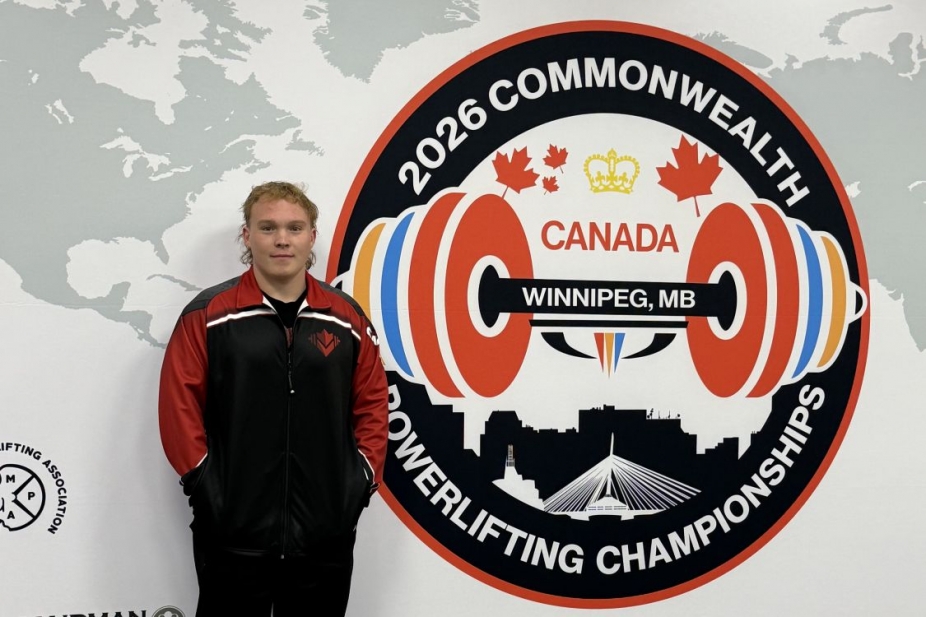 Kinesiology student Ty Humphries recently took home hardware at the 2026 Commonwealth Powerlifting Championships in Winnipeg (PROVIDED BY T. HUMPHRIES/University of Windsor)
By Kate Hargreaves
When Ty Humphries started hitting the gym with some friends in 2021, he was 16 years old and just looking to get into better shape.
He could not have expected that within five years, he would be representing his country in powerlifting, taking home medals and holding national records.
— Published on Oct 15th, 2026
 UWindsor's Master of Sport Management and Leadership program has once again ranked number one in Canada (FILE/University of Windsor)
— Published on Oct 15th, 2026
 Isaiah Maracle has been supporting Lancer Recreation in the department's allyships efforts (PROVIDED BY I. MARACLE; FILE/University of Windsor)
As part of the launch of the Turtle Island — Indigenous Student Services Centre's Indigenous Allyship Guide, we are featuring conversations about allyship with campus community members.
Isaiah Maracle is an Indigenous student who has been supporting Indigenization efforts at the Toldo Lancer Centre
Q: How would you describe what Indigenous allyship means to you?
— Published on Sep 8th, 2026
 Students get hands-on learning experience in ergonomics (FILE/University of Windsor)
By Kate Hargreaves
Dr. Jim Potvin didn’t know much about ergonomics when he was first hired to help the General Motors (GM) transmission plant in Windsor improve worker safety.
He needed a summer job and had heard that the plant hired engineering students. Potvin, however, was a kinesiology student.
— Published on Oct 15th, 2026
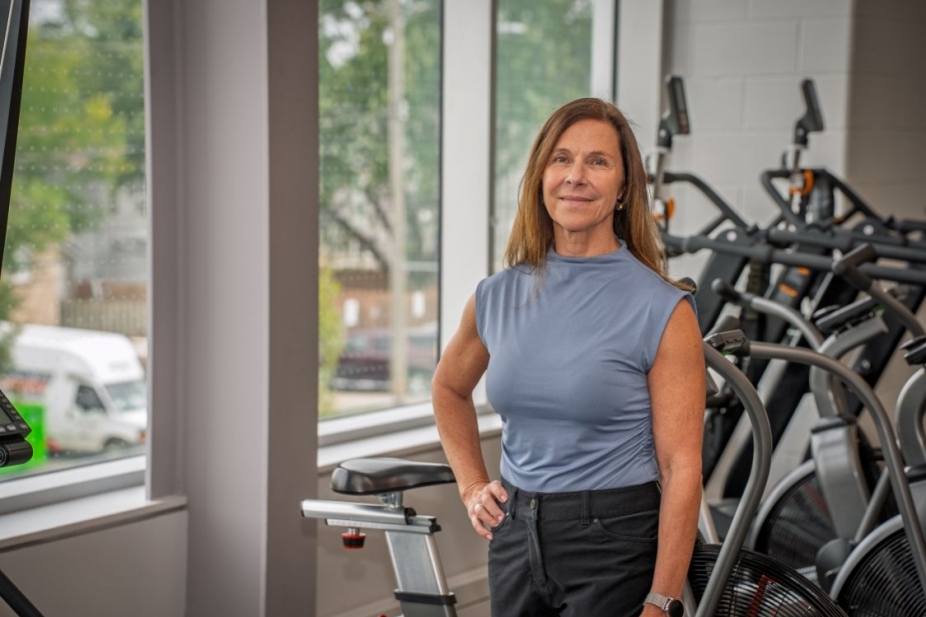 Sandra Ondracka is the campus recreation coordinator (KYLE ARCHIBALD/University of Windsor)
As part of the launch of the Turtle Island — Indigenous Student Services Centre's Indigenous Allyship Guide, we are asking allies across campus to reflect on their allyship journeys.
Sandra Ondracka is the Campus Recreation Coordinator.
Q: How would you describe what Indigenous allyship means to you?
— Published on Sep 2nd, 2026
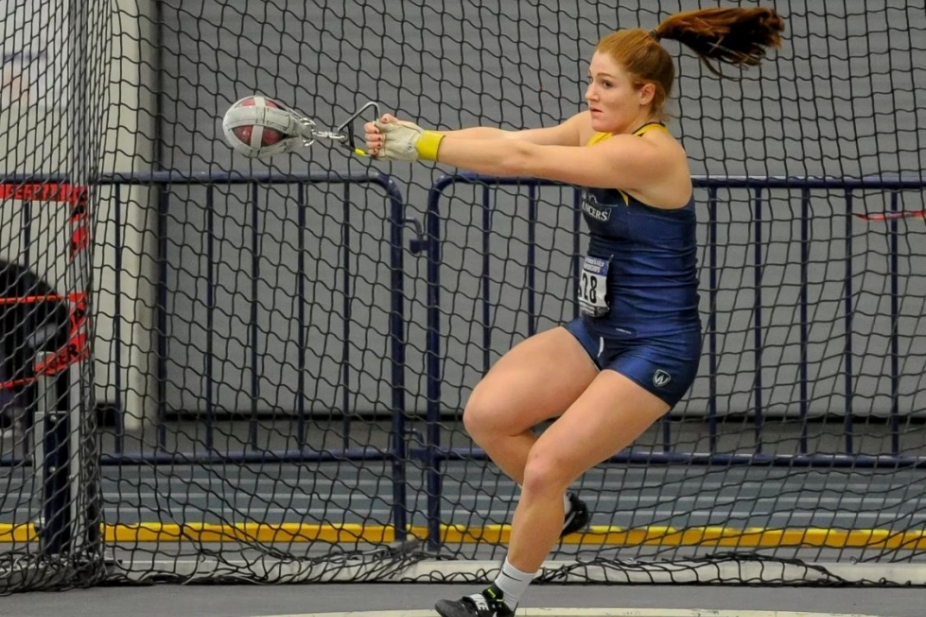 Sarah Mitton competes during her days as a Lancer (KEVIN JARROLD/University of Windsor)
UWindsor alumna Sarah Mitton (BSc '18) has taken home her second straight gold in the Commonwealth Games, boosting Canada toward a third-place finish out of 74 Commonwealth nations and territories.
The former Lancer shot put phenom, who also represented Canada at both the 2020 and 2024 summer Olympics, is a U Sports title holder and was U Sports female athlete of the year in 2018.
— Published on Sep 23rd, 2026

 Dr. Nick Vukotic and student researchers (photographed) are working together with Dr. Simon Rondeau-Gagne’s lab to find real-world solutions to cancer treatment. (University of Windsor)


