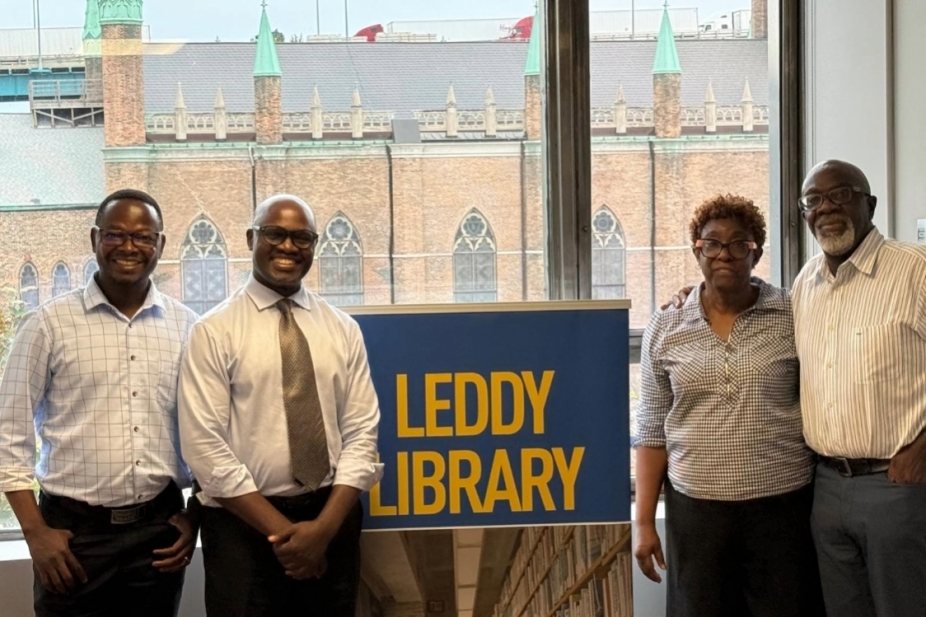
 Dr. Evra Trought-Pitters and her committee members in the new Graduate Defence Room. L to R, Dr. Festus Moasun, Dr. James Oloo, Trought-Pitters and Dr. Clinton Beckford. (Courtesy of Evra Trought-Pitters/University of Windsor)
By Sara Elliott
Dr. Evra Trought-Pitters sees a future where Indigenous Knowledges are meaningfully included in Ontario elementary and secondary mathematics education.
The Toronto District School Board educator recently defended her University of Windsor doctoral dissertation in education, examining how educational leaders can help teachers incorporate Indigenous Knowledges and perspectives into mathematics instruction respectfully.
— Published on Oct 6th, 2026
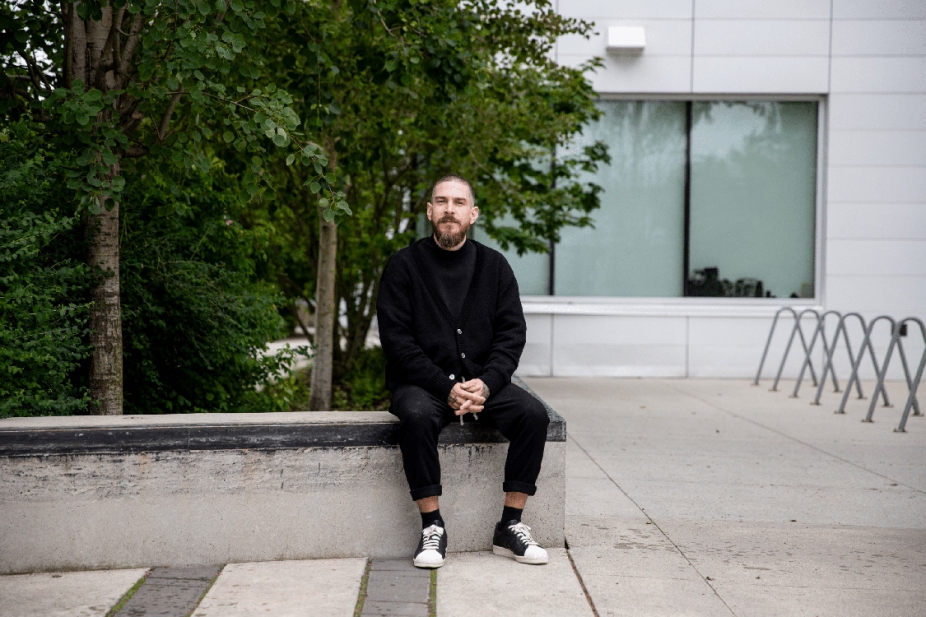 University of Windsor alumnus Justin Langlois builds connections across art, research and community through a collaborative and socially engaged practice. (PERRIN GRAUER/University of Windsor)
By Victor Romao
Long before stepping into a senior academic leadership role on Canada’s West Coast, Justin Langlois developed the foundations of a multidisciplinary practice at the University of Windsor.
Langlois (MFA ’09, BA Hons. ’07), now associate vice-president, research and dean of graduate studies at Emily Carr University for Art+Design, has built a career that blends art, research and community engagement, an approach rooted in his time as a student in Windsor.
— Published on Oct 2nd, 2026
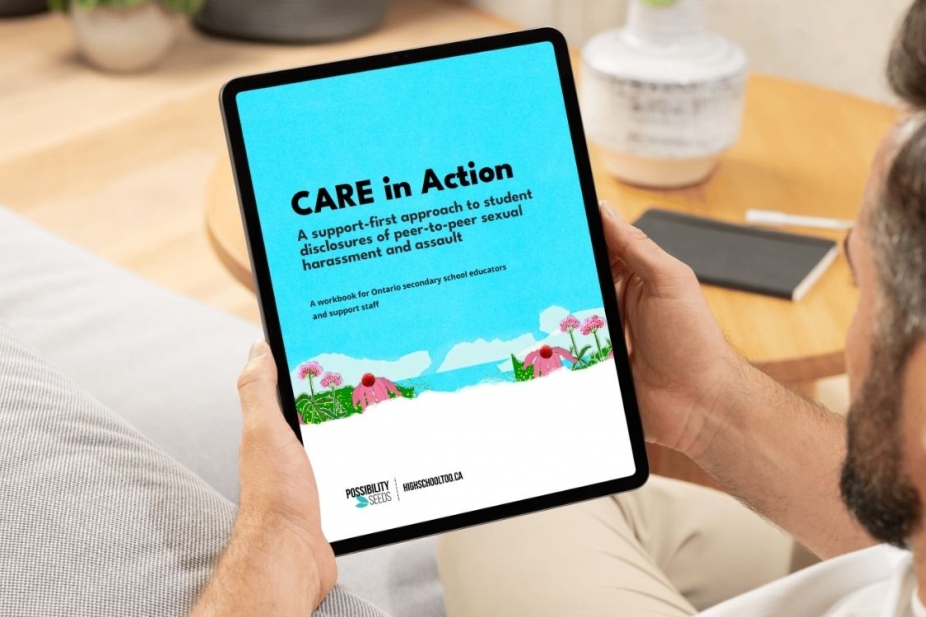 A virtual launch Oct. 5 marks the release of a new guide to support teachers in responding to sexual violence (CANVA STOCK/University of Windsor)
By Kate Hargreaves
Before the age of 15, 45 per cent of Canadian teens will experience dating violence.
For educators who find themselves on the receiving end of disclosures, knowing how to respond can be daunting.
That’s what motivated a new guide to help teachers respond to sexual violence disclosures in trauma-informed ways.
— Published on Oct 2nd, 2026
 The launch of Fusion took place Oct. 1 (SYDNEY THOMPSON/University of Windsor)
For students and researchers with ideas to build businesses or not-for-profits, entrepreneurship can feel like a world apart from academic life. A new hub at the University of Windsor aims to bring the two closer together.
— Published on Oct 2nd, 2026
 Sav Riley: Factory Reset opens at Art Windsor-Essex Oct. 15, 2026 (PROVIDED BY S. RILEY/University of Windsor)
By Kate Hargreaves
From paint-splattered jeans to shredded denim on its last legs, UWindsor alum Sav Riley (BA, Communications, Media and Film, ’26) is giving donated textiles a second life as wearable art.
— Published on Sep 29th, 2026
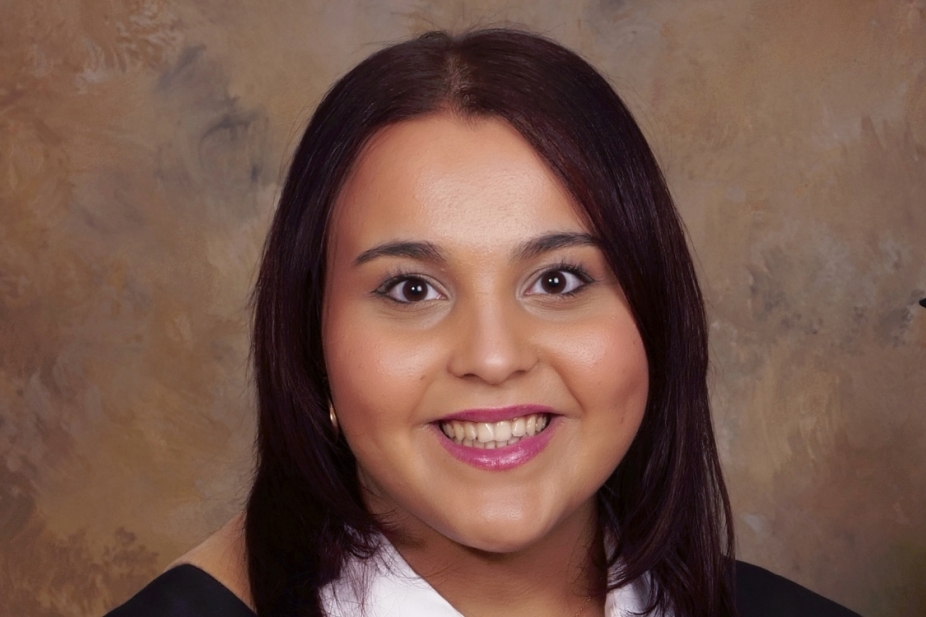 Computer science graduate Parmida Khashayar. (Photo courtesy of Parmida Khashayar/University of Windsor)
By Sara Elliott
For many people with polyendocrine metabolic ovarian syndrome (PMOS), receiving a diagnosis is only the beginning.
Managing the condition can involve navigating symptoms, treatment options and changing health information with few clear tools to guide day-to-day decisions.
— Published on Sep 29th, 2026
 Patricia Rokitnicki holding three snow bunting chicks after banding them. (Rachel Dow/University of Windsor)
By Sara Elliott
Every Saturday in Iqaluit, Patricia Rokitnicki spends her morning with community members searching the city for snow bunting nests.
That's not a distraction from her PhD research — it is her PhD research.
— Published on Sep 23rd, 2026
 The Black Scholars Institute at the University of Windsor will host a three-day symposium in October (FILE/University of Windsor)
By Kate Hargreaves
The University of Windsor Black Scholars Institute (BSI) will bring scholarship and community together this October during the three-day symposium Futuring Black Thriving.
— Published on Sep 22nd, 2026
 Elizabeth Szymanski is a doctoral candidate in education researching pre-service teachers' familiarity with social-emotional learning (PROVIDED BY E. SZYMANSKI/University of Windsor)
By Kate Hargreaves
Being a teacher is about more than getting kids up to speed on their reading, writing and math.
Teachers also support students as they solve problems, build relationships, set goals and manage emotions.
These skills are part of social-emotional learning (SEL), which takes place every day in elementary and secondary schools. But PhD researcher Elizabeth Szymanski (BA, ECE, BEd, MEd) says that teacher candidates don’t necessarily feel prepared to take it on.
— Published on Sep 18th, 2026
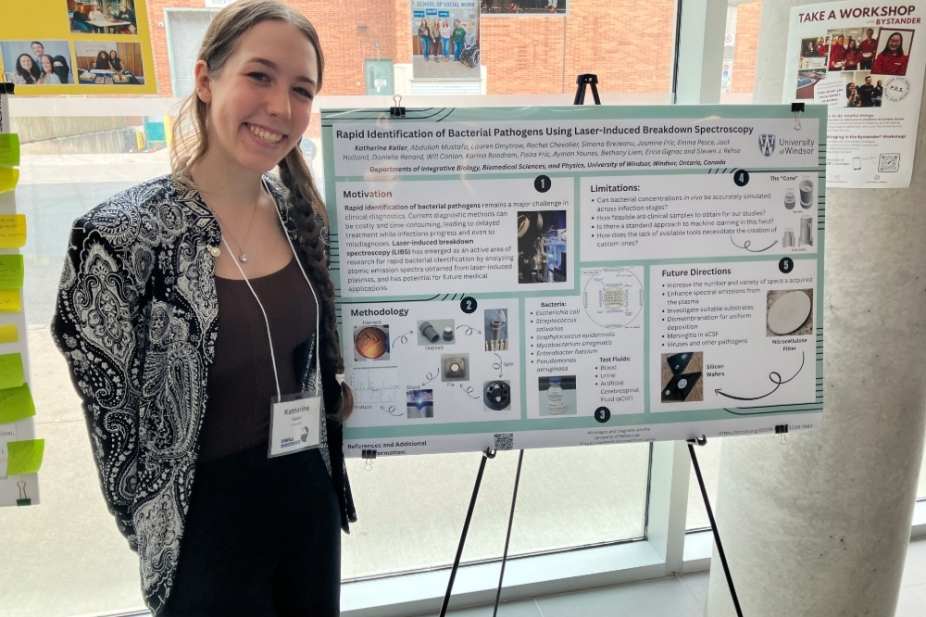 Kitti Keller's research earned her an Undergraduate Student Research Award (USRA) from the Natural Sciences and Engineering Research Council of Canada. (Courtesy of Kitti Keller/University of Windsor)
By Sara Elliott
This summer, science student Kitti Keller learned a lesson on how melding biology and physics could one day help identify bacterial pathogens that threaten human health.
“We're hoping to develop a technology so one day you can go to the clinic, give a tiny blood or urine sample and get immediate results showing what's making you sick,” says the third-year biology student.
— Published on Sep 15th, 2026

 Dr. Evra Trought-Pitters and her committee members in the new Graduate Defence Room. L to R, Dr. Festus Moasun, Dr. James Oloo, Trought-Pitters and Dr. Clinton Beckford. (Courtesy of Evra Trought-Pitters/University of Windsor)


