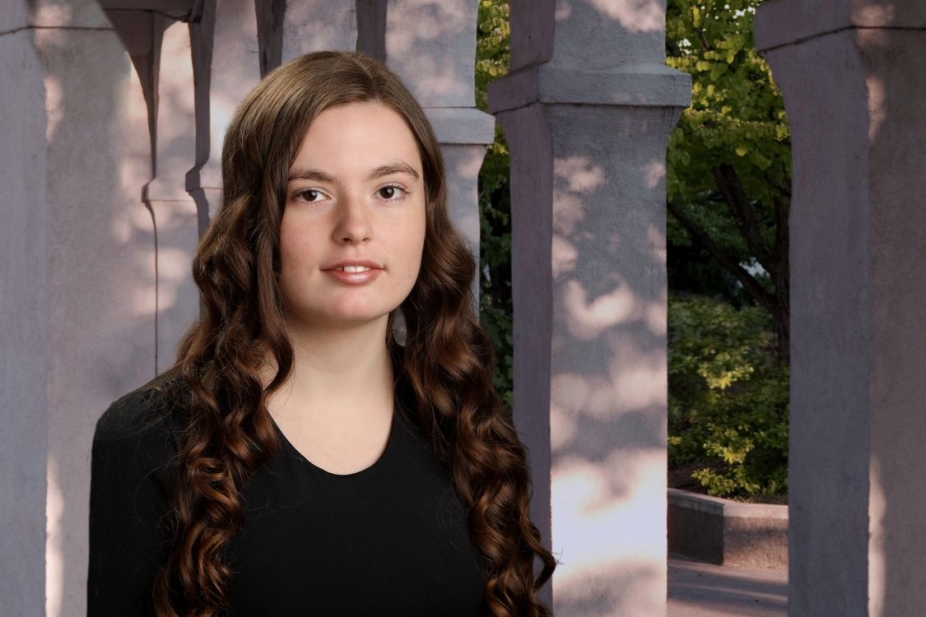
 MA Psychology student Maria Zangari was named an Ontario Women's Health Scholar for 2026 (PROVIDED BY M. ZANGARI/University of Windsor)
By Kate Hargreaves
With shortages of primary care practitioners and long wait times for health care, more Ontarians may be turning to episodic care providers such as walk-in clinics, urgent care centres and pharmacies for their medical needs.
For women who have experienced gender-based violence (GBV), however, a lack of continuity and brief encounters with providers can create barriers to receiving responsive trauma- and violence-informed care.
— Published on Oct 7th, 2026
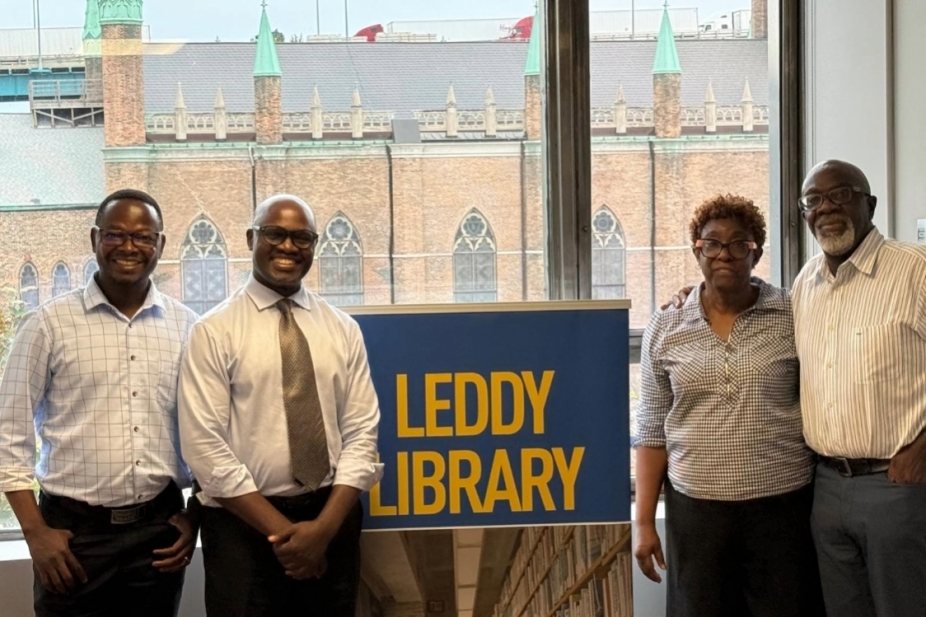 Dr. Evra Trought-Pitters and her committee members in the new Graduate Defence Room. L to R, Dr. Festus Moasun, Dr. James Oloo, Trought-Pitters and Dr. Clinton Beckford. (Courtesy of Evra Trought-Pitters/University of Windsor)
By Sara Elliott
Dr. Evra Trought-Pitters sees a future where Indigenous Knowledges are meaningfully included in Ontario elementary and secondary mathematics education.
The Toronto District School Board educator recently defended her University of Windsor doctoral dissertation in education, examining how educational leaders can help teachers incorporate Indigenous Knowledges and perspectives into mathematics instruction respectfully.
— Published on Oct 7th, 2026
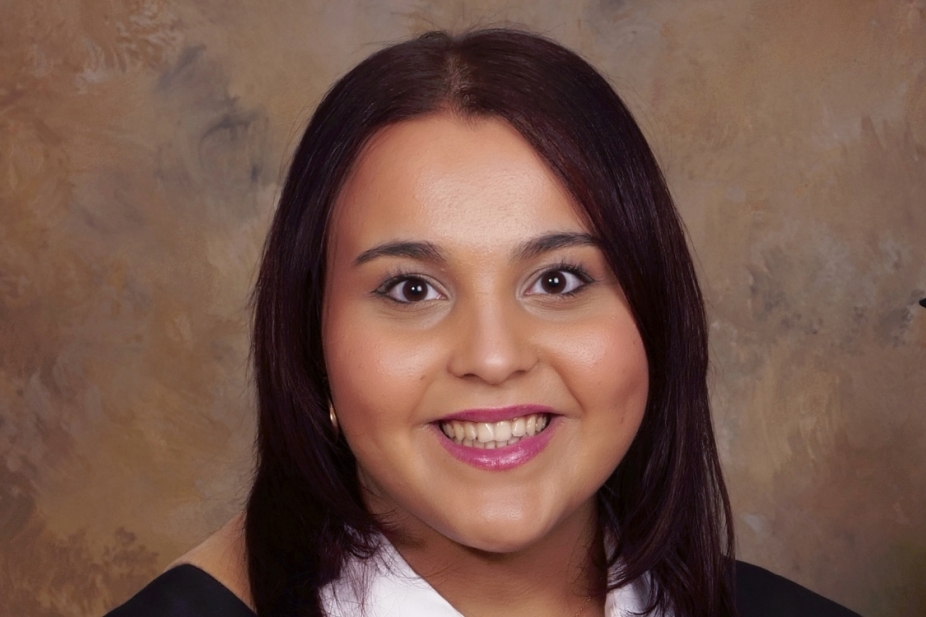 Computer science graduate Parmida Khashayar. (Photo courtesy of Parmida Khashayar/University of Windsor)
By Sara Elliott
For many people with polyendocrine metabolic ovarian syndrome (PMOS), receiving a diagnosis is only the beginning.
Managing the condition can involve navigating symptoms, treatment options and changing health information with few clear tools to guide day-to-day decisions.
— Published on Sep 29th, 2026
 Patricia Rokitnicki holding three snow bunting chicks after banding them. (Rachel Dow/University of Windsor)
By Sara Elliott
Every Saturday in Iqaluit, Patricia Rokitnicki spends her morning with community members searching the city for snow bunting nests.
That's not a distraction from her PhD research — it is her PhD research.
— Published on Sep 23rd, 2026
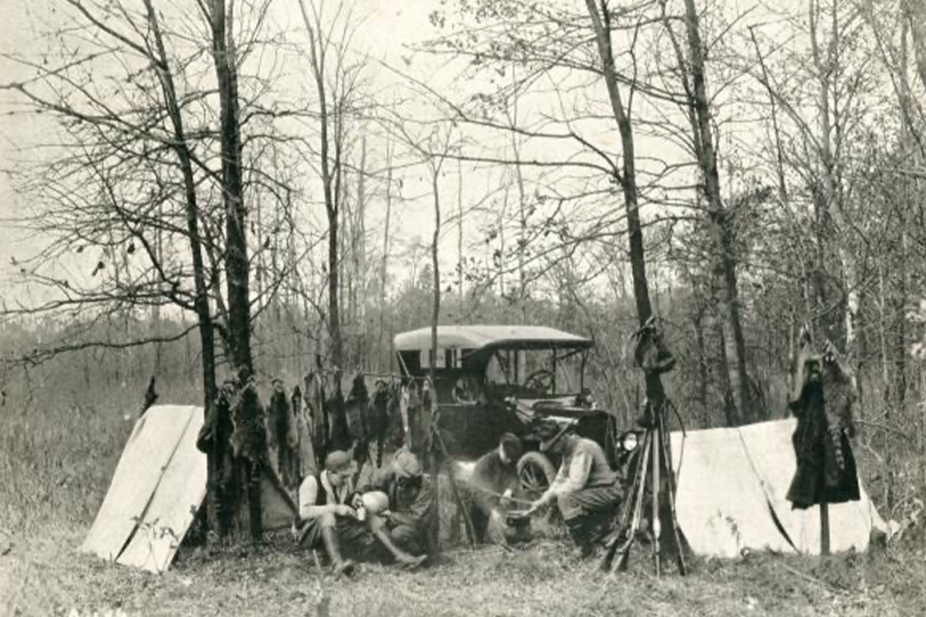 A raccoon hunting party gathers west of Windsor, likely in Yawkey Bush, circa 1925. (Photo courtesy of the Tony Techjo Collection, Leddy Library, SWODA/UNIVERSITY OF WINDSOR)
By Lindsay Charlton
Home to more than 4,000 species — some endangered — the Ojibway Prairie Complex is one of the most biologically diverse landscapes in Canada.
Its protection, however, came partly by chance.
Now a nature reserve and the largest natural area in Windsor, the complex is also being considered for inclusion in a national urban park. The land came close to industrial development several times throughout its history.
— Published on Sep 22nd, 2026
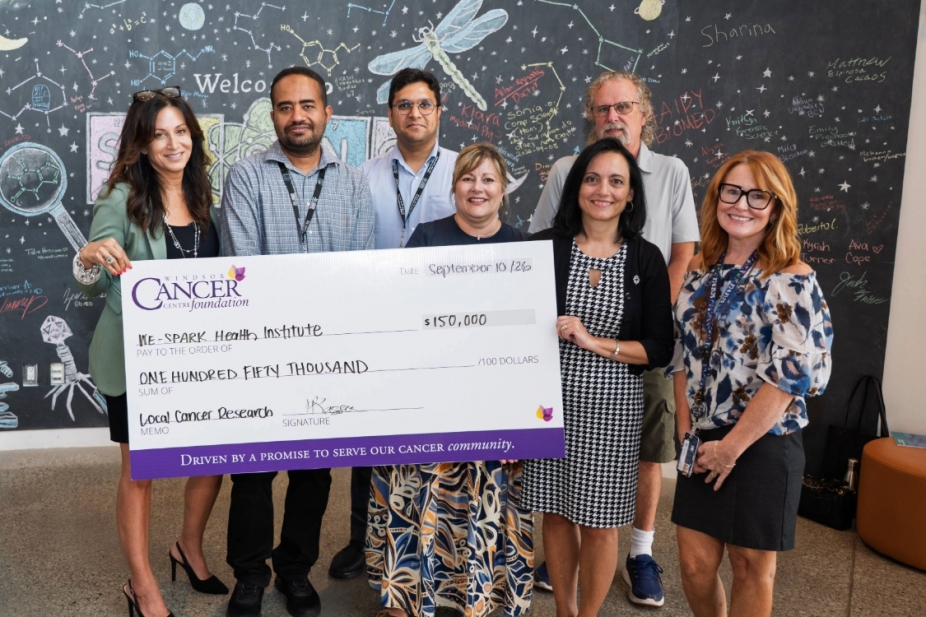 WE-SPARK Health Institute received $150,000 to help advance research focused on cancer prevention, cancer risk, survivorship and youth engagement in cancer care. Pictured from left to right: Houida Kassem, Dr. Ayman Sayyed, Dr. Vikas Garg, Dr. Kathy Pfaff, Dr. Dora Cavallo-Medved, Dr. Lisa Porter and Dr. John Hudson. (PETER MARVAL/University of Windsor)
By Sara Elliott
Five WE-SPARK Health Institute members are receiving funding from the Windsor Cancer Centre Foundation to advance research focused on cancer prevention, cancer risk, survivorship and youth engagement in cancer care.
The investment, provided through the Dr. Hakam Abu-Zahra Research Fund, is part of a $150,000 commitment to support locally led projects selected through WE-SPARK Health Institute's 2026 Igniting Discovery Grants competition.
— Published on Sep 18th, 2026
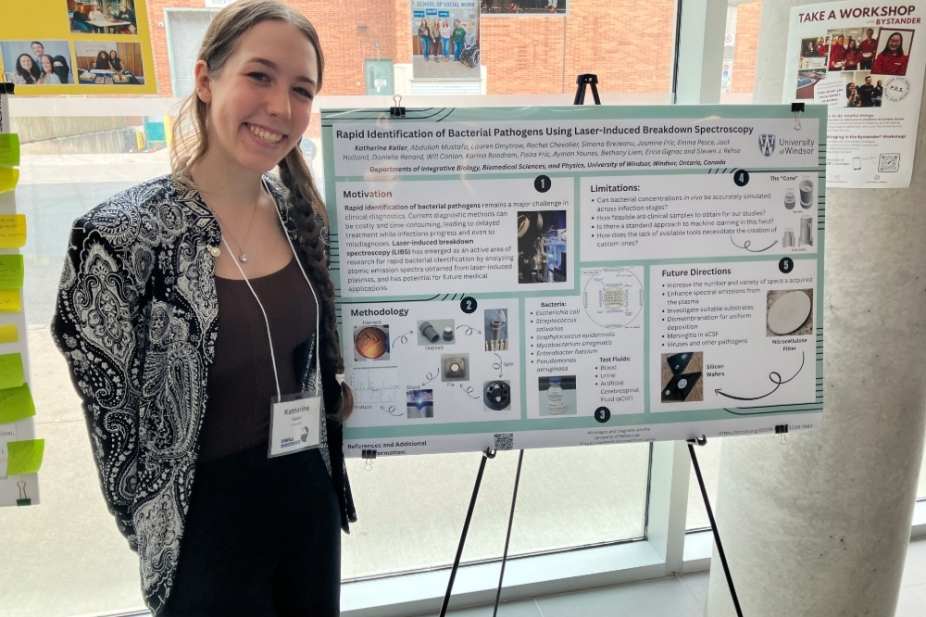 Kitti Keller's research earned her an Undergraduate Student Research Award (USRA) from the Natural Sciences and Engineering Research Council of Canada. (Courtesy of Kitti Keller/University of Windsor)
By Sara Elliott
This summer, science student Kitti Keller learned a lesson on how melding biology and physics could one day help identify bacterial pathogens that threaten human health.
“We're hoping to develop a technology so one day you can go to the clinic, give a tiny blood or urine sample and get immediate results showing what's making you sick,” says the third-year biology student.
— Published on Sep 15th, 2026
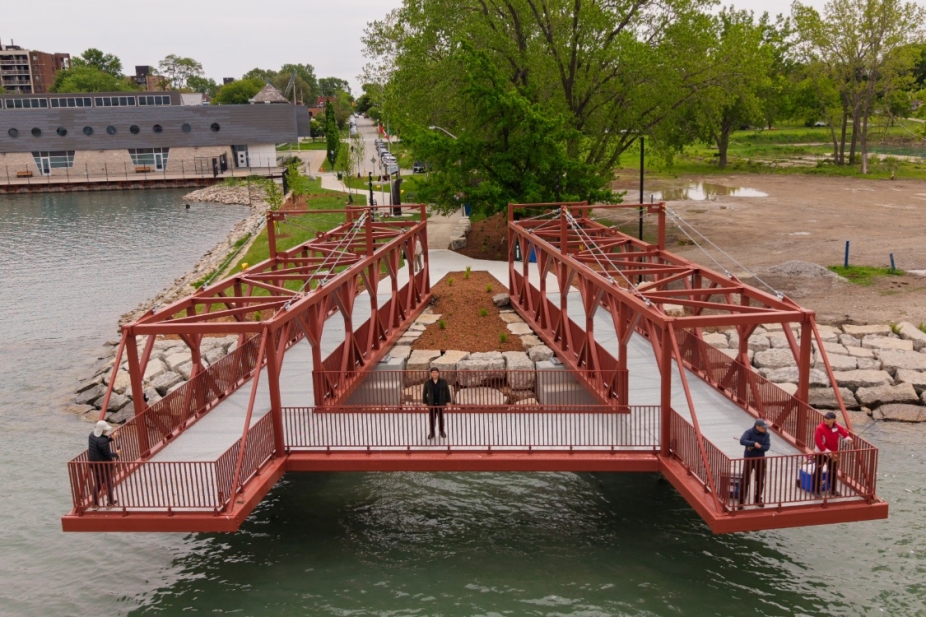 University of Windsor Visual Arts and Built Environment program coordinator and architect Jasson Grossi standing at the front at the Queen's Dock Cultural Pier in Windsor, Ont. (PETER MARVAL/ University of Windsor)
By Lindsay Charlton
At the foot of Mill Street in Windsor’s Sandwich Town, a new pier is giving residents a fresh perspective on the Detroit River.
Within moments after the Bexhigoyaak Pier, also known as the Queen’s Dock Cultural Pier, opened this spring, people were casting lines into the water — something pier and park designer Jason Grossi was happy to see.
— Published on Sep 10th, 2026
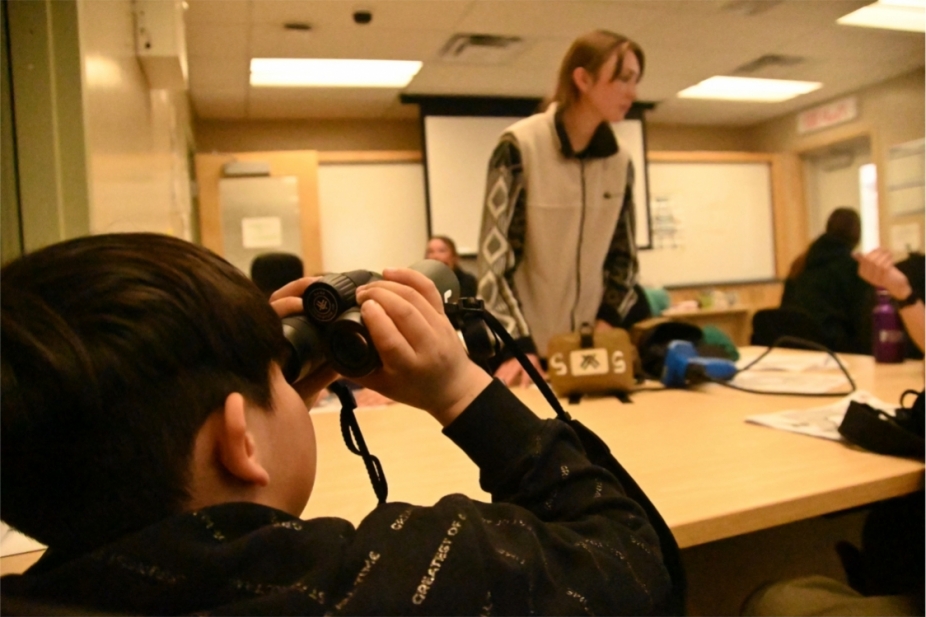 Graduate student Angelina Kemp delivering place-based environmental science materials to Iqaluimmiut youth. (Courtesy of Patricia Rokitnicki/University of Windsor)
By Sara Elliott
In Iqaluit, Nunavut, University of Windsor researchers are helping young people turn the birds around their homes into a gateway to Arctic science, conservation training and community-based wildlife monitoring.
The team received a $172,200 three-year grant for the project through the Natural Sciences and Engineering Research Council of Canada’s (NSERC) PromoScience program.
— Published on Sep 14th, 2026
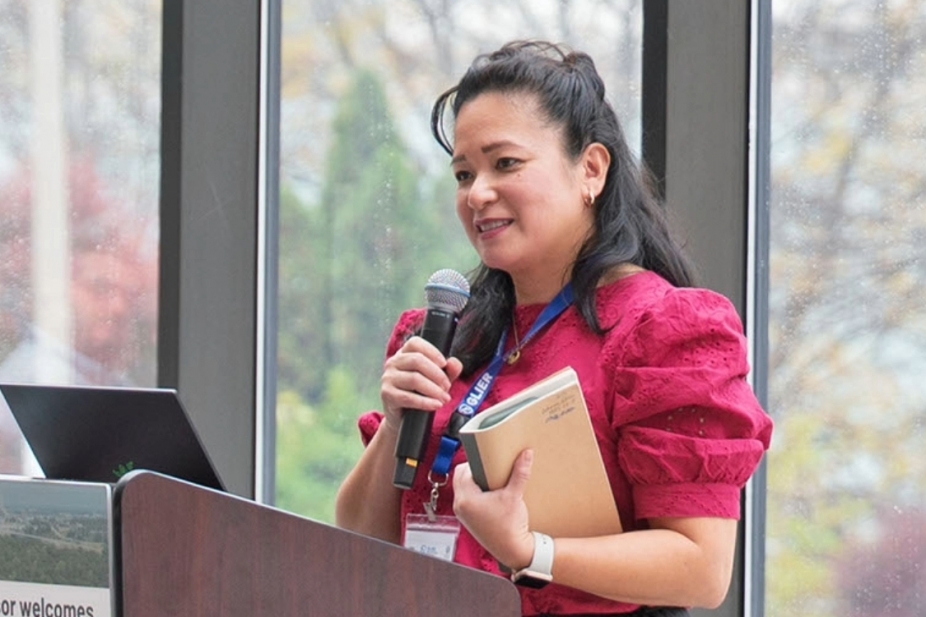 Febria has been elected to the Royal Society of Canada’s College of New Scholars, Artists and Scientists. (PETER MARVAL/University of Windsor)
By Sara Elliott
Catherine Febria’s research begins in the smallest streams, where land, water and people meet. Its impact is now being recognized nationally.
From microbes and mushrooms to watersheds across the Great Lakes Basin, the University of Windsor ecologist uses science to understand and restore freshwater ecosystems while building relationships with the communities that depend on them.
— Published on Sep 10th, 2026

 MA Psychology student Maria Zangari was named an Ontario Women's Health Scholar for 2026 (PROVIDED BY M. ZANGARI/University of Windsor)

