 Students get hands-on learning experience in ergonomics (FILE/University of Windsor)
By Kate Hargreaves
Dr. Jim Potvin didn’t know much about ergonomics when he was first hired to help the General Motors (GM) transmission plant in Windsor improve worker safety.
He needed a summer job and had heard that the plant hired engineering students. Potvin, however, was a kinesiology student.
— Published on Sep 1st, 2026
 Better understanding the timing of forest fire season means better preparation for Ontario (CHRIS LEBOUTILLIER via Unsplash/University of Windsor)
By Kate Hargreaves
With smoke from fires hundreds of kilometres away blanketing the region and wreaking havoc on air quality, Ontario's fire season has become increasingly relevant in the lives of Windsorites.
At the same time, a UWindsor statistician has been crunching the numbers to help Ontario better prepare.
— Published on Aug 25th, 2026
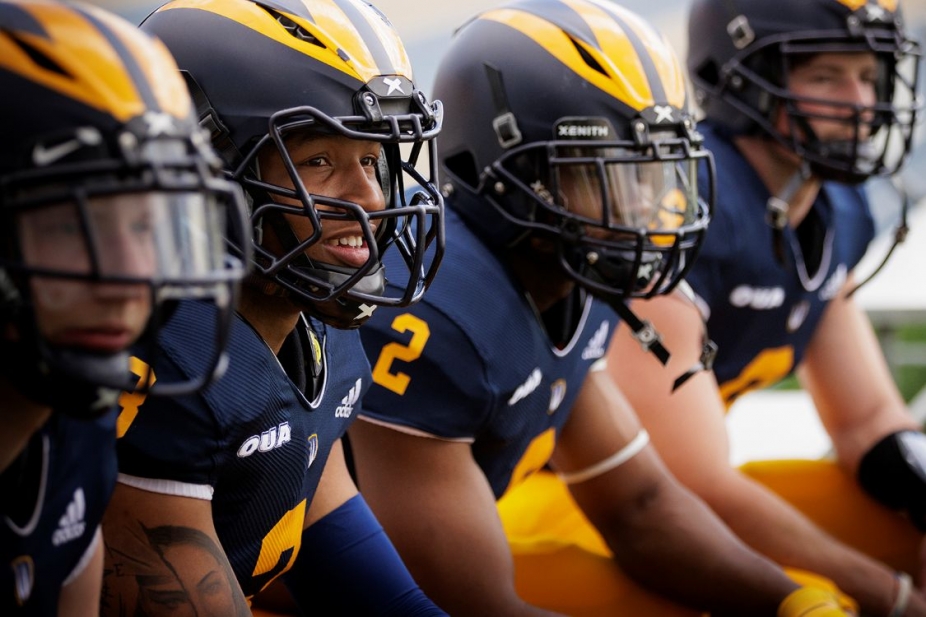 The heavy gear required for football may put athletes at particular risk when training in extreme heat (JASON JONES/University of Windsor)
By Kate Hargreaves
How hot is too hot to exercise safely?
For Canadian varsity coaches, athletes and even youth sports organizations, getting a clear answer to that question is surprisingly difficult.
With extreme heat blanketing southern Ontario in recent weeks, UWindsor Kinesiology professors Dr. Anthony Bain and Dr. Andrew Perrotta sought out heat training guidelines governing Canadian varsity sports.
“I was shocked that we had nothing,” says Bain.
— Published on Jul 24th, 2026
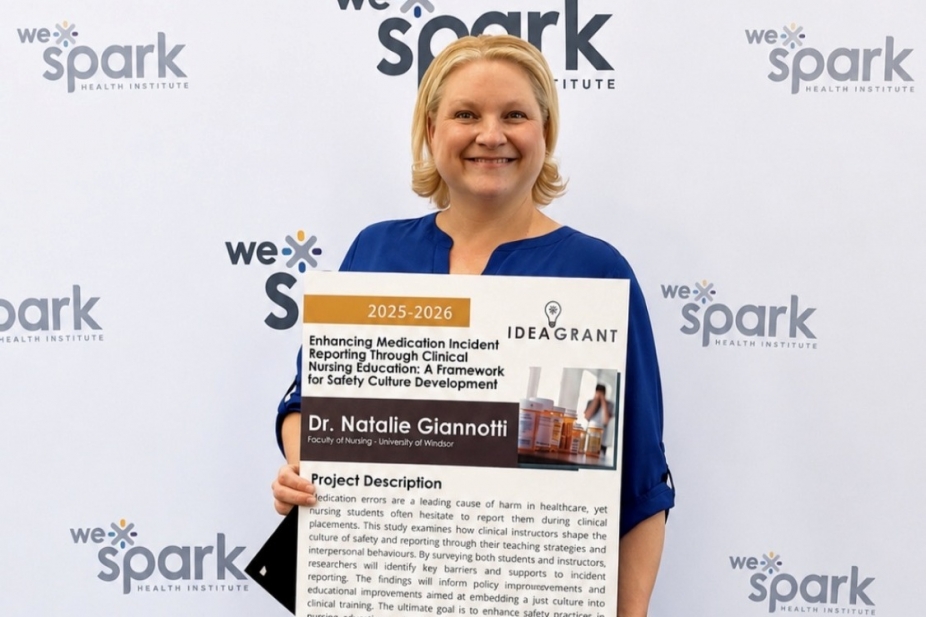 Faculty of Nursing professor Natalie Giannotti led a study examining perceptions of medication incident reporting, helping advance a culture of patient safety, learning, and transparency. (SUBMITTED BY NATALIE GIANNOTTI/University of Windsor)
By Sara Meikle
Administering medication may appear straightforward, but behind every dose is a complex series of steps where errors can still occur despite the best intentions of health-care professionals.
Nearly two decades after introducing a medication incident reporting system for nursing students, the University of Windsor is seeing evidence that its efforts to build a culture of safety are taking hold.
— Published on Jul 14th, 2026
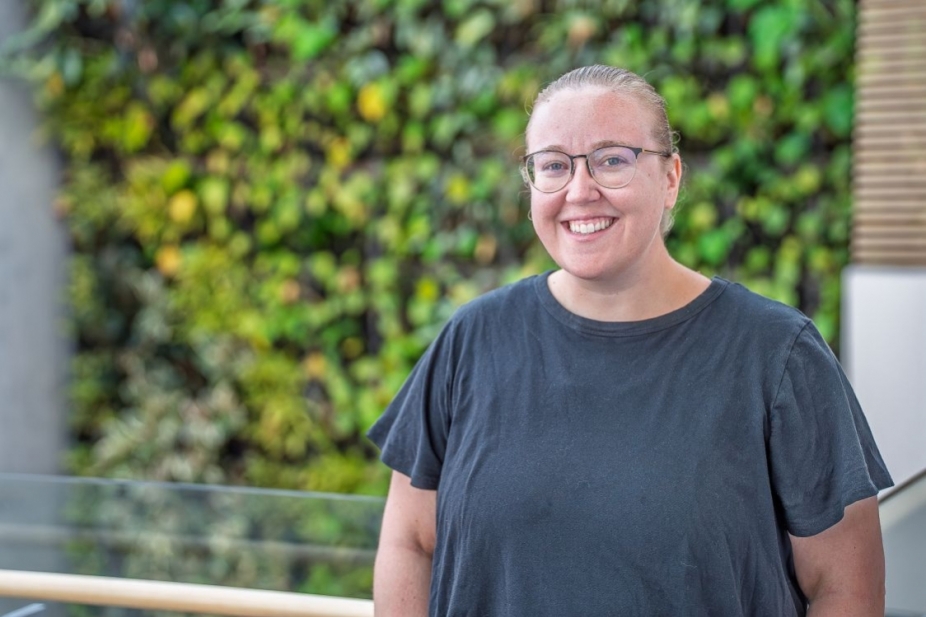 Dr. Maddie Brockbank is one of the first cohort of Innovation Fellows in a new program at the University of Windsor (KYLE ARCHIBALD/University of Windsor)
By Kate Hargreaves
When social work professor Maddie Brockbank first saw the call for applications to UWindsor’s Innovation Fellowship, she wasn’t sure her work would be a good fit.
“I remember thinking, this is not for me,” she recalls.
— Published on Jul 13th, 2026
 Dr. Linda Rohr has been reappointed as Dean of the Faculty of Human Kinetics (MICHAEL WILKINS/University of WIndsor)
By Kate Hargreaves
Dr. Linda Rohr will serve a second five-year term as Dean of the Faculty of Human Kinetics beginning July 1.
“I am thrilled to continue to champion the blue and gold. I look forward to growing our impact, from research and scholarly endeavours, to campus wellness and community engagement,” said Rohr of her reappointment.
— Published on Jun 29th, 2026
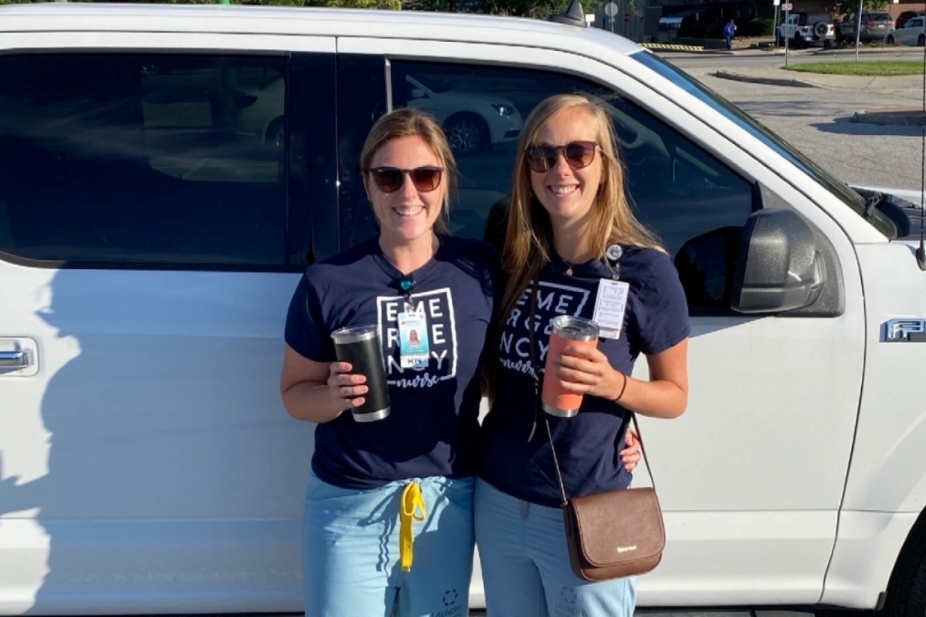 UWindsor nursing alumna Destiny Cadarette, pictured (left) with a colleague before an emergency department shift, says the medical drama The Pitt reflects many of the realities nurses face every day — including workplace violence, emotional strain, and the fast-paced demands of emergency care. (SUBMITTED BY DESTINY CADARETTE/University of Windsor)
By Sara Meikle
What TV gets right
The medical drama The Pitt is doing more than drawing viewers — it’s sparking overdue conversations about violence in emergency departments, and the realities nurses face every day.
At the University of Windsor, faculty and frontline nurses say the show comes closer than any other to portraying life in the emergency department (ED), but it still only tells part of the story.
For Destiny Cadarette (BScN ‘17), an ED nurse in Windsor now pursuing her nurse practitioner designation, the show hits close to home.
— Published on May 15th, 2026
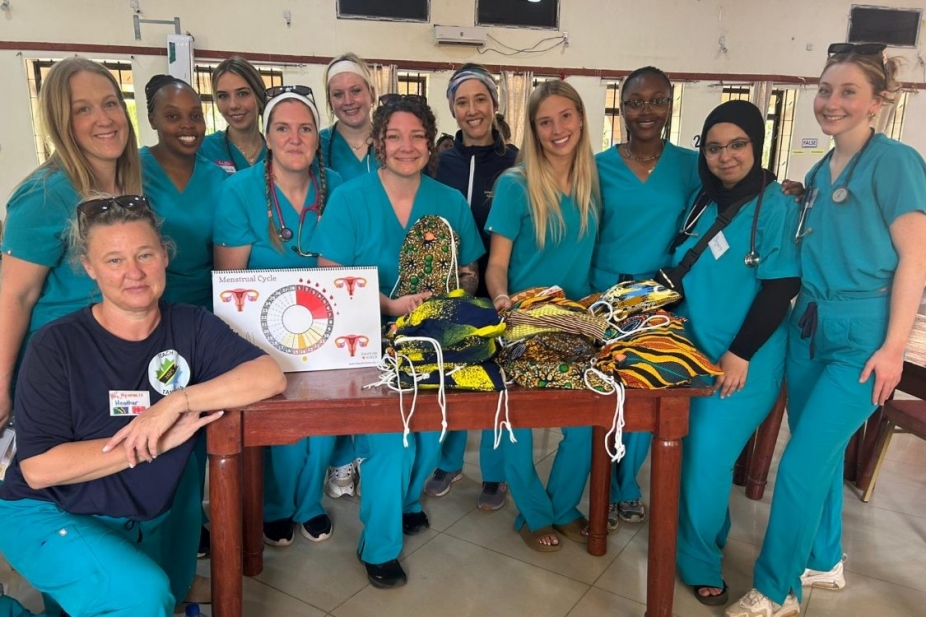 University of Windsor nursing students and faculty sourced sustainable menstrual kits prepared for girls attending a leadership and health education program in Tanzania as part of a global health experiential learning initiative. (SUBMITTED BY RACHEL ELLIOTT/University of Windsor)
By Sara Meikle
A group of University of Windsor nursing students have turned a transformative global experience into research, reflection and recognition.
Their manuscript, based on a three-week experiential learning trip to Tanzania last year, has been published in the Global Qualitative Nursing Research journal — marking a significant milestone for both the students and faculty involved.
— Published on May 20th, 2026
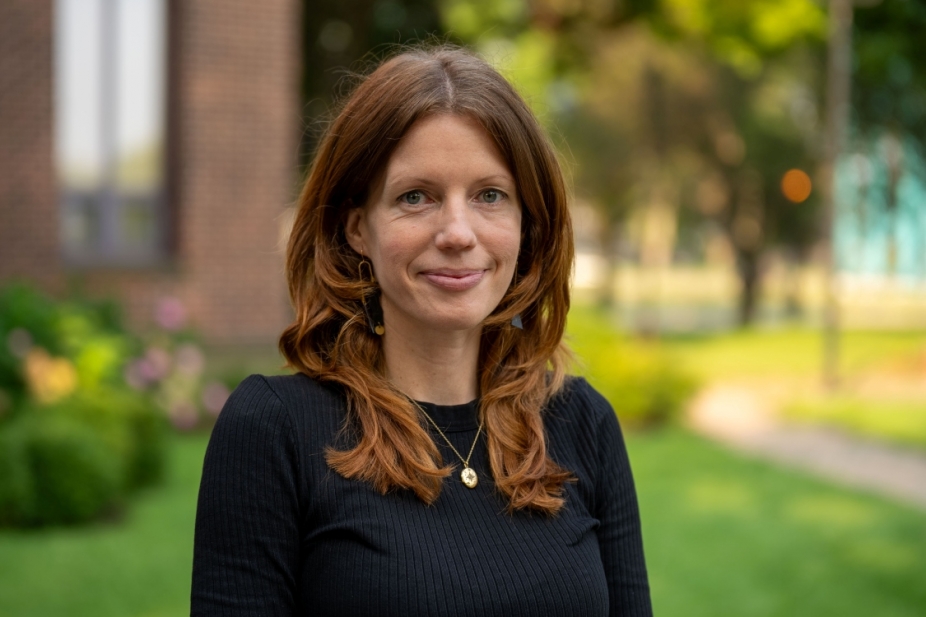 Kristen Thomasen, professor at Windsor Law, led the University of Windsor’s hosting of the international We Robot conference on robotics and AI law and policy in 2025, contributing to a new publication on AI governance. (SARAH SMITHERMAN/University of Windsor)
By Sara Meikle
From autonomous systems to algorithmic decision-making, artificial intelligence (AI) is raising questions that extend beyond the scope of law alone.
Interdisciplinary collaboration at the University of Windsor is helping address these questions by bringing multiple fields into the same conversation.
— Published on Apr 28th, 2026
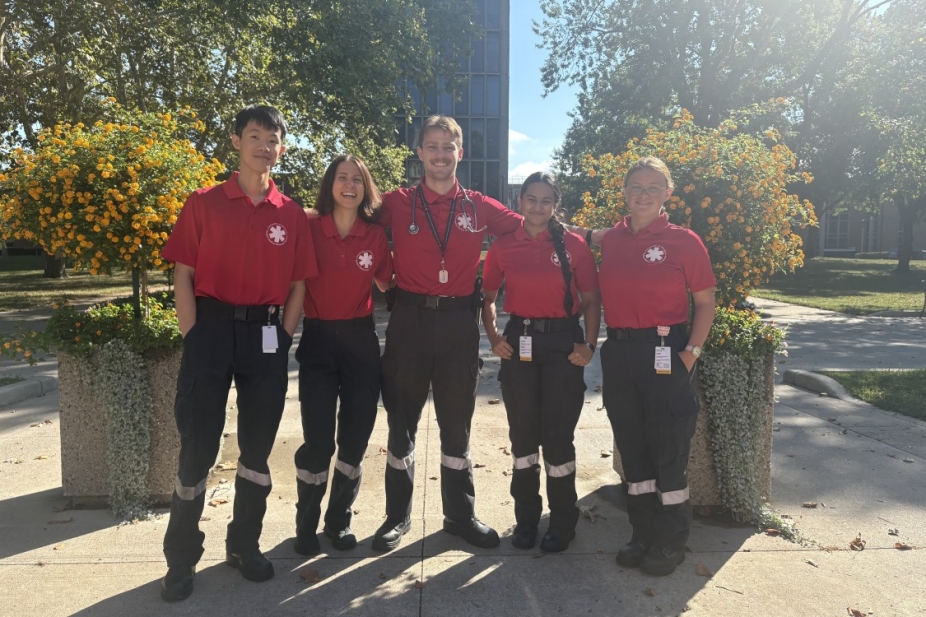 Members of the UWSMRS executive team on campus, supporting 24/7 emergency care for the campus community. (SUBMITTED BY ASHVEEN DHILLON/University of Windsor)
By Sara Meikle
At any hour of the day or night, while most of campus studies, works or sleeps, a dedicated group of student volunteers is ready to respond.
The University of Windsor Student Medical Response Service (UWSMRS) operates 24/7, providing immediate, often critical care to the campus community. Behind the radios and emergency kits is a student experience defined by responsibility, resilience and purpose.
— Published on Apr 23rd, 2026

 Students get hands-on learning experience in ergonomics (FILE/University of Windsor)
